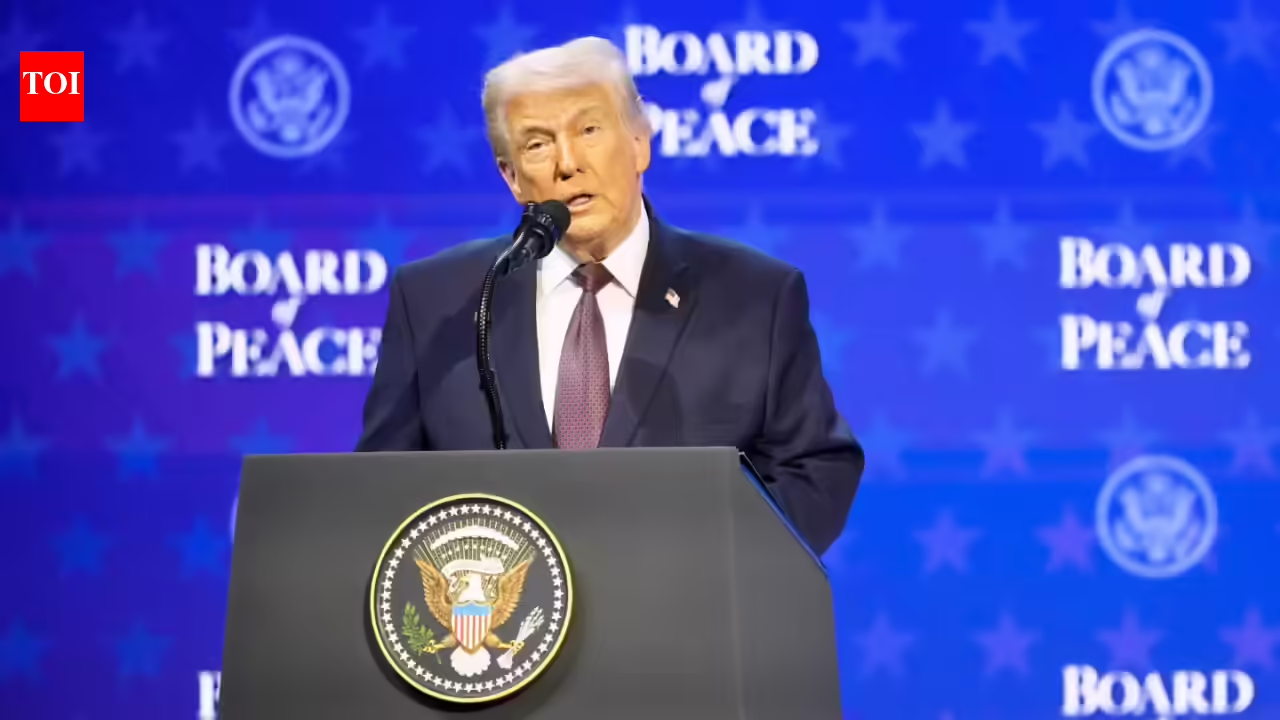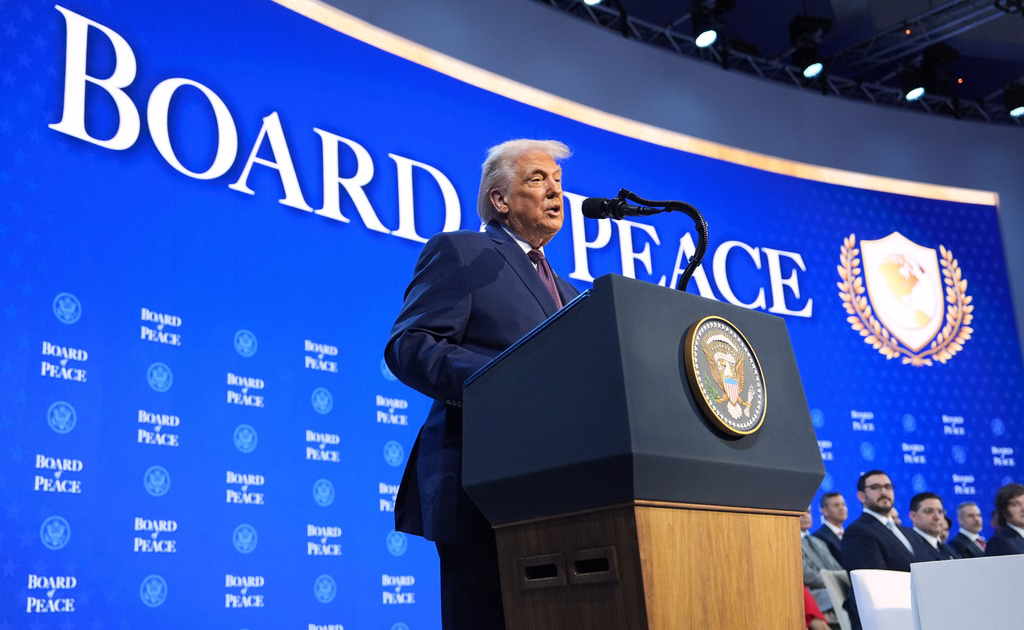
New Delhi: Four months after its launch, US President Donald Trump’s ‘Board of Peace’ initiative for Gaza reconstruction has not received a single dollar into its official fund, the Financial Times reported Wednesday.
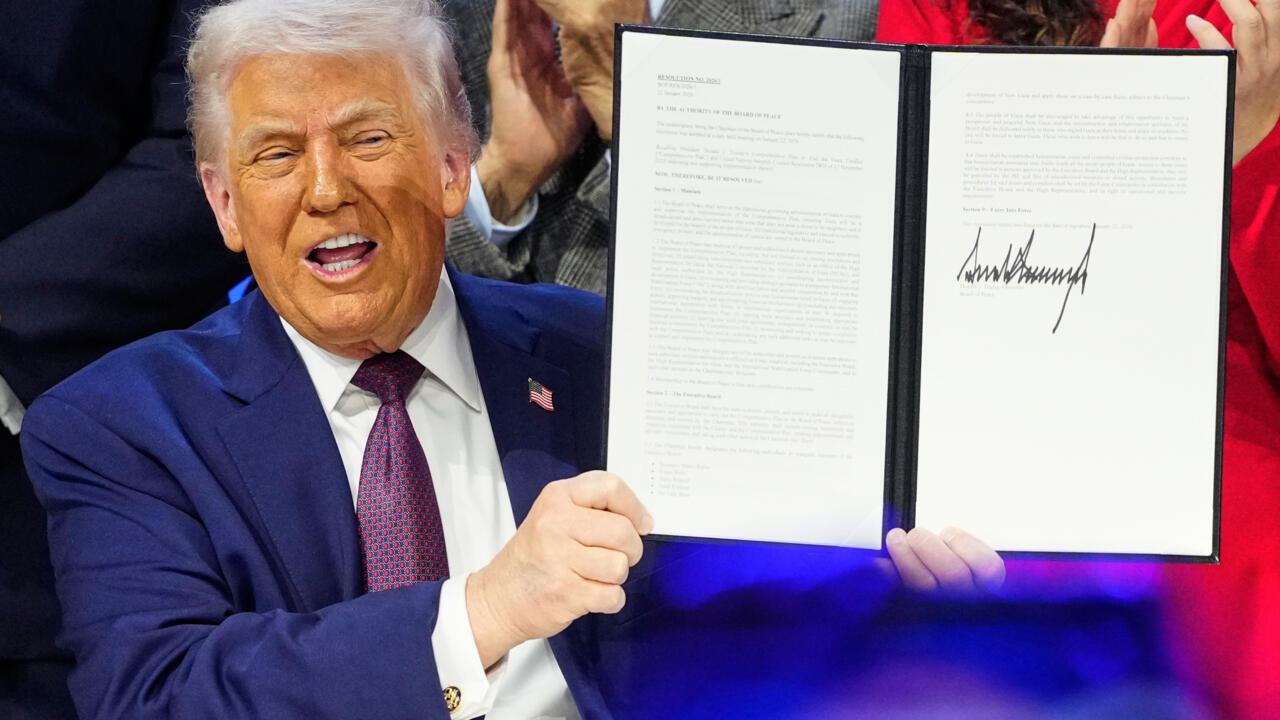
According to FT, some contributors have instead routed the money through a separate JPMorgan account that carries no independent transparency requirements.The organisation was launched in January by Trump, who described it as one of the “most consequential” international organisations ever created, with a mandate to manage Gaza’s redevelopment after nearly two years of bombardment by Israel following the October 2024 attack by Hamas.
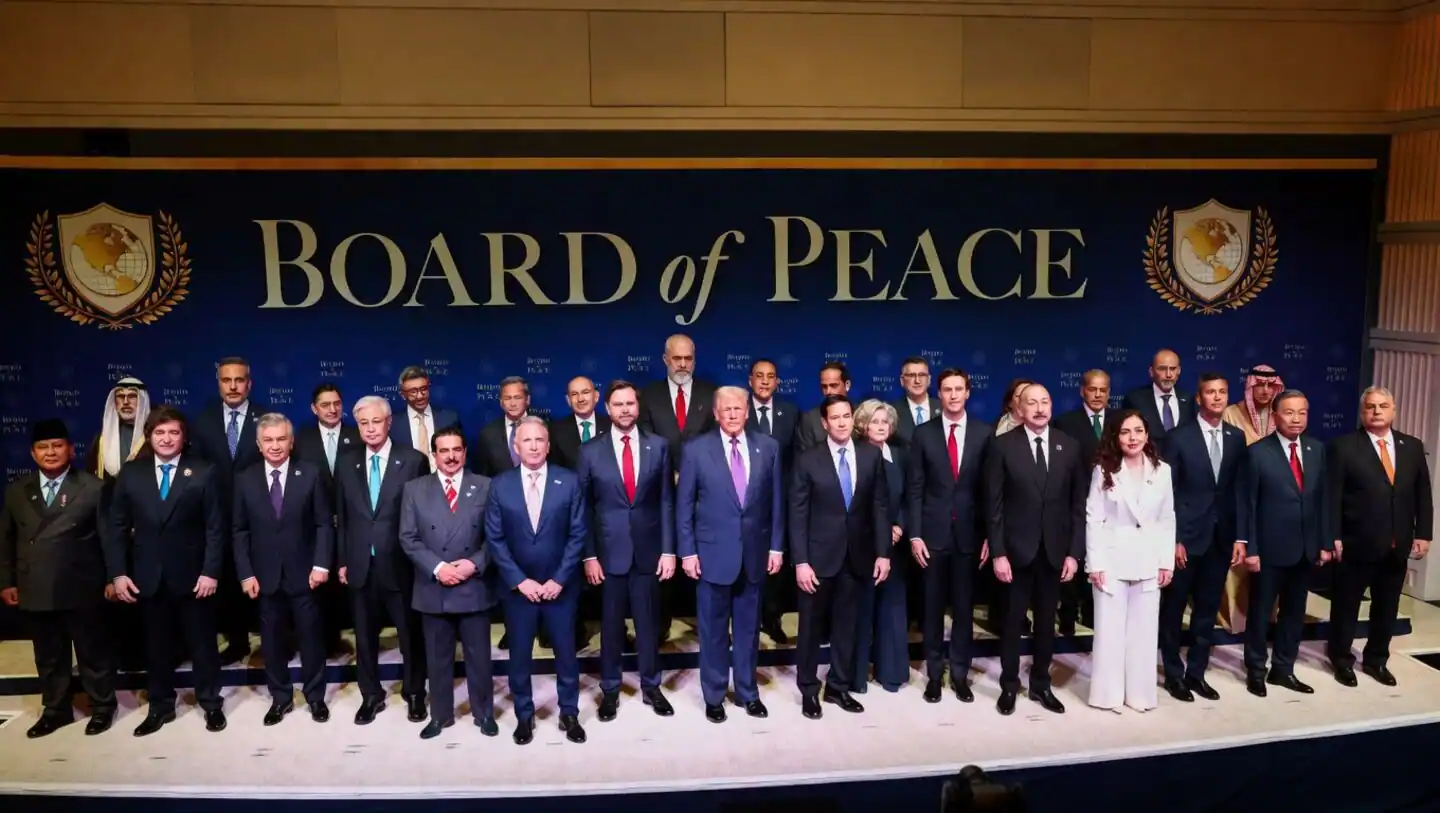
Countries pledged nearly $7 billion for Gaza relief through the board and Trump promised an additional $10 billion in US support. But the World Bank fund—the official channel for the project, endorsed by the United Nations—has yet to receive any deposits, the FT said, citing people familiar with the matter.“Zero dollars have been deposited,” one source told the newspaper.A Board of Peace official told FT that multiple funding channels had been created and that contributors had “opted to use other options”. The official added that the organisation would disclose its finances to its own executive board “at a time deemed appropriate”.Morocco contributed about $3 million and the United Arab Emirates (UAE) provided nearly $20 million, both directed at administrative costs, including salaries for a Palestinian technocratic committee formed to govern Gaza after the war, FT reported. The UAE also pledged a further $100 million to train a new Gaza police force, but the programme has not begun.The US State Department plans to redirect around $1.2 billion in aid spending towards projects linked to the board’s agenda, the report said, but none of that money has been spent. People involved in planning told FT that “not one US dollar” had been deployed for reconstruction on the ground.Lawmakers in Washington have also raised concerns about the board’s legal status and whether it qualifies as an international organisation eligible to receive US government funding.Apart from the central criticism of the board possibly undermining the role of the United Nations in global conflict resolution, its opponents have questioned the ‘pay-to-play’ membership model – one that demands $1 billion, payable within the first year of the charter coming into force–the inclusion of authoritarian governments and the absence of any Palestinian representation.About 25 countries have so far signed up for Trump’s Board of Peace–among them Israel, Saudi Arabia, Pakistan, the UAE, Morocco, Indonesia, Türkiye, Egypt, Jordan, Hungary and Vietnam.Several others such as Italy and South Korea chose to participate only as observers. Other Western powers – France, Germany, the UK and Canada – refused to sign up, citing concerns over the board’s structure and legal legitimacy.Ukraine also opposed the initiative because of the inclusion of Russia and Belarus.India has adopted a cautious approach and attended the board’s first meeting only as an observer. New Delhi has not formally accepted or rejected the initiative, and continues to support a two-state solution to the Israel-Palestine conflict.The Board of Peace forms part of the second phase of the Gaza Peace Plan that Trump first proposed in September 2025. The peace plan came into effect in October 2025, with phase 1 involving a ceasefire in Gaza.