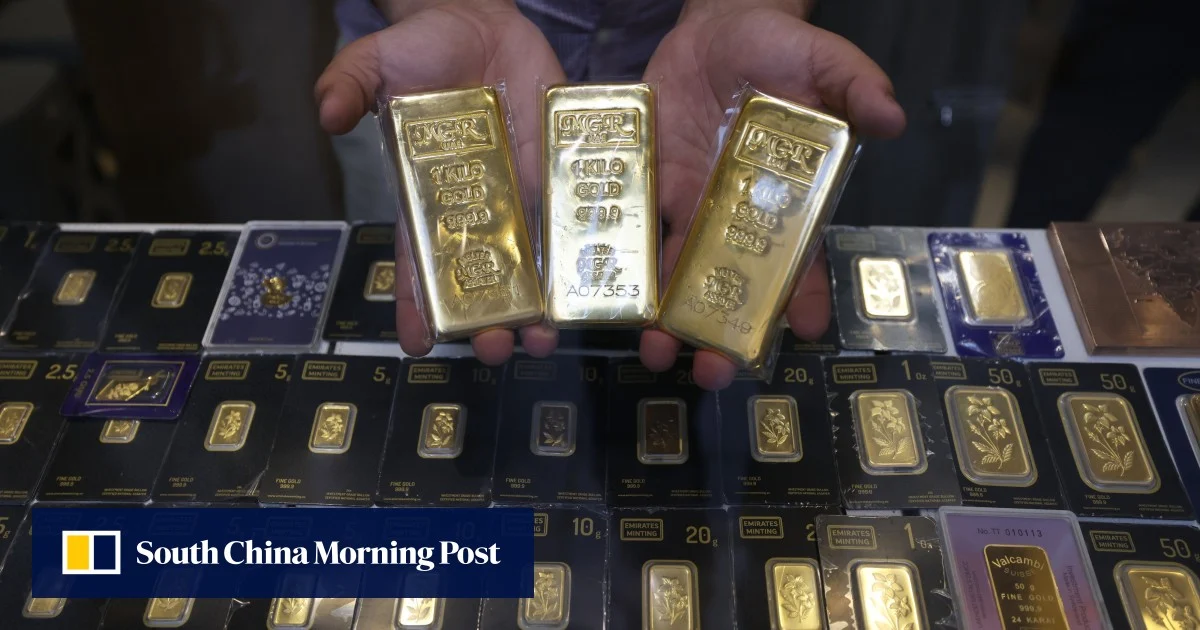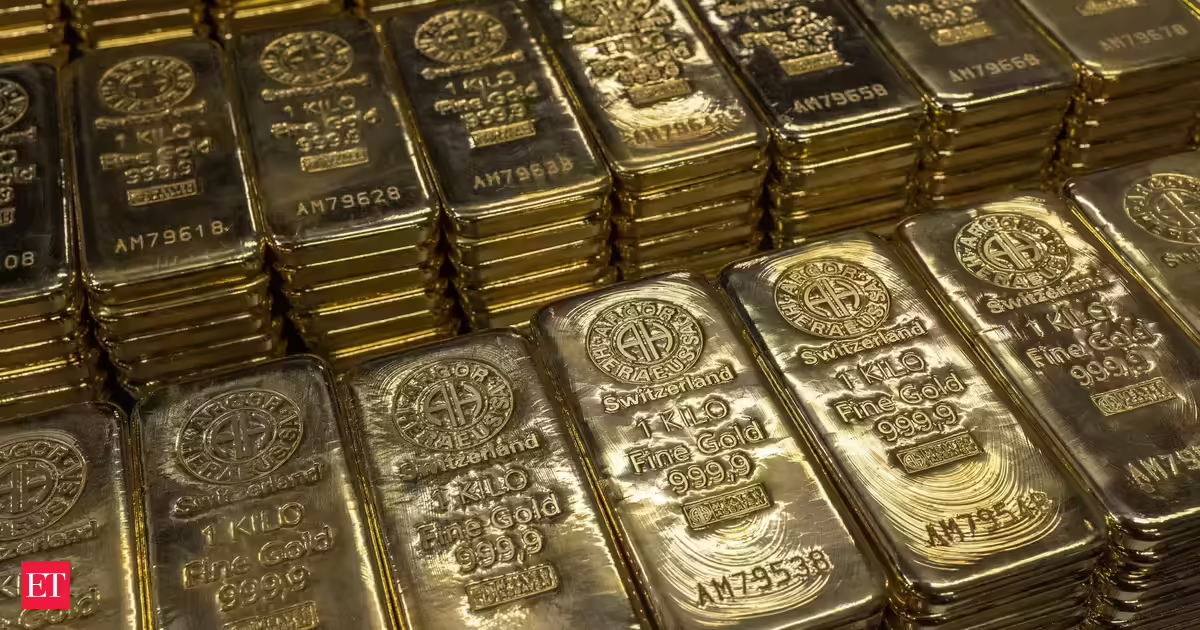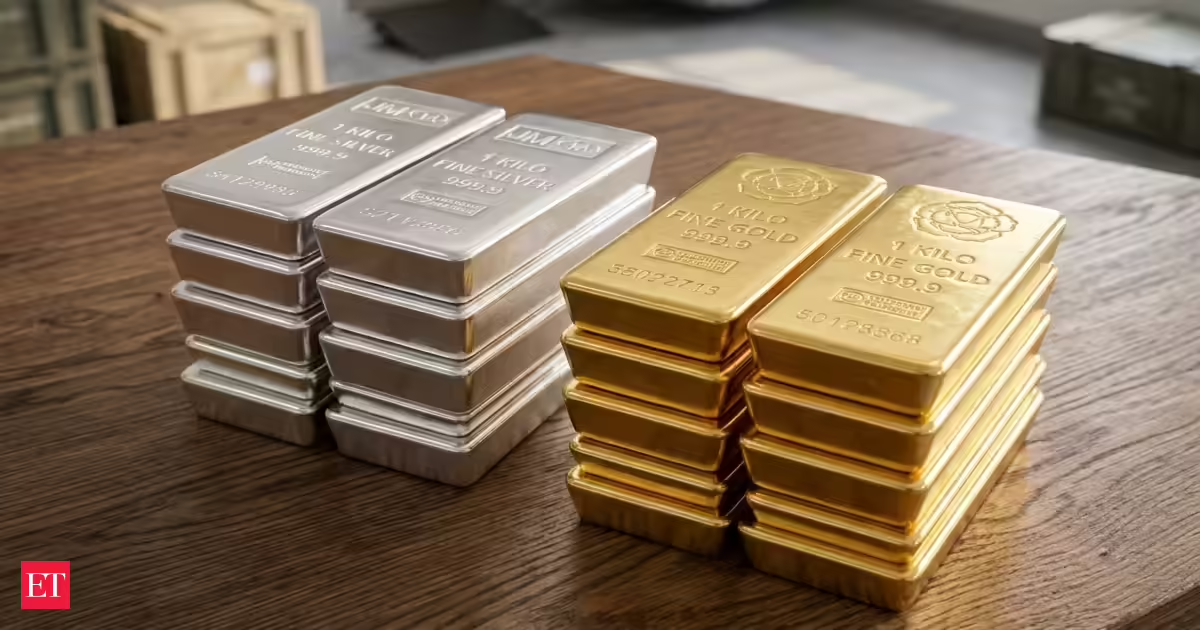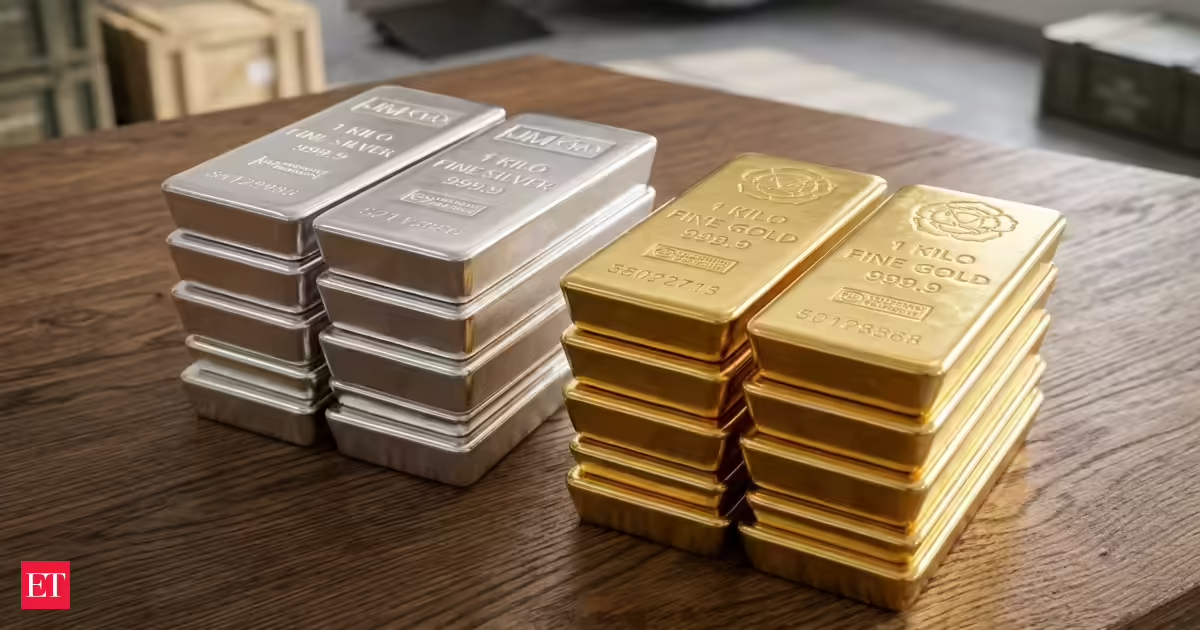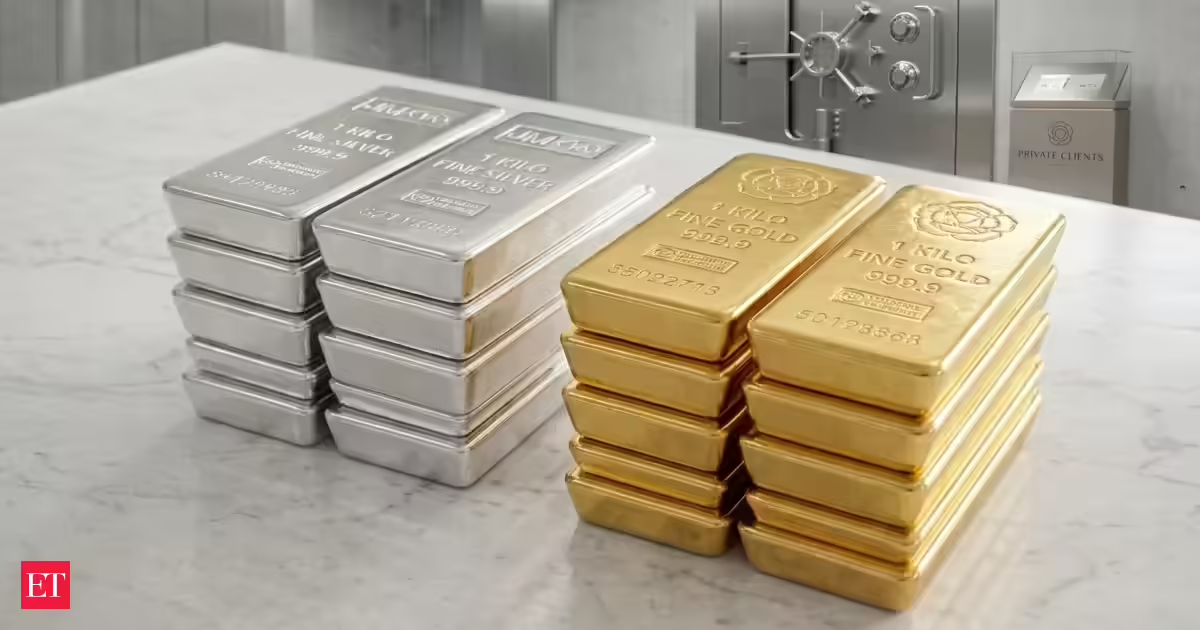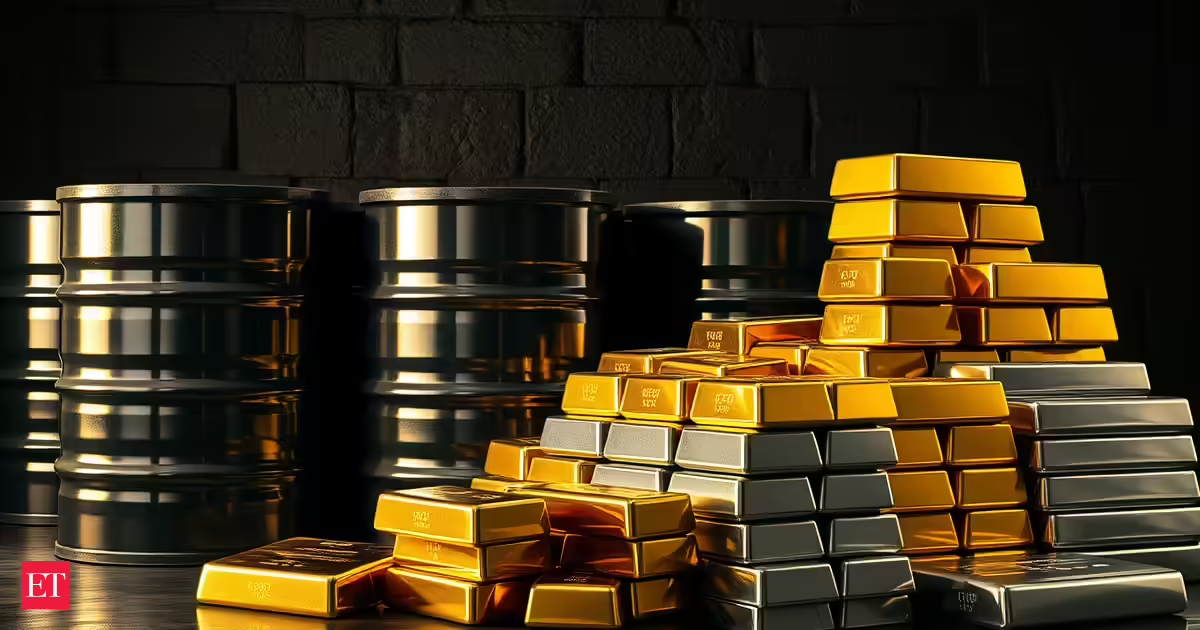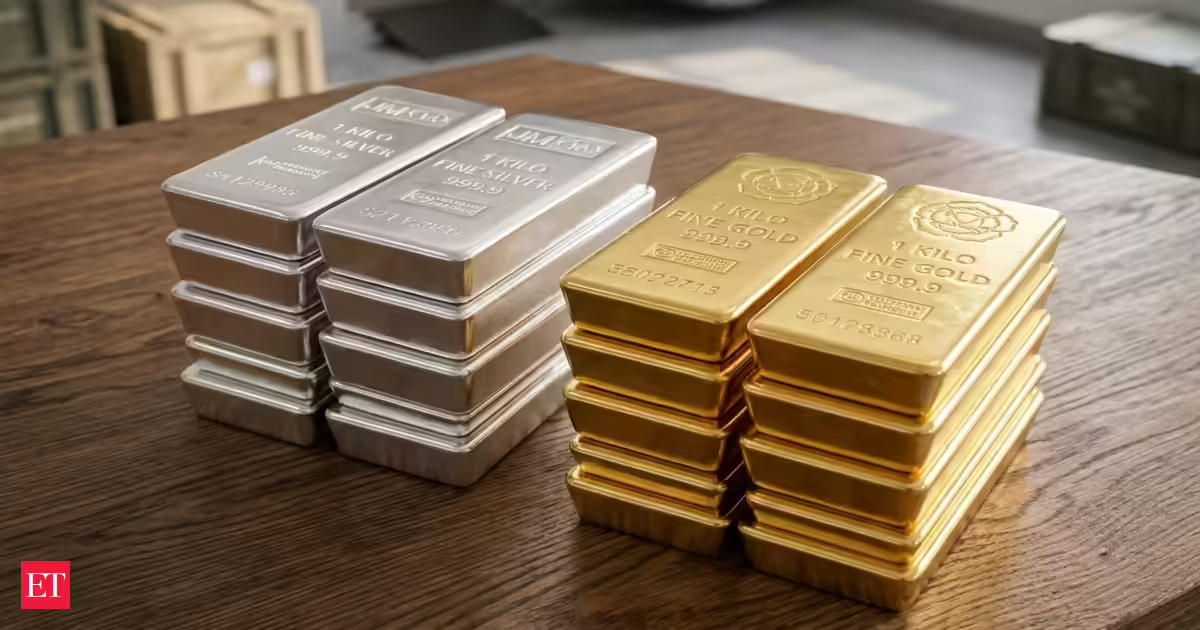
Why are gold and silver prices down sharply today and will precious metals continue to fall or rise again? Investors across global markets are asking this question after gold prices touched a two-month low and silver prices also recorded a major decline. The fall came as markets reacted to rising inflation concerns linked to the ongoing conflict involving Iran, the United States, and Israel. Rising crude oil prices, expectations of higher interest rates, and uncertainty around the US Federal Reserve policy also affected bullion prices. Analysts are now watching economic data and geopolitical developments closely to understand whether precious metals will continue falling or recover again in the coming months.Why are gold and silver prices down sharply today and will precious metals continue to fall or rise again? Gold prices declined sharply on May 27 as investors reduced exposure to bullion amid fears of tighter monetary policy in the United States. According to Reuters, spot gold was down 1.3% at $4,447.71 per ounce during the trading session. Earlier in the day, gold prices touched their lowest level since March 27. US gold futures for June delivery also settled lower. Futures prices closed 1.2% down at $4,448.40 per ounce.The fall in gold prices reflected growing concerns over inflation and possible interest rate hikes by the US Federal Reserve. Investors often move away from non-yielding assets like gold when interest rates are expected to rise.Why are gold and silver prices down sharply today?The latest decline in gold and silver prices was linked to multiple global developments. Market analysts said the biggest factor remains the ongoing conflict in the Middle East involving Iran, Israel, and the United States.Peter Grant, vice president and senior metals strategist at Zaner Metals, said the conflict continues to affect investor sentiment. He explained that earlier optimism in the market has started fading as the conflict drags on without a clear resolution. The closure of the Strait of Hormuz also added pressure on global energy markets. The Strait of Hormuz is one of the world’s most important shipping routes for crude oil. Concerns over restricted shipping pushed Brent crude oil prices higher.Higher oil prices increased fears of inflation across global economies. Inflation concerns usually force central banks to maintain higher interest rates or even raise rates further. This creates pressure on gold prices because gold does not provide interest returns. Gold is normally considered a hedge against inflation, but higher interest rates increase the opportunity cost of holding bullion.Iran and US framework deal impacts market sentimentMarkets also reacted to reports from Iranian state television regarding a possible framework agreement with the United States. According to the report, Tehran may restore shipping through the Strait of Hormuz to normal levels within a month.The reported framework also included the withdrawal of US forces from areas near Iran. Following this development, gold prices briefly recovered some losses during trading hours. However, traders remained cautious because the market still expects energy-driven inflation to continue affecting central bank policy decisions. The uncertainty surrounding the situation prevented gold prices from making a strong recovery.Federal Reserve rate hike expectations pressure bullionAnother major reason behind the fall in precious metal prices was growing speculation about future US interest rate hikes. Markets currently expect the US Federal Reserve to increase benchmark interest rates by 25 basis points before the end of the year. Rising inflation linked to higher energy prices has strengthened these expectations.Minneapolis Federal Reserve President Neel Kashkari also commented on inflation risks. He said the US central bank must continue focusing on containing inflationary pressures. At the same time, Kashkari added that it is still too early to predict when the Federal Reserve may change its current policy stance. Investors are now waiting for the release of the US Personal Consumption Expenditures data. The data is considered one of the Federal Reserve’s preferred inflation indicators and could influence future monetary policy decisions.Will precious metals continue to fall or rise again?The future direction of gold and silver prices now depends on several factors including inflation trends, interest rate decisions, crude oil prices, and geopolitical developments. If inflation remains high and the Federal Reserve continues signaling tighter monetary policy, precious metals may remain under pressure in the near term. Higher interest rates generally reduce investor demand for gold because fixed-income assets become more attractive.However, uncertainty in global markets may still support bullion prices over time. Investors often move toward gold during periods of geopolitical conflict and economic uncertainty. Analysts believe that if tensions in the Middle East worsen further, safe-haven demand for gold could return. Any easing in the conflict or improvement in global shipping routes may reduce inflation concerns and affect precious metal demand differently.Silver prices also decline sharplySilver prices also recorded major losses during the trading session. Spot silver declined 3.2% to $74.46 per ounce. The metal followed gold lower as broader concerns about monetary policy and economic growth affected investor confidence. Despite the latest decline, some analysts still expect silver prices to remain strong over the long term. Bank of America stated in a market note that another rally in gold prices could push silver above $100 per ounce again in the coming months.However, the bank also said that silver may not outperform gold on a sustained basis because of easing industrial demand fundamentals. Silver prices are influenced not only by investment demand but also by industrial usage across manufacturing sectors.Platinum and palladium market movementOther precious metals also saw mixed trading activity. Platinum prices declined 2.1% to $1,916.90 per ounce during the session. Palladium prices moved slightly higher and gained 0.1% to reach $1,386.47 per ounce. The movement in platinum and palladium prices reflected broader uncertainty in commodity and financial markets.Analysts insights and market outlookMarket analysts said investors are currently balancing multiple risks at the same time. Rising oil prices, inflation fears, central bank policy decisions, and geopolitical uncertainty are all influencing precious metal prices. Analysts believe upcoming US economic data releases will play a major role in determining short-term price direction. If inflation data remains strong, markets may increase expectations for future rate hikes. This could continue pressuring gold and silver prices.At the same time, any signs of economic slowdown or worsening geopolitical tensions may revive safe-haven demand for bullion. The market outlook remains uncertain as investors continue monitoring global developments closely.What should investors do now?Financial analysts said investors should remain cautious during periods of market volatility. Short-term price swings may continue as markets react to economic reports and geopolitical news. Investors are advised to watch inflation data, Federal Reserve policy signals, crude oil prices, and developments in the Middle East before making investment decisions.Some long-term investors may still consider gold and silver as portfolio diversification assets during uncertain economic conditions. However, analysts warned that higher interest rates may continue creating pressure on precious metal prices in the near term.FAQsQ1. Why are gold and silver prices falling today?Gold and silver prices are falling because investors expect higher US interest rates due to rising inflation concerns linked to oil prices, Middle East tensions, and possible Federal Reserve monetary policy tightening.Q2. Will gold and silver prices rise again in the future?Gold and silver prices may rise again if geopolitical tensions increase, inflation remains high, or investors return to safe-haven assets during economic uncertainty and financial market volatility across global economies.
Why are gold and silver prices down sharply today and will precious metals continue to fall or rise again? Gold hits two-month low as inflation fears rise
Why are gold and silver prices down sharply today and will precious metals continue to fall or rise again? Gold prices dropped to a two-month low after investors reacted to inflation concerns, rising oil prices, and expectations of interest rate hikes by the US Federal Reserve. Silver prices also declined sharply. Analysts said the ongoing Middle East conflict, rising crude oil prices, and upcoming US economic data are influencing the precious metals market and investor sentiment.
1,214 words~6 min read