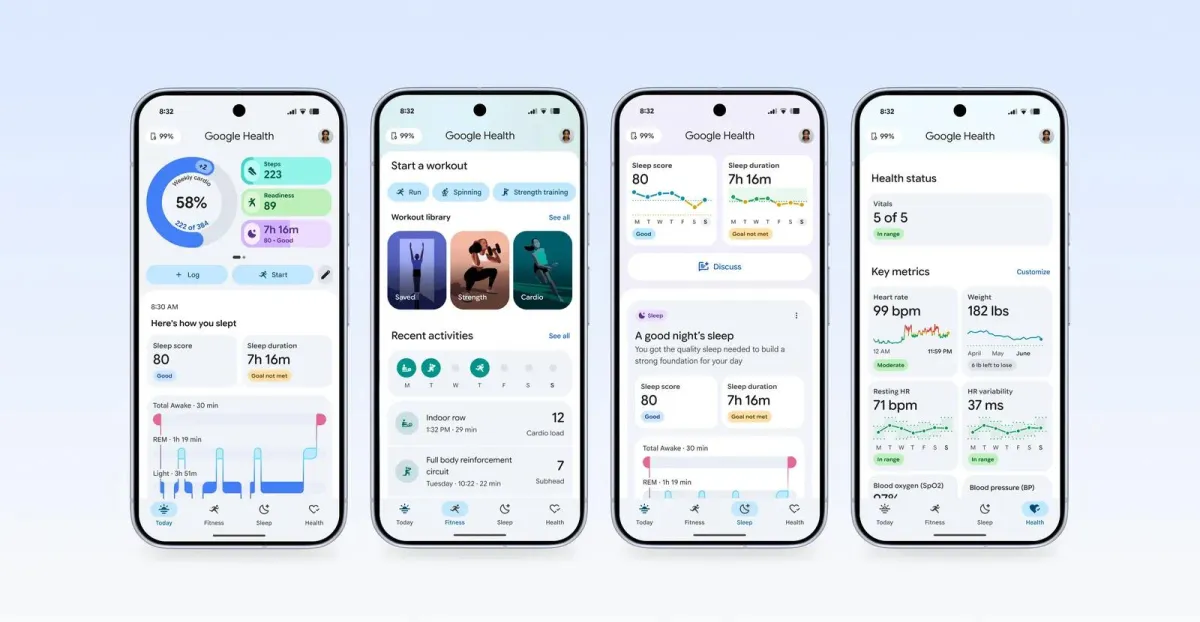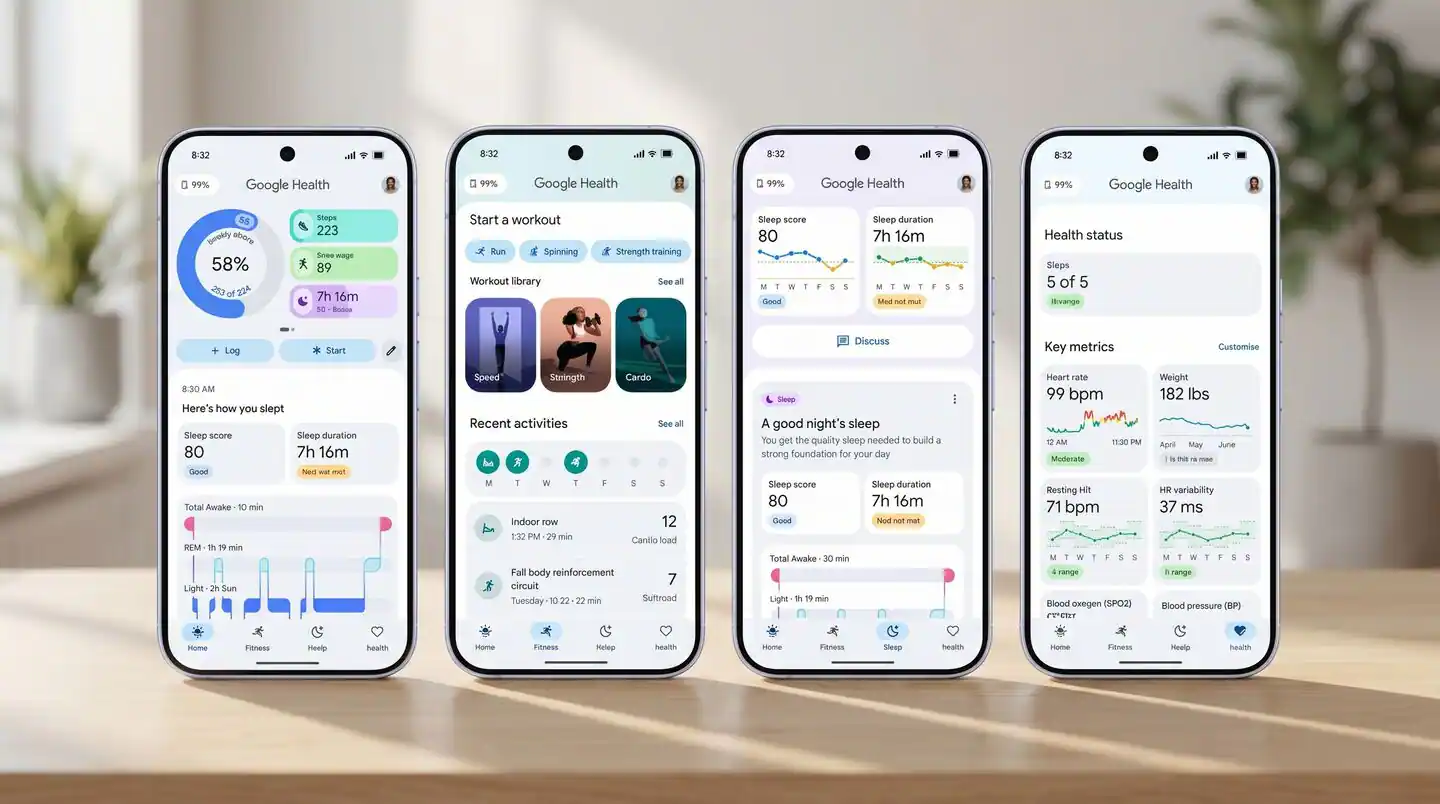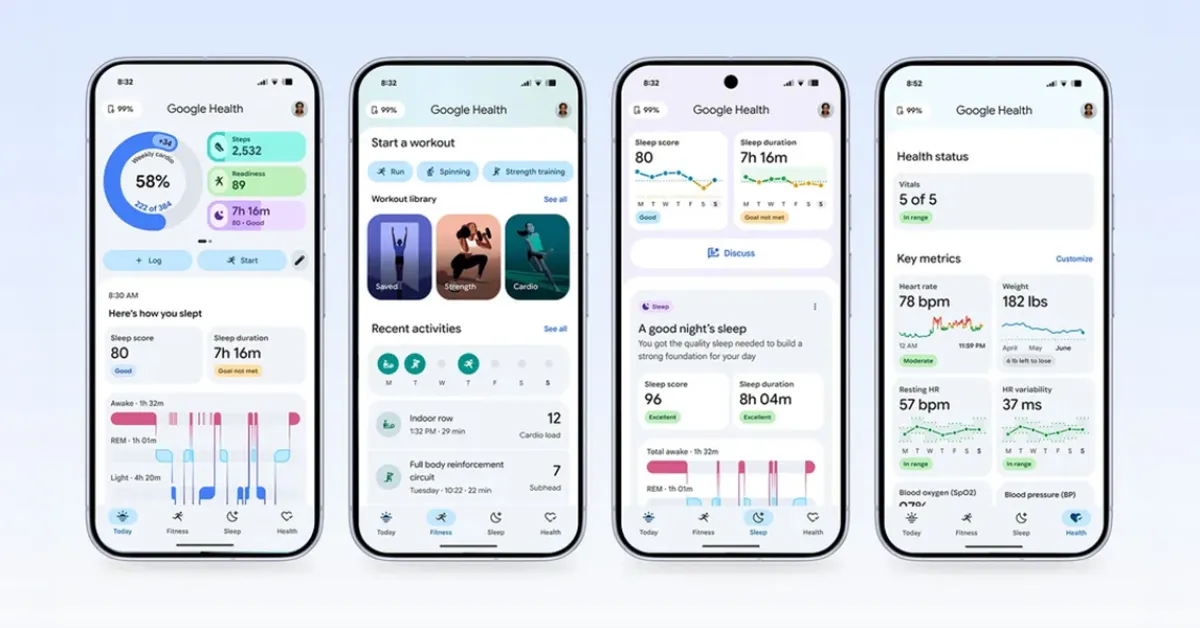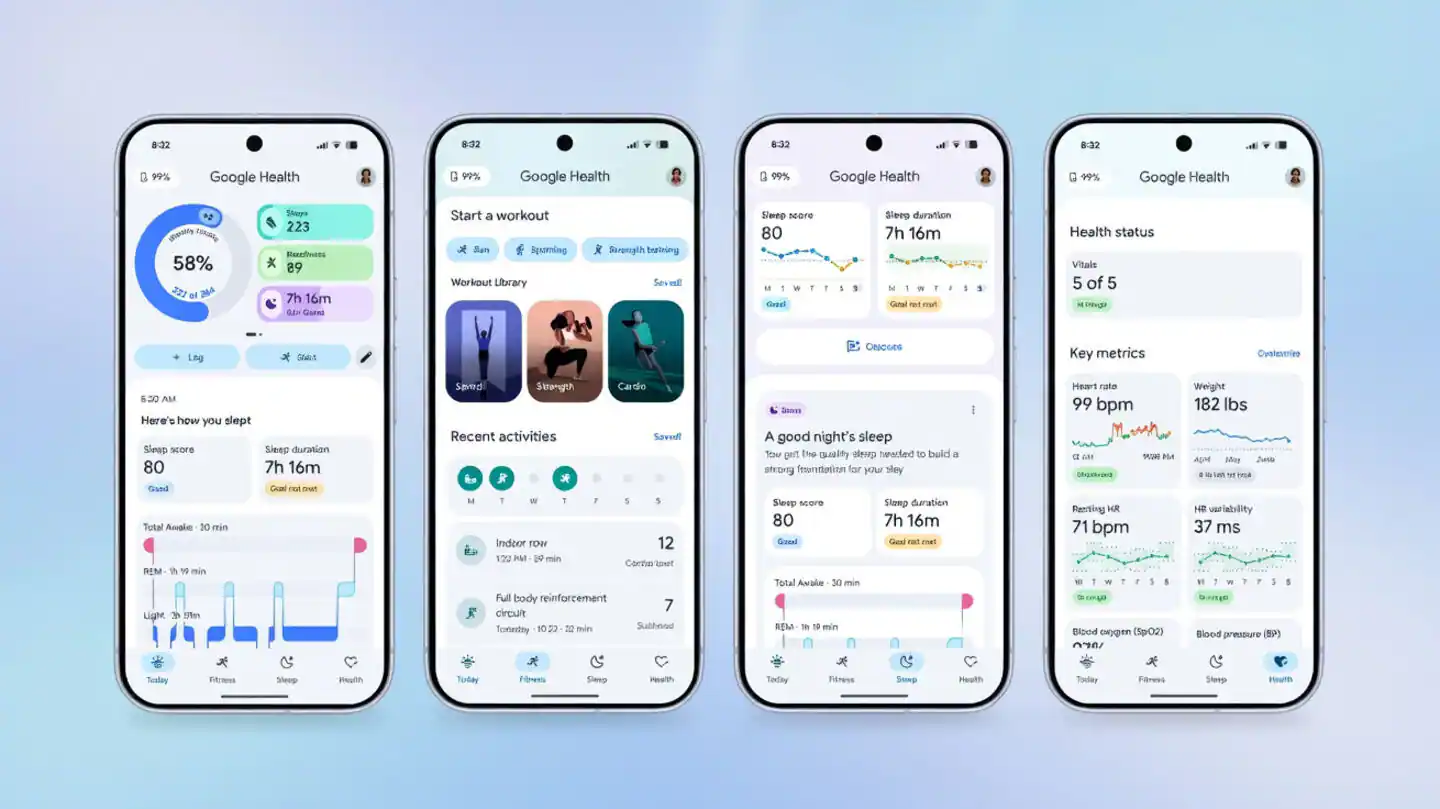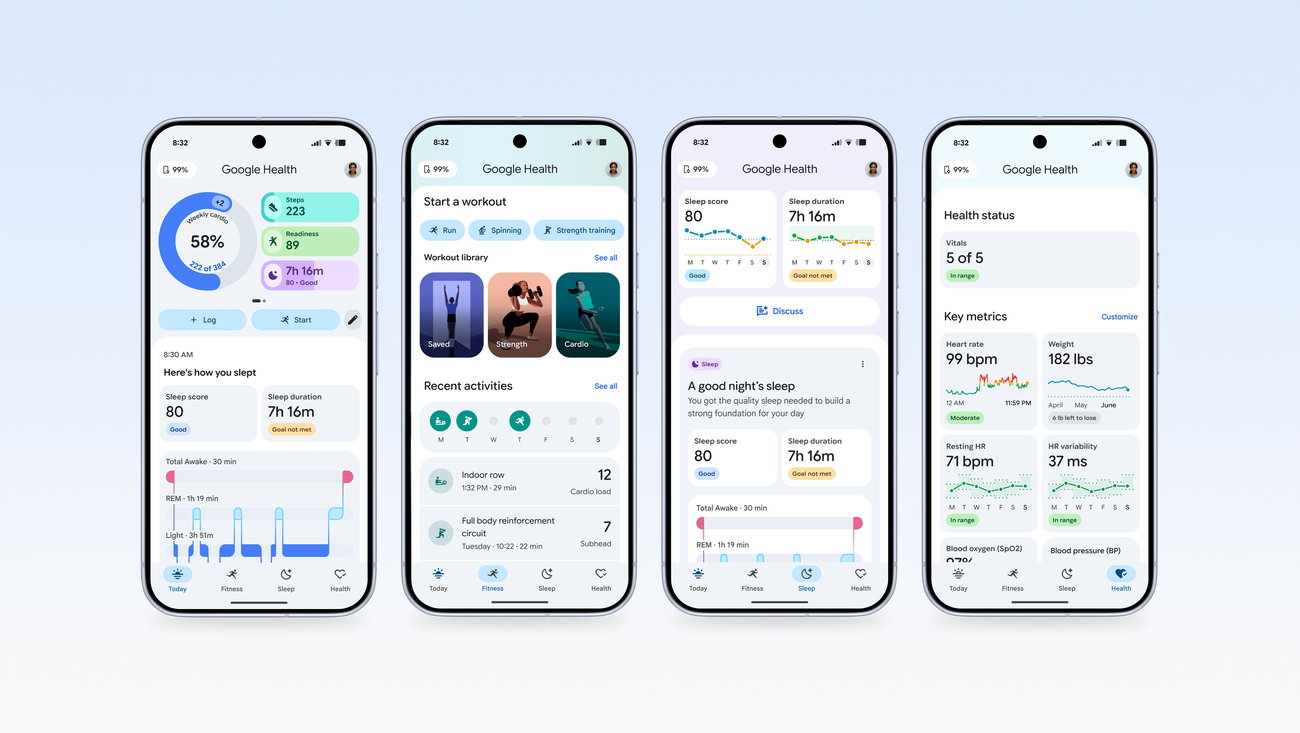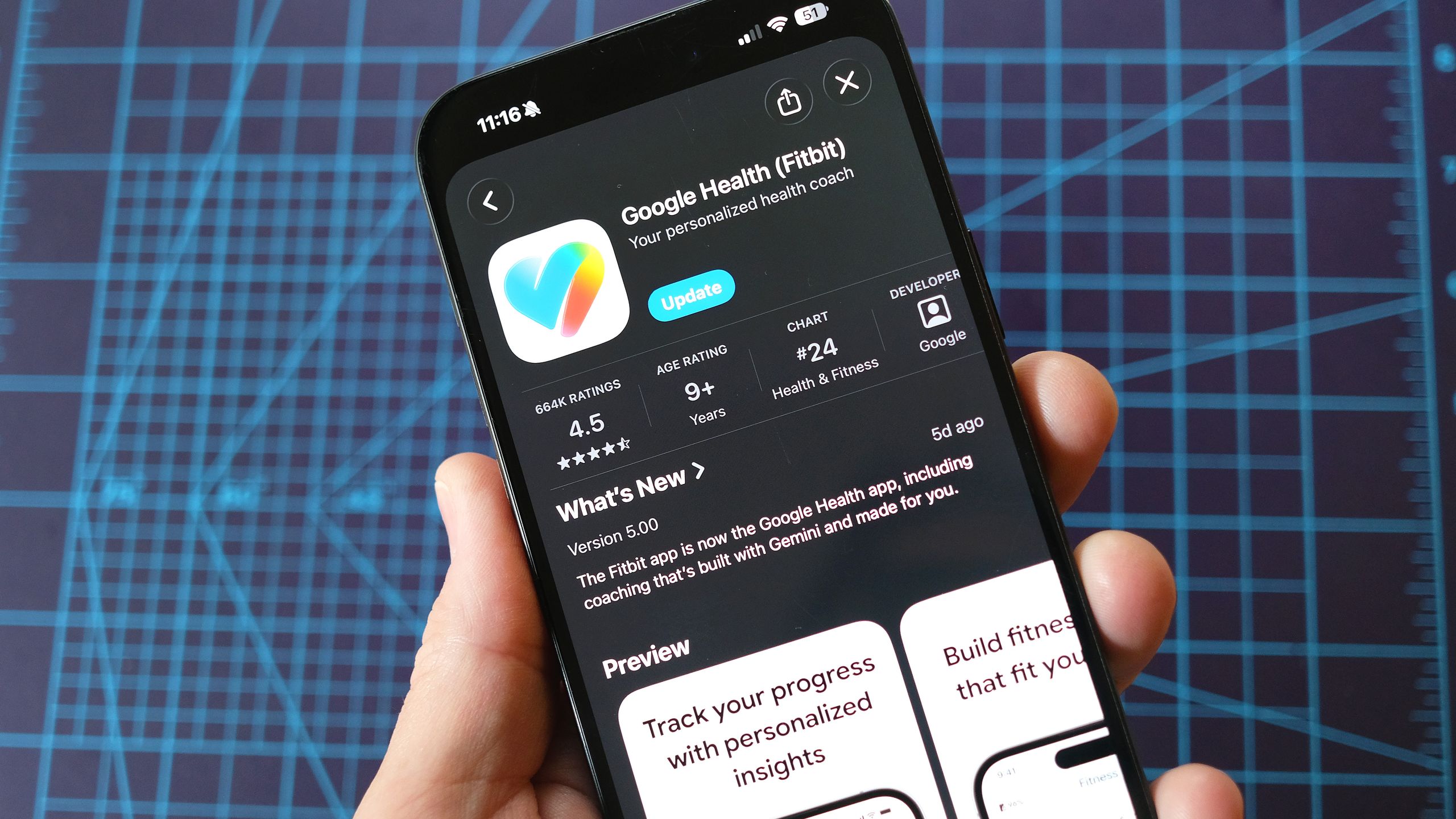
If there’s one thing you don’t want to screw around with as a tech company, it’s apps. Just ask Sonos, which literally had to fire its CEO and start anew over fallout from a botched app update. Google apparently didn’t get that memo because its recent shift from the Fitbit app to the newly christened Google Health has been… rocky. People are crashing out over the recent app update, and it’s not hard to see why.
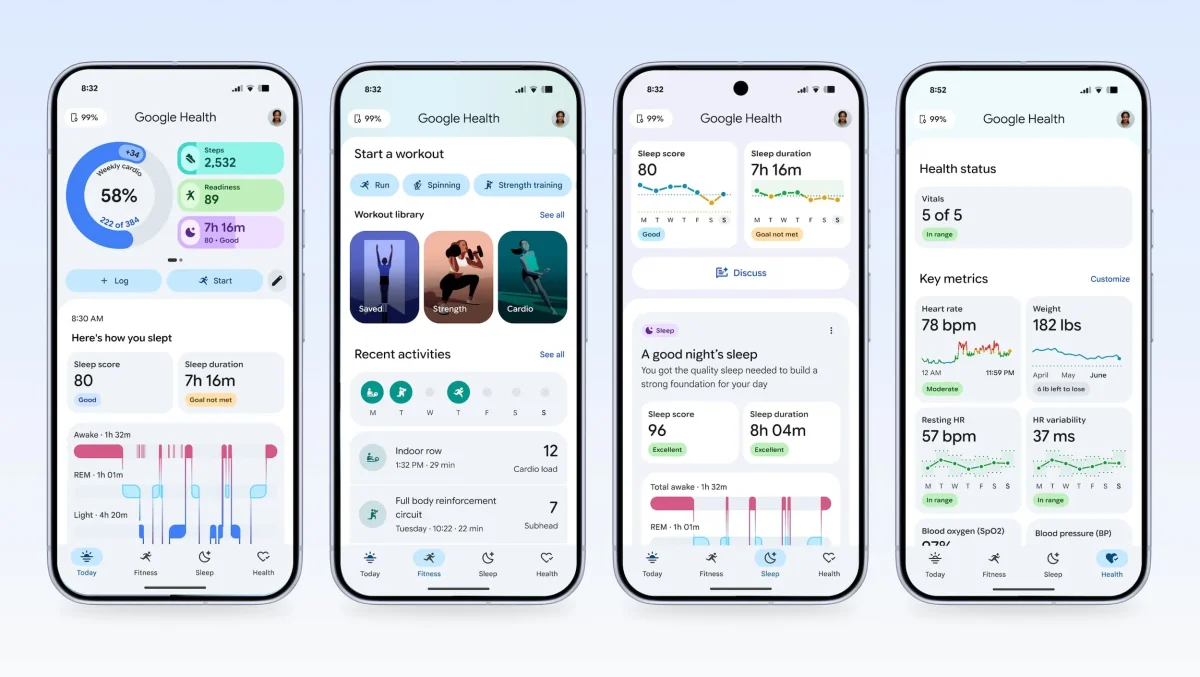
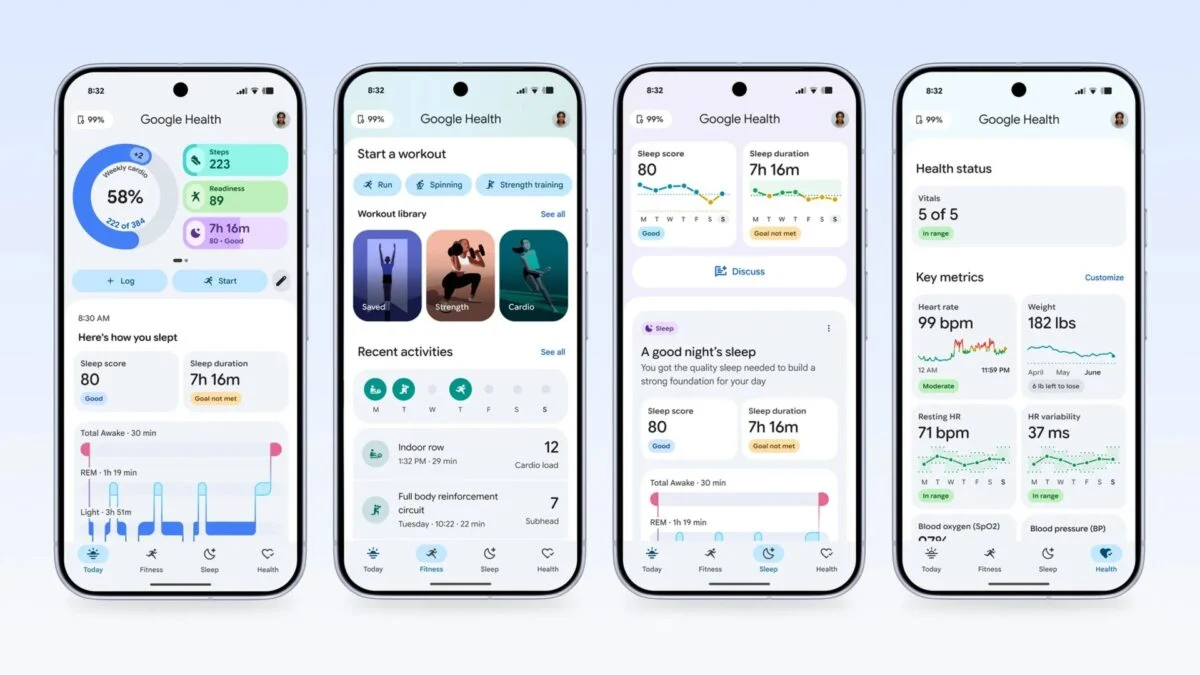
In case you missed it, Google recently retired its Fitbit app with the launch of the Fitbit Air, a screenless fitness band and Whoop competitor. In name and in design, the Fitbit app is no more, and Google Health is the new software du jour. That shift has ushered in quite a few changes, and to no one’s surprise, several of those tweaks have to do with AI. Google Health, as people have learned, is AI-heavy, and therein lies a lot of the app rollout’s problems. There are a lot of stumbles, but here’s a brief, incomplete list: Data points were straight-up wrong or inconsistent between different parts of the app Workouts were mislabeled (running versus general activity) Sleep scores were missing There was duplicative content AI summaries were sycophantic and overly verbose Random app crashes Not great. And to make matters worse, the general consensus seems to be that people don’t find the visual update to the app to be overly appealing either, with complaints on Reddit over the app being noisy and difficult to parse. I, admittedly, was never a user of the Fitbit app, so I don’t have the same context, but here’s a comparison of how the app used to look and how it looks now. I’ll let you make up your own mind on which feels cleaner. On the left is the Fitbit app, and on the right is the new Google Health app. © Google Google, for its part, is already rushing to fix things, including all of the bugs that I outlined above, and it’s detailed those fixes in a blog update that was pushed out yesterday. The company says they should be rolling out in the week ahead.