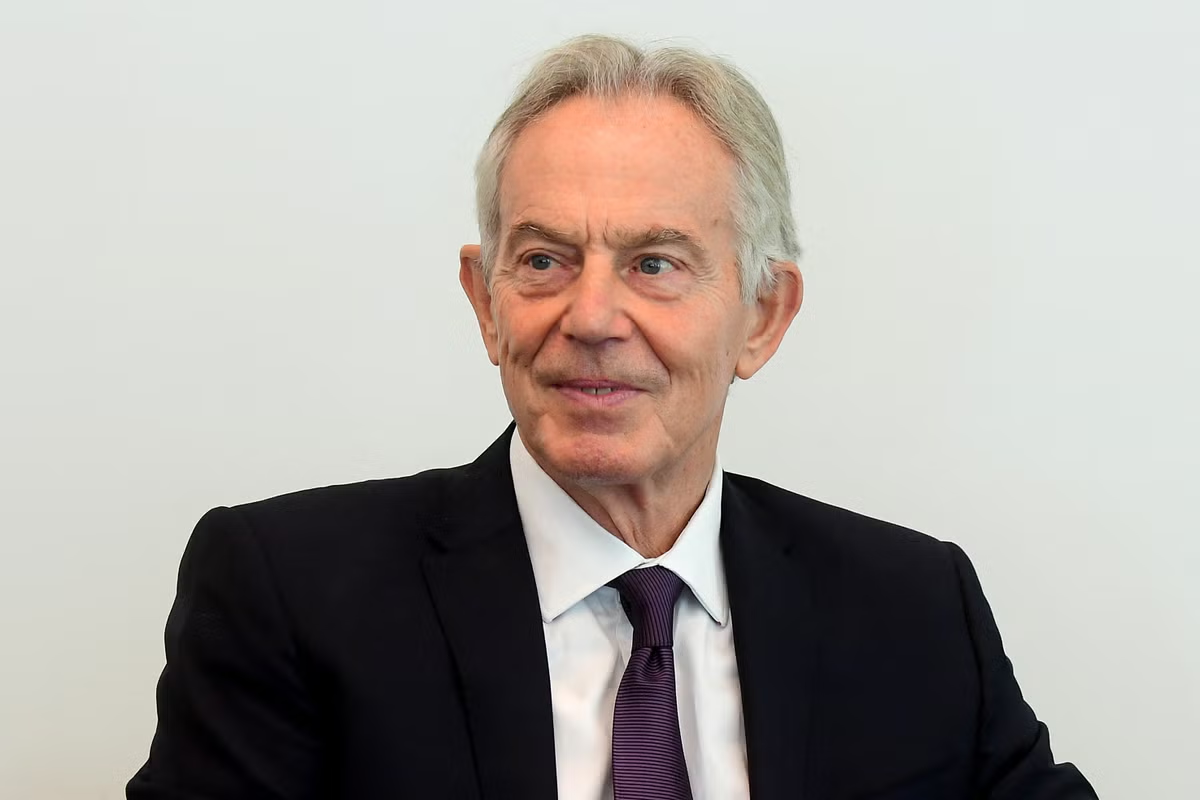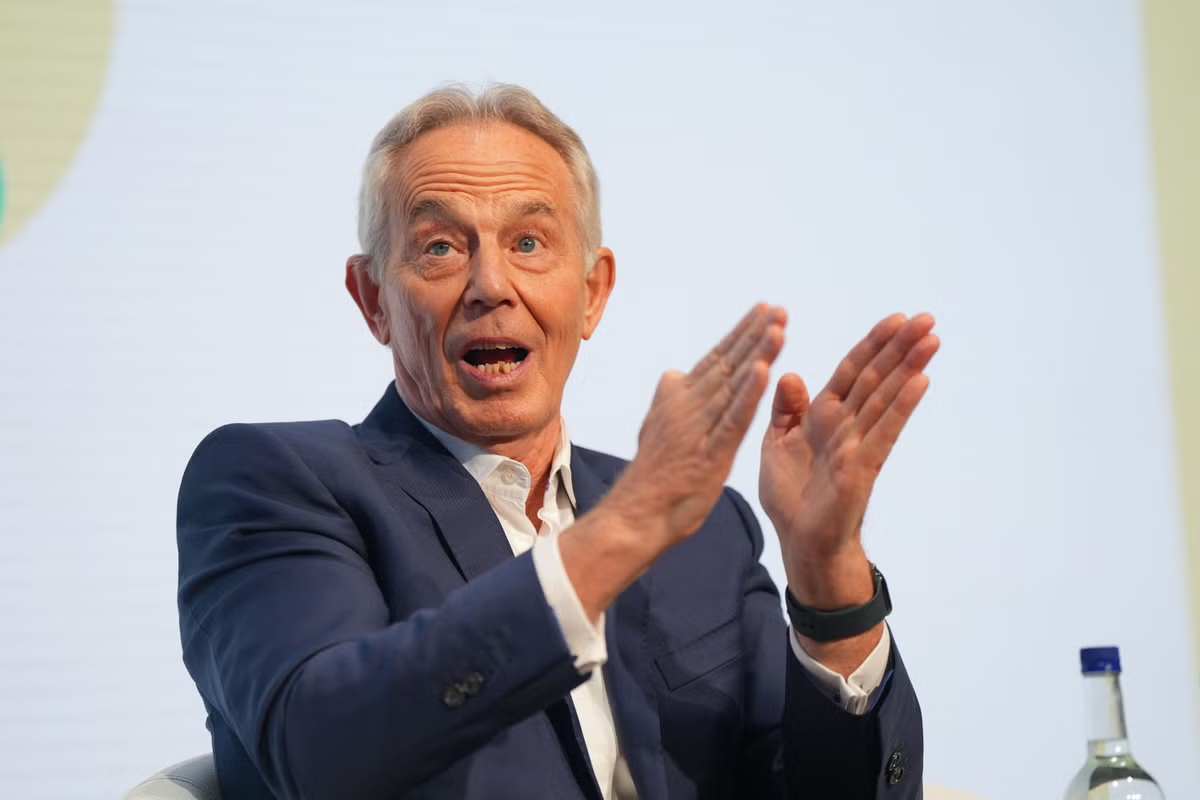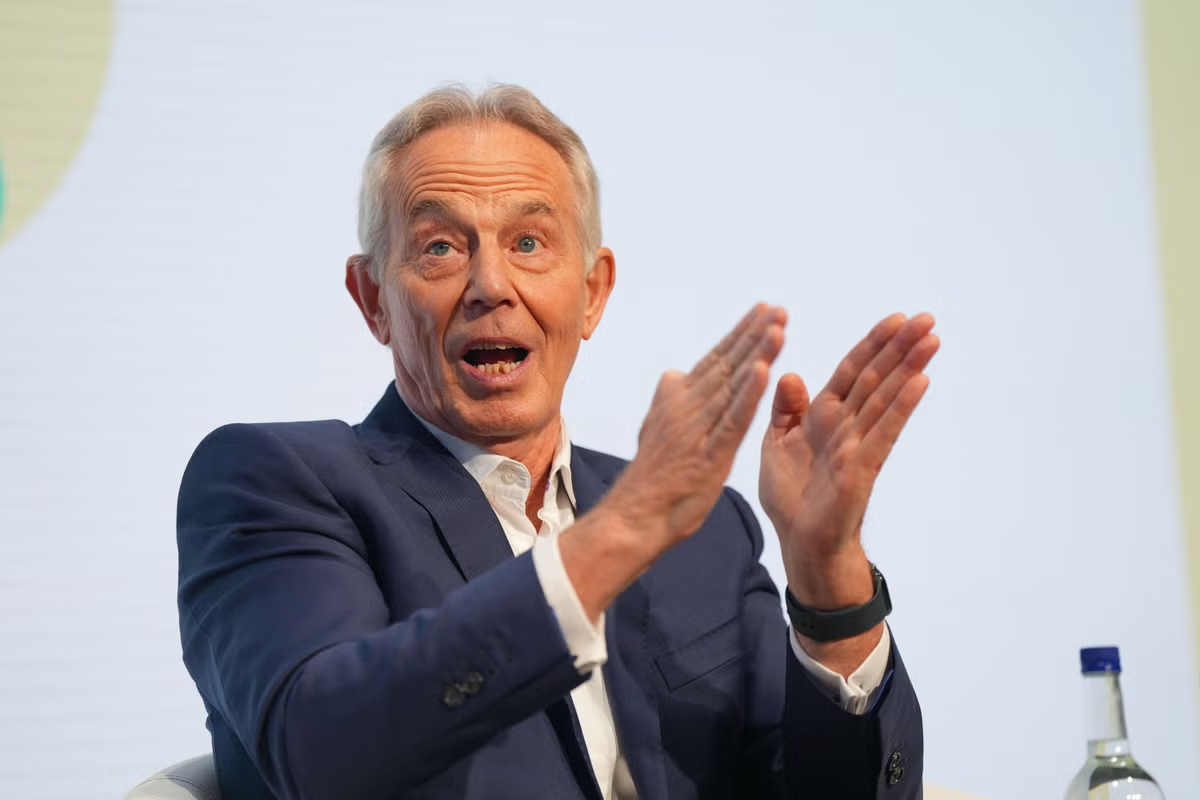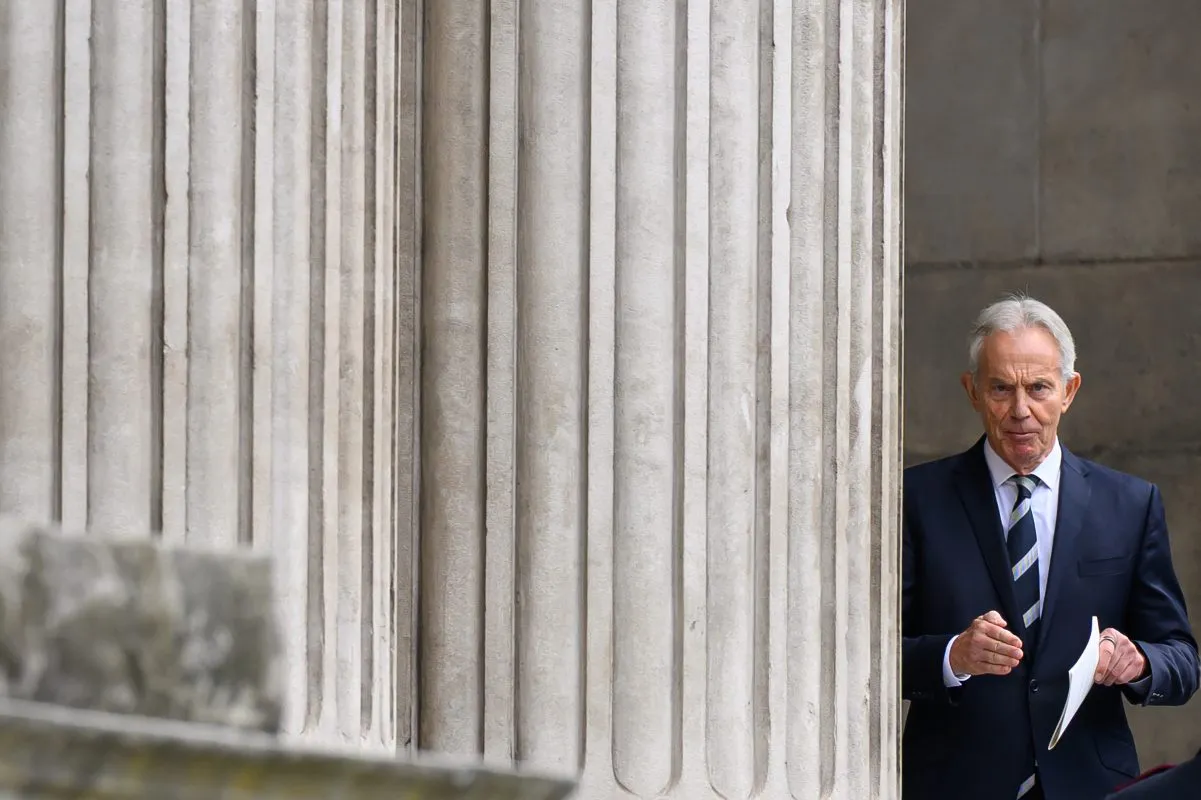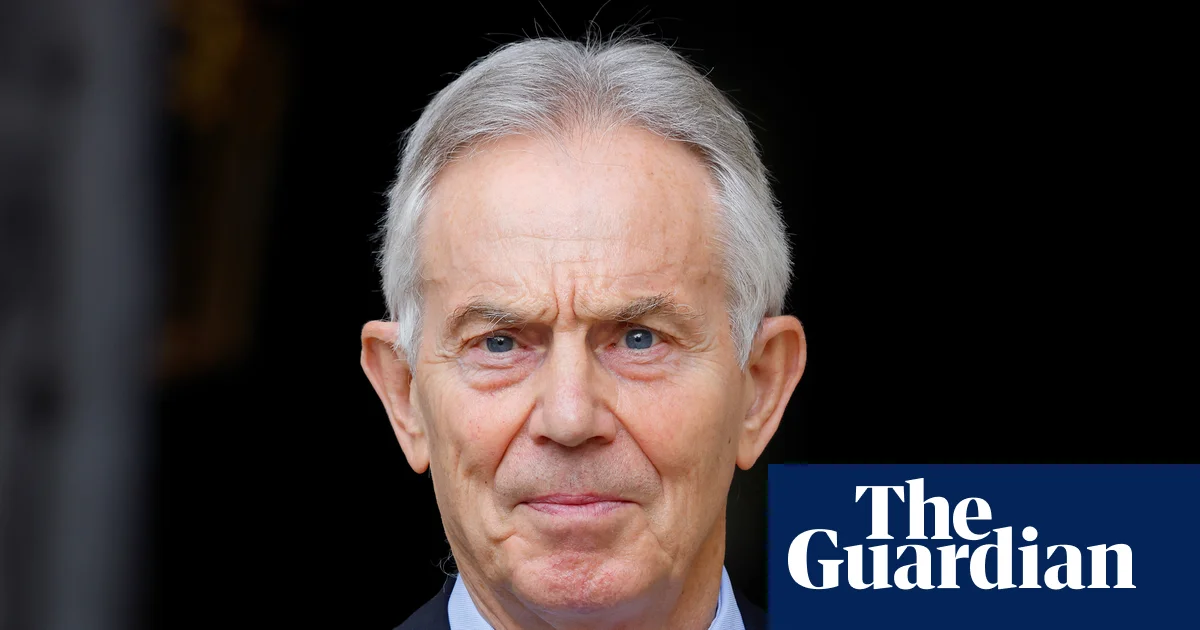
A paradox lies at the heart of Sir Tony Blair’s latest sermon to a Labour party that he seems actively to dislike these days. The 5,700-word intervention, published on the website of his Institute for Global Change, emphasises the sheer novelty of challenges such as the AI revolution and the rise of insurgent populism in western democracies. Yet the advice he offers is based on assumptions unchanged since he was bashing “old Labour” in the 1990s.In his essay, Sir Tony suggests that Labour’s “infinite capacity for self-delusion” is set to lose it the next election, irrespective of who is leading the party and the country by then. Only if it embodies a “radical centre”, he argues, can the government deliver the rises in growth and productivity that Britain desperately needs. This, it turns out, means rejecting more or less any policy that smacks of progressive ambition and intent.The former health secretary Wes Streeting is thus attacked for advocating a rise in capital gains tax. Workers’ rights reforms are criticised for dampening “animal spirits” in the private sector. Welfare spending needs to be curbed in order to spend more on defence. Net zero targets are to be sidelined amid a new dash for oil and gas. Donald Trump is to be appeased. And the essay reserves withering disdain for Andy Burnham’s supposedly “far left” critique of the financialised capitalism of the last 40 years, which, it sniffs incredulously, “presumably includes the last Labour government”.Sir Tony can perhaps be forgiven for being sensitive about his own domestic legacy. The New Labour governments he led achieved much in vital areas such as NHS funding, and with policies such as Sure Start and the minimum wage. But, crucially, they benefited from a more benign economic context that was dangerously predicated on debt‑fuelled growth and scarred by rising inequality. The roof collapsed on this world with the 2008 financial crash.Andy Burnham. Photograph: Ian Hodgson/APSince then, growth, wages and productivity have flatlined, and austerity has hollowed out communities. The socioeconomic consequences of deindustrialisation have been starkly exposed, and living standards have cratered amid a crisis of affordability. This has unsurprisingly led, as Sir Tony points out, to a desire for something other than politics as usual. But it is he who is fantasising if he imagines that the clamour is for doubling down on a discredited economic orthodoxy, a deregulated free-for-all in AI and a bonfire of workers’ rights. The British political landscape has fragmented on the left, and on the right, precisely because for too many the centre has failed to deliver a fair deal.Labour canvassers regularly report that the government’s emblematic early decision to restrict the winter fuel allowance is still raised on doorsteps, almost two years later. That tells its own story. Whoever leads the party into the next election, it will stand or fall on its ability to convince enough voters that it is truly committed to a more just economic settlement. To a bewildering degree, Sir Tony appears to be tone-deaf to this reality.“He doesn’t mention inequality once,” Mr Burnham noted on Wednesday. “If you don’t get how that’s driving politics now … then you are not understanding what’s going on.” Quite. As Labour seeks to revive its fortunes and connect better with the country, it should look elsewhere for inspiration.
The Guardian view on Tony Blair’s advice for Labour: policymaking like it’s 1999 will not lead to a revival | Editorial
Editorial: A scathing essay by the former prime minister rehashes assumptions that underpinned his own rise to power. But the challenges are quite different now
589 words~3 min read