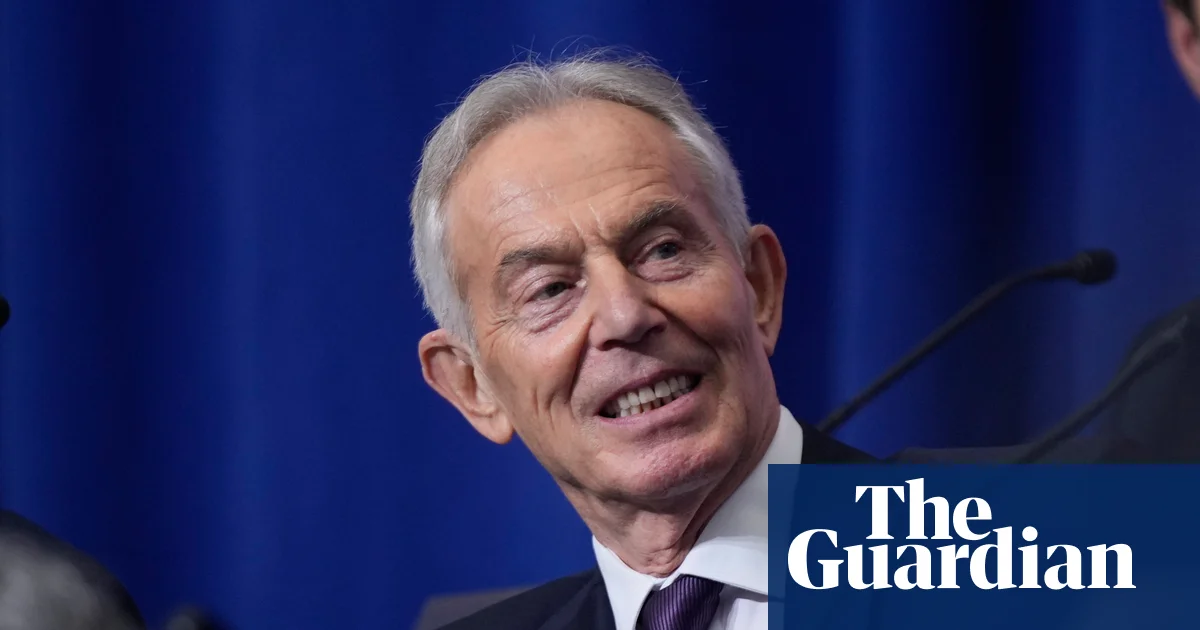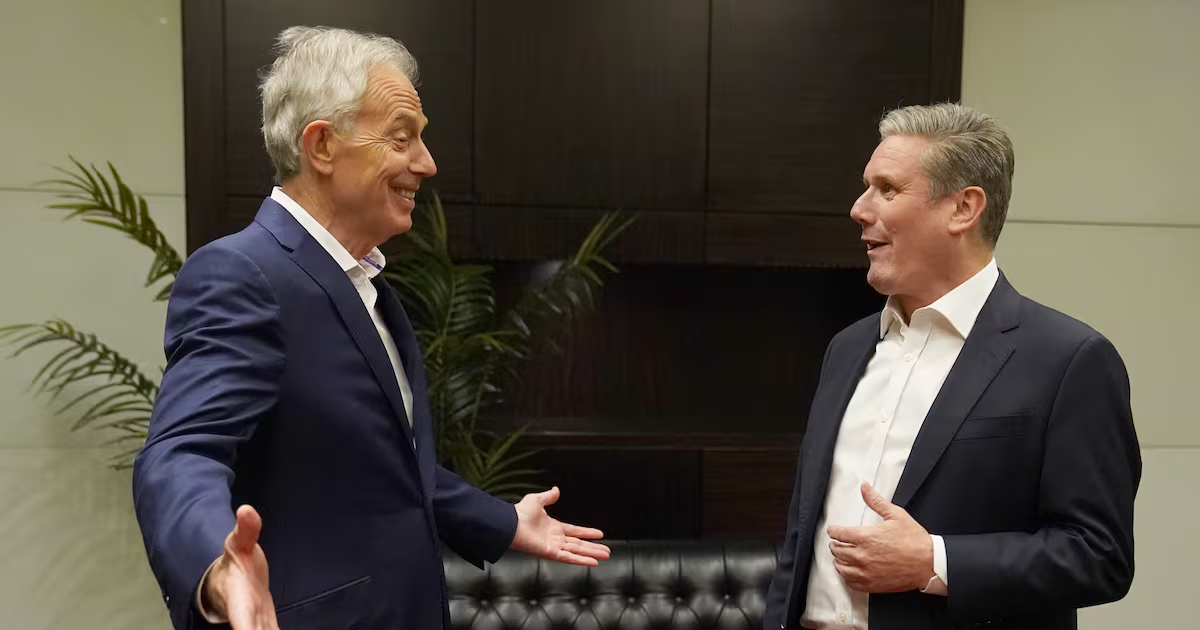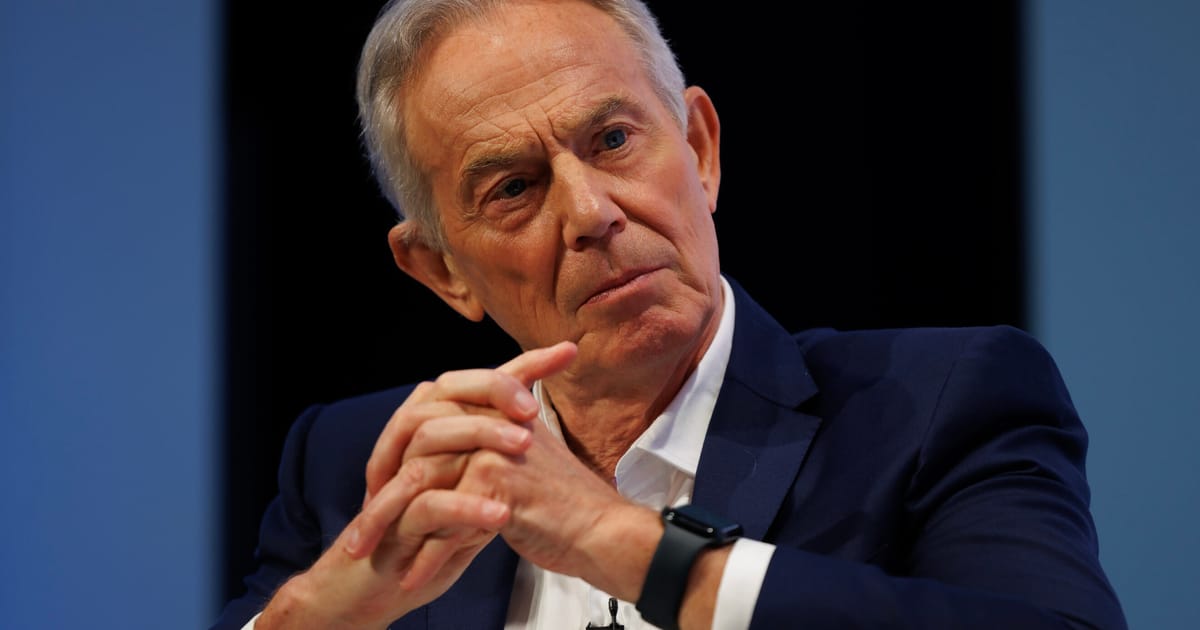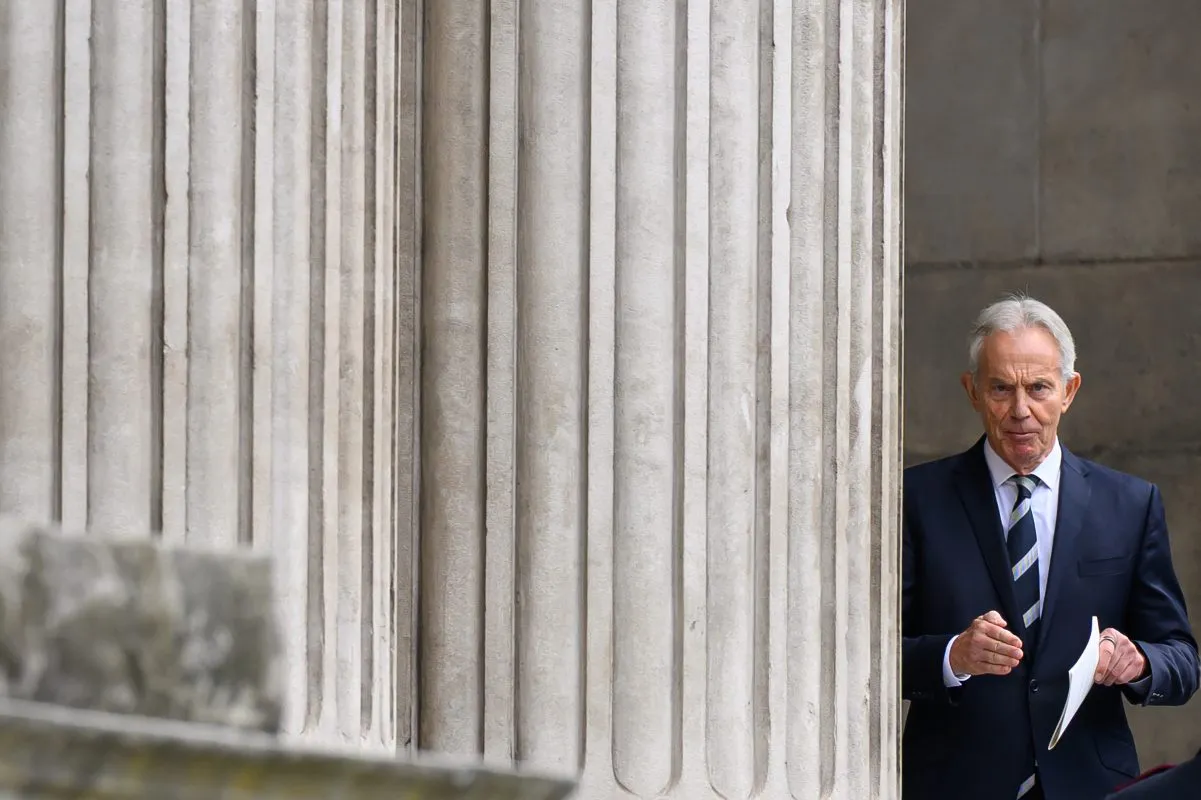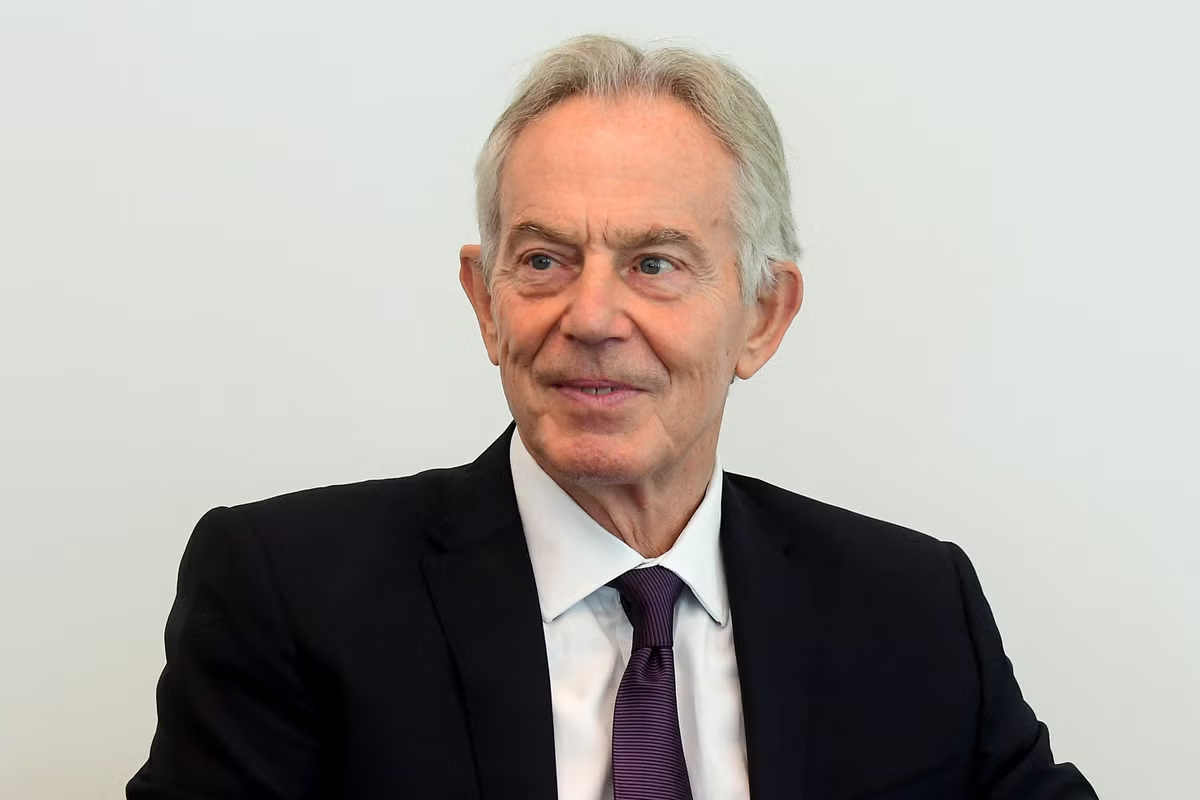
One of the reasons why Sir Tony Blair was Labour’s longest-serving and, certainly in domestic matters, most successful prime minister is that, both while preparing for power and then while in it, he possessed an obvious youthful wisdom. Now, almost two decades after he left Downing Street, and in his most dramatic intervention yet, he brings that same wise counsel, tempered by experience, to bear on his party’s current travails.As ever, he is worth listening to. His diagnosis is as sharp as it was when he was running for party leader back in 1994. Despite a hugely changed world and political context – or rather, because of it – Labour can only prosper by occupying what Sir Tony calls the “radical centre”. It is a phrase he may have picked up from a mentor of his own, who was a leader of an earlier generation of social democrats: Roy Jenkins. It means putting policy success – “delivery” – above all else. So now, Sir Tony reminds all those seeking the leadership of the party, and thus the country, of certain eternal truths about the practice of progressive politics in government, and what befalls those who neglect them: “The Labour Party is playing with fire; or, more accurately, with its future, and that of the country.” As he indicates, any discussion about the future should first be about the “what” rather than the “who”.Although no stranger to the politics of personality himself, Sir Tony is right to tell his colleagues and comrades to downplay personality and focus on the plan. Specific policy areas have figured in the proto-leadership contest now underway, such as rejoining the EU and the merits of restricting social media use by the young, but what has been missing, and for too long, is clear. In his words: “We don’t have a worked-out, coherent plan for the country in a fast-changing world, and are in the wrong political position from which to devise one and win a second term.” Even Sir Keir Starmer himself should acknowledge that his team were badly underprepared for the challenges of office. It was all about winning, with less attention given to what they could and couldn’t do when they got into power, especially on the economy. Sir Keir and Rachel Reeves plead that they were blindsided by the Tories when they inherited the books, but there were plenty of experts warning that the “Change” manifesto didn’t add up. It didn’t. Sir Keir’s predecessor isn’t shy about dissecting the problem and explaining why it has exacted such terrible electoral consequences recently: “The government is governing from an essentially traditional Labour ‘soft left’ position, parked firmly in the party’s comfort zone ... In the last Budget, it appeared as though we were increasing tax to pay for additional welfare spending, when the public already think welfare bills are too high.”He argues that, in stark contrast to the New Labour years, the Starmer administration’s policies are hampering growth and prosperity – “the new workers’ rights laws; the net zero acceleration and phasing out of the British oil and gas industry; the uplift in the minimum wage beyond inflation; and the non-dom changes” have given “headwinds, not tailwinds, to British business, despite the macroeconomic gains for which the chancellor is rightly praised”. The former leader is equally, if not more, disparaging about those who would seek to replace Sir Keir: “Trying to force the prime minister out before we know what policy direction we’re bringing in is not a serious way of conducting ourselves.” It has obviously not escaped Sir Tony’s attention that, even at this early stage of proceedings, there is confusion about what Andy Burnham or, to a lesser extent, Wes Streeting might stand for, or would actually do in office. No one at the top of Labour, in other words, is putting good policy before politics – and the paradox is that such habits have brought only electoral catastrophe. The British public don’t know, and indeed fear, how the administration will take the country through the present crises – in the cost of living, public services, immigration – or the frightening future ones, such as AI and the collapse of Nato. The conclusion Sir Tony draws is one with which many disillusioned Labour supporters will nod wearily in agreement: “Whether there is a leadership change or not is irrelevant if it doesn’t start with a policy debate.” At the moment, the position for Labour is actually far worse than that, because the question of changing the leadership is being used not just as a substitute for that essential policy debate, but as a diversion from it. It is striking how so much of the argument is framed – by Mr Burnham, Mr Streeting, and even Sir Keir, now – in terms that repudiate everything Sir Tony and New Labour achieved in their long years getting into government and winning election after election. The success of New Labour, apparently now viewed by so many in the party as a regrettable Thatcherite aberration, was premised on its synthesis of economic efficiency, social justice and progressive politics, and rooted in the “radical centre”, from where its policies were pursued regardless of ideology and in tune with the aspirations of the British people. Such alchemy is described more easily than created, especially in these straitened times, but it’s what Labour needs to get back to, whoever happens to be leader. The position is recoverable, but it will require rare wisdom to do it.
If Labour wants to get back on track, it must listen to Tony Blair
Editorial: In an extraordinary intervention, the most successful leader in the party’s history says it is only by embracing the ‘radical centre’ that either the party or the country can hope to hold off the threats coming down the tracks – Labour must focus on the ‘what’ rather than the ‘who’
916 words~4 min read