The Diplomat author Mercy Kuo regularly engages subject-matter experts, policy practitioners, and strategic thinkers across the globe for their diverse insights into U.S. Asia policy. This conversation with Dr. James R. Holmes – inaugural holder of the J.C. Wylie Chair of Maritime Strategy at the U.S. Navy War College and co-author of “Red Star Over the Pacific: China’s Rise and the Challenge to U.S. Maritime Security” (2026) – is the 510th in “The Trans-Pacific View Insight Series.”
Identify the key indicators of long-term strategic competition currently unfolding in maritime Asia.
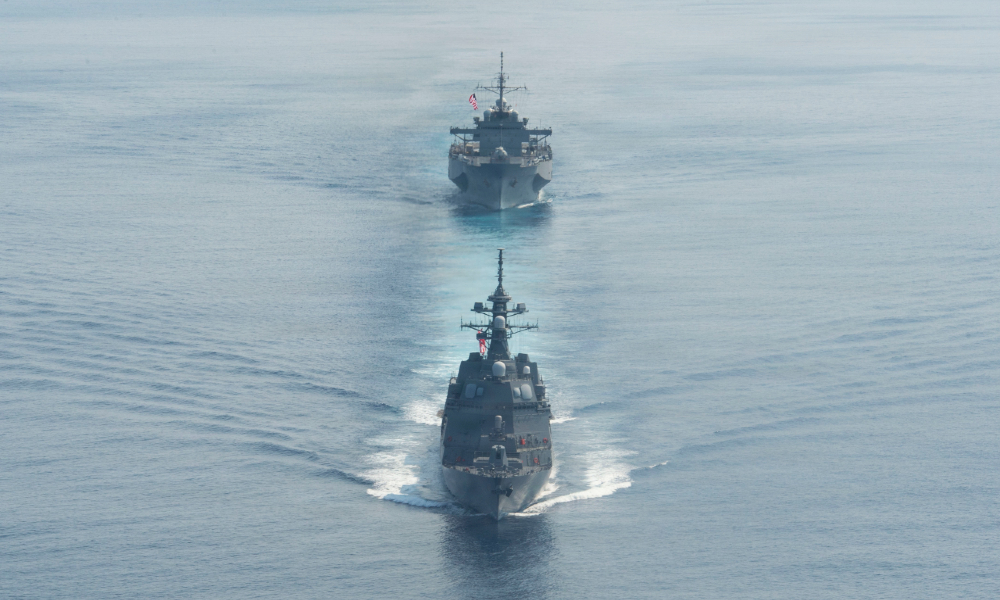
Well, you can always look at the obvious things that can be counted, like economic figures and military force structures, the latter being numbers of ships, planes, missiles, soldiers, and so forth. But as the physicist Albert Einstein noted, not everything that can be counted counts, and not everything that counts can be counted. You have to watch the intangibles. They count.
One way to gauge the state of the strategic competition in subjective terms is by examining how confident U.S. allies, partners, and friends in the region are about cooperating with the United States. If they start to lose confidence in the U.S. commitment to honoring its pledges to them, they may make common cause among themselves to counter China, they might try to fashion the most favorable arrangement possible with Beijing or otherwise look to their own devices. This is why our current leadership’s stance toward allies is worrisome: it broadcasts messages about American steadfastness in other theaters.