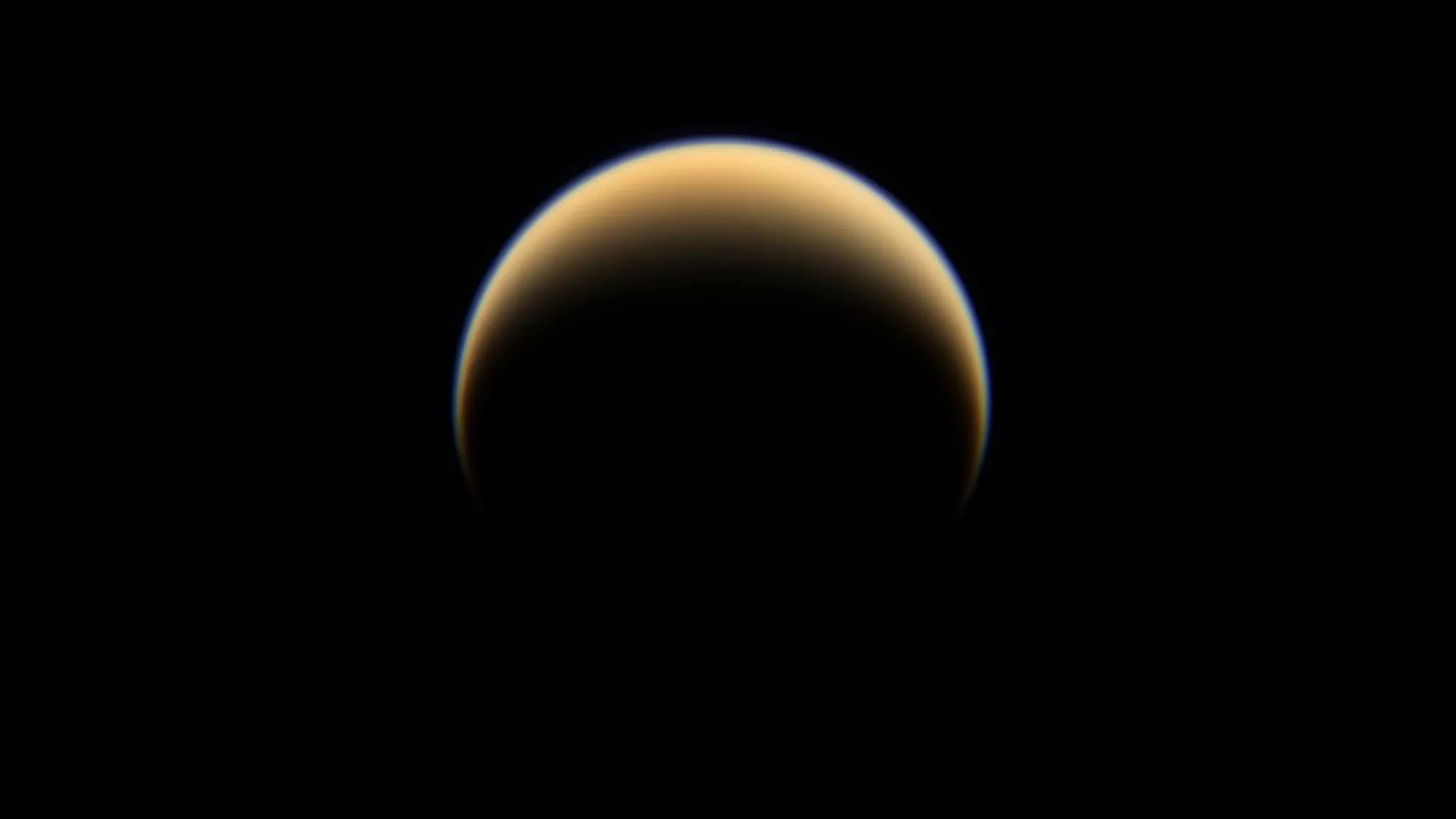
NASA's Cassini spacecraft took this image looking down on the north pole of Titan. Credit: NASA/JPL/Space Science Institute
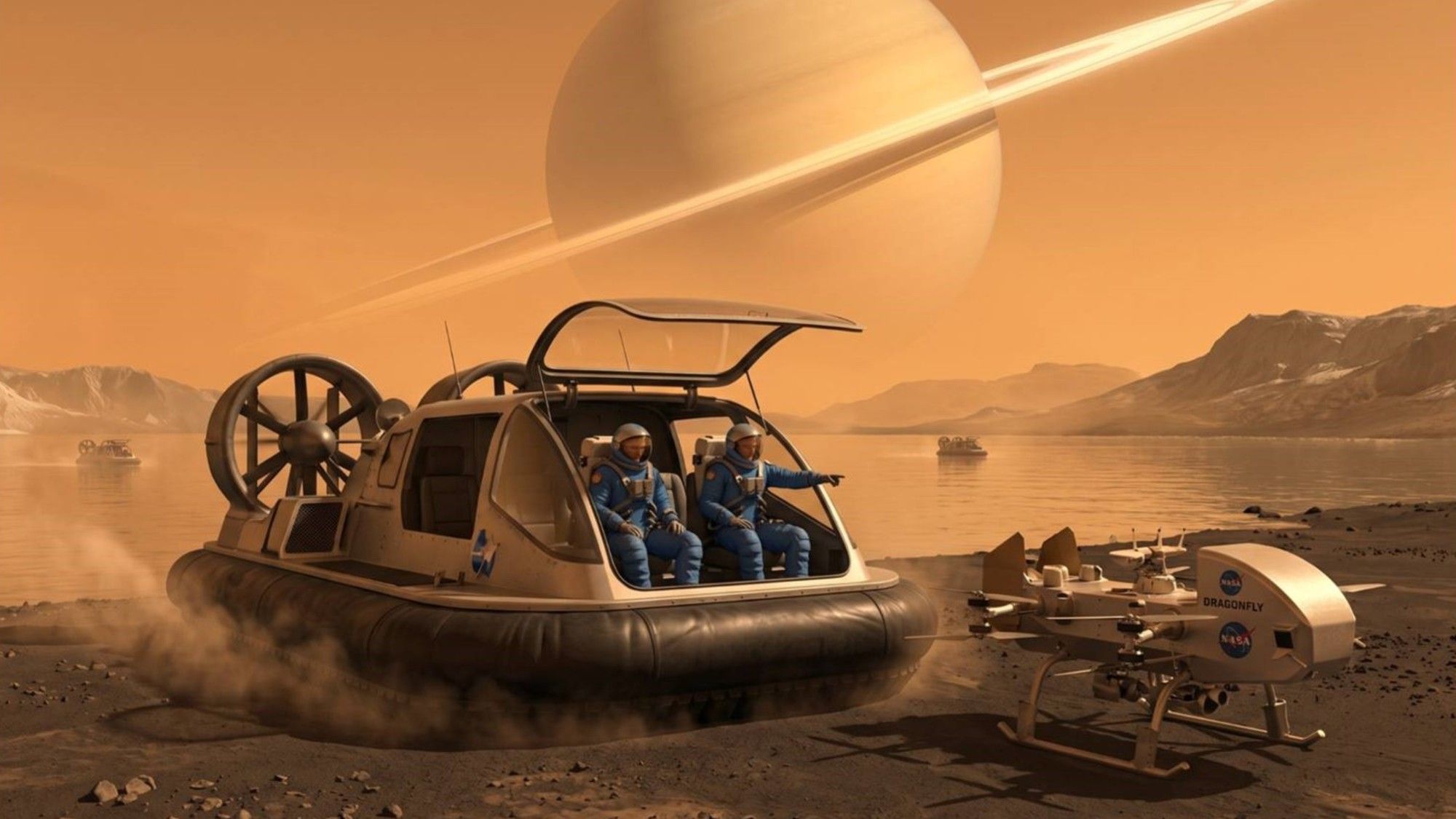
Where will humans go after Mars? Is Mars the end of the line or is it a steppingstone to somewhere else? If we “moon-to-Mars,” do we then “Mars-to-somewhere else?” These are curious questions that have received very little attention even though the answer has implications to current NASA lunar programs and planetary science mission planning. The next destination beyond Mars will require years of precursor science reconnaissance missions as well as use of the moon and Mars as analogs and proving grounds, echoing NASA’s blueprint for human exploration. There are knowledge and experience gaps that need to be filled, just as NASA is planning for going back to the moon and on to Mars. Formalizing the next destination will provide more incentives to ensure these missions are successful. So, it’s not too early to answer the question — where will we go next?
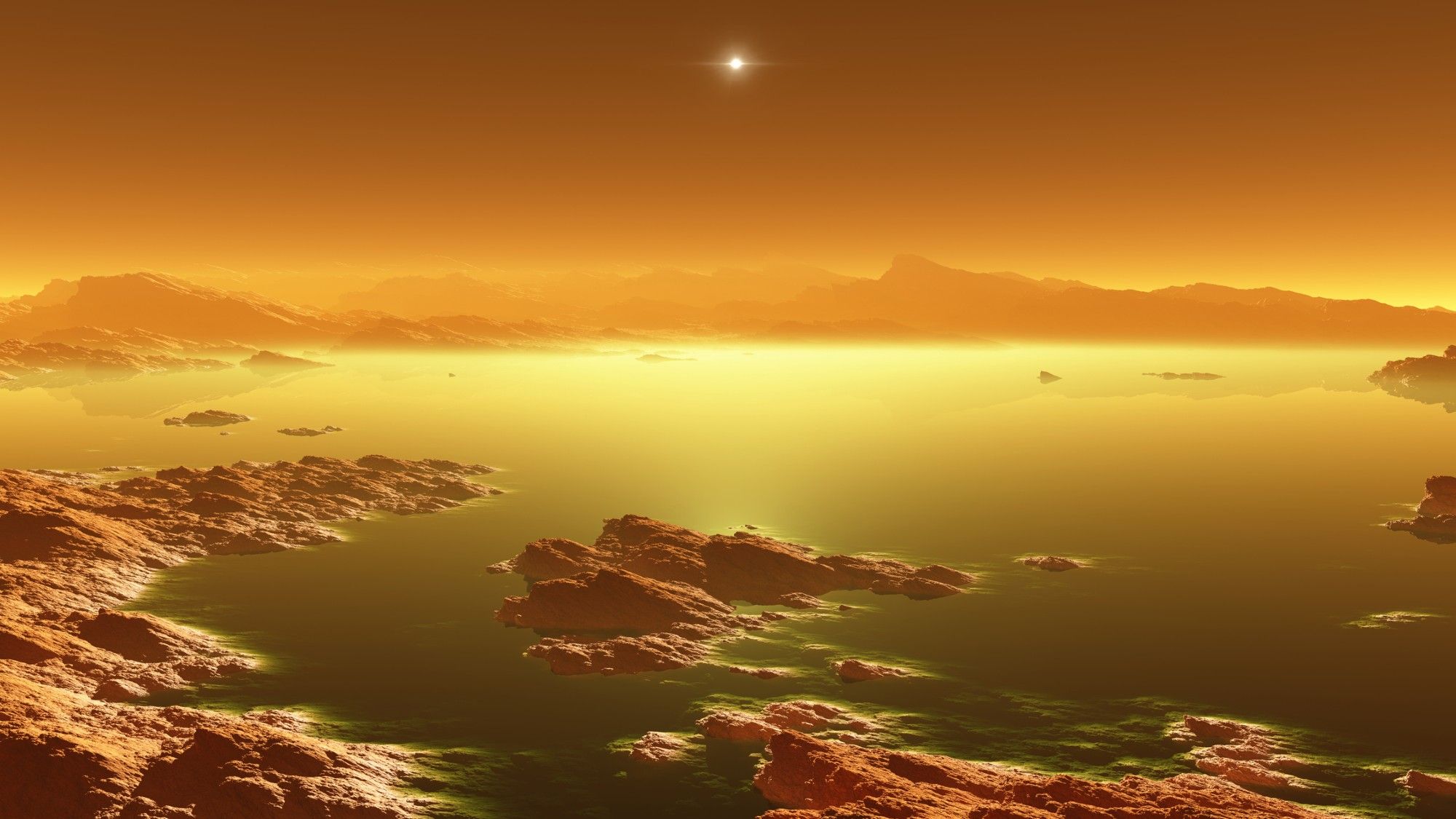
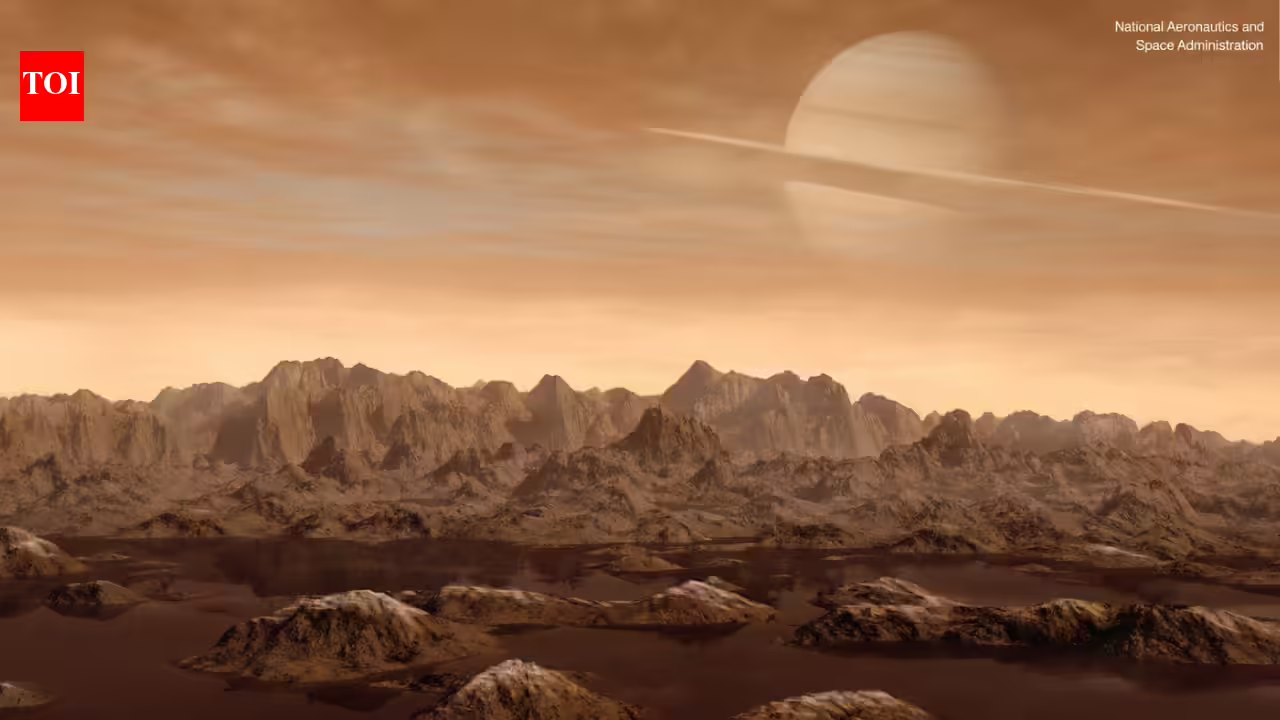
There are several options that can be considered, but only one bubbles to the top. The clouds of Venus would be a fascinating place to send humans. A buoyant airship could spend some time studying the planet’s atmosphere. While a worthwhile scientific mission for sure, its goals are limited to the high atmosphere with little study of the surface. It would not be a precursor to landing humans on Venus nor does it present a steppingstone. Jupiter’s Europa and Saturn’s Enceladus are other options. The potential extant life in these locations are tempting to chase. Unfortunately, the radiation level at the surface of these airless moons is far above acceptable limits for humans. Small asteroids are also problematic. Their gravity is so low that surface operations are barely possible. So that leaves us with one more option, Saturn’s largest moon, Titan.