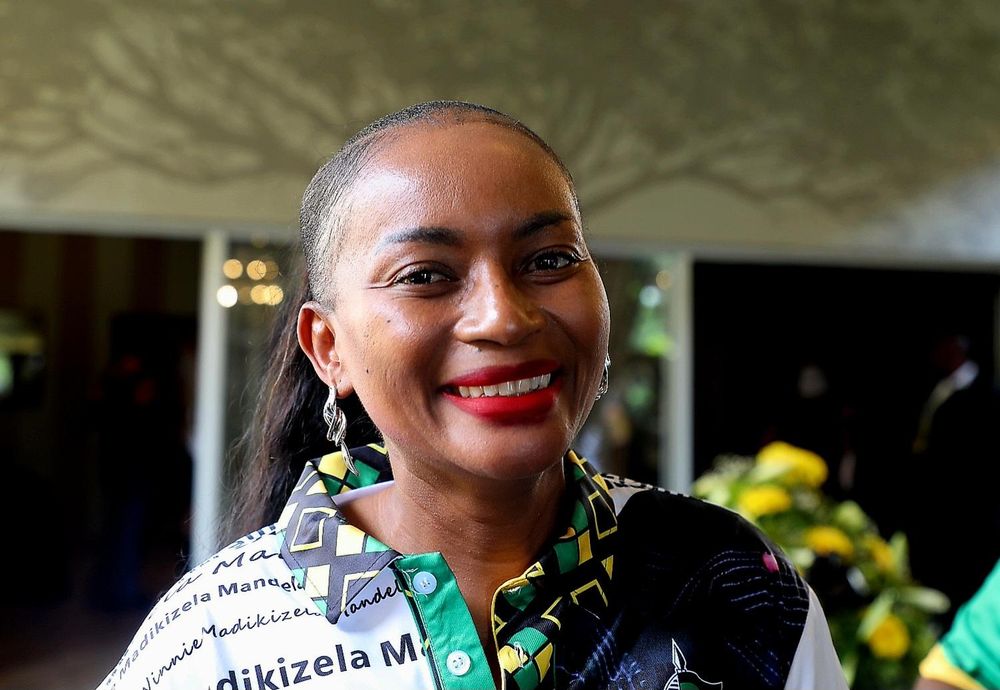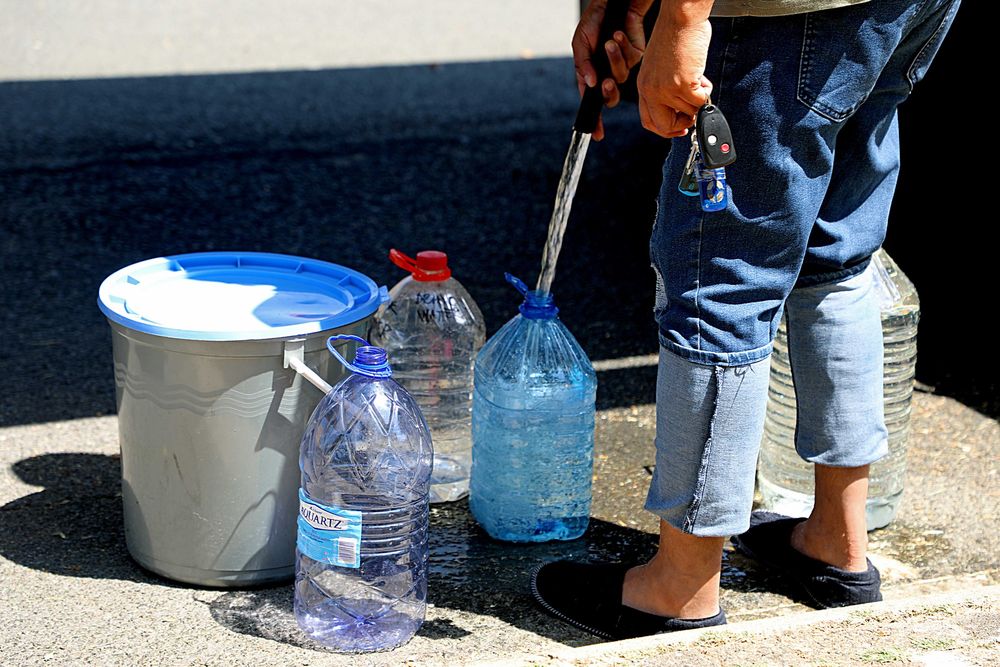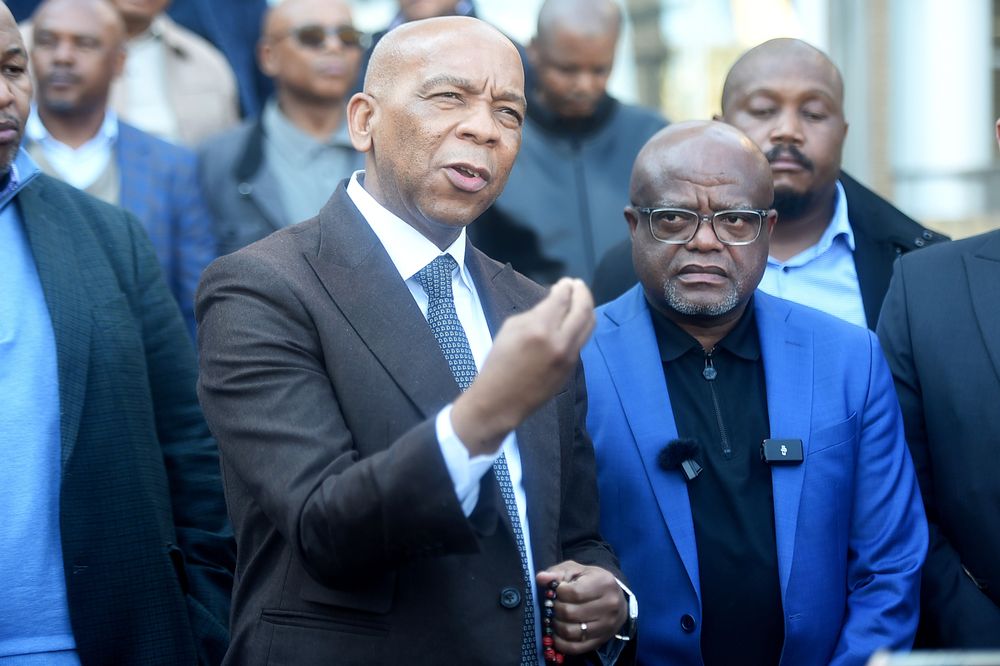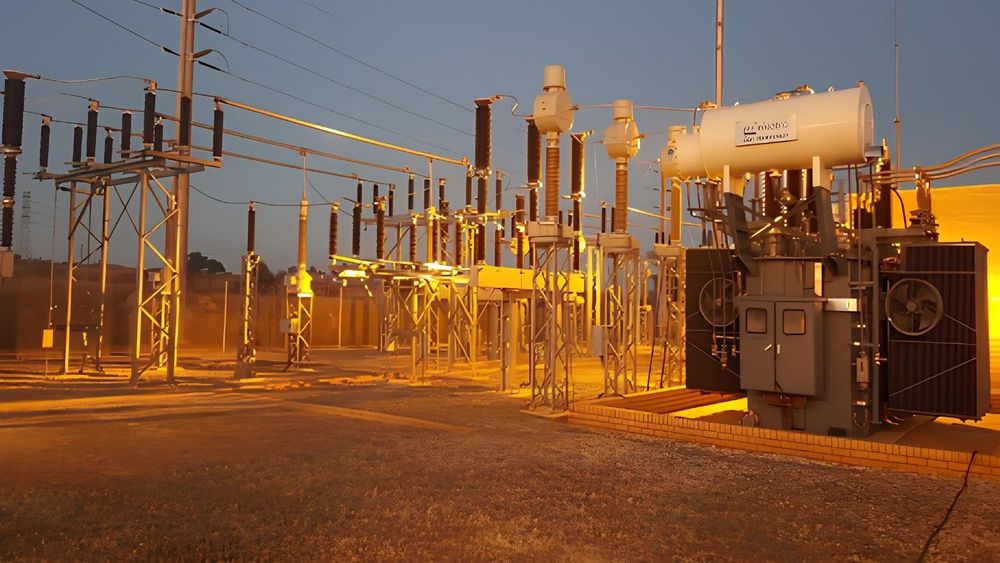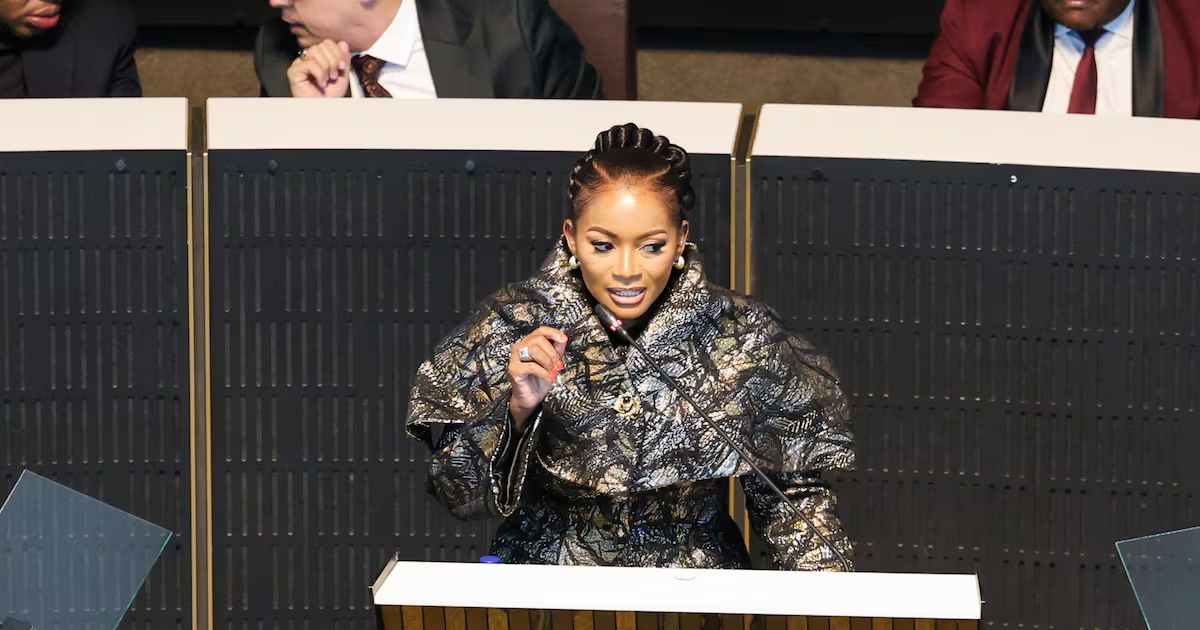
City of Joburg deputy mayor and finance MMC Loyiso Masuku has tabled a R97.1bn budget for the 2026/27 financial year, with sharp tariff increases that will see consumer earnings severely eroded.The city’s energy entity, City Power, proposed a tariff increase of 9.01%, while Joburg Water’s increases were driven by the 11% bulk purchase cost increase from Rand Water, and waste removal entity Pikitup’s tariffs will increase by 6.2%.Property rates increase by 3.6%.Masuku said the first R300,000 of residential property value remains exempt from rates. Pensioners whose gross monthly household income is lower than R13,519.00 and the property value up to R1.5m receive a 100% rebate. Every household receives the first 6 kilolitres of water free of charge, and indigent households on the expanded social package receive 15 kilolitres of free water and 50 kilowatt-hours of free electricity each month. More than 145,000 households are now registered on the expanded social package, up from 124,000 in 2015, she said. Masuku said the finances of the metro, South Africa’s economic and financial hub, were “under pressure”. The city’s revenue collection was severely constrained, negatively affecting its ability to provide basic services to its citizens.She said following benchmarking engagements with the National Treasury, the projected revenue collection rate has been adjusted from 88.6% to 86% in line with historical performance. “Every rand lost through illegal connections, meter tampering, billing weaknesses, non-payment and water losses is a rand that cannot repair Johannesburg,” Masuku said. The council’s finances are severely constricted, with poor revenue collection resulting in its failure to meet service delivery targets.In April, Global Credit Rating revised the city’s ratings outlook from stable to “rating watch negative” over the metro’s delays in finalising its annual financial statements. On Tuesday, electricity and energy minister Kgosientsho Ramokgopa said revenue collected by the City of Joburg from electricity purchases will be ring-fenced from July 1 and channelled back to Eskom in a bid to address the metro’s R5.3bn outstanding debt. Eskom issued a notice to the metro and City Power a week ago of its intention to reduce, interrupt or terminate the supply of electricity to certain bulk supply points because of the outstanding debt plus a current account of R1.6bn. Recently finance minister Enoch Godongwana threatened to withhold the Joburg metro’s R8bn equitable share instalment for July if mayor Dada Morero failed to scrap a R10.3bn wage offer the council made to city workers threatening to strike last year. Godongwana’s letter comes barely nine months after the finance minister wrote a damning letter to Morero demanding a plan to rein in the metro’s unauthorised, irregular, fruitless and wasteful expenditure. In her budget speech on Wednesday, Masuku said the metro had put in place several revenue collection strategies, including centralising query resolutions and disconnections, aimed at arresting revenue leakages and protecting the city’s financial integrity and ability to deliver critical services. She said operating revenue for 2026/27 was R90.4bn, operating expenditure (R88.3bn), projected surplus: R2.1bn (before taxation and capital grants), capital budget (R8.8bn, rising to R25.3bn over the medium term). “The diagnosis is clear. Johannesburg’s three core trading services — electricity (City Power), water and sanitation (Johannesburg Water), and waste management (Pikitup) — have been weakened by split accountability, declining revenue collection, insufficient capital investment, governance failures and institutional fatigue,” Masuku said. “Non-revenue water losses exceed 40%. Electricity distribution losses stand at 27%. The combined infrastructure renewal backlog across Johannesburg Water, City Power and Johannesburg Roads Agency exceeds R185bn.”“Without meaningful institutional reform, capital investment alone cannot achieve sustainable service delivery.” The Metro Trading Services Reform initiative was recently launched by the National Treasury as a R54bn performance-based incentive that will provide cash to fix water, electricity and waste management services on condition the country’s eight metros ringfence revenue from those services in professionally run utilities. “Alongside this budget, we are tabling a financial turnaround framework anchored around six recovery pillars,” Masuku said. “These are financial recovery, revenue enhancement, expenditure containment, creditor and liquidity reform, governance and compliance, and labour stability.” City Power was allocated R28.3bn in operating expenditure; Joburg Water R21.5bn; Pikitup R5.2bn; roads and stormwater operations R1.8bn and R570m for capital investment, supporting road resurfacing, gravel road upgrades, bridge rehabilitation, stormwater infrastructure, traffic signal repairs and township mobility infrastructure, among others. The Joburg metro police department was allocated R7.2bn for visibility, bylaw enforcement, and emergency services. Masuku allocated a social development budget of R409.8m to support women, persons with disabilities, children and vulnerable groups. “Through this budget, we commit R8.8bn in capital investment for 2026/27 financial year and R25.3bn over the medium term,” she said. “As we approach the local government elections on 4 November 2026, we must recommit ourselves to a politics of service rather than division.“Residents are less interested in political battles than in whether water flows from their taps, whether streetlights work, and whether opportunities exist for their children,” Masuku said.
Joburg metro hits residents with sharp tariff increases
Finance MMC says weak revenue collection hampers service delivery
809 words~4 min read