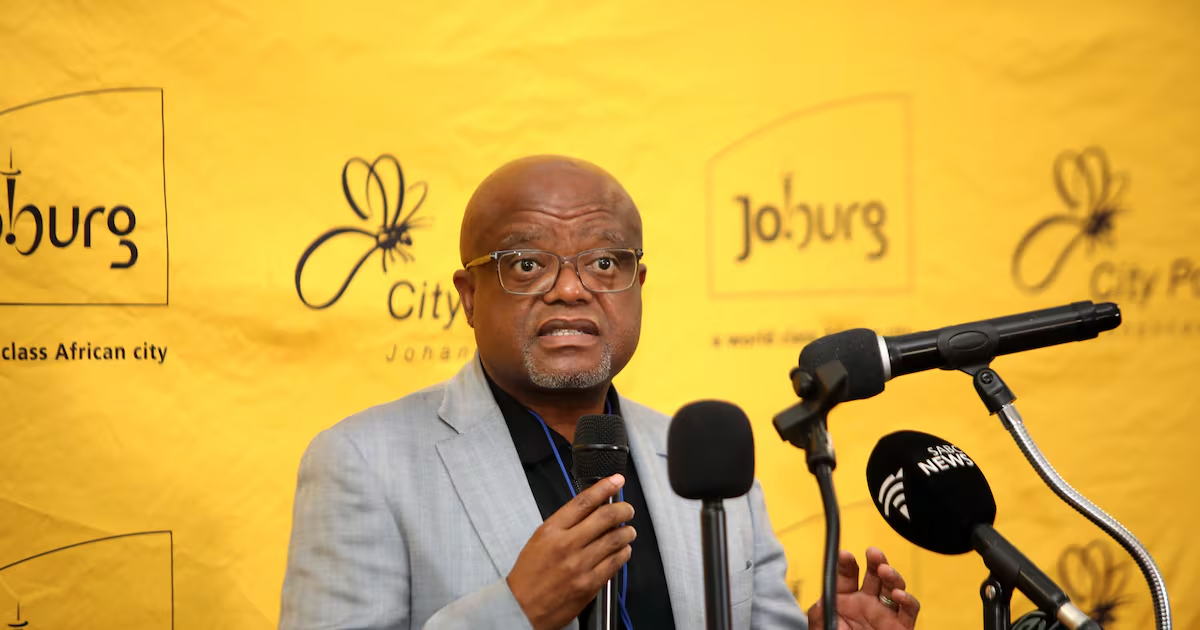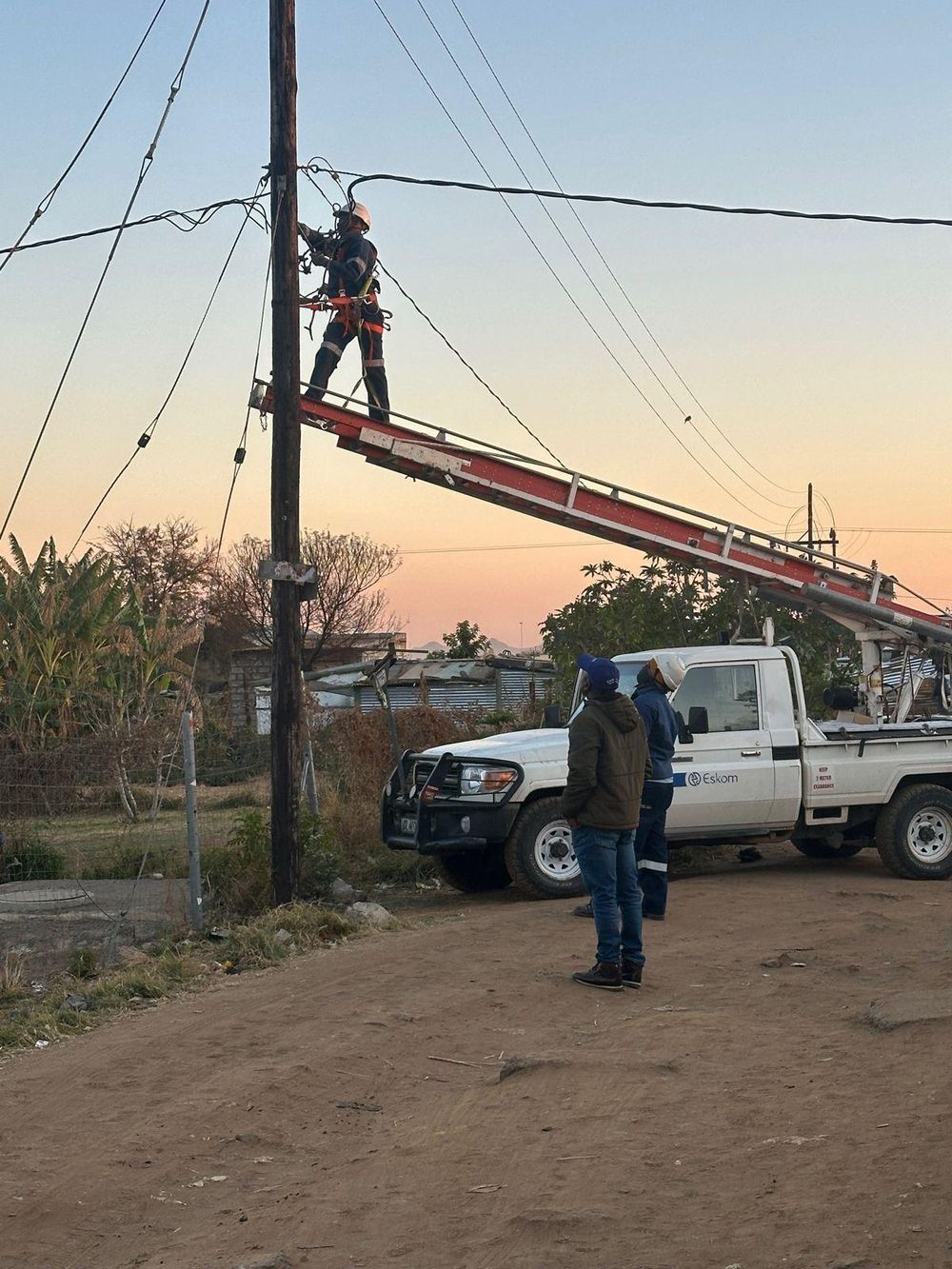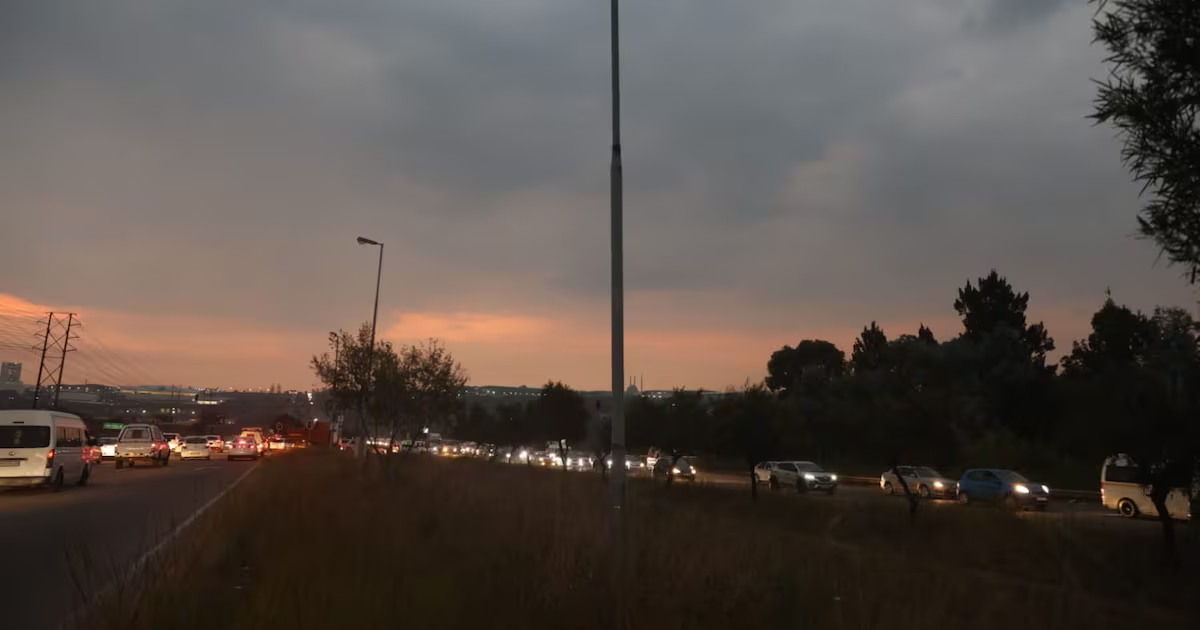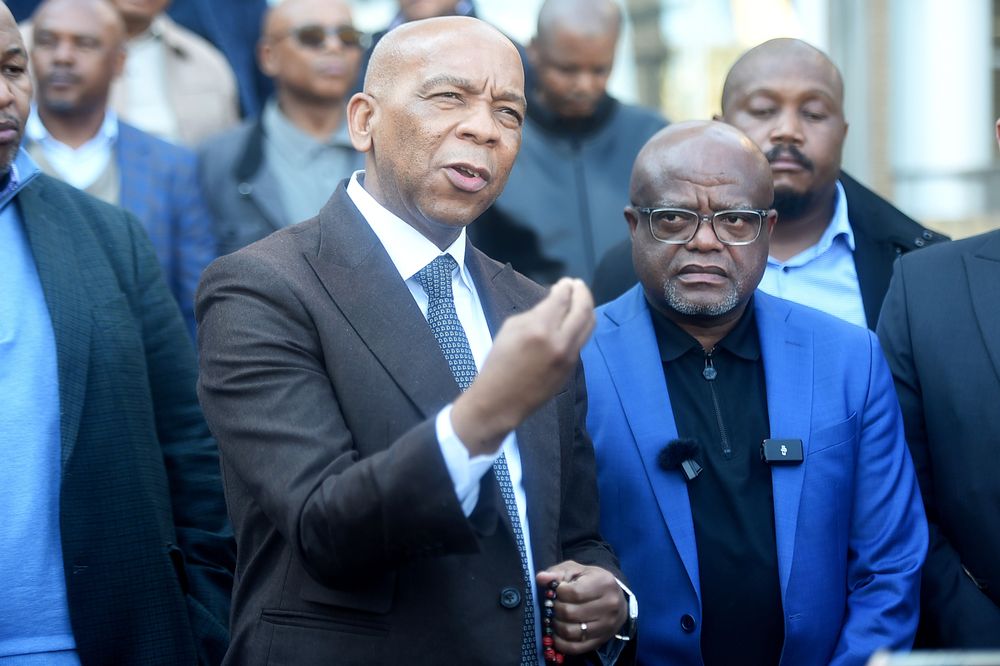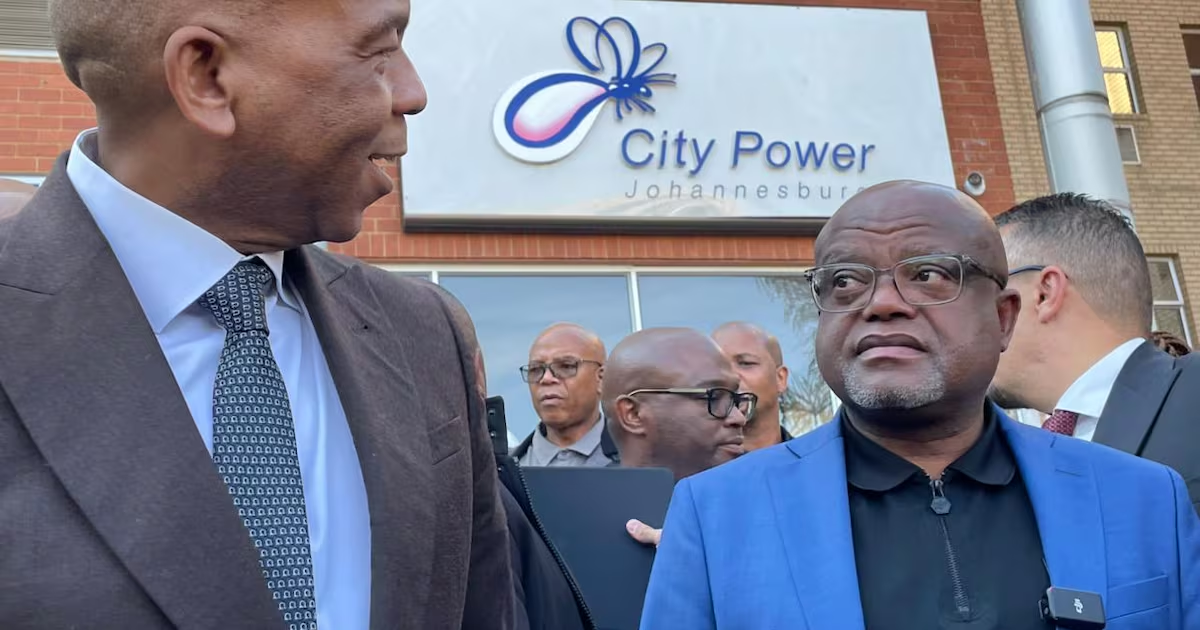
Revenue collected by the City of Joburg from electricity purchases will be ring-fenced from July 1 and channelled back to Eskom in a bid to address the metro’s R5.3bn outstanding debt, electricity & energy minister Kgosientsho Ramokgopa says.Eskom issued a notice to the metro and City Power a week ago of its intention to reduce, interrupt or terminate the supply of electricity to certain bulk supply points because of the outstanding debt plus a current account of R1.6bn. The debt is part of more than R111bn that municipalities owe the state-owned utility, which has launched several initiatives to assist local authorities to pay outstanding bills. Business Day reported in June 2025 that City Power and Eskom had reached a settlement of R3.2bn over the bill. At the time, Eskom had threatened to cut supply to the city over the R4.9bn it said it was owed. At the time, Ramokgopa intervened and the city agreed to pay R1.4bn. The deal was made an order of the court, though the metro has failed to honour its obligations. “By the beginning of July there is going to be a ring-fenced account for City Power so that there is a line of sight of that [revenue] which we collect [from electricity purchases],” Ramokgopa said at a media briefing on Tuesday alongside Johannesburg mayor Dada Morero, Eskom CEO Dan Marokane and City Power officials.“We need to keep up to date with the current account and find a way of servicing the debt. As opposed to engaging with Joburg at arm’s length, we have accepted that we need to provide some degree of expertise and technical support to City Power,” Ramokgopa said.“Johannesburg is just too big to fail; it is the powerhouse of the South African economy. It is the epicentre of the financial markets across the continent. “I don’t want to create an impression of Johannesburg exceptionalism when it comes to collection ... the exceptionalism ... is on the gravity of what will happen if Joburg [power supply] were to be interrupted. It doesn’t absolve the municipality from meeting its obligations.” Ramokgopa said the details of the partnership would be unveiled by the end of next week. Morero said technical teams will be looking at “what are our losses, where are we bleeding ... in terms of revenue collection, what needs to be done. We are confident we will be able to resolve all the issues and get City Power where it should be.” The technical teams would be working alongside city manager Floyd Brink, City Power acting COO Lufuno Bale, Marokane, Mortero added. Eskom has given the metro until July 8 to clear its arrears and debt or face disconnections. If Eskom follows up on its threat, Johannesburg residents could be in for a harsh winter, when demand generally spikes. “I’m confident we won’t get to that stage,” Ramokgopa said. Eskom’s notice comes after finance minister Enoch Godongwana wrote a stinging letter to Morero slamming his agreeing to a wage agreement of R10.3bn when the city lacked the funds and threatened to withhold the metro’s R8bn equitable share instalment for July if Morero does not scrap the deal.The city is technically insolvent, having incurred overexpenditure of about R3.9bn on employee-related costs, bulk electricity purchases, inventory consumed and operational costs. The council’s finances are further severely constricted due to poor revenue collection and the resultant failure to meet service delivery targets. In April, GCR Ratings revised the city’s ratings outlook from stable to “rating watch negative” because of the metro’s delays in finalising its annual financial statements. The city also has to contend with an infrastructure backlog of more than R200bn, adding to the water challenges facing the city. In his state of the city address last week, Morero said the Joburg metro and City Power were finalising a €200m contract with KFW, a German bank, aimed at funding energy-related projects in the city. In her weekly newslettery, Business Leadership South Africa CEO Busi Mavuso said that while Eskom hasn’t implemented load-shedding for a year now, municipal debt exceeding R130bn “poses the biggest financial risk to the power utility’s recovery”.
Joburg to ring-fence electricity revenue for R5.3bn Eskom debt
The utility will receive all the money from the metro’s electricity sales to tackle R5.3bn debt
685 words~3 min read