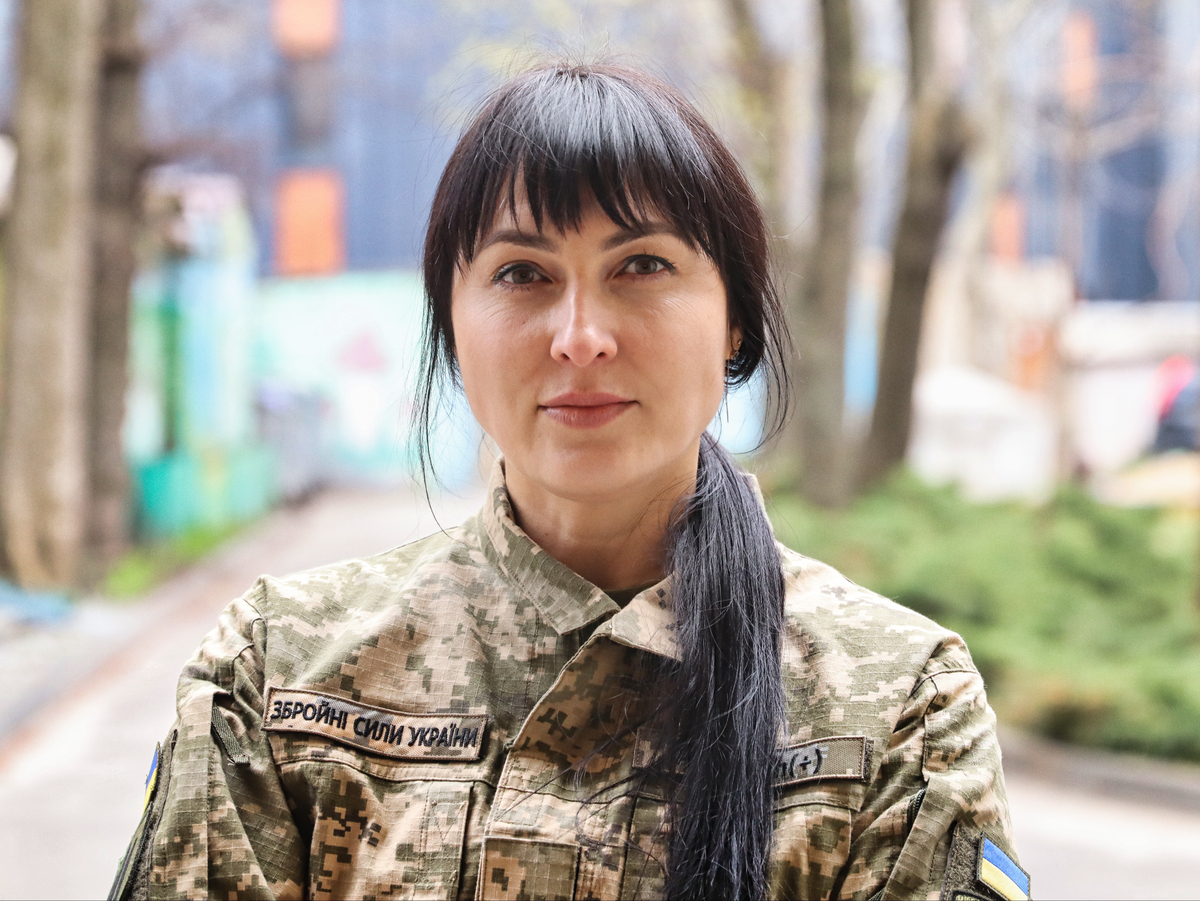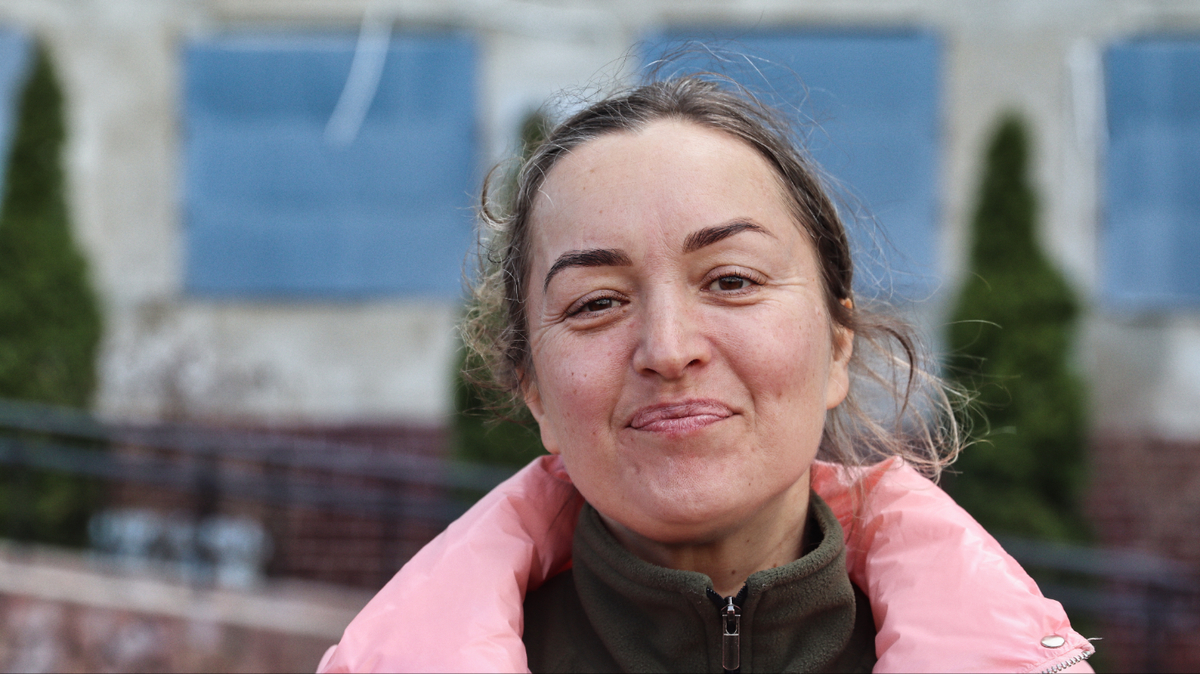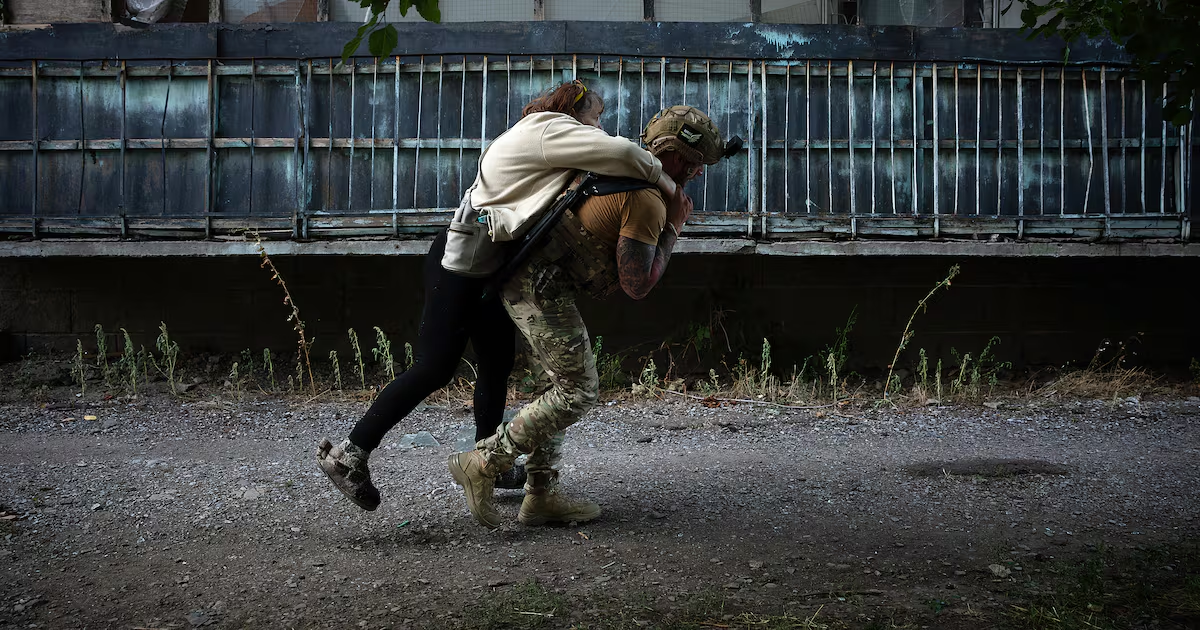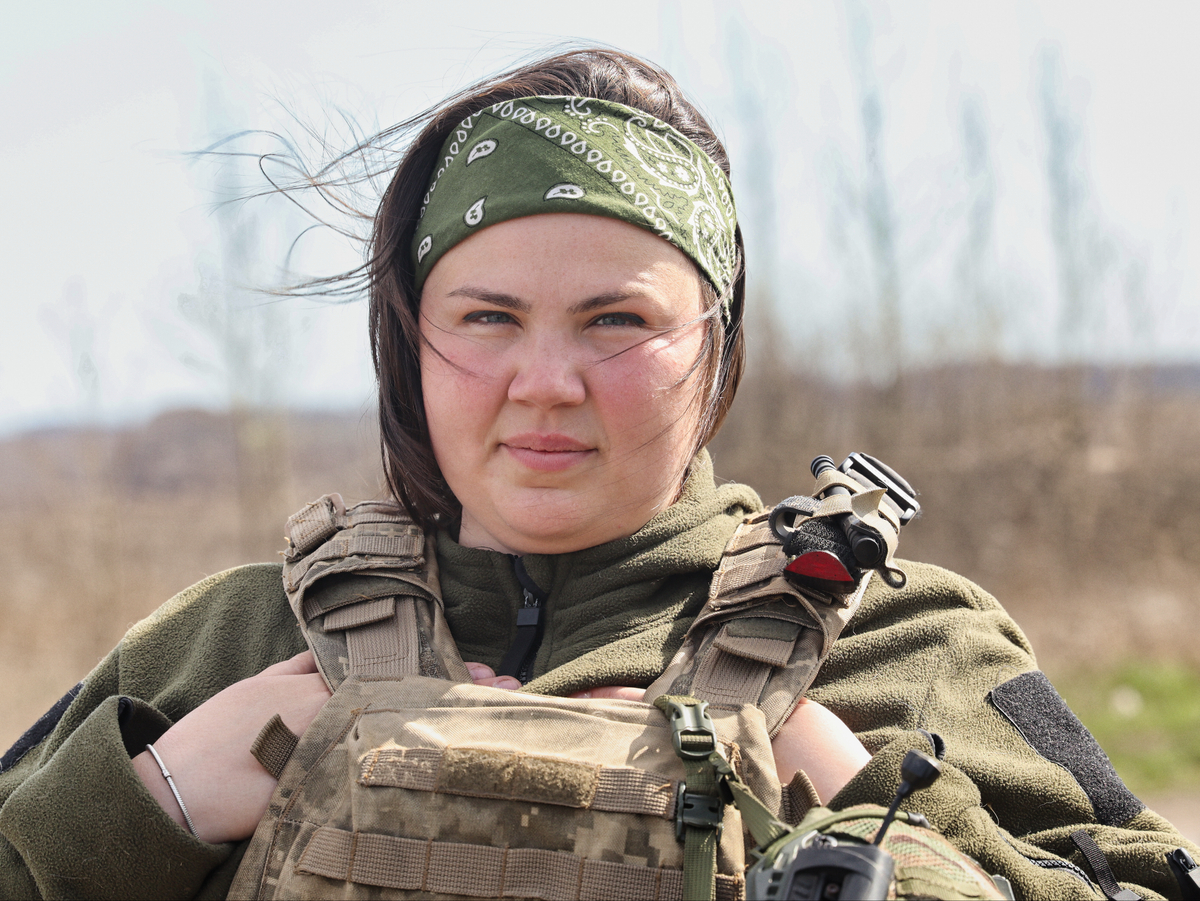
Marina once imagined a very different future for herself. After years spent studying and working toward a medical career in Poland, she expected her life to remain abroad. Instead, the war pulled her back to Ukraine.JOIN US ON TELEGRAMFollow our coverage of the war on the @Kyivpost_official. Today, under the call sign “Bandana,” the 29-year-old evacuation medic serves with the Black Cossacks near eastern Ukraine’s Kharkiv, helping wounded soldiers survive in a war increasingly shaped by drones, distance and constant uncertainty. In the east of Kharkiv, once the city limits fall behind and the ring road circling the outskirts is crossed, the transition comes almost without warning. One moment, traffic still moves through the city as usual. Then concrete blocks begin appearing along the route, followed by military checkpoints, coils of barbed wire and anti-drone nets stretching across roads leading toward the front. Here and there, new wooden poles are being driven into the ground, waiting for additional sections of netting to be attached. The wind is strong that day, sweeping across the dry spring landscape while distant detonations echo somewhere beyond the horizon. Into the gray zone It is the beginning of April in the Kharkiv region. The sky is almost cloudless – precisely the kind of weather soldiers nowadays immediately associate with danger. Good visibility means favorable conditions for drones on both the Russian and Ukrainian sides. Anti-drone netting stretches above roads east of Kharkiv, where Russian reconnaissance and FPV drones have become a constant threat, April 2026. (Photo by Korbinian Leo Kramer)
‘You No Longer Belong to Yourself Here’ – Journey of a Female Ukrainian Combat Medic
A woman who once planned her future abroad returned to Ukraine and joined the army. Today, as an evacuation medic, “Bandana” helps keep wounded soldiers alive.
2,377 words~11 min read