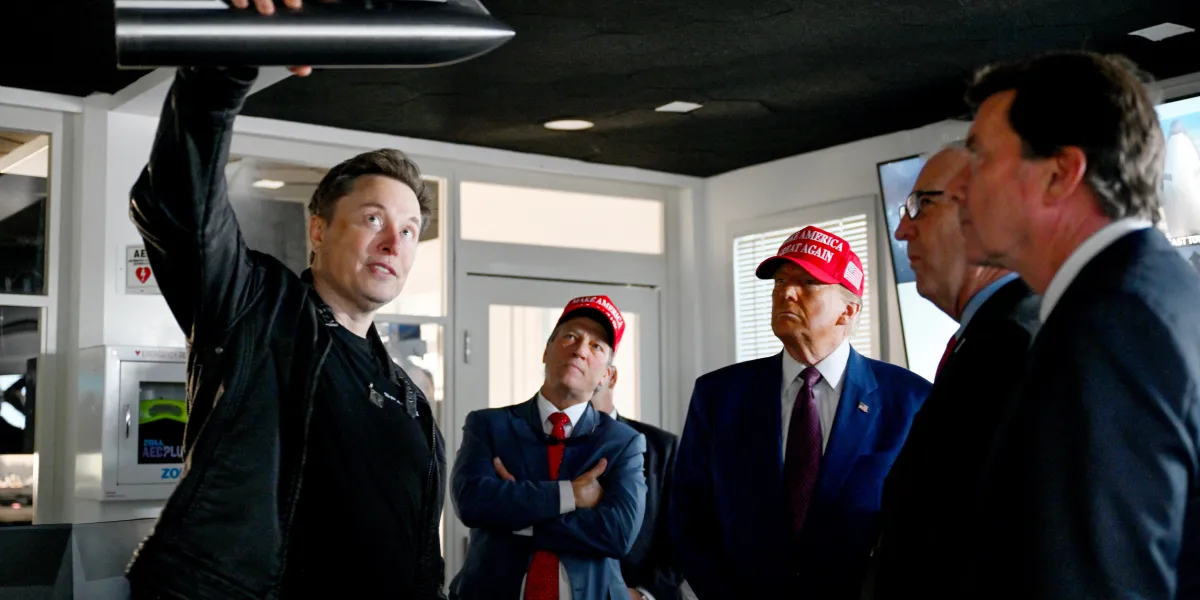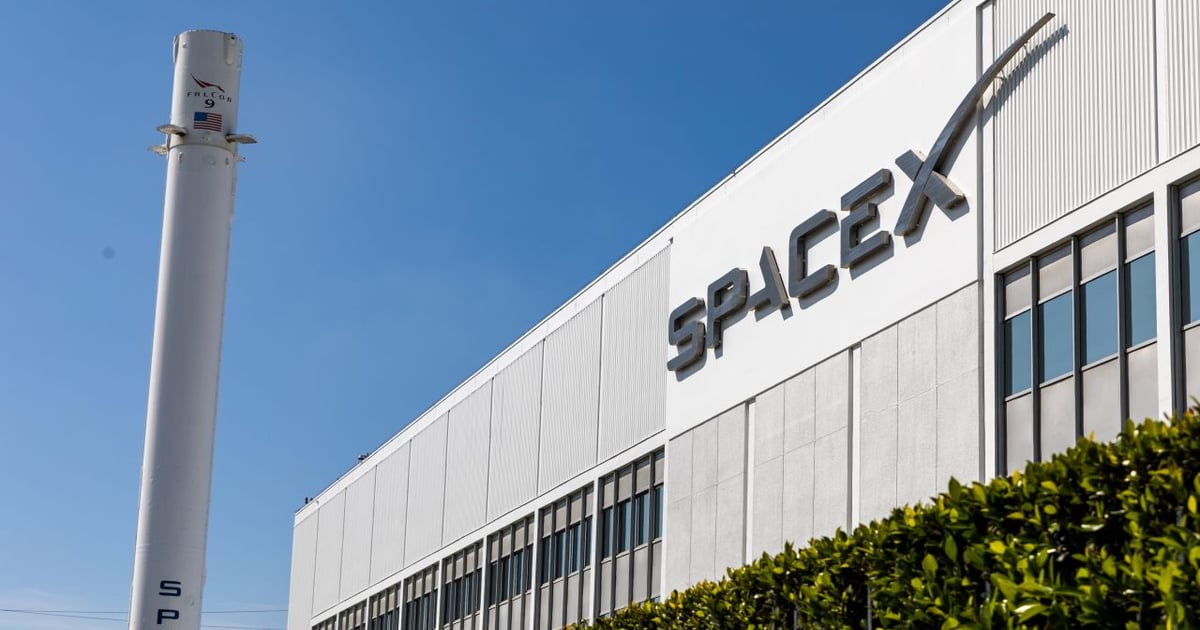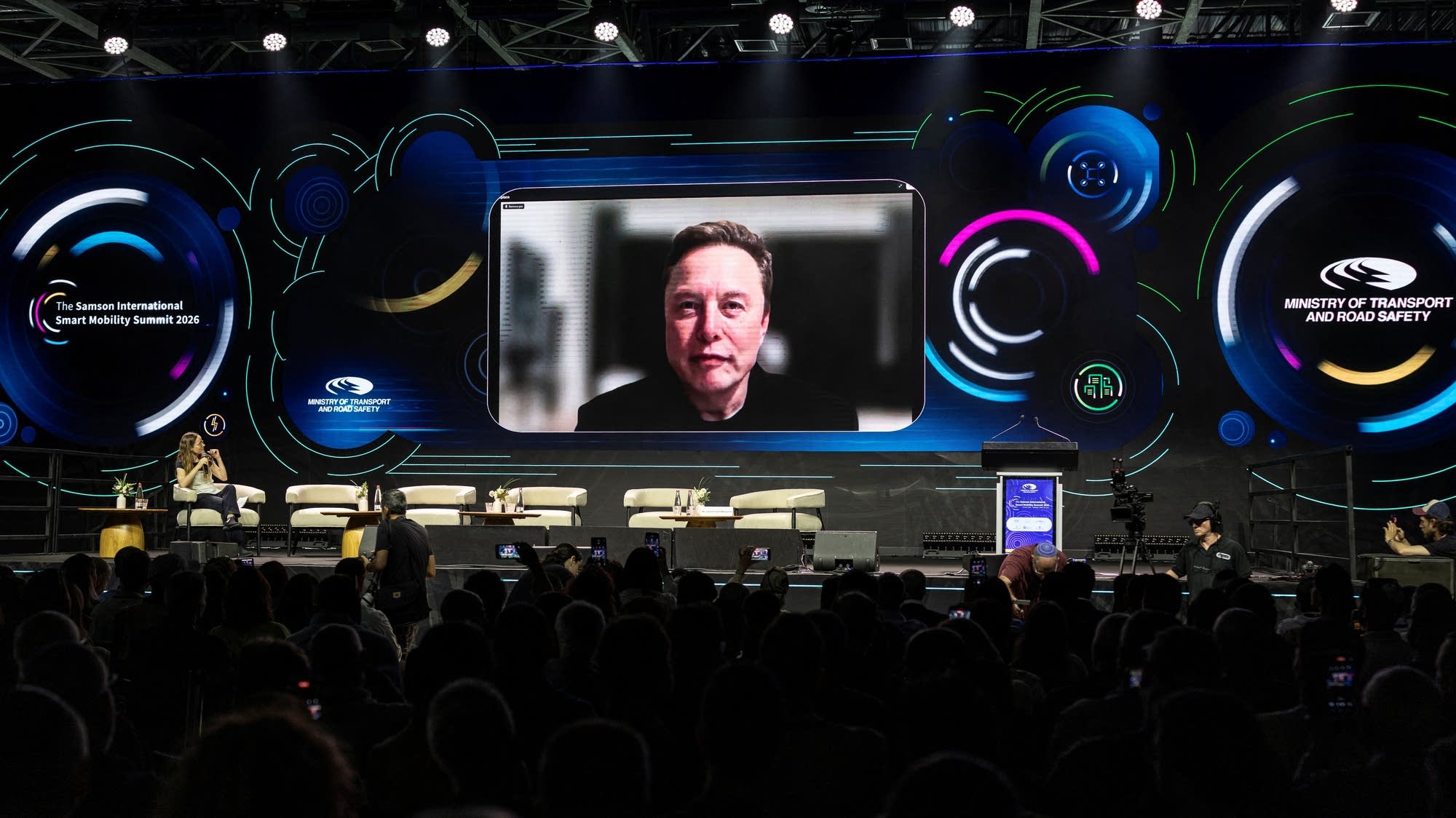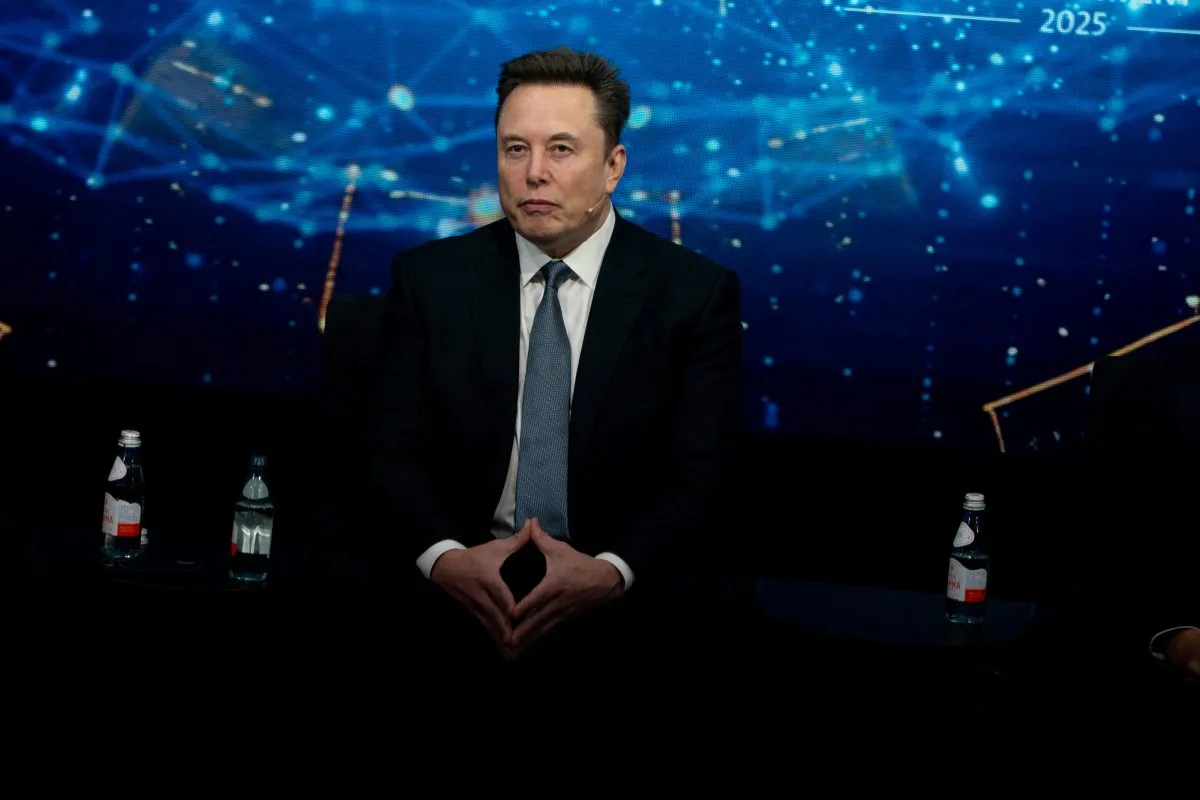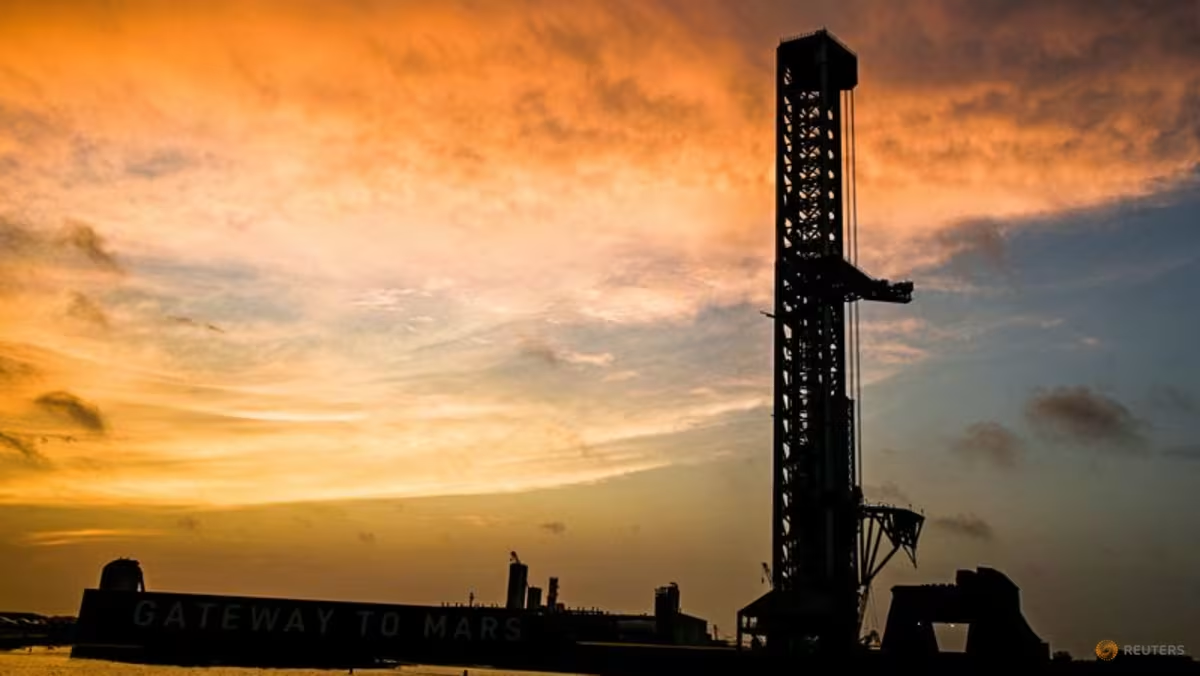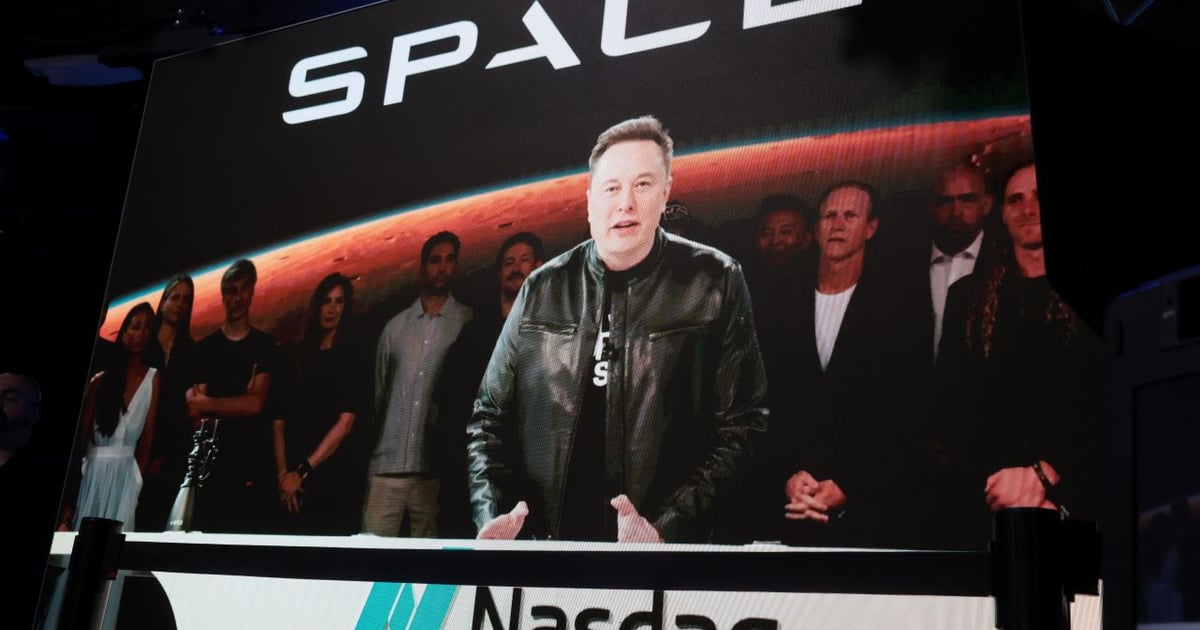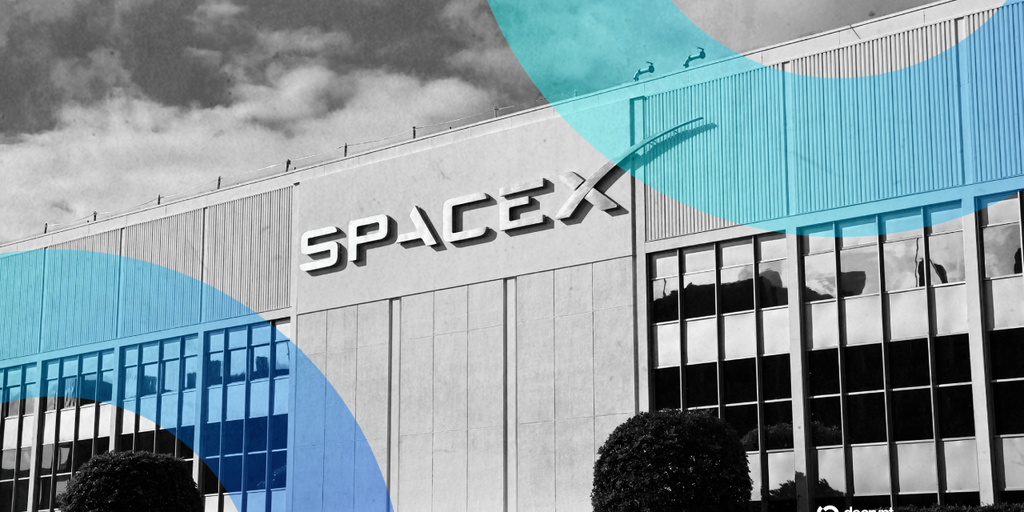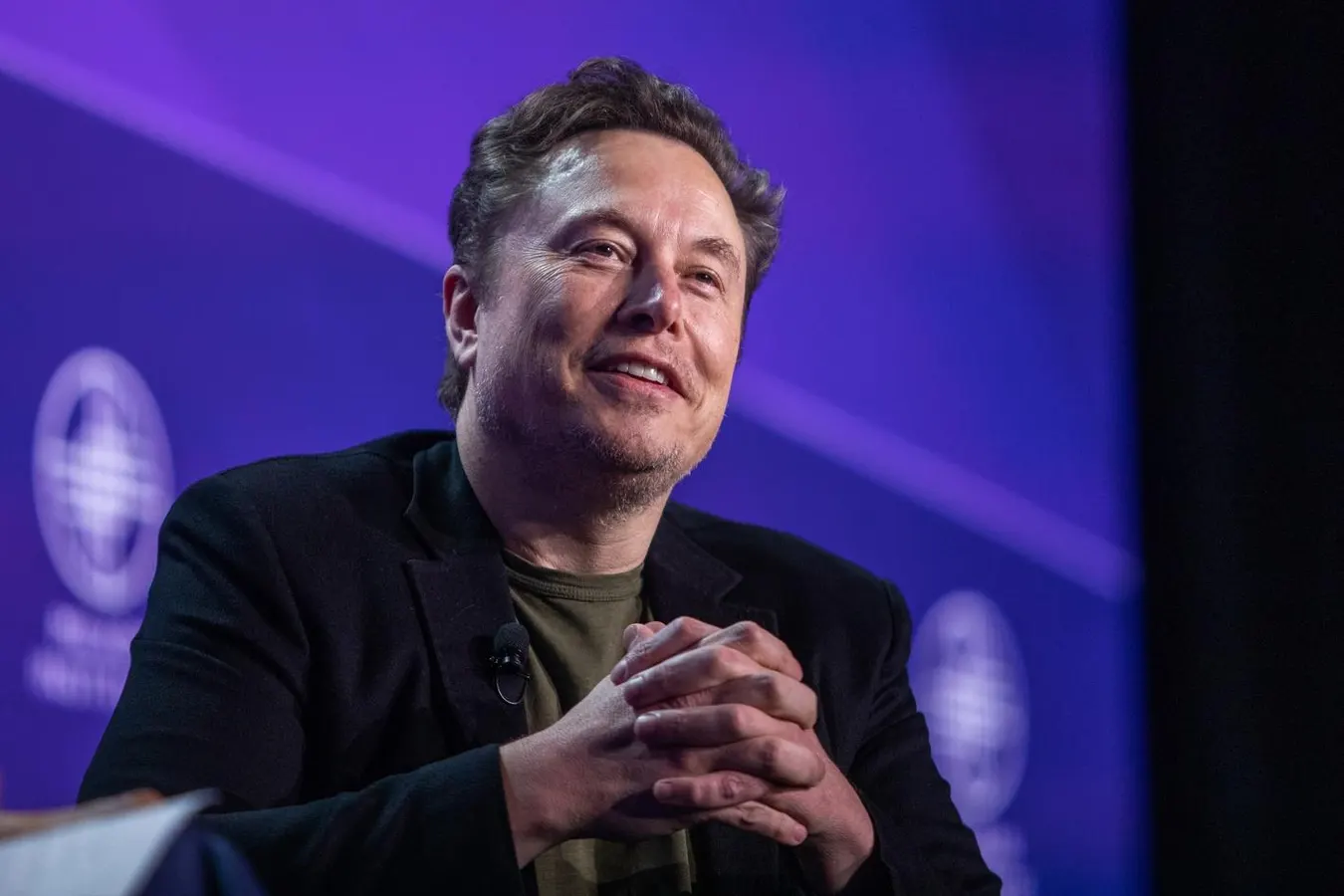
SpaceX Elon MuskGetty ImagesWelcome back to The Prompt. AI is finally starting to move from investor mania and private-market hype to public-market scrutiny. On Wednesday, SpaceX filed its long awaited S-1, revealing Elon Musk’s sprawling empire spanning the rocket and satellite company, artificial intelligence (xAI) and social media (X). In 2025, SpaceX reported $18.7 billion in revenue and $4.9 billion in losses thanks to heavy investments in AI infrastructure. The rocket maker is expected to reach a $1.75 trillion valuation at IPO. The filing also revealed Musk’s long term goals which include building non-Earth based, orbital datacenters and establishing a colony of a million people on Mars. Unsurprisingly, Musk, who is expected to become the world’s first trillionaire after the blockbuster IPO, maintains his iron grip of control over the company with 85% of voting power. The filing also revealed that a fifth of X’s 500 million users use its AI chatbot Grok which has in the past faced regulatory scrutiny for producing nonconsensual deepfakes. The company said the AI tool’s “spicy” mode poses potential reputational and legal risks including “nonconsensual or exploitative imagery” and misinformation. Other major players like OpenAI and Anthropic are barreling towards their own IPOs. Anthropic’s revenue is expected to more than double to $10.9 billion in the second quarter—marking the first time it will turn a profit, the Wall Street Journal reported. Once considered a laggard in the AI race, Anthropic’s impressive financials prove that an AI company doesn’t have to sacrifice near-term profitability for exponential growth and capital expenditure. Let’s get into the headlines.BIG PLAYSAfter facing pressure from tech billionaires like Elon Musk and Mark Zuckerberg, President Donald Trump abruptly cancelled signing a new executive order last week, the Washington Post reported. The order would have required AI companies to give the government a 90-day preview of new AI models so that they could be scanned for vulnerabilities, which industry executives warned could slow down the launch of new products and give China an edge. The tech CEOs involvement highlights their heavy influence in the Trump administration, which has largely been hands-off in its approach towards regulating the tech, though they did make an exception for cybersecurity concerns linked to Anthropic’s Mythos release. HUMANS OF AI With AI image and video production software getting better by the day, a flurry of startups have cropped up to sell to a fairly obdurate customer: Hollywood. Among them is startup Utopai Studios helmed by 25-year-old former Googler engineer Cecilia Shen, it has reached a $1 billion valuation and counts basketball star Carmelo Anthony among its customers, Forbes reported. Utopai’s promise is that by using AI models, producers can spin up long-form storytelling with smaller budgets and far fewer expenses. For instance, its upcoming feature-length film is expected to cost just $10 million and will need a crew of just 30 to 40. TALENT RESHUFFLEOpenAI cofounder Andrej Karpathy, one of the most renowned names in the AI community, announced last week that he has joined Anthropic. The high profile hire is a major win for Anthropic amid a heated race between AI labs for top-tier talent. An influential figure in the AI world, Karpathy was previously director of AI at Tesla and in 2024 started his own company called Eureka Labs to apply the technology to education. AI DEALS OF THE WEEK OpenRouter, a San Francisco-based AI startup that lets AI applications route queries to different models raised $113 million at about a $1.3 billion valuation, the New York Times reported. OpenRouter, which was featured on Forbes’ AI 50 Brink list, now processes 25 trillion tokens (the unit of data processed by AI models) every single week—a sign of increased AI usage. Also of note: Exa, which is building a search engine for AI agents, acting as their eyes and ears, raised $250 million at a $2.2 billion valuation. DEEP DIVE In the summer of 2020, former Morgan Stanley trader Adam Crawley was wandering through Indonesia, Thailand and Australia, perfecting his qigong with a man called Master YanG, when a cold message on LinkedIn jerked him back to reality.The sender was Noel Moldvai, a crypto enthusiast with a fondness for early-2000s Canadian rock and a pitch about the hottest corner of the private markets.Crawley had no intention of going back into finance, but Moldvai sold him on a market in which access was scarce and demand was feral: pre-IPO shares in the largest and hottest startups on the planet. The ones planning trillion-dollar public offerings: Anthropic, SpaceX and OpenAI. The kinds of shares almost no retail investor is supposed to be able to buy. The kind everyone wants.In February 2022, the pair founded Austin-based Augment, a firm built to locate and package those shares for sale to institutional and retail investors who couldn’t otherwise buy them. Crawley claims Augment’s assets—almost entirely pre-IPO shares in private tech companies—have ballooned from under $200 million to more than $1 billion over the last 12 months, driven largely by Anthropic’s skyrocketing value.Augment isn’t charting a new path here. People have been trading private-company paper since well before Facebook’s 2012 IPO. But the AI boom seems to be turning the side door into more of a front entrance. The reason is simple: Hot tech companies are staying private longer and VCs are pocketing much more of the value. Buying Apple at its IPO price and waiting a few decades was once a viable retirement plan. Buying a $1 trillion company at IPO and waiting for it to triple is not. The biggest gains now happen years before the prospectus is filed.Read the full story on Forbes. MODEL BEHAVIORFor nearly 80 years, mathematicians have tried to solve a remarkably difficult unit distance problem: What is the maximum number of times the same distance can occur between any given series of points on a 2D plane? Last week OpenAI said in a blog post that one of its new AI models was able to solve Paul Erdős’ planer unit distance problem by using a different way to arrange the points. This shows that AI is moving past doing basic calculations to making its own discoveries.
IPO Season Is Here And AI Is Finally Growing Up
SpaceX’s filing reveals Elon Musk’s sprawling empire that includes rockets, satellites and a growing AI infrastructure business. Other AI juggernauts like OpenAI and Anthropic also plan to go public this year.
1,020 words~5 min read