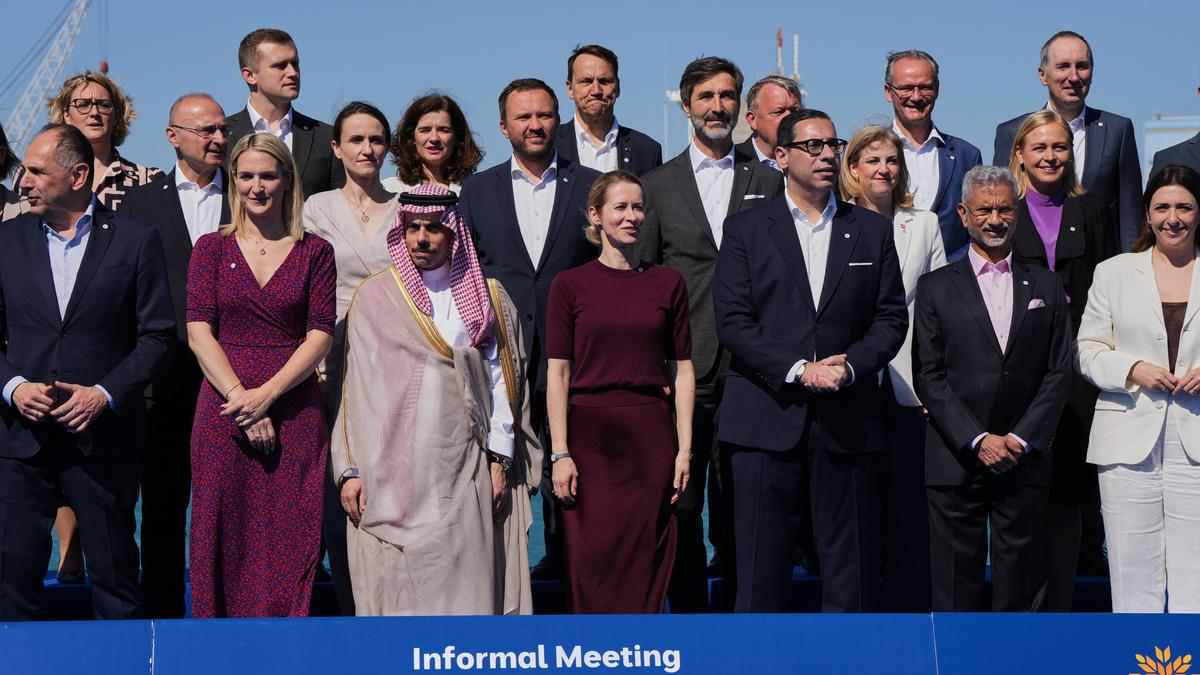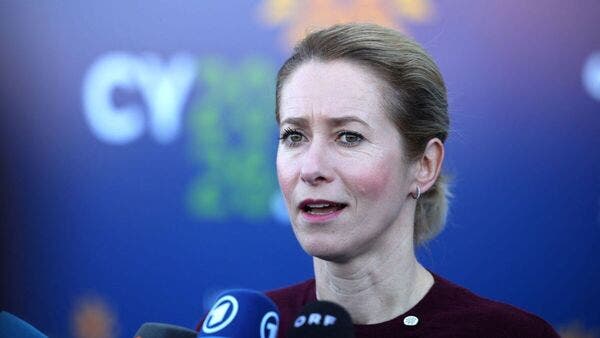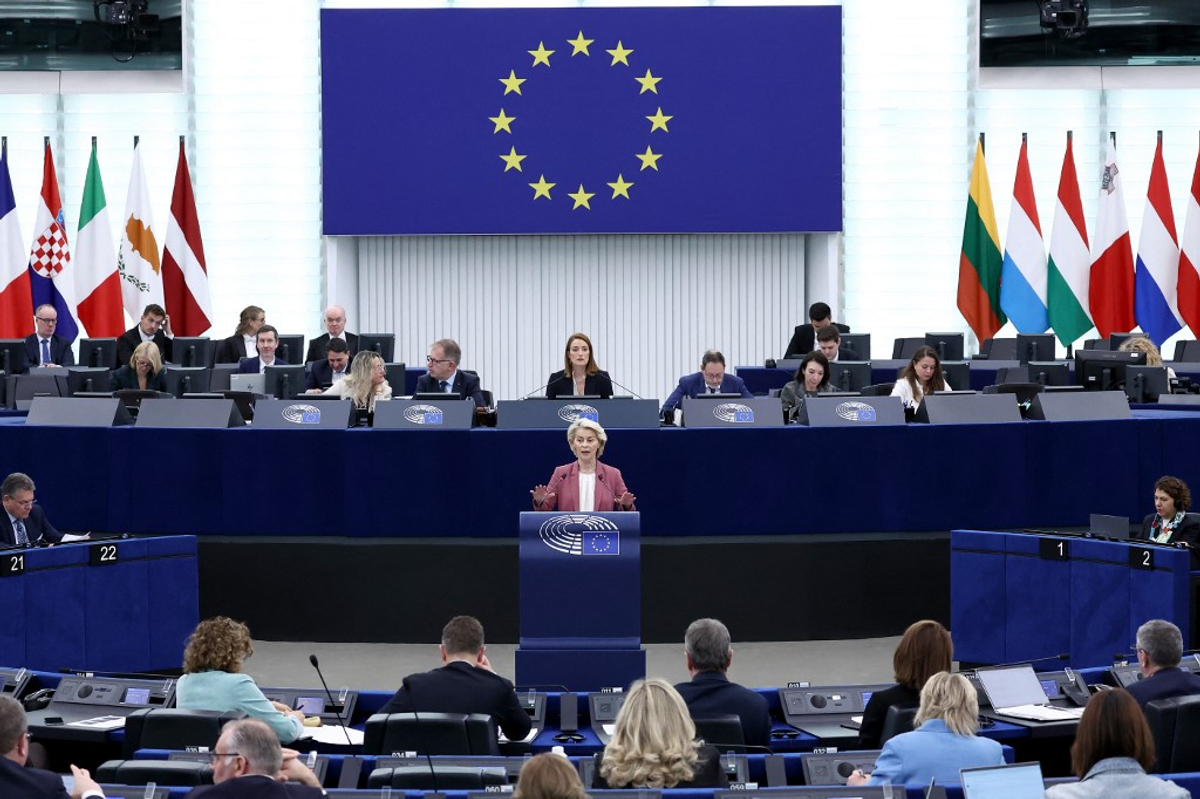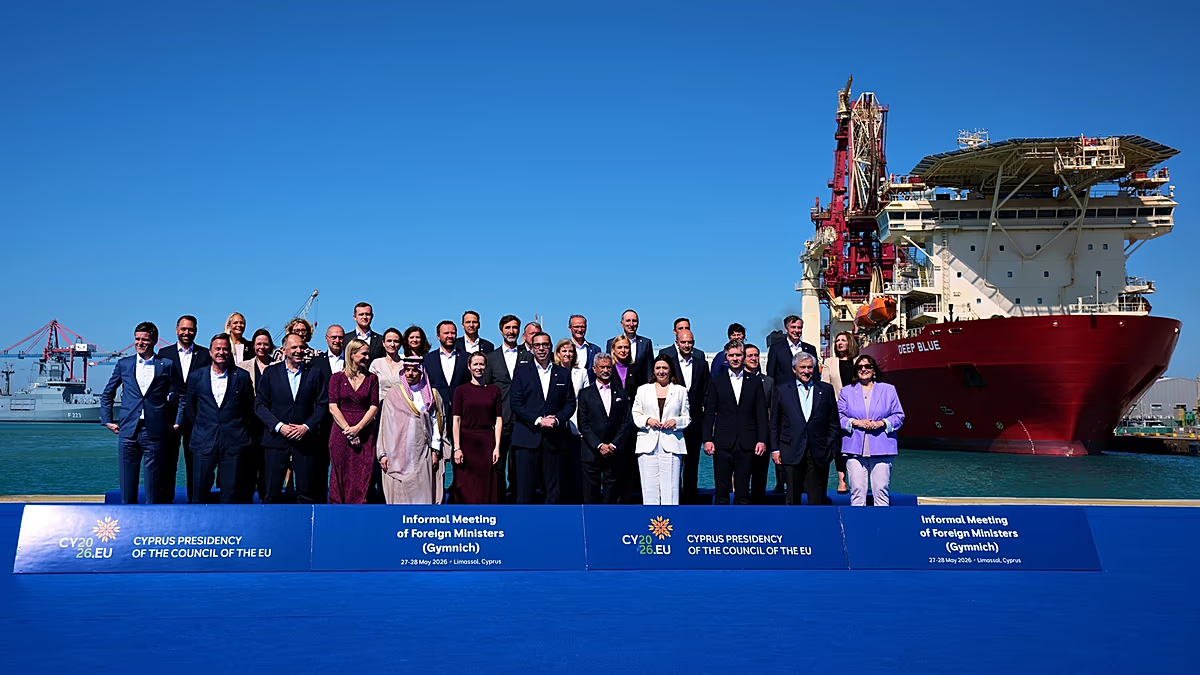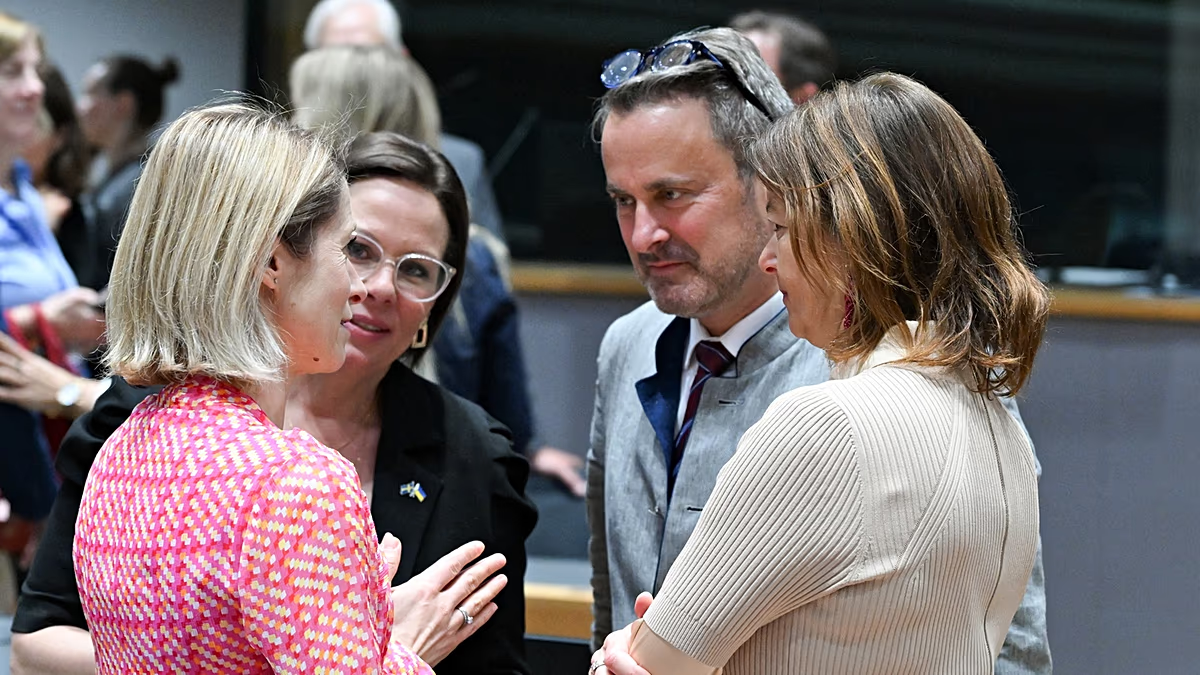
The prospect of engaging directly with Russia to end its war on Ukraine has once again faded as foreign affairs ministers of the European Union gather in Cyprus amid Moscow’s explicit threats to hit diplomatic missions in Kyiv.
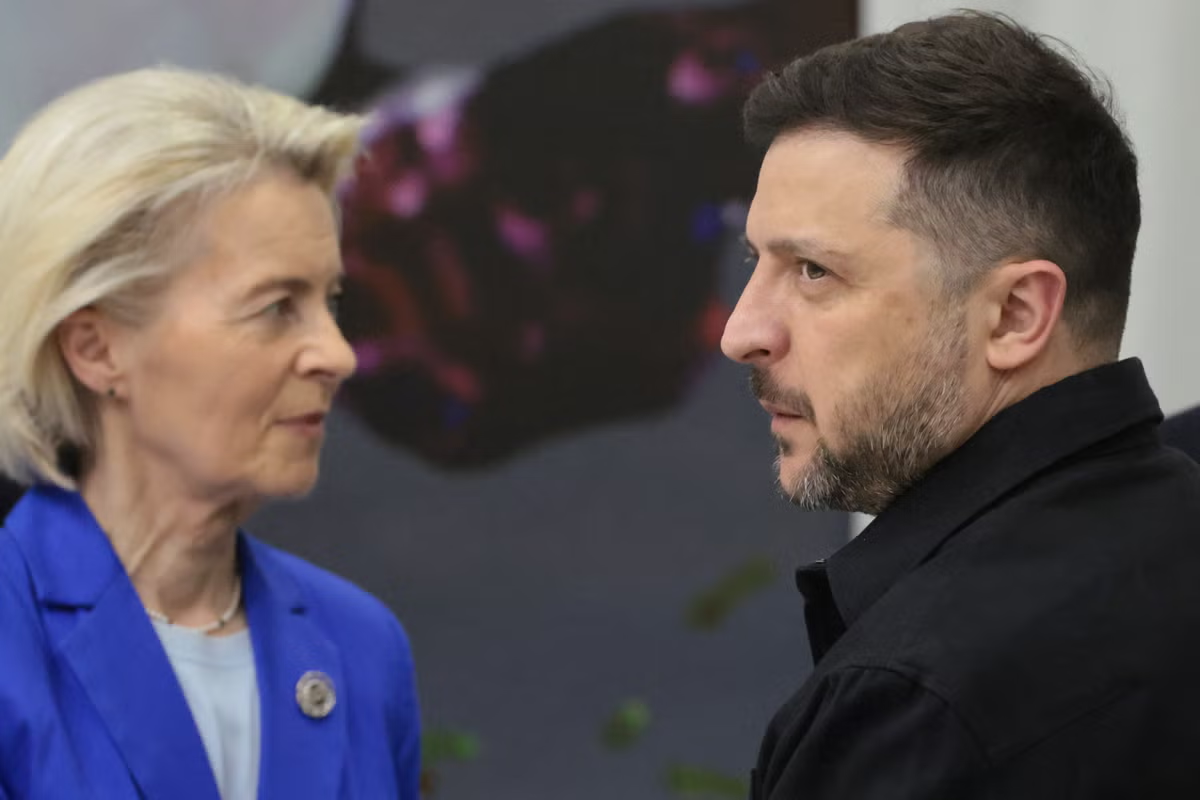
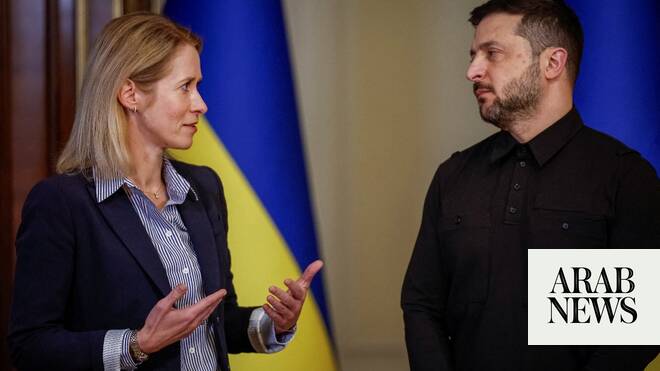
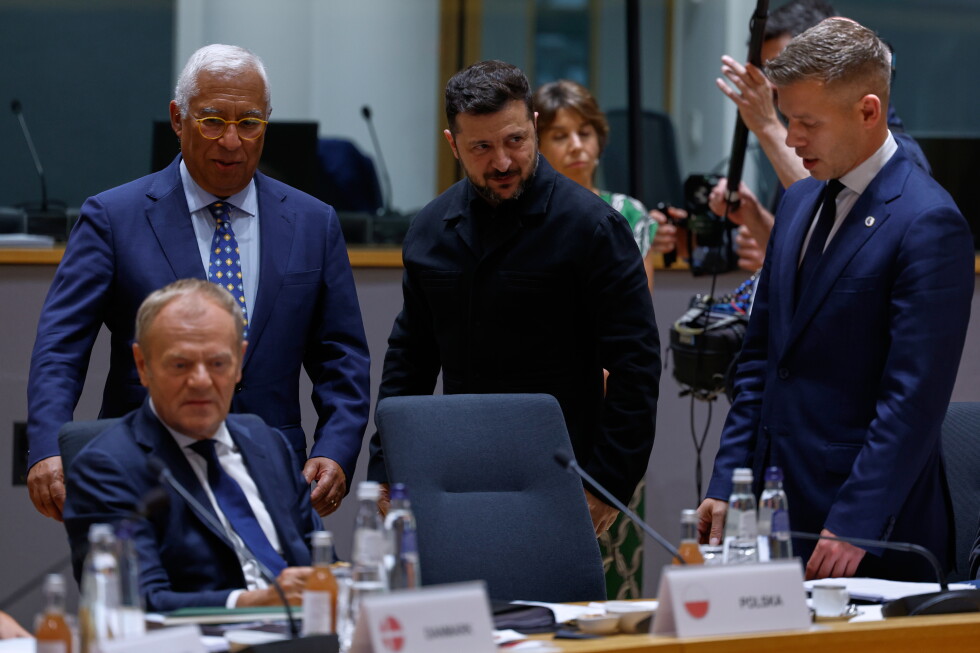
The idea of direct talks, which has been on and off the political agenda since January, gained momentum earlier this month after Ukrainian President Volodymyr Zelenskyy, frustrated by the White House's heavy focus on the Middle East, asked Europeans to speak with "one common voice" and appoint a designated envoy.
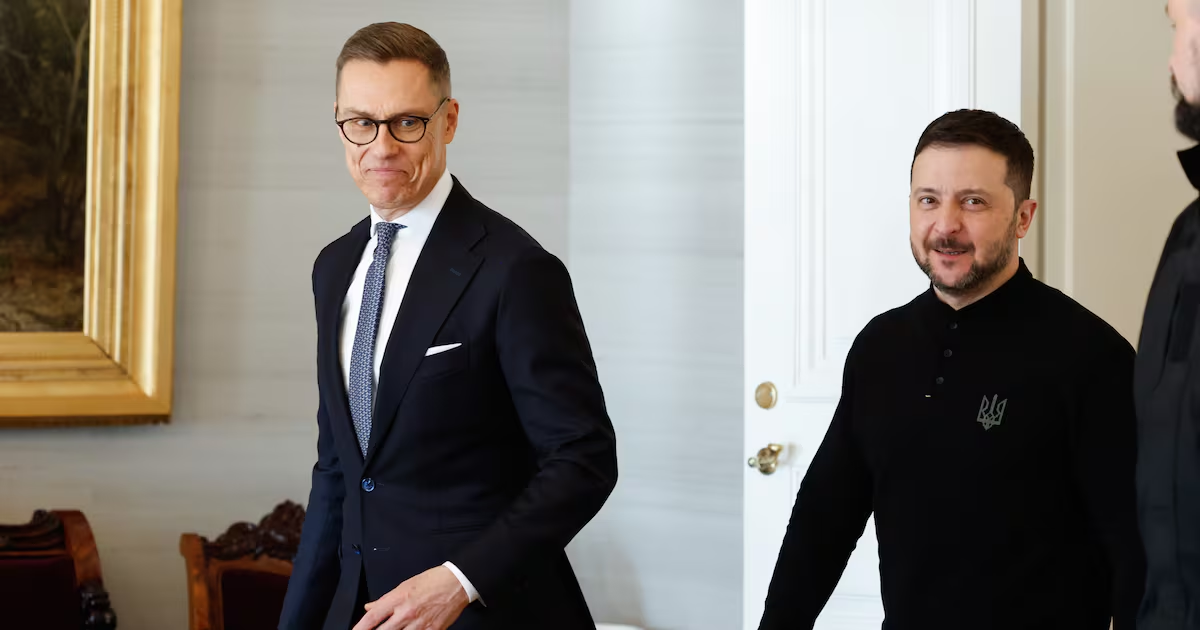
The plea led to various names, such as Finnish President Alexander Stubb, European Council President António Costa, former Italian Prime Minister Mario Draghi and former German Chancellor Angela Merkel, being floated for the high-risk job.
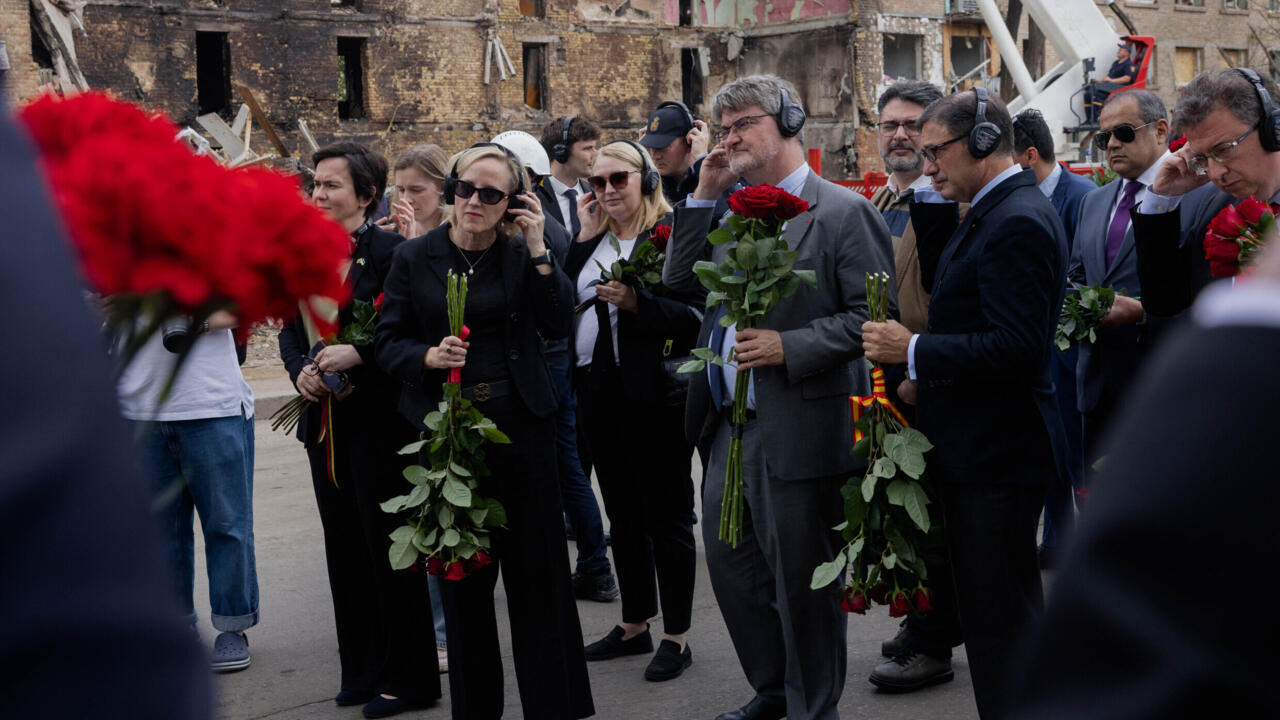
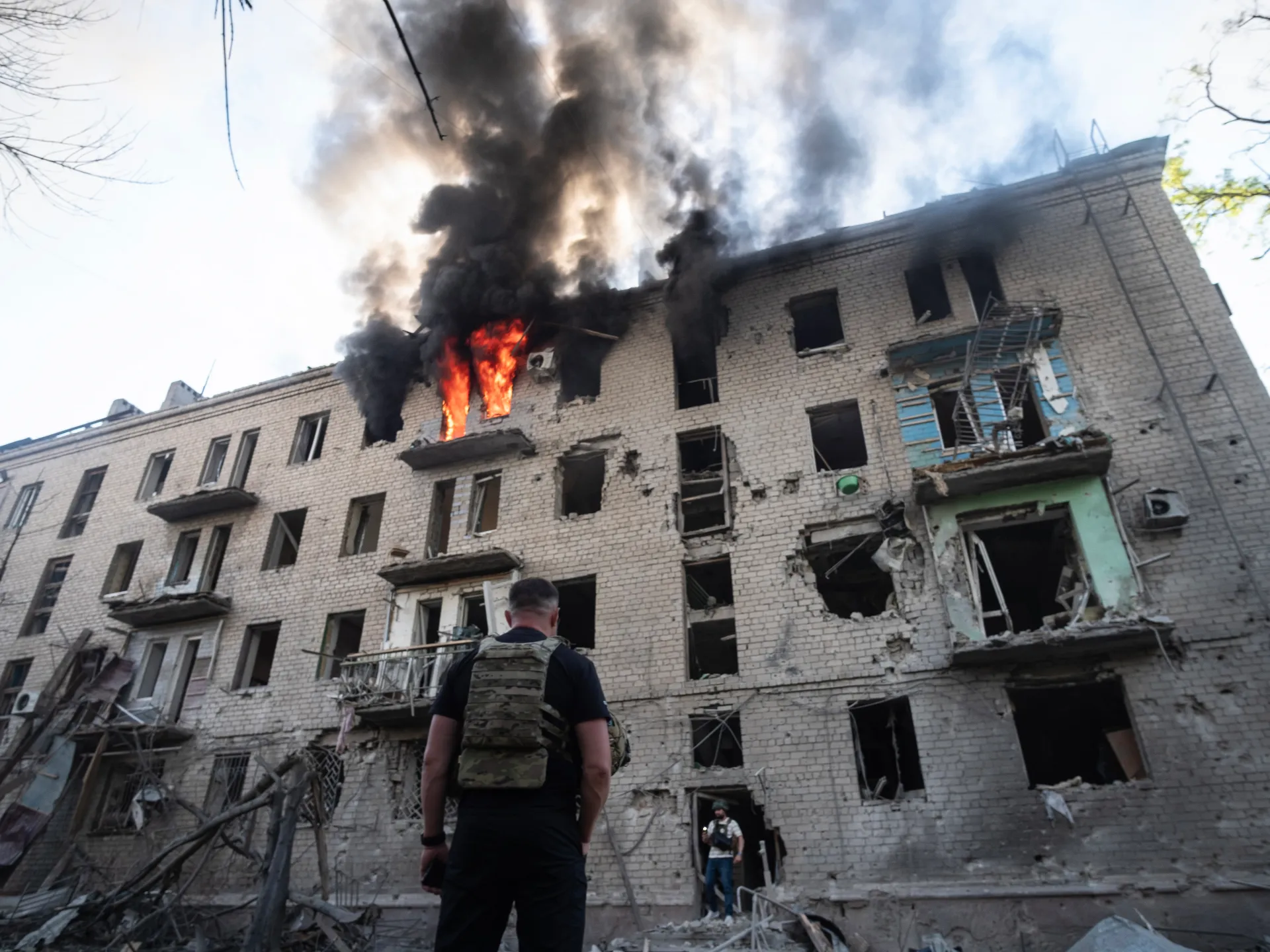
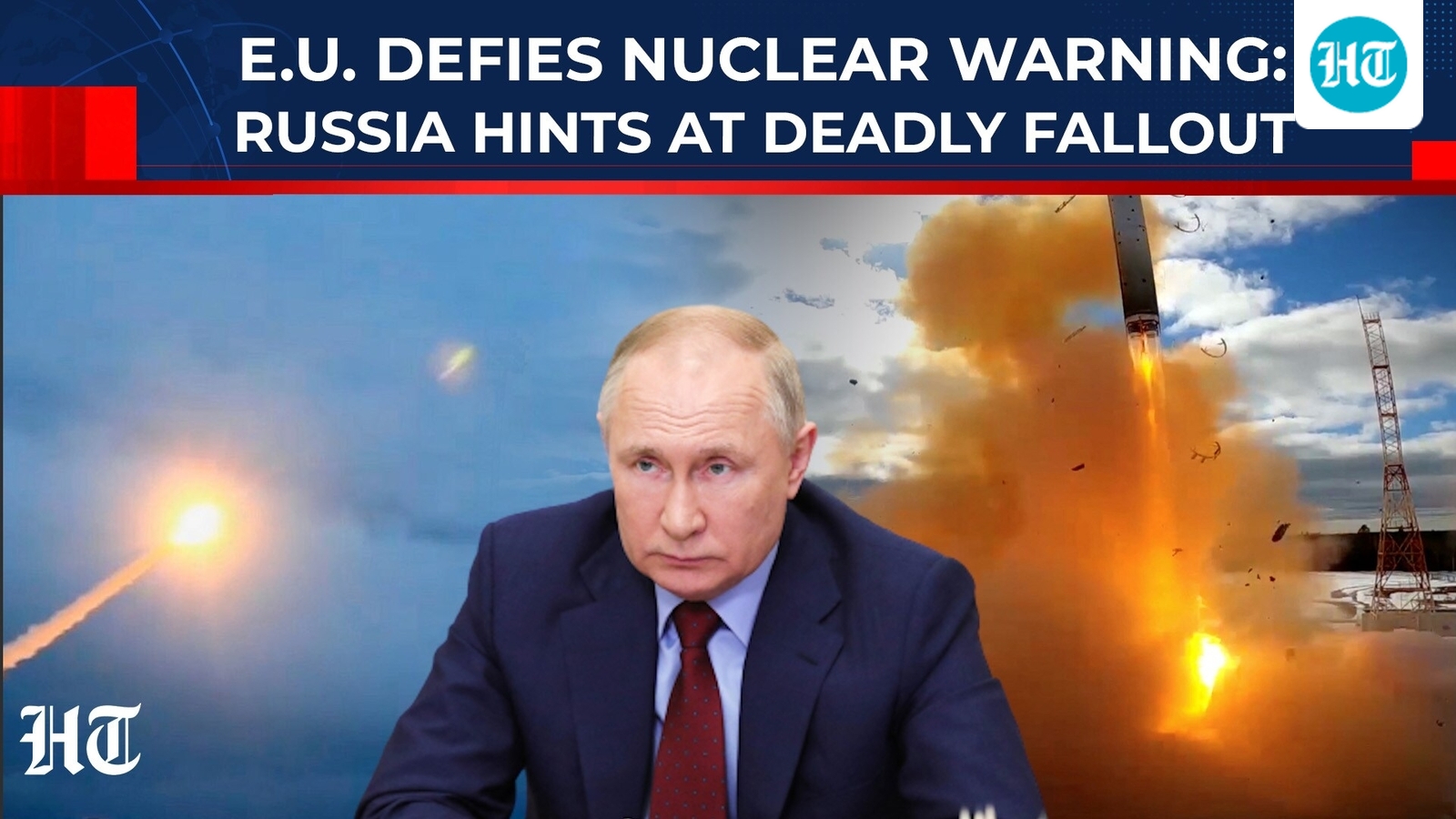
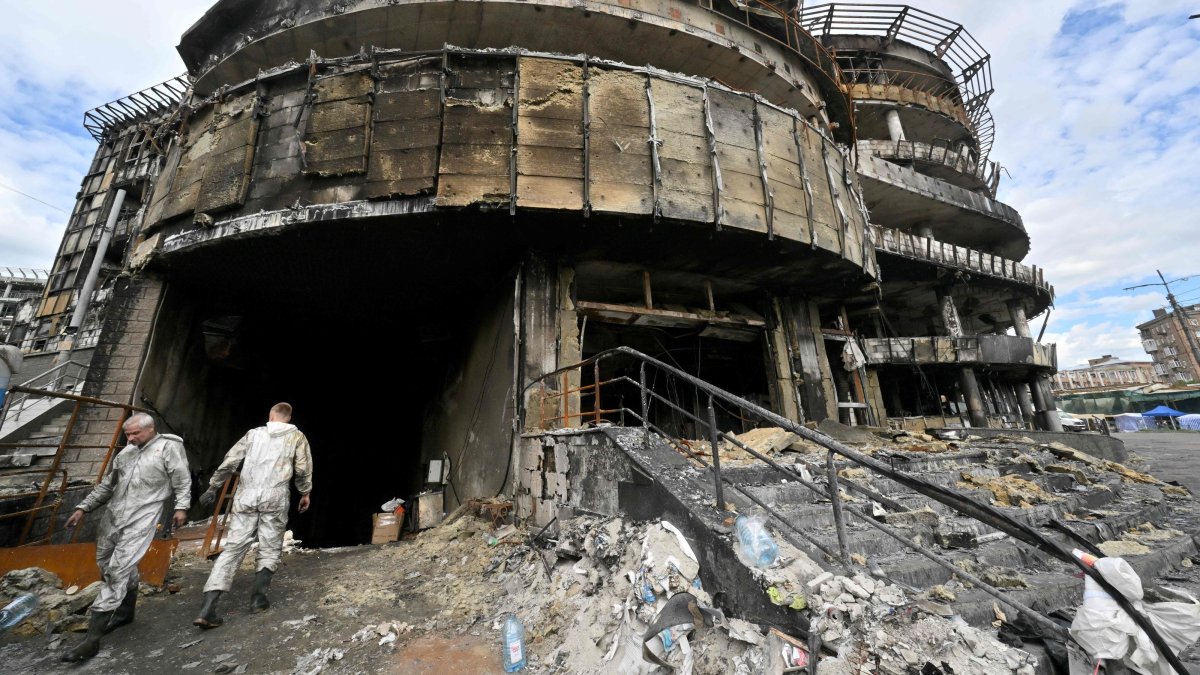
But the debate took a new turn after Russia's large-scale air strikes over the weekend, which destroyed residential buildings, supermarkets, schools and energy facilities across Kyiv. The deadly assault included a hypersonic Oreshnik ballistic missile.
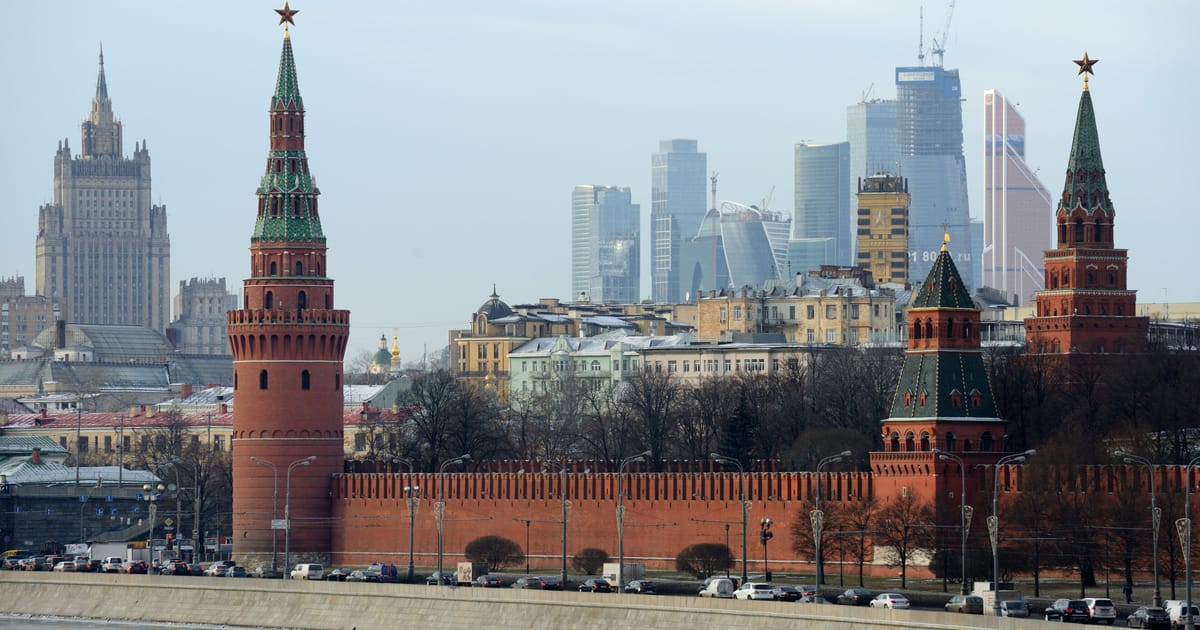
In the aftermath, the Kremlin called on diplomatic missions and international organisations to leave the Ukrainian capital "as soon as possible". The message was seen as a direct threat against European representatives on the ground.