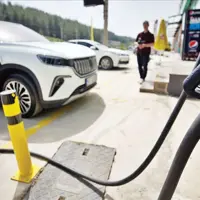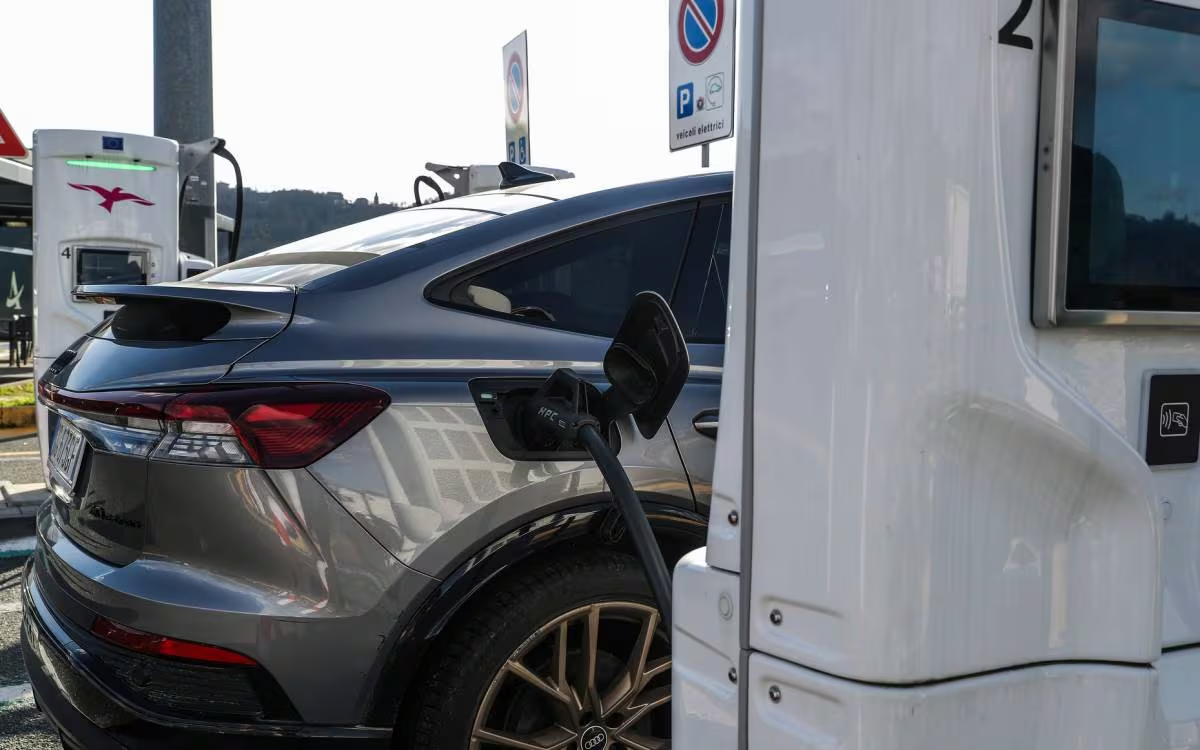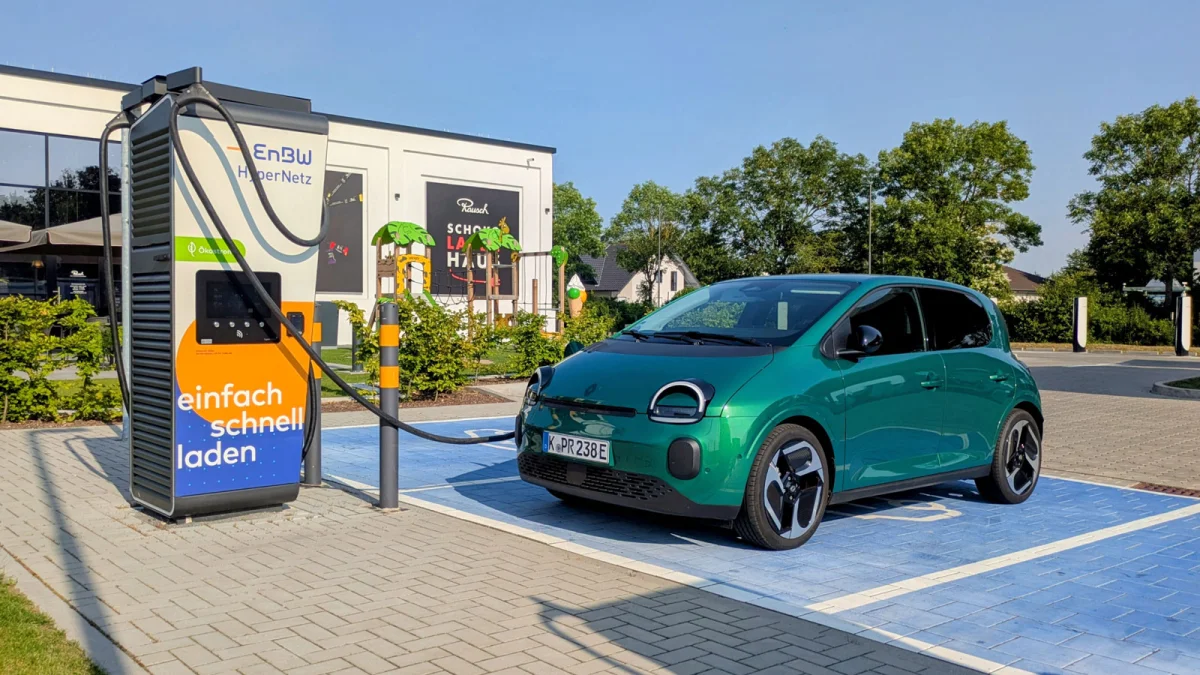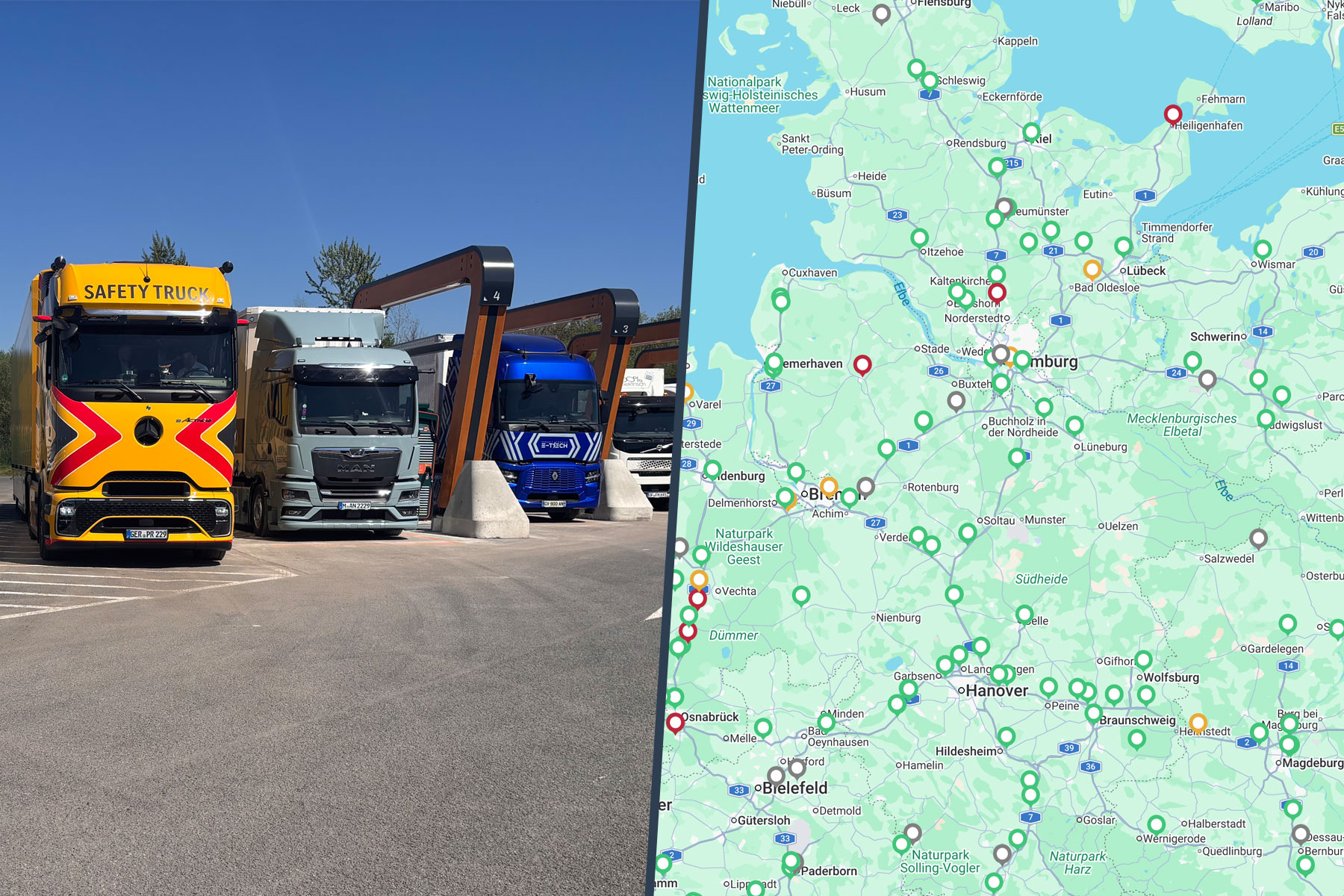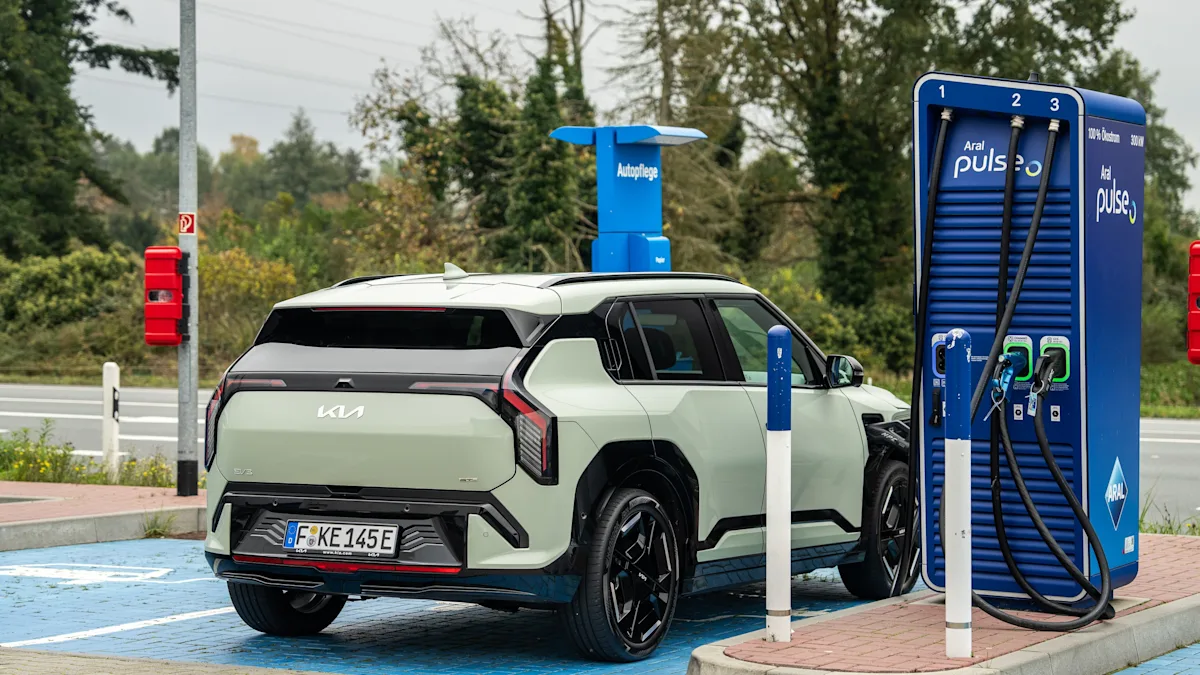
The German Federal Network Agency has published new figures on the expansion of public charging infrastructure. According to the data, the milestone of 200,000 public charging points in Germany was exceeded as of April 1, representing a 17 percent increase compared to the previous year. The fast-charging network continues to grow particularly dynamically.Image: Daniel BönnighausenAs of 1 April 2026, Germany’s official charging station register recorded exactly 200,255 publicly accessible charging points nationwide. This marks an increase of 3,902 compared to 1 February. Year-on-year, the number of charging points grew by 28,962, a 17% rise compared to the same month the previous year. The authority had already reported this percentage increase as of 1 February.The majority of the reported infrastructure continues to consist of standard charging points. As of 1 April, 149,002 AC charging points were recorded, while the number of DC fast charging points stood at 51,253. Together, these charging points provide a total charging capacity of approximately 8.5 gigawatts. Compared to the 1 April 2025 figure of nearly 6.7 gigawatts, this represents a 28% increase.Among AC charging points, the 15 to 22 kW power class continues to dominate. The category now comprises 110,780 charging points, representing a year-on-year increase of 14 per cent. The second-largest segment remains the 3.7 to 15 kW class, which grew by 10 per cent to 35,428 charging points. Charging points with up to 3.7 kW continue to play only a minor role in the public sector, rising by 2 per cent to 2,794 units. Overall, the number of AC charging points increased by 16,797, or 13 per cent, within one year.Fast-charging infrastructure with a charging capacity above 22 kW continues to drive growth. In the 22 to 49 kW category, the Federal Network Agency recorded 1,748 charging points as of 1 April, representing a year-on-year increase of 6 per cent. The 49 to 59 kW class, which includes many conventional 50 kW chargers, grew by 19 per cent to 7,876 charging points.Growth was considerably stronger in the higher power classes. In the 149 to 299 kW segment, the number of charging points increased by 30 per cent year-on-year to 19,684 units. The categories above and below recorded even stronger growth: charging points with more than 59 up to 149 kW rose by 35 per cent to 4,256 units. The fastest-growing segment was the class above 299 kW, which expanded by 41 per cent to 17,689 charging points.The ranking of federal states at the top remains unchanged. North Rhine-Westphalia continues to lead in the number of publicly accessible charging points, with 39,520 recorded as of 1 April. Bavaria follows with 38,269 charging points, and Baden-Württemberg with 34,412. All three states now have significantly more than 30,000 and nearly 40,000 publicly accessible charging points.Among operators, EnBW mobility+ continues to lead the ranking by number of charging points. As of the reference date, the company had 11,825 charging points. E.ON Drive follows with 4,772 charging points, and Tesla Germany with 3,665.When ranked by installed nominal capacity, the order shifts behind the frontrunner. Here, too, EnBW mobility+ leads with approximately 1.06 gigawatts. Tesla Germany follows with 906,250 kW, and BP Europe SE, which includes Aral Pulse, with 449,232 kW. This demonstrates that the sheer number of charging points only reflects part of the market: with the expansion of high-performance fast charging points, installed charging capacity is gaining further importance as a key metric.bundesnetzagentur.de (in German)
Germany surpasses 200,000 public charging points - electrive.com
The German Federal Network Agency has published new figures on the expansion of public charging infrastructure. According to the data, the milestone of
567 words~3 min read