Support CleanTechnica's work through a Substack subscription or on Stripe.
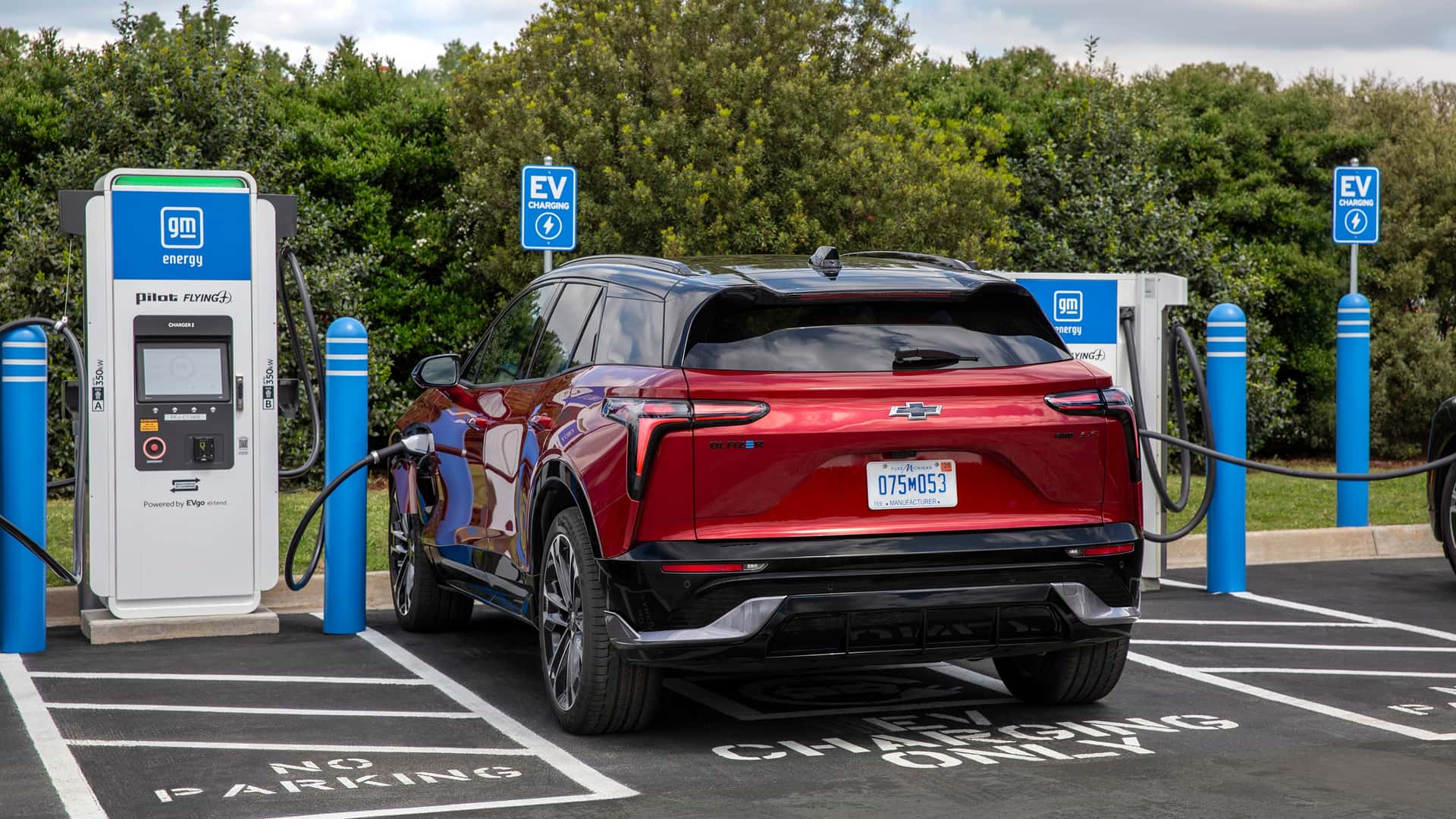
If you have been following the growth of US public EV charging infrastructure, you know there has been steady expansion this last year or eighteen months. In fact, there have been dozens or more announcements about federal funding reaching some US states, but not all, for the continued installation of fast chargers along travel corridors to support long-distance driving.
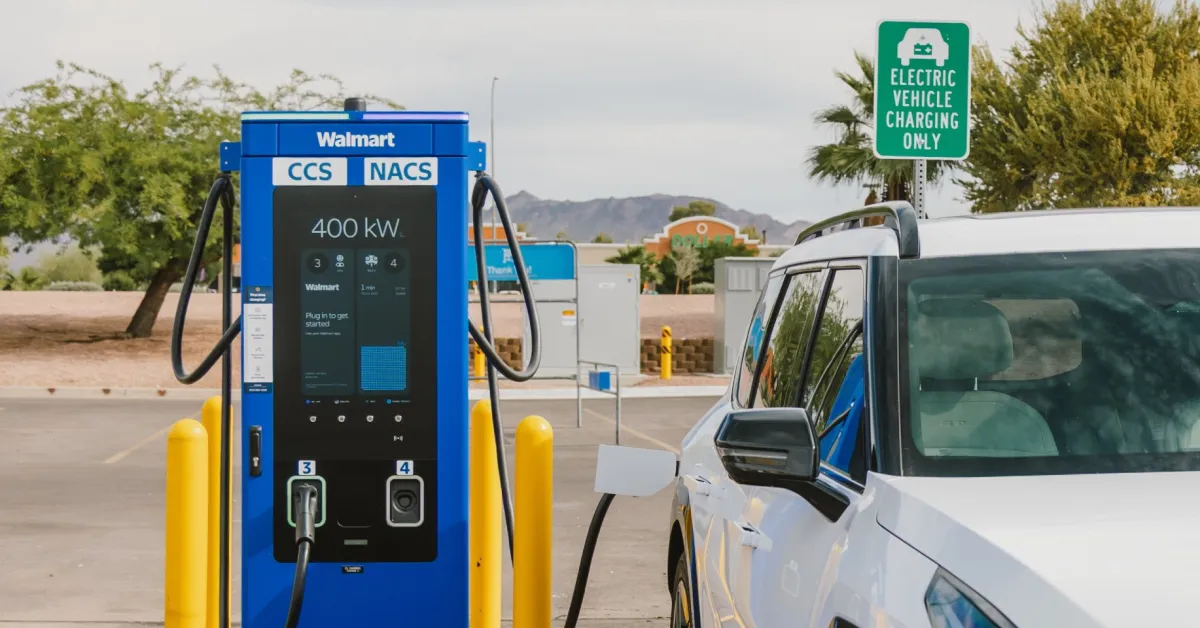
There have also been announcements about retail companies installing more Level 2 and some fast chargers at shopping centers, convenience stores, restaurants, public libraries, and community centers so that people can charge and shop, dine, rest, take a walk, read a book, and so on while charging. One of the many advantages electric vehicles have is that they can be charged while the owners are doing other activities.
According to the Alternative Fuels Data Center, there are now just over 250,000 public EV charging ports in the US, at 80,531 locations. If you ask the “average Joe or Jane” on the street how many public EV charging ports there are in the US, they might not know. Some in this group might also say “not nearly enough” without knowing the exact number.