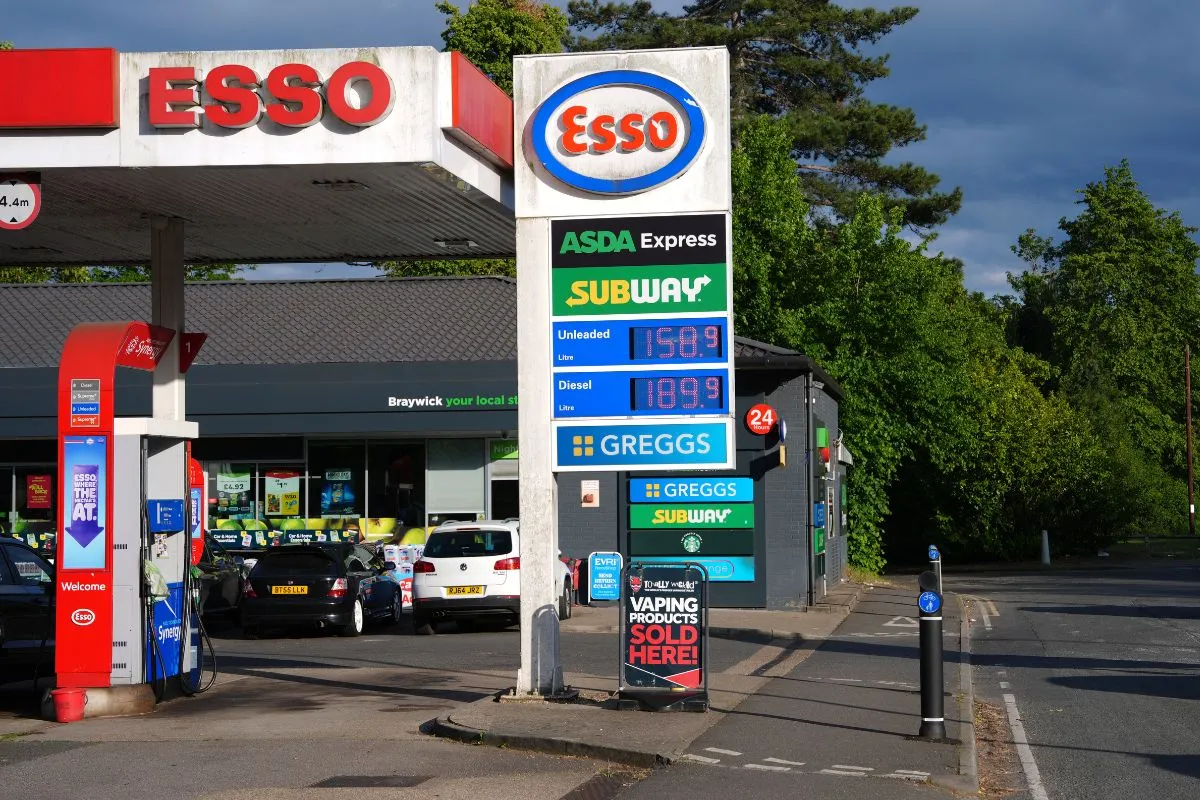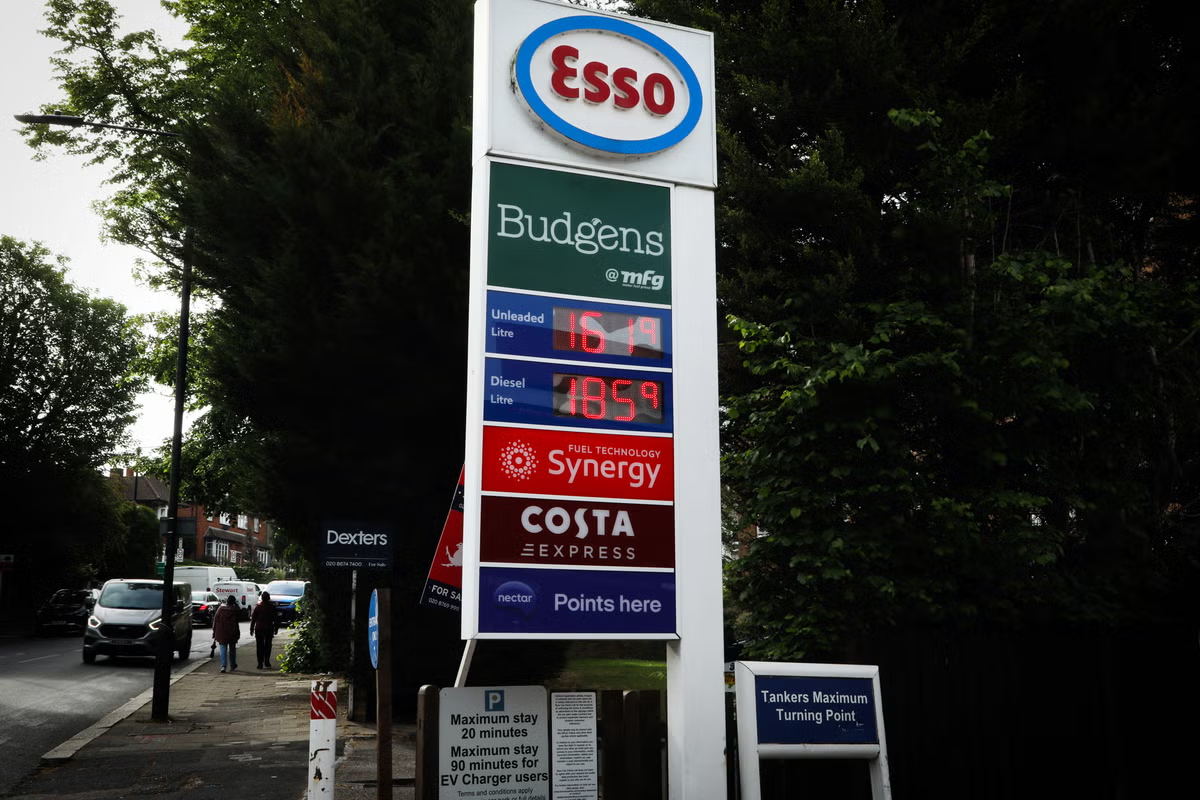
Petrol prices in the UK have hit a new high since the Iran war began, as the price of oil jumped back up to $100 per barrel following fresh US strikes.The average price of a litre of petrol is now 159.43p in the UK, according to motoring services firm the RAC.This petrol price is the highest since December 2022, and 26.6p more expensive than on February 28, the day the US and Israel first launched strikes on Iran.Diesel prices, however, remain below their mid-April peak at 184.96p per litre, 6.58p lower than on April 15. Chancellor extends fuel duty cutBut filling a 55-litre tank of diesel would cost £101.73 today, according to the RAC, more than £23 more expensive than the start of the conflict. Earlier in the conflict, the RAC warned that diesel prices had become the most disproportionately expensive compared to petrol in decades – putting the UK’s fleet of van-driving tradesmen at risk.Rising fuel prices put the government under increasing pressure to extend its freeze to fuel duty, and Rachel Reeves last week confirmed she would extend the tax cut.The Chancellor’s extension to the 5p cut comes as part of a number of measures designed to ease the rising cost of living caused by the Iran war – which a senior cabinet figure warned will last for eight months after the conflict ends.Tuesday’s jump in petrol prices came as the price of oil surged back to $100 per barrel, despite having fallen slightly in recent days. Oil prices had eased in response to signals that a ceasefire between the US and Iran could be nearing. But President Trump’s insistence on Monday that he would accept only a “great deal or no deal” was followed with fresh US strikes on Iranian missile sites and boats.Iran ramped up its own rhetoric on Tuesday when supreme leader Mojtaba Khamenei warned the US that it will no longer benefit from a safe haven from Gulf powers in the region.Oil jumps on fresh Iran tensionsNeil Wilson, investor strategist at Saxo Markets UK, said: “Oil prices rebounded after renewed US military activity around Iran and the Strait of Hormuz partially reversed Monday’s sharp decline in crude.“Investors remain focused on whether energy markets stabilise or whether higher oil prices start feeding back into inflation expectations and bond yields again.”The FTSE 100 jumped about 0.6 per cent while the stock markets slipped in Germany and France, as gilt yields eased further to 4.86 per cent.Quickly scuppered hopes of an impending ceasefire deal made for a “messy” day for the markets, according to IG analyst Rich McDonald.“At best, the ceasefire appears to have been extended, talks are still alive, and that lowers the immediate risk of a fresh Hormuz shock – but we don’t yet seem to have made progress on the hard issues.“Enriched uranium, sanctions, regional security and the full normalisation of Strait of Hormuz flows all remain unresolved, with markets now awaiting progress reports from ongoing negotiations,” he said.By City AMMore Top Reads From Oilprice.comOil Prices Plunge Below $100 on Iran Deal OptimismU.S. Natural Gas Prices Surge On Lower Output, Higher LNG FlowsTotalEnergies Eyes $100M+ Stake Sales in European Solar and Wind Portfolio
UK Petrol Prices Hit Highest Level Since 2022 | OilPrice.com
UK petrol prices have reached their highest level since December 2022 as renewed US-Iran tensions pushed oil back toward $100 per barrel.
529 words~2 min read