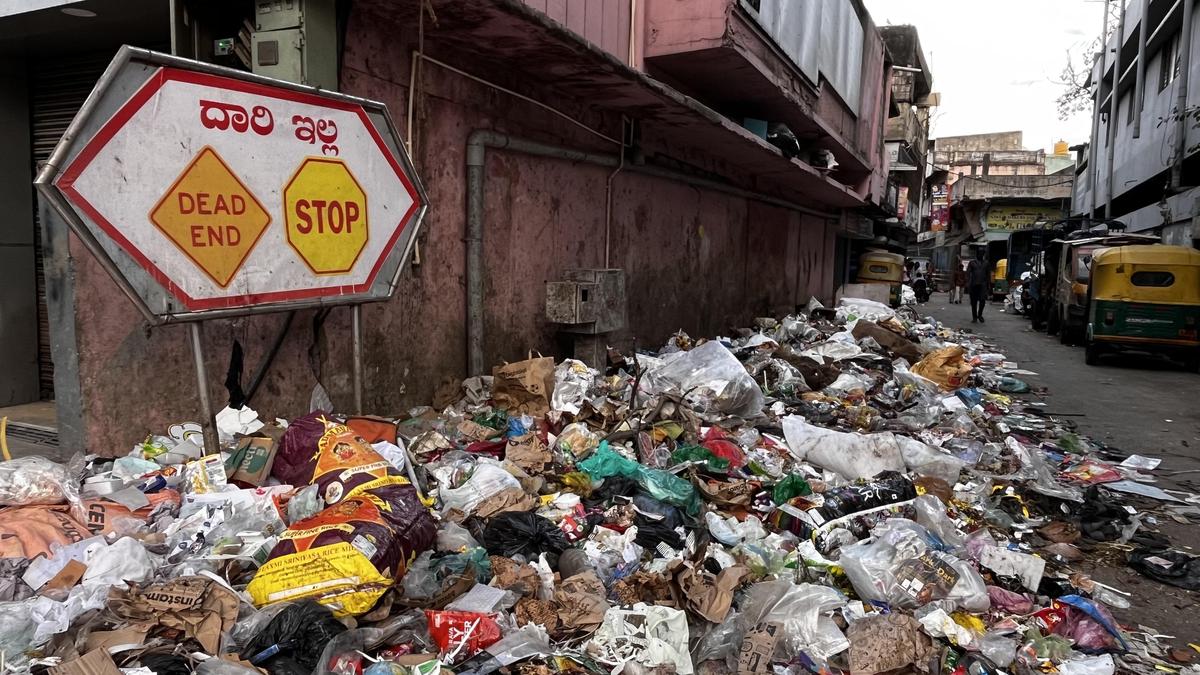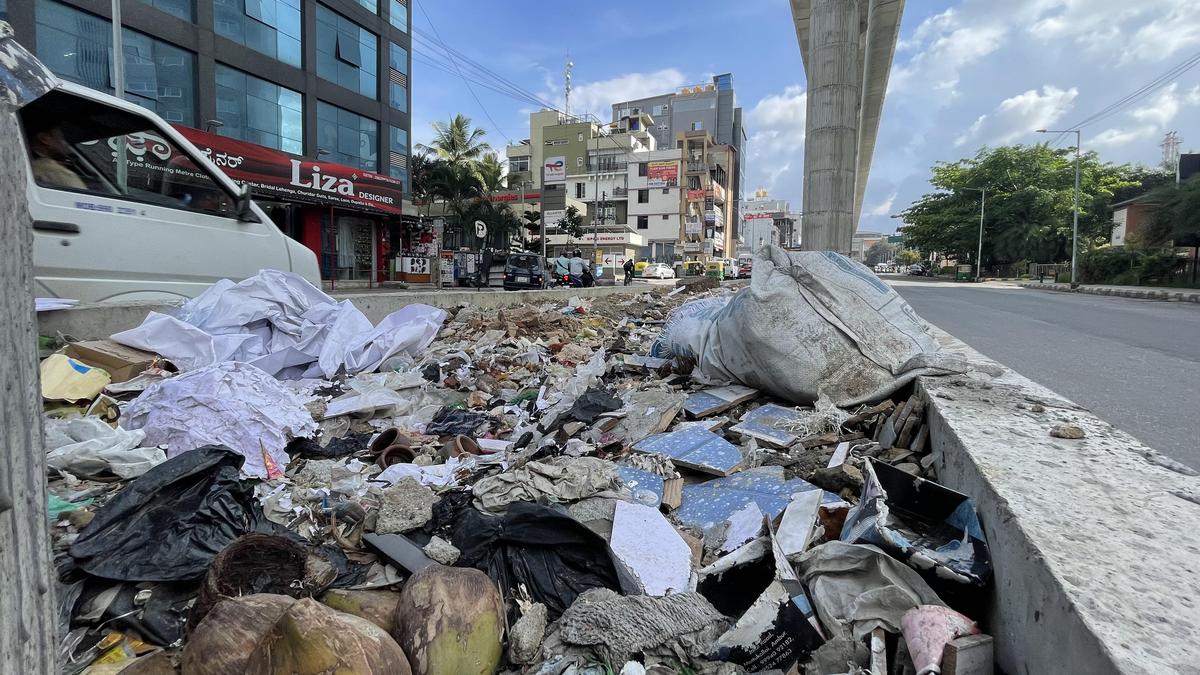
The initiative is aimed at eliminating open burning and manual waste handling at sites.
| Photo Credit: File photo
Neo San, a Bengaluru-based clean-technology company, will deploy its smart waste-processing units, ‘Neo-X’, across institutions in Bengaluru, as part of a World Economic Forum (WEF)-led initiative in collaboration with the Greater Bengaluru Authority (GBA) and the Government of Karnataka.The initiative named ‘SafeDispose Bengaluru’ will look at deploying these on-site sanitary and biomedical waste processing units in a phase-wise manner at government and private institutions across the city, including colleges, schools, primary health centres, women’s hostels, government housing and other official buildings.Solving urban problemsNeo San is a winner of the WEF UpLink Yes/Bengaluru Urban Innovation Challenge, which brought together the GBA and a coalition of private sector partners to encourage startups to develop innovative solutions to the city’s civic and infrastructural challenges across sustainability, sanitation and public health.Bengaluru is only the second city in the world, after San Francisco, to host this global initiative.A grant provided to Neo San will fund the deployment of Neo-X units that safely treat sanitary and biomedical waste at the point of waste generation. The initiative aims to reach more than 5,000 women. The current pilot deployment is funded through United Way Bengaluru, one of the challenge partners. The larger expansion across Bengaluru’s public infrastructure will be structured as a government-funded program.Waste burningOpen waste burning accounts for a significant share of Bengaluru’s total PM2.5 emissions, making it the city’s third-largest source of particulate pollution after transport and industry. Sanitation workers often handle this waste manually, without protection or protocol.The initiative is aimed at eliminating open burning and manual waste handling at sites. Karnataka State Pollution Control Board has reviewed and validated the technology for deployment across the city. Every Neo-X unit has real-time IoT monitoring of each cycle run and every kilo processed, thereby helping in creating robust data for urban planning.“Waste infrastructure has a major gap that goes largely unaddressed. The third stream — sanitary, biomedical and contaminated reject waste — is generated daily, but lacks a certified on-site disposal route. The most common outcome is low-temperature open burning or dumping, as there is no economic incentive for material recovery,” said Dhwaj Bagrecha, founder, Neo San.“Through this initiative, our aim is to provide on-site treatment of this waste in a controlled manner, eliminating open burning and reducing overall process emissions by 98%,” he added. Published - May 27, 2026 06:11 pm IST