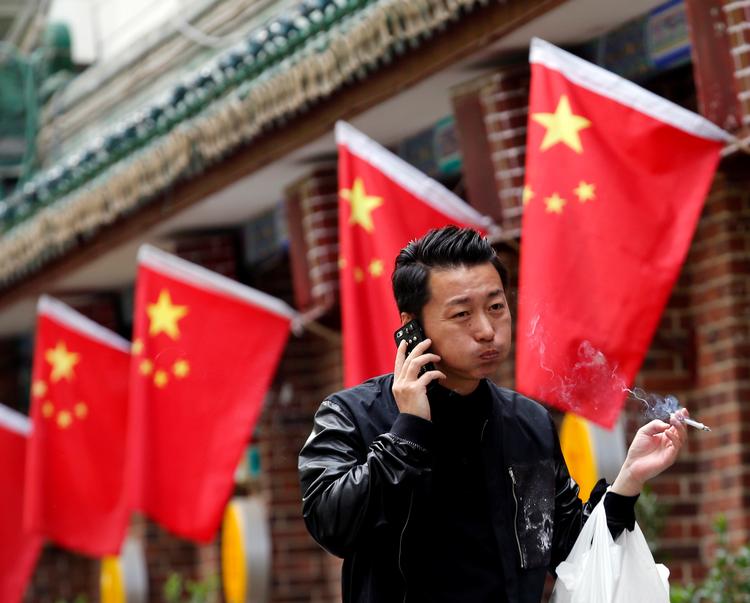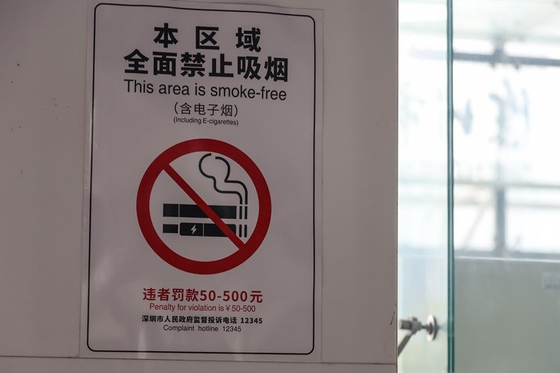
Around 2.4 trillion cigarettes are sold in China every year, accounting for nearly half of global cigarette consumption, according to a report by a non-governmental organisation founded by former officials from the Chinese Center for Disease Control and Prevention. China’s cigarette consumption rose 39% between 2003 and 2023, even as consumption in the rest of the world declined by 26% during the same period, reported NYT. The percentage of smokers has declined over the last 13 years, as fewer young people smoke, but cigarette sales have steadily grown. Cigarettes prices are low: A pack costs about $3 on average, roughly one-third the price in the United States, according to a NYT report. The tobacco epidemic remains one of the world’s biggest public health threats, causing more than 7 million deaths every year along with long-term illnesses and disabilities linked to tobacco use. All forms of tobacco are harmful, and there is no safe level of tobacco exposure. Cigarette smoking remains the most common form globally, while other products include cigars, bidis, waterpipe tobacco, smokeless tobacco, heated tobacco products and e-cigarettes.The tobacco epidemic remains one of the world’s biggest public health threats, causing more than 7 million deaths every year along with long-term illnesses and disabilities linked to tobacco use.All forms of tobacco are harmful, and there is no safe level of tobacco exposure. Cigarette smoking remains the most common form globally, while other products include cigars, bidis, waterpipe tobacco, smokeless tobacco, heated tobacco products and e-cigarettes.Nearly 80% of the world’s 1.3 billion tobacco users live in low- and middle-income countries, where tobacco-related illness and deaths are highest. Tobacco use also worsens poverty, as many households spend money on tobacco instead of essentials such as food and shelter.Key measures to reduce tobacco useMonitoring tobacco use: Regular national surveys help governments track tobacco consumption and shape effective policies. Nearly half of the global population is now covered by such surveys.Protection from second-hand smoke: Second-hand smoke causes serious diseases, including heart disease and lung cancer, and kills around 1.6 million people annually. More than one-third of the world’s population is now protected by comprehensive smoke-free laws.Support for quitting tobacco: Counselling and medication can significantly improve the chances of quitting successfully. However, only 31 countries currently offer comprehensive cessation support with full or partial cost coverage.Graphic health warnings: Pictorial warnings and anti-tobacco campaigns discourage tobacco use and encourage users to quit. Around 62% of the world’s population lives in countries that use strong graphic health warnings on tobacco packaging.Advertising bans: Restrictions on tobacco advertising, promotion and sponsorship help reduce tobacco consumption by limiting the recruitment of new users.Higher tobacco taxes: Increasing taxes on tobacco products is considered one of the most effective ways to reduce consumption, especially among youth and low-income groups. A 10% increase in tobacco prices can reduce consumption by 4–5%.Stopping illicit tobacco trade: Illegal tobacco products create health, economic and security concerns worldwide. WHO says stronger action against illicit trade can reduce tobacco use while increasing tax revenues.Newer nicotine and tobacco productsWHO has also raised concerns over newer products such as heated tobacco products (HTPs), e-cigarettes and nicotine pouches.While some companies market these products as safer alternatives, WHO says there is no clear evidence proving they are less harmful than conventional tobacco products. Many contain nicotine and toxic substances that may damage health, including heart and lung function.
2,400,000,000,000: Chinese are smoking nearly half of world's total
China's cigarette consumption has surged by 39% between 2003 and 2023, contrasting with a global decline. Despite fewer young smokers, low prices and steady sales contribute to the nation consuming nearly half of the world's cigarettes annually. This escalating tobacco epidemic poses a significant public health threat.
557 words~3 min read