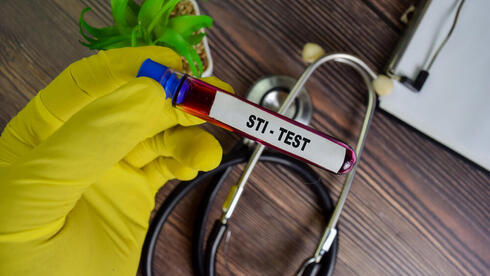
TravelTravelThere have been tens of thousands of cases but infection is preventableNeil Shaw Assistant Editor (Money and Lifestyle)13:19, 27 May 2026Health experts have warned of two diseases spreading in Spain and other parts of Europe and urged UK holidaymakers to take precautions this summer. According to new data from the European Centre for Disease Prevention and Control (ECDC), gonorrhoea cases across Europe reached 106,331 in 2024 - a 303% increase since 2015.At the same time, syphilis cases more than doubled to 45,577. Spain recorded some of the highest numbers of infections reported in Europe, with 37,169 gonorrhoea cases and 11,556 syphilis cases in 2024.Gemma Nice, sex and relationships coach at condoms.uk, said: "People often behave differently on holiday because routines disappear and inhibitions lower. Alcohol, spontaneity, and the ‘holiday mindset’ can all lead to riskier sexual behaviour than people might normally engage in at home.“We’re not saying people shouldn’t enjoy holiday romances, but many people wrongly assume that pregnancy prevention and STI protection are the same thing. Condoms remain the only form of contraception that helps protect against both pregnancy and STIs."Experts also warn that many travellers underestimate how common symptomless STIs can be, meaning infections can unknowingly spread between partners. Gemma said: “One of the biggest misconceptions is that you would immediately know if someone had an STI - or if you had one yourself. In reality, many infections can remain symptomless for weeks or even months while still being transmissible.“We’re also seeing growing complacency around condoms, particularly where people rely on other forms of contraception or assume someone is ‘low risk’ without having open conversations around testing.”The ECDC has warned that widening gaps in testing and prevention are contributing to rising infection rates across Europe, with officials urging people to use condoms with new or multiple partners and seek testing if symptoms appear.According to experts at condoms.uk, several common holiday behaviours can increase STI risk while travelling - particularly when combined with alcohol, spontaneity, heat, and lower inhibitions.Common mistakes include:Storing condoms in hot beach bags or cars Excess heat can damage latex and increase the risk of breakage without people realising.Using suncream before handling condoms Oil-based products can weaken latex and increase the likelihood of condom failure.Having sex in pools, hot tubs or the sea Water reduces natural lubrication, increasing friction and the chance of irritation or condom breakage.Relying on local shops or vending machines for protection Travellers may struggle to find familiar brands, sizing, or products that meet UK standards.Assuming oral sex carries little STI risk Infections including gonorrhoea and syphilis can still be passed on through oral sex.Skipping sexual health checks before or after travelling Many STIs can remain symptomless, making regular testing important after new sexual encounters.Article continues belowGemma added: “Many holiday-related STI risks come down to small, avoidable mistakes. Packing protection, checking condoms are stored properly, and having open conversations around sexual health can make a huge difference. It’s also important to always check the expiry dates on all condoms and lubricant products.“Holiday sex should still be safe sex. Planning ahead and carrying protection is one of the easiest ways to protect both yourself and your partner.”Choose Daily Mirror as a 'Preferred Source' on Google News for quick access to the news you value.TravelSpainSpain holidaysHealthSafe sexPregnancyHeart diseaseAlcoholContraception
UK holidaymakers urged to take precautions as two diseases spread in Spain
There have been tens of thousands of cases but infection is preventable
543 words~2 min read