Features | Environment | South Asia
Nepal’s hydropower vision depends on India, both as a primary buyer and an exclusive transit route. That gives India immense power over Nepal’s ambitions.
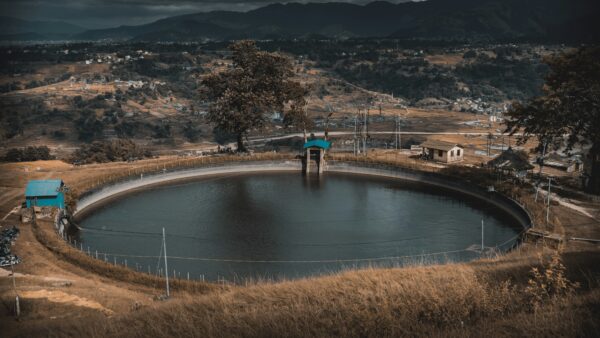
The Pharping Power Plant, commissioned in 1911, was one of Asia’s earliest hydropower plants.
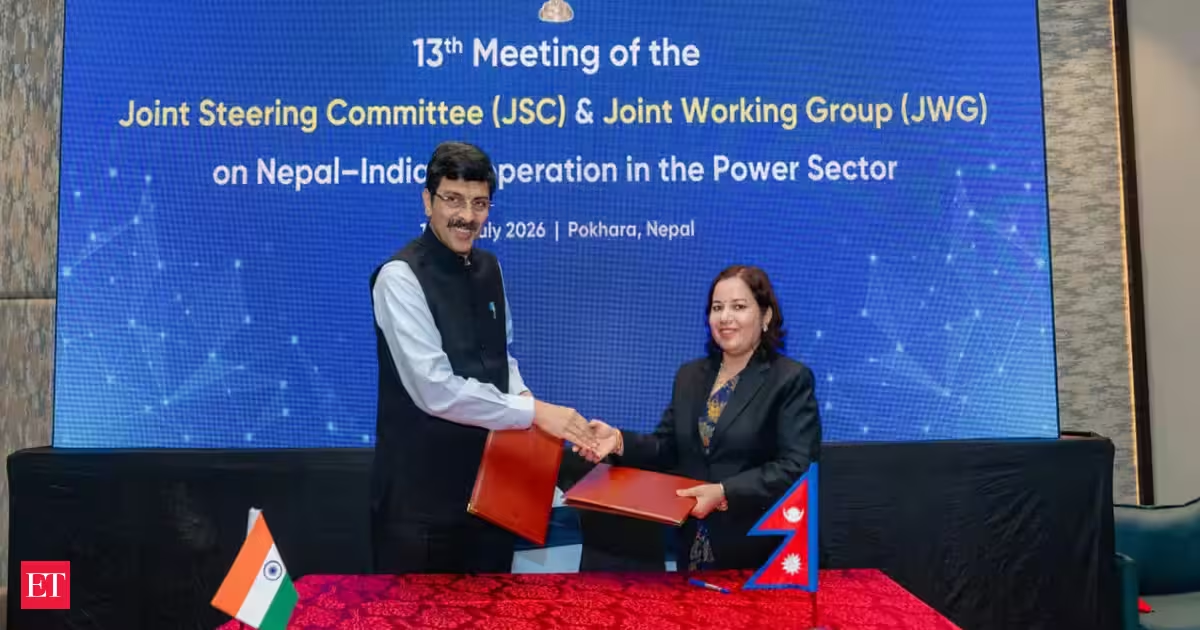
Nepal aspires to become the “hydropower battery of South Asia,” targeting an installed capacity of 28.5 gigawatts (GW) by 2035, with 13.5 GW planned for domestic use and 15 GW for export to India and Bangladesh. Besides the geo-hydrological obstacles and financial constraints, this vision must navigate a complex co-riparian hydro-political context with India. Nepal faces a vulnerability paradox stemming from the heavy dependency of its hydropower vision on India as both the primary buyer and the exclusive transit route for hydropower exports to Bangladesh, thereby subjecting it to India’s hydro-hegemonic maneuvers.
India’s hydro-politics, meanwhile, extends beyond merely hydropower purchases to satisfy the energy needs of its growing economy and population. It faces intricate water insecurities at multiple scales, including its domestic and inter-state water conflicts, the high dependency of the Ganga flow on Nepal’s rivers, and active water conflicts with other co-riparian countries, namely China, Pakistan, and Bangladesh.