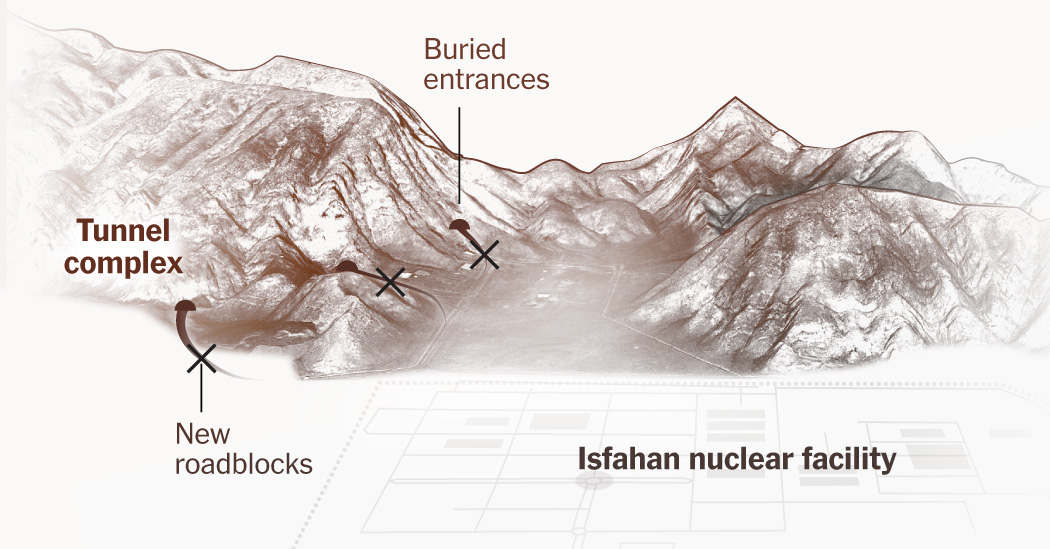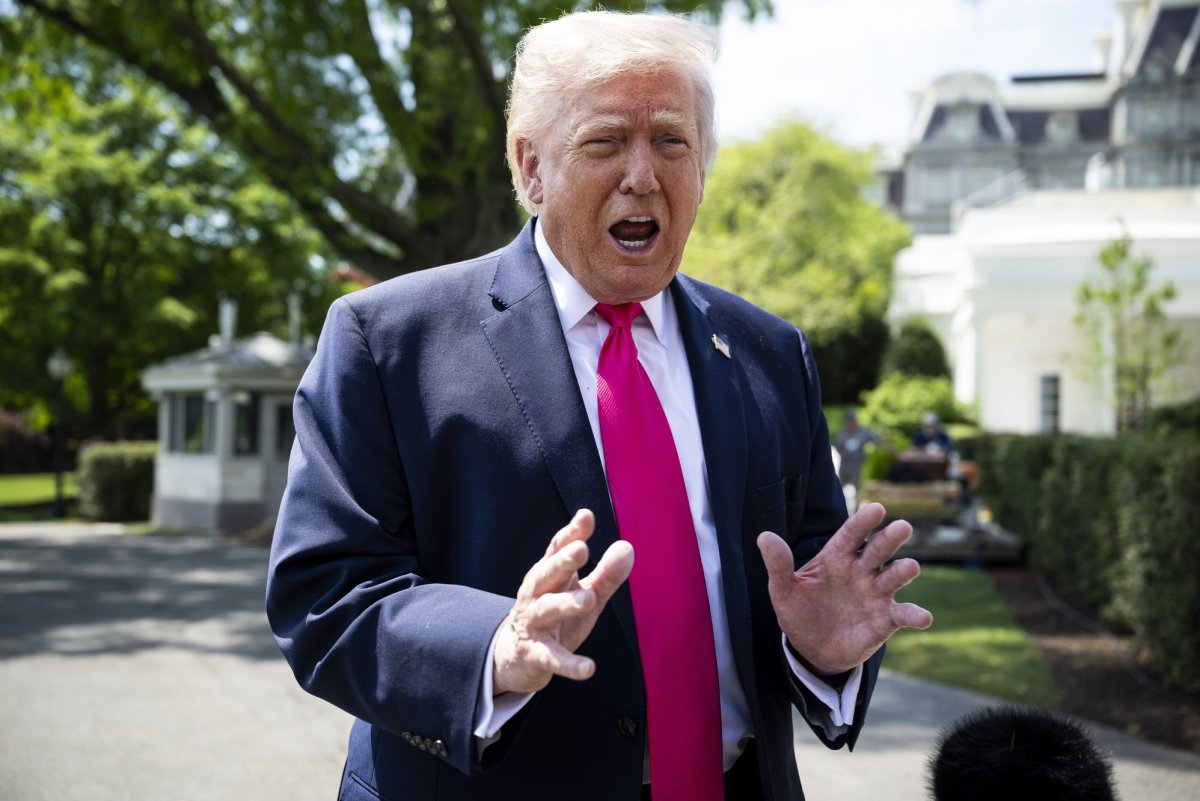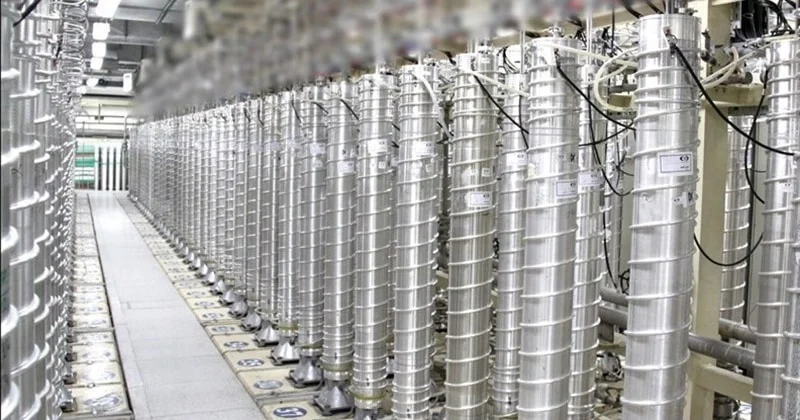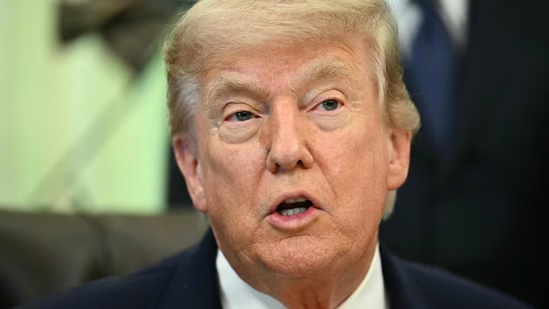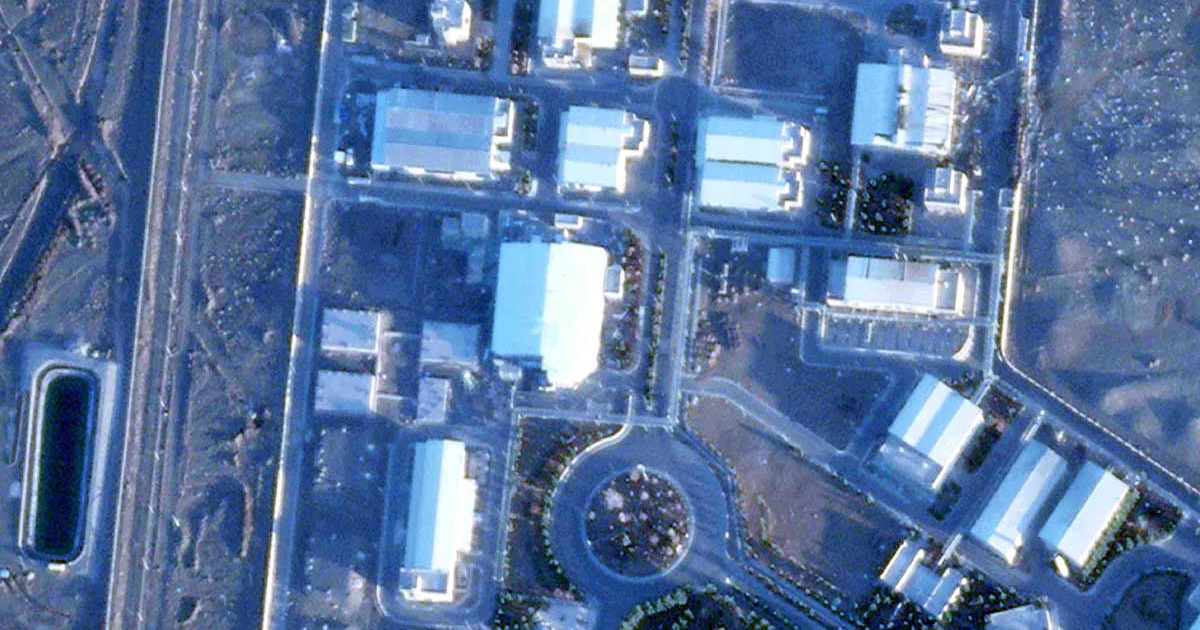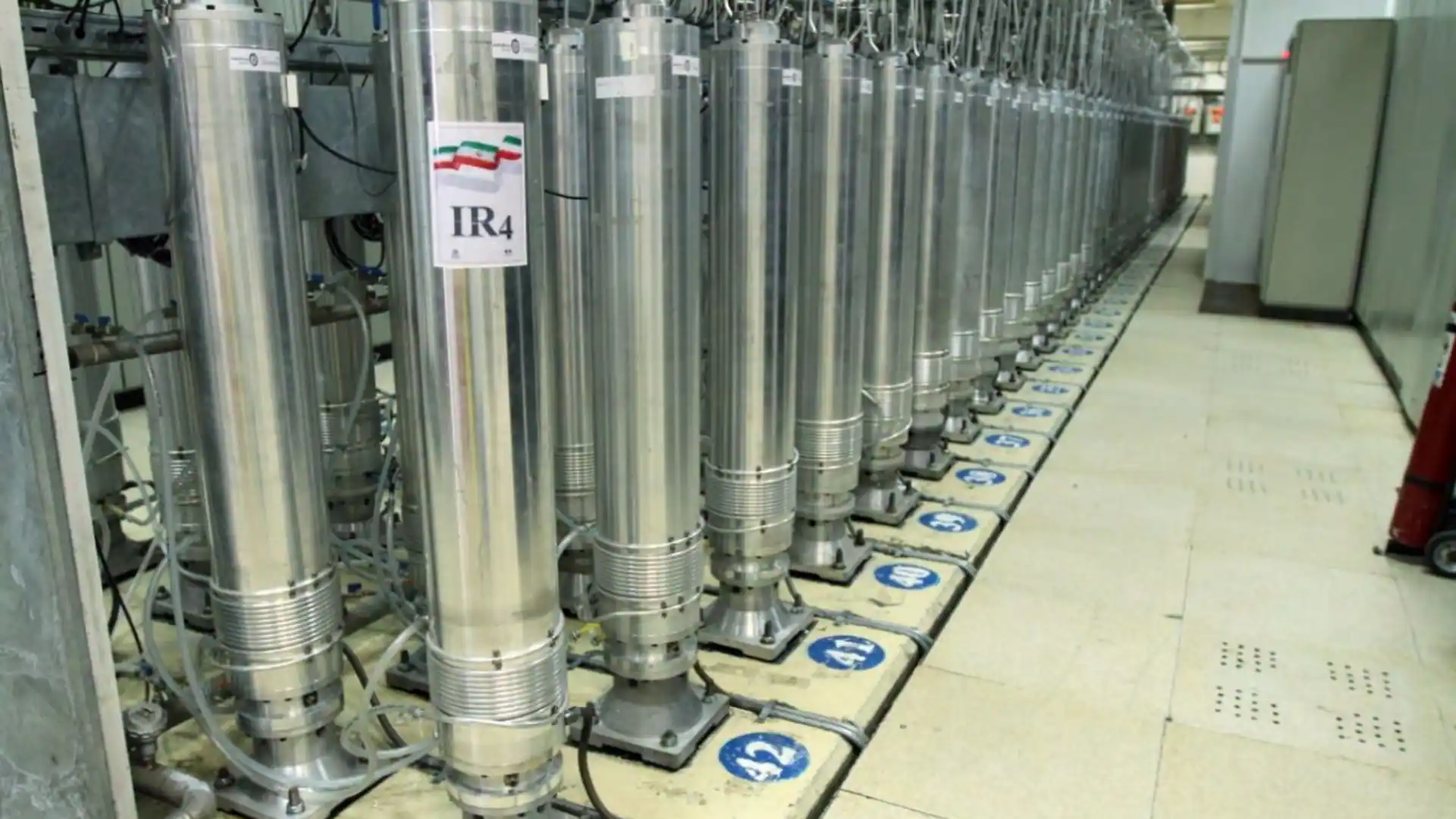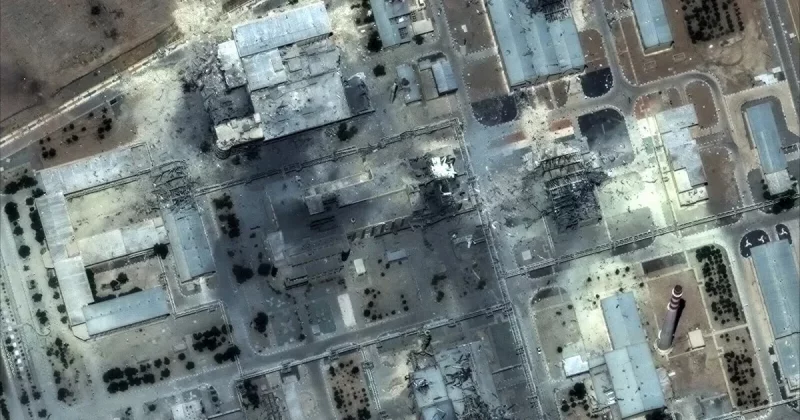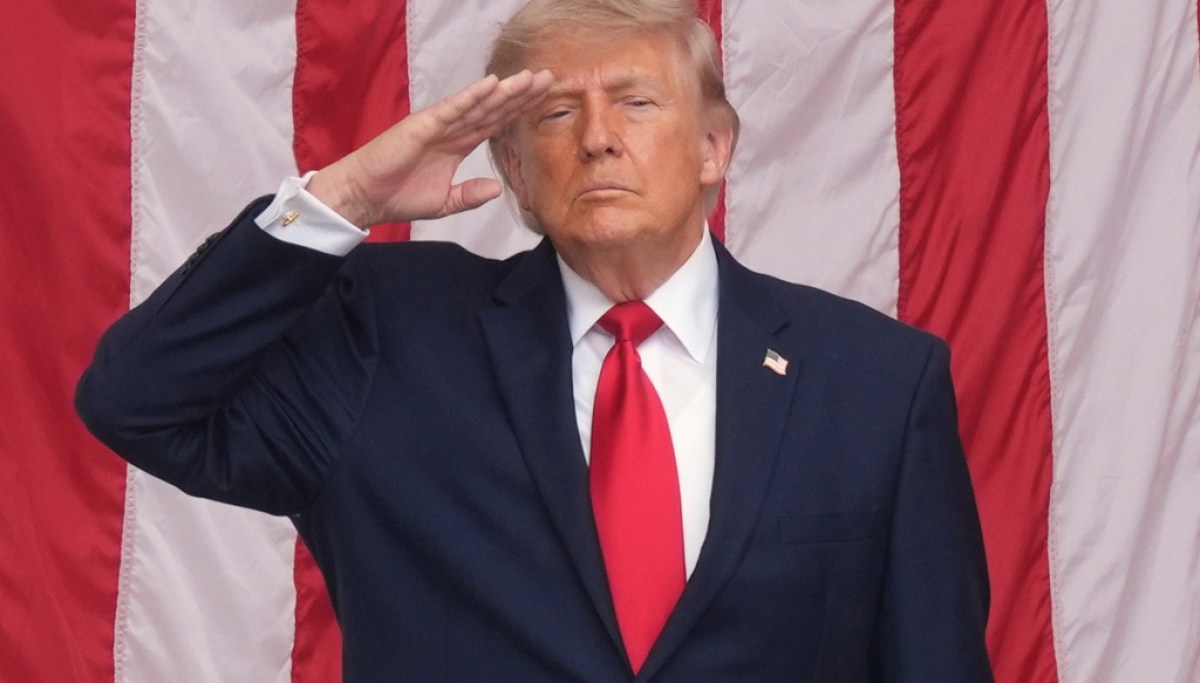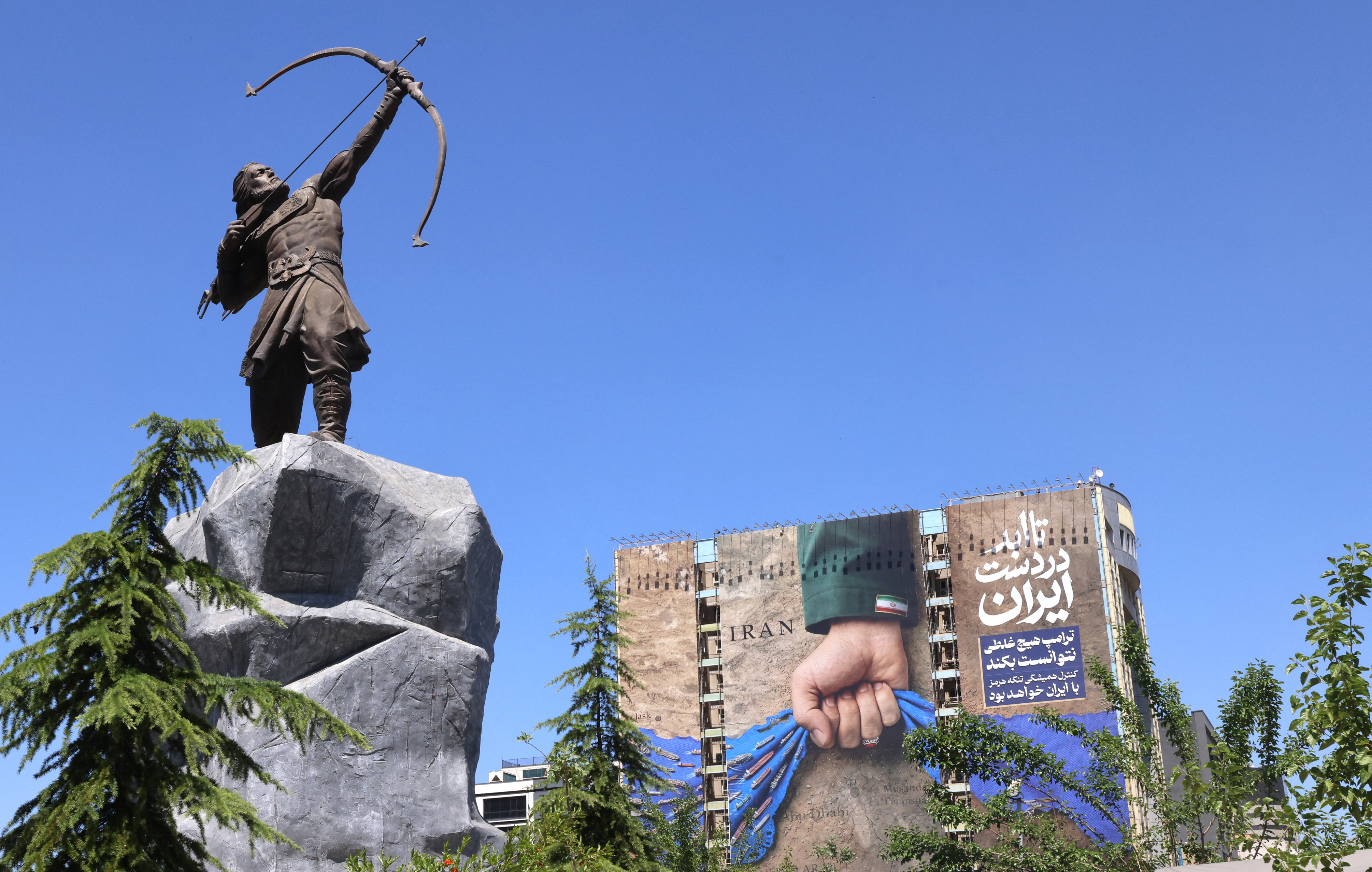
Iran’s nuclear programme continues to dominate the chessboard in the ongoing peace talks between Washington and Tehran and the most heard term amid and around the conflict probably is "uranium". Both sides, since almost a week now, have spoken of progress, but no agreement has been finalised yet.Iran reportedly has large quantities of weapons-grade uranium. (via REUTERS)A memorandum of understanding under discussion includes a possible 60-day ceasefire extension, reopening of the Strait of Hormuz, and negotiations on Iran’s nuclear programme. US President Donald Trump recently said Iran’s enriched uranium would either be “immediately” handed over to the United States or destroyed in place. Follow live updates hereUranium, in fact, has emerged as the biggest sticking point in the fragile US-Iran negotiations, with Trump repeatedly invoking Iran's stockpile while speaking about any possible peace deal. From warning against Tehran retaining "even a gram" of highly enriched uranium to insisting on international oversight, the US president has increasingly framed the conflict around who controls Iran's nuclear material and how close it remains to weapons-grade capability.Iran says talks have made “some progress,” but it has also said a final deal “is not imminent.” The draft framework is not a final agreement and leaves key issues, including sanctions relief and limits on Iran’s nuclear activities, for later talks, US media reports say.Iranian foreign ministry spokesman Esmail Baghai said that “a large portion of the issues under discussion” has been concluded. One possible element under discussion is Iran handing over its highly enriched uranium stock. Iranian President Masoud Pezeshkian said Iran was ready to “assure the world that we are not after a nuclear weapon.”ALSO READ: Reopening Strait of Hormuz, nuclear programme dispute: US, Iran inch closer to peace deal | What we knowWhat is uranium and how much does Iran haveUranium is a naturally occurring radioactive metal used mainly as fuel for nuclear energy and, at much higher enrichment levels, for nuclear weapons. It is found in rocks and soil and is mined in several countries around the world.In its natural form, uranium contains only a tiny amount of the isotope needed for nuclear reactions. So countries "enrich" uranium - a process that increases the concentration of the usable isotope, uranium-235.Iran has 440.9 kilograms (972 pounds) of uranium that is enriched up to 60 per cent purity, a short, technical step from weapons-grade levels of 90 per cent, according to the International Atomic Energy Agency. Iran has not publicly committed to giving up its uranium.Total enriched uranium stock estimatesIran has accumulated about 10,000 kg (11 tonnes) of enriched uranium since the 2015 nuclear deal collapsed, a report in The New York Times said last month.The same report says this stockpile’s exact location is uncertain after years of conflict and limited inspections. Following the 12-day Israeli war on Iran in 2025, several key nuclear sites were damaged, and the International Atomic Energy Agency (IAEA) has since had only limited access to inspect them.Explaining enrichment levelsUranium enrichment means increasing the amount of usable uranium step by step. It usually starts from natural uranium and is raised in stages like two per cent, five per cent, 20 per cent, 60 per cent, and up to 90 per cent.Low levels of enrichment are mainly used for civilian nuclear power and reactors. Higher levels are more sensitive because they are closer to weapons-grade material.Once uranium is already enriched, it becomes easier and faster to enrich it further: for example, moving from 20 per cent to 60 per cent is quicker than starting from natural uranium and reaching 20 per cent.ALSO READ: Trump floats Iran-US peace deal, but burning questions still remainGrowth of Iran’s uranium stockpileIran began large-scale uranium work in 2006, saying it was for peaceful energy use, according to The New York Times. By 2010, it was producing material up to 20 per cent for research reactor fuel.In 2015, under the JCPOA agreement, Iran agreed to limit its output to 3.67% and reduce its stockpile. It also shipped out about 12,000 kg (12.5 tons) of material, and the deal capped total stock at under 300 kg.In 2018, the US, under Trump withdrew from the agreement and reimposed sanctions. After that, Iran restarted higher-level production, including up to 20 per cent and later 60 per cent.Current high-level enrichmentIran has reportedly already produced uranium enriched to 60 per cent purity, which is very close to weapons-grade (about 90 per cent) and requires only a smaller final step to reach that level.Experts from the Institute for Science and International Security say that 20% material is already about 90 per cent of the way to weapons-grade, meaning it can be turned into higher-grade material more quickly than lower levels.According to the same analysis, roughly 200 kg of 20 per cent material could be further processed to produce about 25 kg of weapons-grade uranium, which is enough for one nuclear weapon if fully completed.Estimates of Iran’s 20% enriched uranium stockIran has produced about 1,235 kg of uranium enriched to 20 per cent over roughly 15 years, according to the Institute for Science and International Security.Of this, around 933 kg was made after 2021, when production restarted at higher levels. About 731 kg of that material was later further processed up to 60 per cent between late 2024 and mid-2025, significantly reducing the remaining stock.By June 2025, the amount left in the most closely tracked form had fallen to about 184 kg, while additional material likely still exists in fuel, scrap, and other less clearly accounted forms.Iran says its nuclear programme is for peaceful purposes.[Basically, Iran is estimated to have roughly 440 kg of uranium enriched to 60 per cent and about 184 kg of 20 per cent enriched uranium, plus several tons of lower-enriched material.]How long will it take Iran to make a nuclear weapon?Experts estimate Iran could potentially produce enough weapons-grade material for a nuclear weapon in a timeframe ranging from a few months to about a year, as per a report in the Council on Foreign Relations.This depends mainly on how quickly it can further enrich its existing stock of uranium (especially from 60 per cent to 90 per cent, and how efficiently it can convert that material into a usable weapon core.The 2015 nuclear deal was designed to ensure this “breakout time” would stay at around a year or more. After the US withdrawal and reduced international inspections, that buffer is believed to have narrowed.
Uranium this, uranium that. What is it, how much does Iran have and why does Trump bring it up?
The US is reportedly pushing Iran to either hand over or remove its entire enriched uranium stockpile. | World News
1,065 words~5 min read