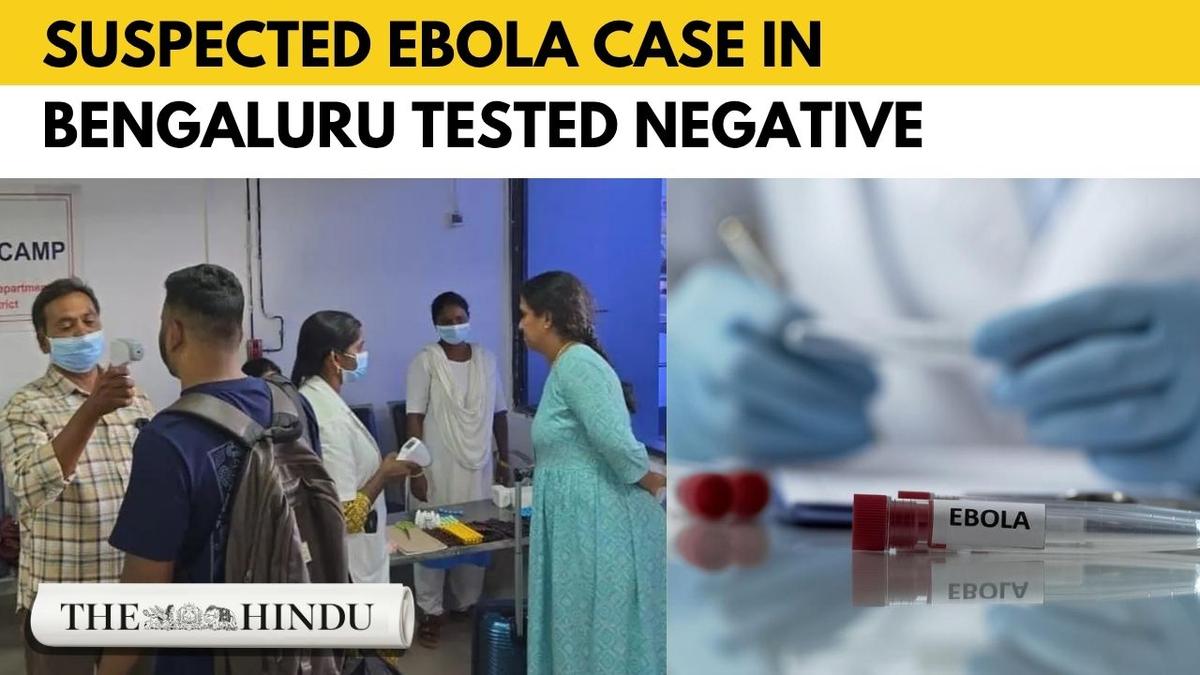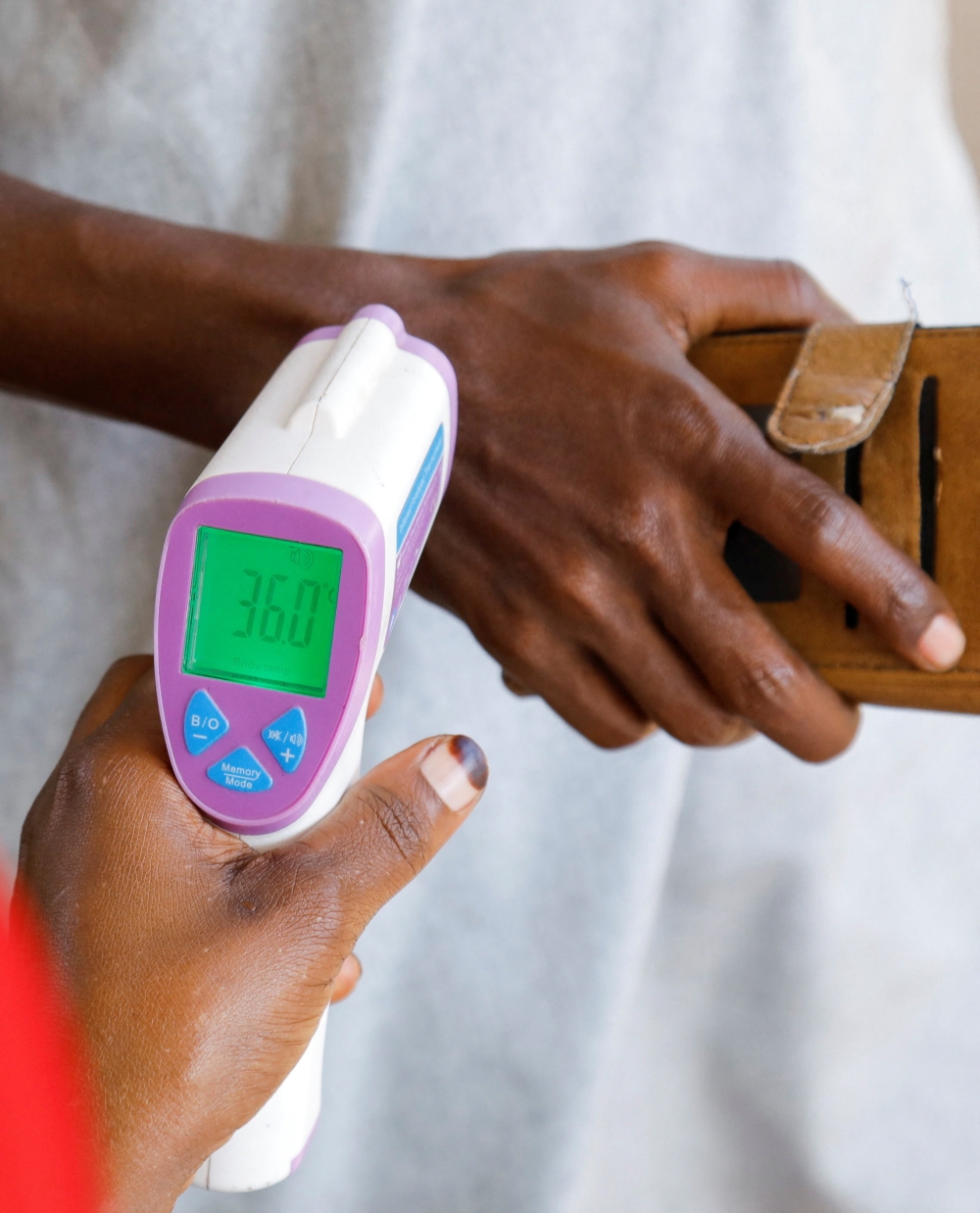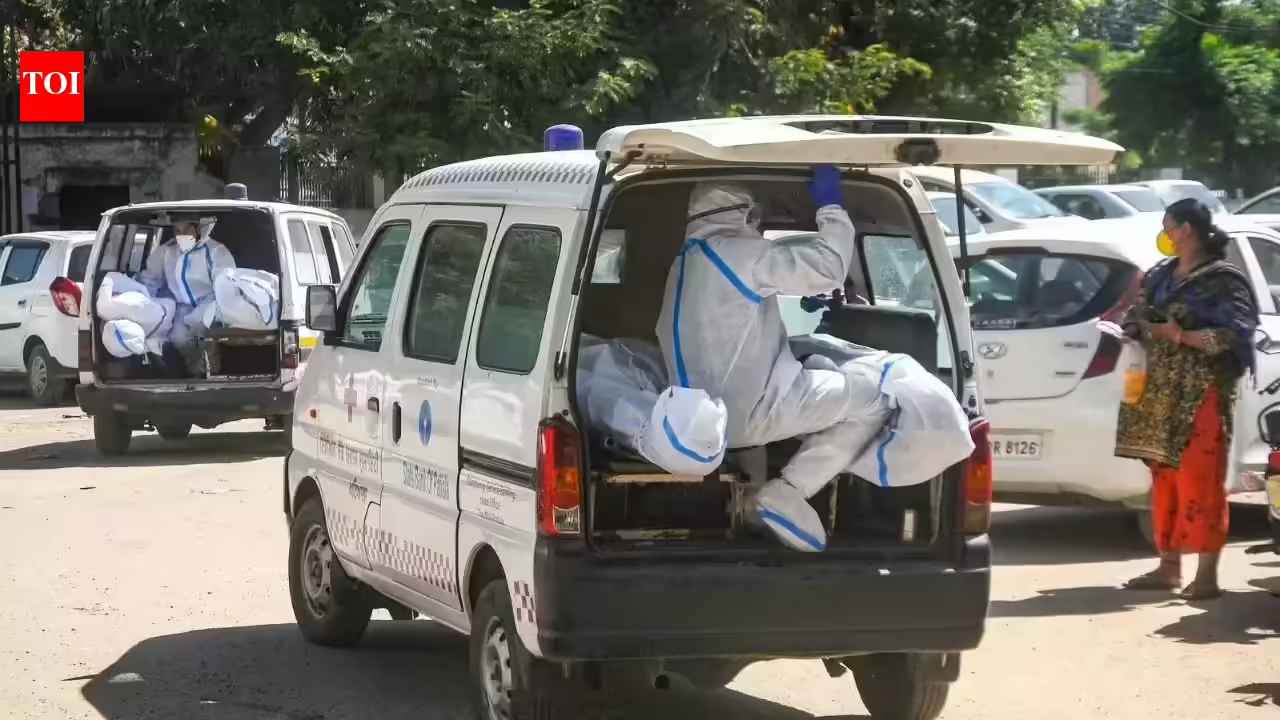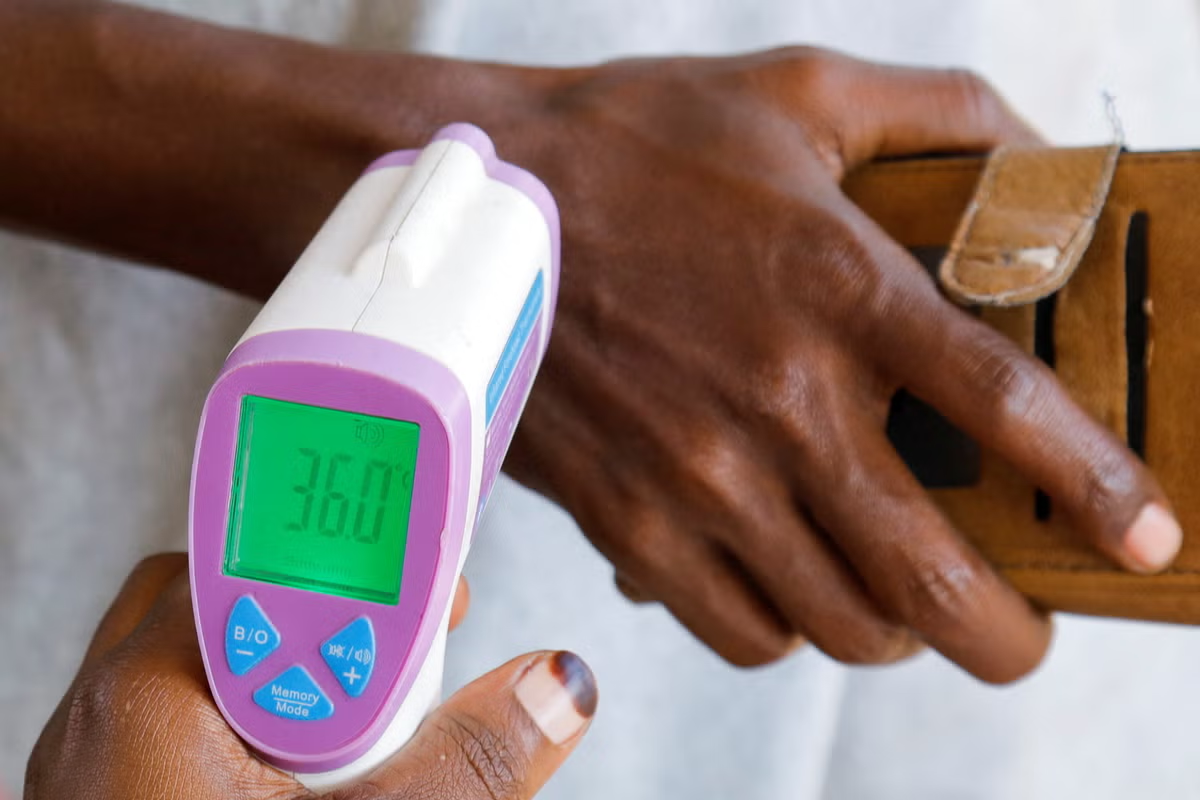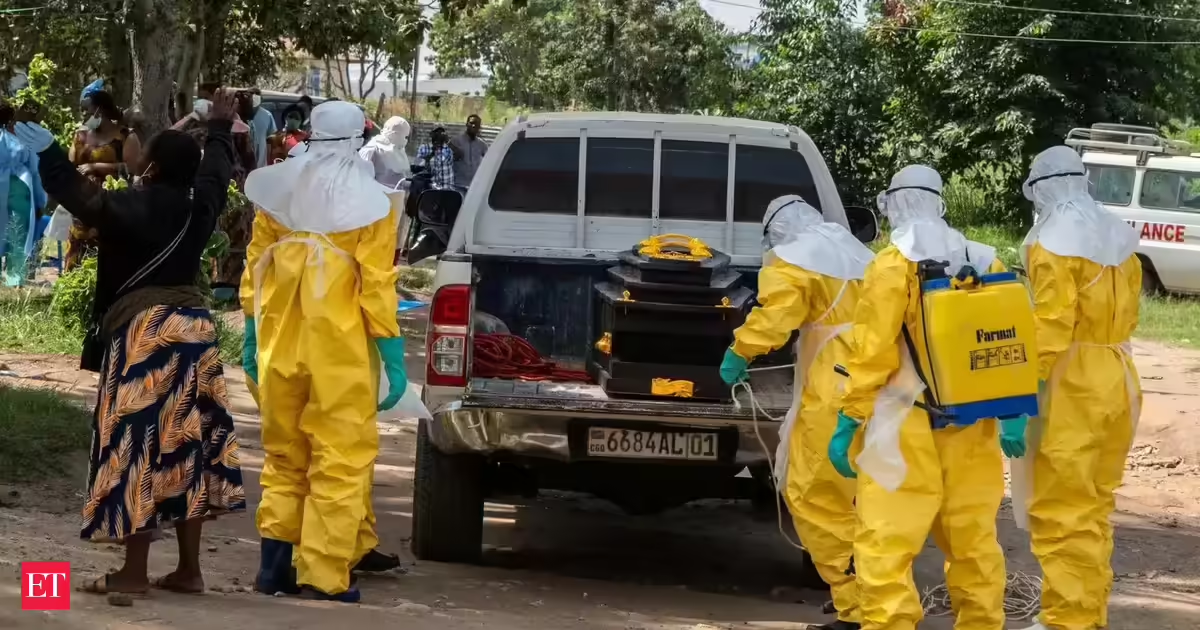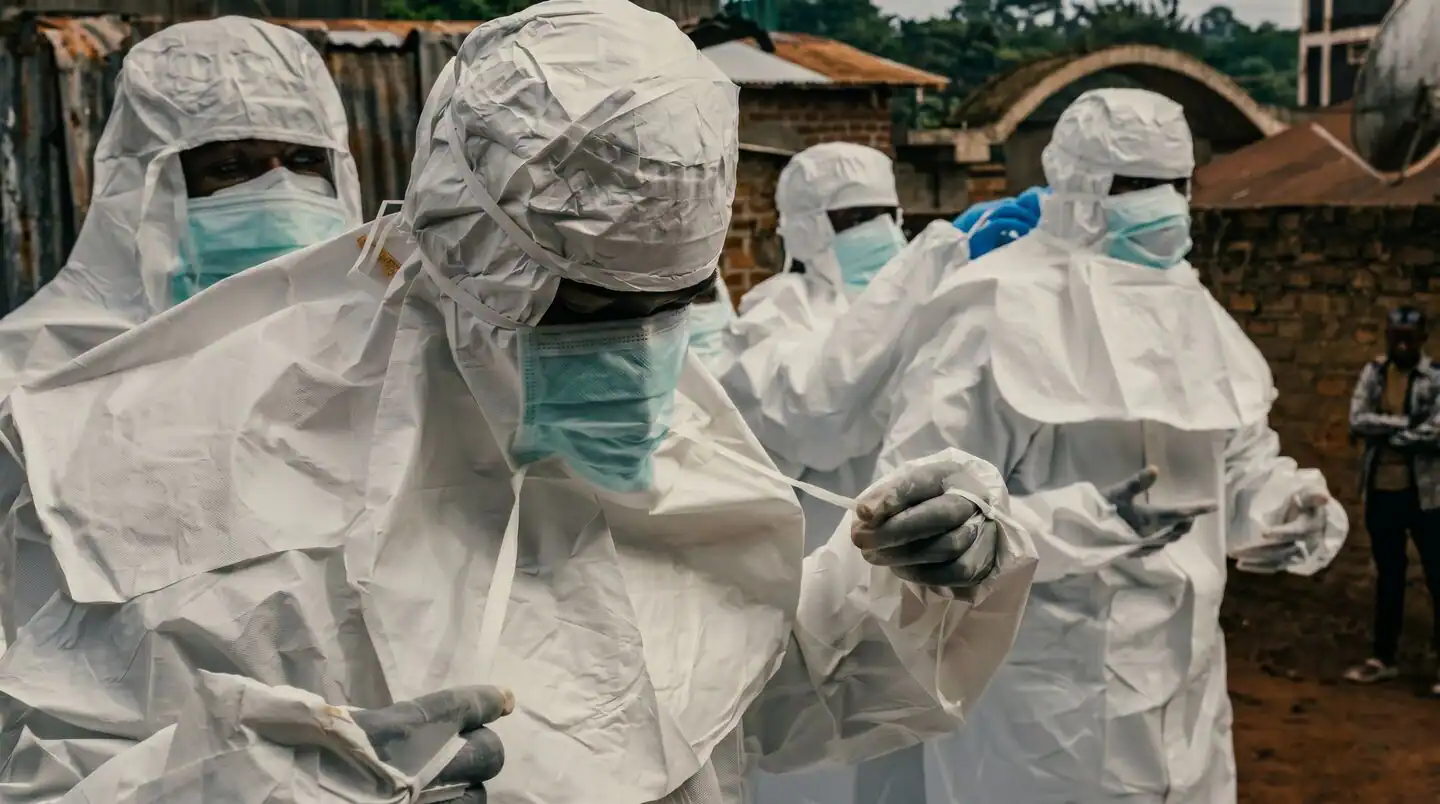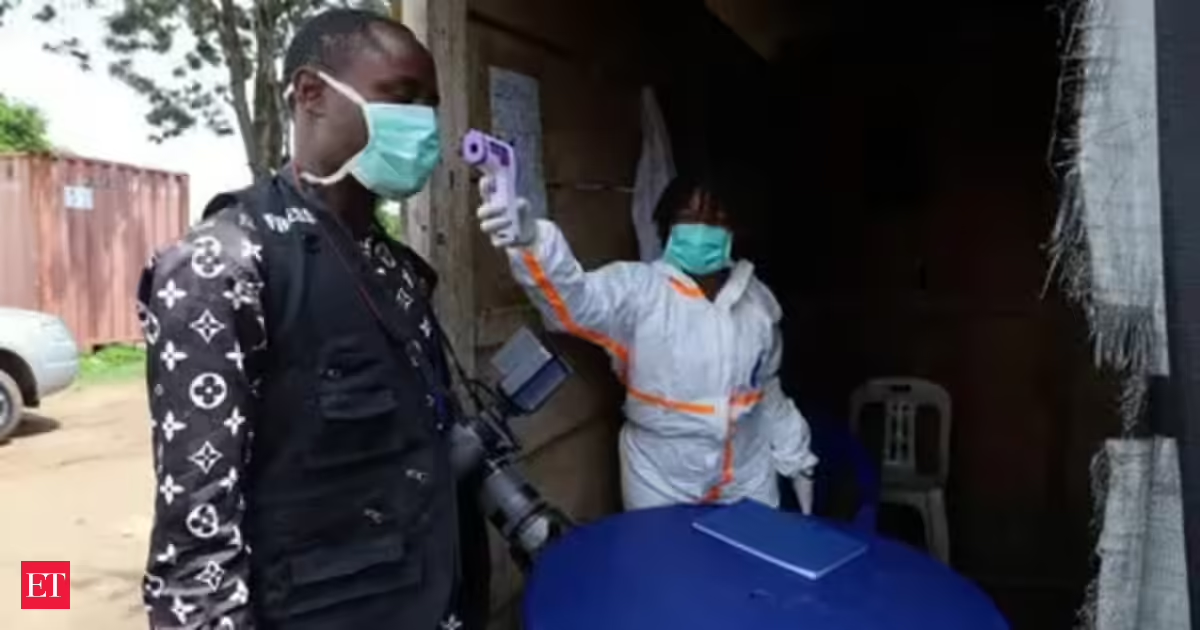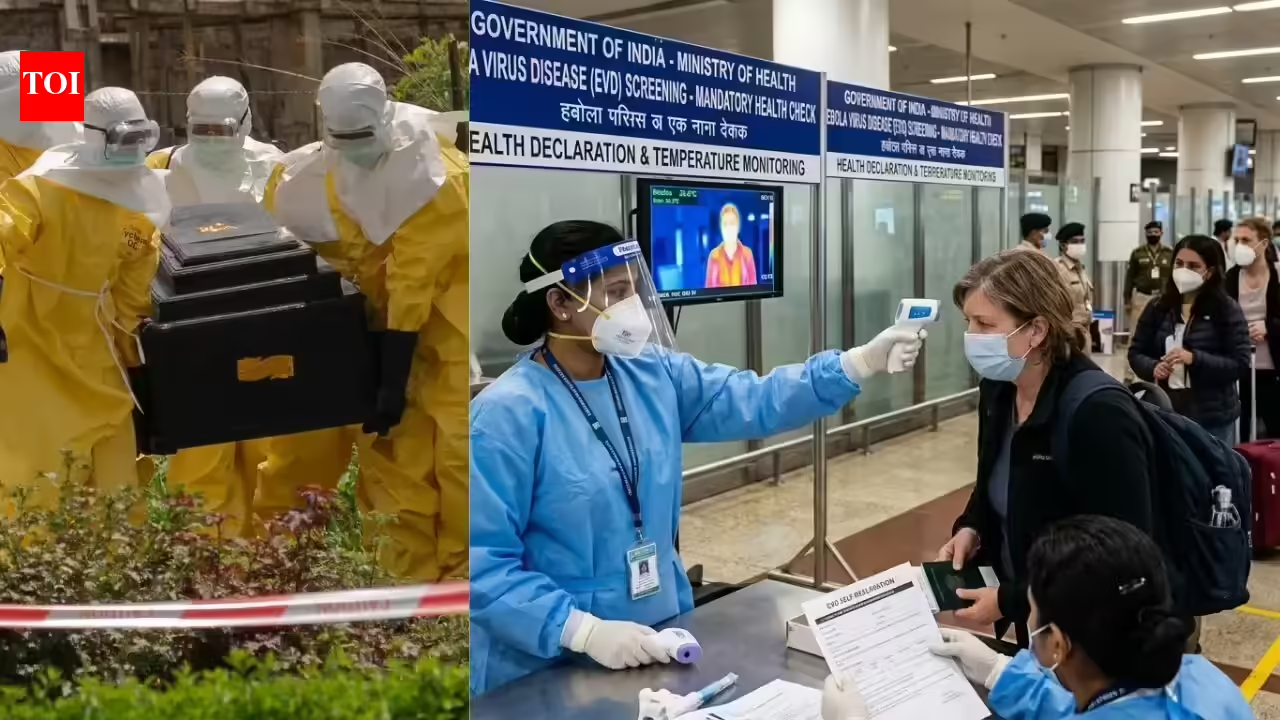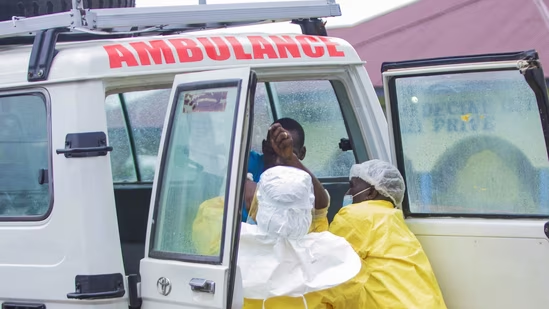
A 28-year-old woman from Uganda, suspected of showing symptoms of the Ebola virus, has tested negative, Karnataka Minister Dinesh Gundu Rao said on Wednesday.The woman-who had arrived from an Ebola-affected region-was moved from a hotel to the state-run Epidemic Diseases Hospital. (Representational image) (REUTERS)According to officials, the woman-who had arrived from an Ebola-affected region-was moved from a hotel to the state-run Epidemic Diseases Hospital on Tuesday after she developed mild symptoms such as body aches.Her blood samples were collected and sent to the National Institute of Virology in Pune for testing."The suspected Ebola case reported in the state has tested negative following laboratory examination. Health authorities have confirmed that the individual is not infected with the Ebola virus," the state health minister said in a post on X.Also Read | Government issues travel advisory, urges people to avoid Ebola-hit countries"All required medical protocols and precautionary measures were strictly followed in accordance with established public health guidelines," he added.Rao said the Karnataka Health Department continues to closely monitor the situation and remains fully prepared to take all necessary measures in the interest of public health and safety."Citizens are advised not to panic, to follow prescribed health guidelines, and to rely only on official information and advisories issued by the government and health department," he added.The World Health Organisation declared the ongoing Ebola outbreak in the Democratic Republic of Congo (DRC) and Uganda a Public Health Emergency of International Concern (PHEIC) on May 17.In response to Ebola outbreaks in several African countries, the Karnataka Health Department had advised individuals who had recently travelled to affected nations to undergo health monitoring and self-observation for 21 days after returning.The department said those developing symptoms should immediately report to the nearest health facility, while Rapid Response Teams (RRTs) would carry out surveillance activities.According to the WHO website, Ebola is a severe, often fatal illness affecting humans and other primates.The virus is transmitted to humans from wild animals (such as fruit bats, porcupines, and non-human primates) and then spreads within the human population through direct contact with the blood, secretions, organs, or other bodily fluids of infected people, as well as with surfaces and materials (example: bedding and clothing) contaminated with these fluids, it said.
Ugandan woman, suspected of Ebola infection, tests negative in Karnataka
Karnataka minister says health department continues to closely monitor the situation and remains fully prepared to take all necessary measures | India News
369 words~2 min read