Preserving the library alone will not rescue reading, Sheila Liming writes, but it is a good place to begin. Getty Images
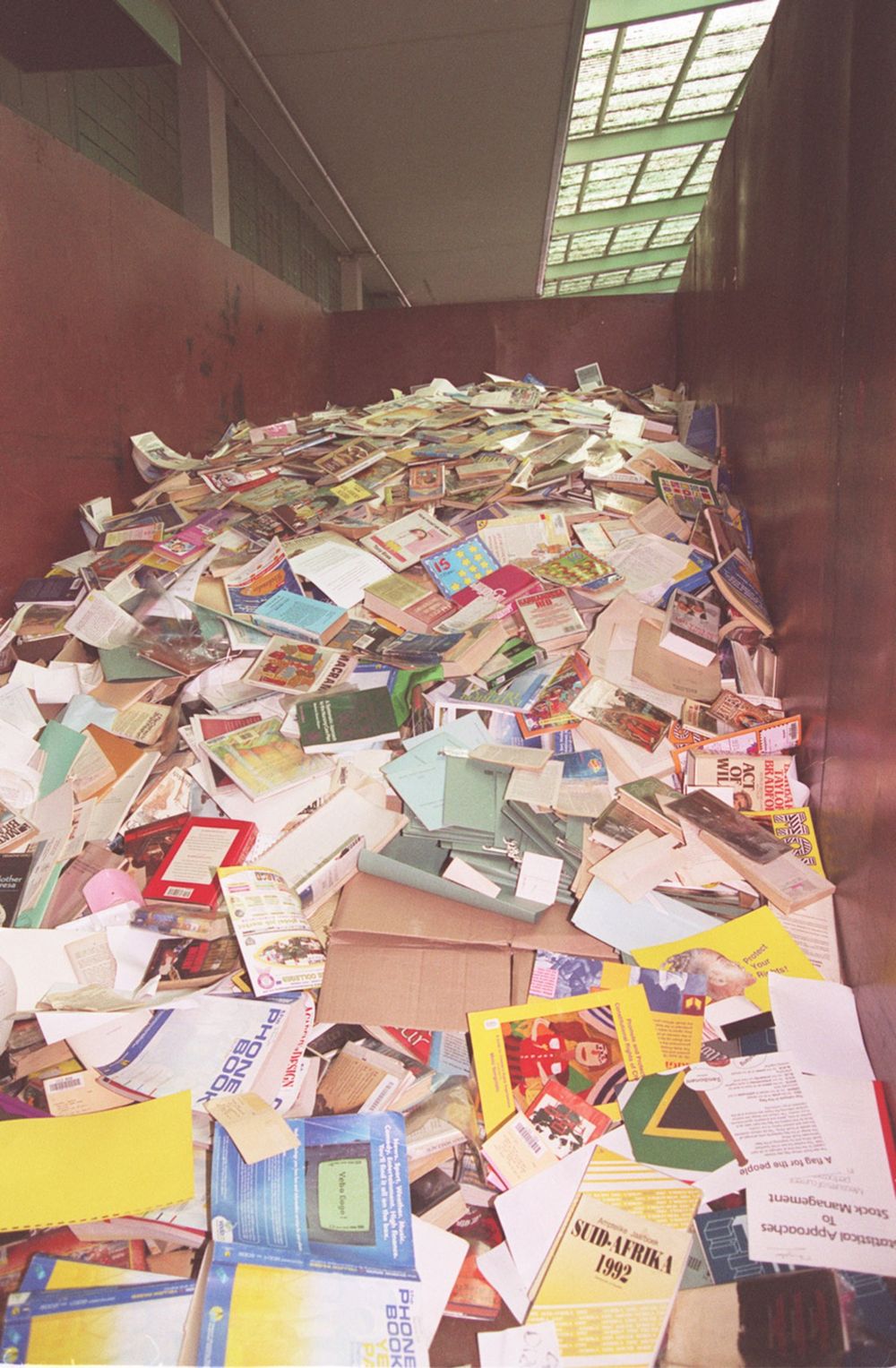
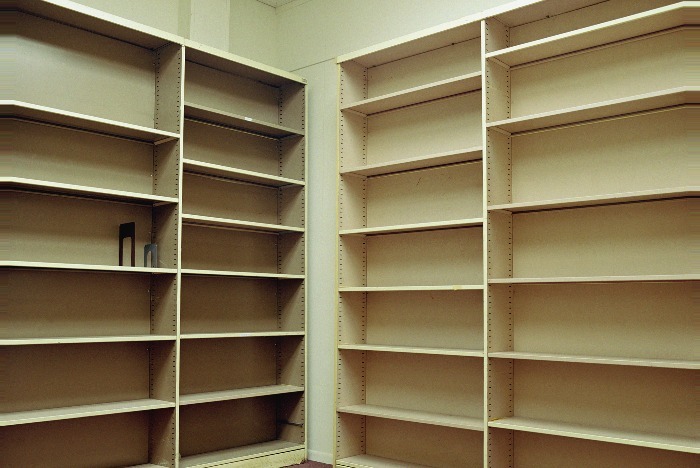
on a june day in 2018, I watched a construction loader pour thousands of books into a big green dumpster. It had appeared overnight, parked behind the library at the university where I taught English. I heard the books before I saw them; the terrible crashing sound reached me in my un-air-conditioned basement office, interrupting my own work on the manuscript of my first book, by then nearly finished. The volumes in the dumpster were being “deaccessioned,” as the practice is known in information science. The library was being renovated. Large open lounge areas would be created. And so the shelves were being cleared to make space—not for more books but for space itself.
A few months before the dumpster arrived, I had been drawn into a bitter dispute over the imperiled books. It had started with a spreadsheet from library staff naming several thousand titles that were to be eliminated from the collection due to low checkout rates. My colleagues and I were given a few weeks to identify any books we thought worth keeping. This resulted, at first, in a burst of energy. We added comments. We wrote impassioned defenses directed at the librarians doing the culling. We shared the list with our students, who checked out titles that were slated for removal—a last-ditch attempt to boost their circulation. And we agreed to take some of the rejected books ourselves, to house them in our offices or classrooms or shared campus spaces, since a state university’s property, even if it’s been deemed trash, cannot be transferred to private individuals.