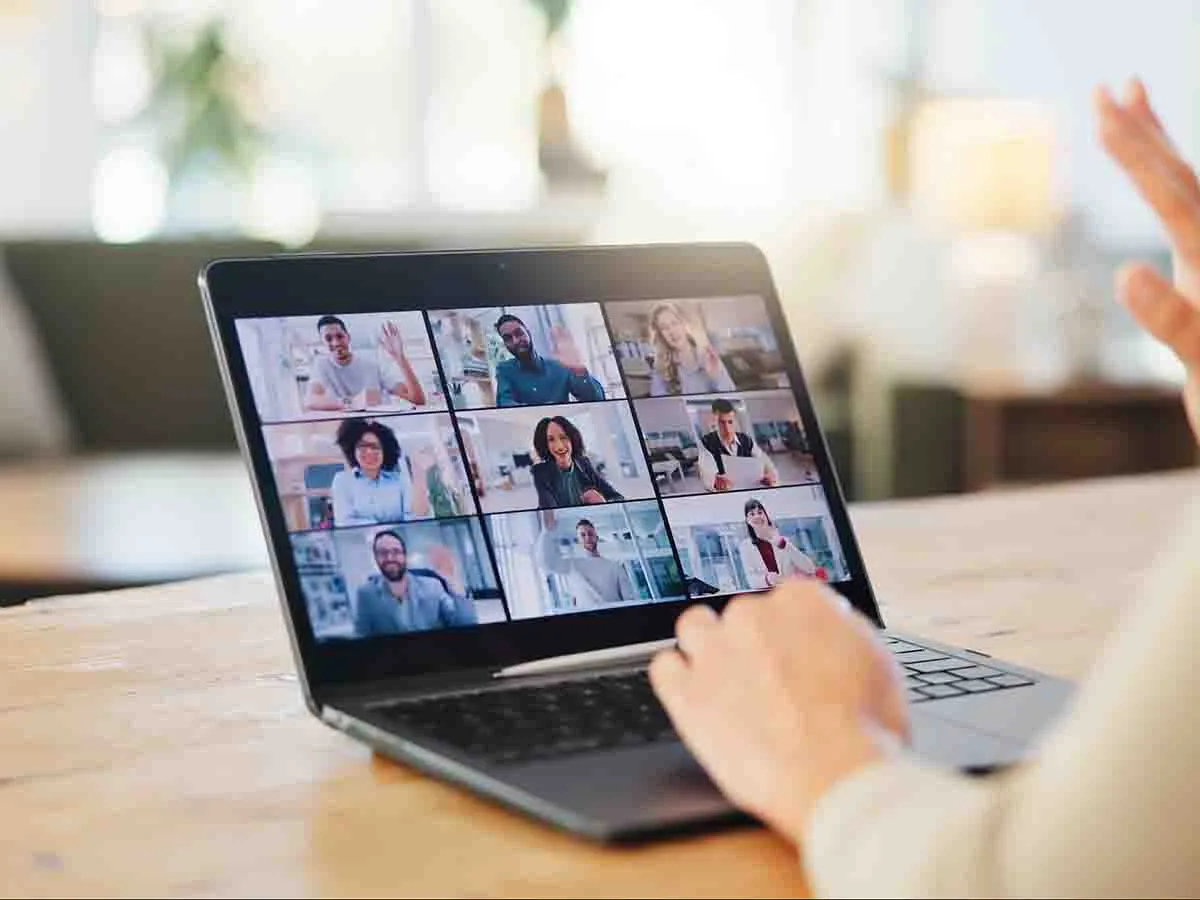
Skip to Content News Archives Economy Energy Oil & Gas Renewables Electric Vehicles Mining Commodities Agriculture Real Estate Mortgages Mortgage Rates Finance Banking Insurance Fintech Cryptocurrency Work Wealth Smart Money Wealth Management Investor Personal Finance Family Finance Retirement Taxes High Net Worth FP Comment Executive Women Puzzmo Newsletters Financial Times Business Essentials More Innovation Information Technology FP500 Podcasts Small Business Lives Told Tails Told Shopping Financial Post Store Obituaries Place a Notice Advertising Advertising With Us Advertising Solutions Postmedia Ad Manager Sponsorship Requests Classifieds Place a Classifieds ad Working Profile Settings My Subscriptions Saved Articles My Offers Newsletters Customer Service FAQ News Economy Energy Mining Real Estate Finance Work Wealth Investor FP Comment Executive Women Puzzmo Newsletters Financial Times Business Essentials HomeWorkWhere the next remote-work battlelines are being drawnHoward Levitt and Candice Malan: The remote-work era has fundamentally changed the balance between flexibility, trust and oversightLast updated 1 hour ago You can save this article by registering for free here. Or sign-in if you have an account.Employees likely do not realize the extent to which their work can now be monitored, measured and analyzed. Photo by New Africa - stock.adobe.comFor decades, workplace dishonesty was relatively easy to identify.Subscribe now to read the latest news in your city and across Canada.Exclusive articles from Barbara Shecter, Joe O'Connor, Gabriel Friedman, and others.Daily content from Financial Times, the world's leading global business publication.Unlimited online access to read articles from Financial Post, National Post and 15 news sites across Canada with one account.National Post ePaper, an electronic replica of the print edition to view on any device, share and comment on.Daily puzzles, including the New York Times Crossword.Subscribe now to read the latest news in your city and across Canada.Exclusive articles from Barbara Shecter, Joe O'Connor, Gabriel Friedman and others.Daily content from Financial Times, the world's leading global business publication.Unlimited online access to read articles from Financial Post, National Post and 15 news sites across Canada with one account.National Post ePaper, an electronic replica of the print edition to view on any device, share and comment on.Daily puzzles, including the New York Times Crossword.Create an account or sign in to continue with your reading experience.Access articles from across Canada with one account.Share your thoughts and join the conversation in the comments.Enjoy additional articles per month.Get email updates from your favourite authors.Create an account or sign in to continue with your reading experience.Access articles from across Canada with one accountShare your thoughts and join the conversation in the commentsEnjoy additional articles per monthGet email updates from your favourite authorsSign In or Create an AccountorEmployees falsified time sheets. They claimed overtime they never worked. They disappeared for hours during the workday. Some even had co-workers “buddy punch” timecards for them. It is called fraud.The consequences were equally straightforward. Serious dishonesty has long been grounds for dismissal for cause.But remote work has changed the workplace in ways few employers or employees fully anticipated. It has also created an entirely new question for modern employers:FP Work touches on HR strategy, labour economics, office culture, technology and more.By signing up you consent to receive the above newsletter from Postmedia Network Inc.A welcome email is on its way. If you don't see it, please check your junk folder.The next issue of Work will soon be in your inbox.We encountered an issue signing you up. Please try againWhat does “working” actually look like nowadays?Before COVID-19, most employers measured work in a fairly traditional way. Employees arrived at the office. Managers saw them sitting at their desks. Attendance itself became part of how employers measured productivity, accountability and engagement. And supervisors, well, they supervised — and were able to.Then millions of employees abruptly began working from home.For some, remote work proved effective. Employees avoided commutes, gained flexibility and often reported improved work-life balance. Employers discovered they could reduce costs while maintaining productivity.But employers have found they are not getting the productivity they did before, and employees are not putting in the same amount of hours, let alone collaborating to the extent they were when working directly with their colleagues.Managers could no longer physically observe employees throughout the day, and the loss of visibility changed how employers think about trust and productivity.Technology quickly stepped in to fill the gap.Modern workplaces now generate enormous amounts of information about employee activity:Microsoft Teams’ statusesVPN and Wi-Fi activityLogin recordsKeyboard trackingProductivity softwarePrograms that detect “mouse jigglers” intended to simulate computer activityEmployees likely do not realize the extent to which their work can now be monitored, measured and analyzed.At the same time, many employers remain deeply skeptical about whether remote employees are working as much as they appear to be.That skepticism is creating a new generation of workplace conflict.Years ago, pretending to work usually involved physically leaving the office. Today, it can involve appearing to be online while running errands, scheduling emails to send automatically, using software to keep an “active” status on messaging platforms or creating the appearance of productivity while doing little actual work.We had a lawyer leave our firm and found hundreds of unsent emails in his wake. On examination, we learned they had been generated by AI. Had we known that at the time, the lawyer would have been out the door much earlier!An employee can now appear highly active online while accomplishing very little. Another employee may appear inactive while producing exceptional work.That ambiguity has blurred the line between flexibility and dishonesty.Canadian courts have long held that serious dishonesty can justify termination for cause. But not every allegation of dishonesty rises to that level. Context matters. Intent matters. Whether the employee was actually failing to perform their work matters.Employers should be cautious about assuming that every instance of questionable workplace behaviour justifies dismissal for cause. Courts typically examine whether the employee failed to perform their duties, whether there was deliberate deception, whether the conduct was repeated and whether progressive discipline or warnings were provided before termination.Employees, meanwhile, should not assume that remote-work flexibility eliminates traditional workplace obligations. Deliberately creating the false impression of productivity or availability is very different from simply working flexible hours with an employer’s knowledge or approval.Employers implementing remote-work monitoring should ensure employees clearly understand workplace expectations, productivity standards and the consequences of deliberately misrepresenting their activity.Ambiguous expectations create legal risk for both sides.An employee who briefly steps away from their computer during the day while continuing to complete assignments is viewed very differently than an employee deliberately creating the false appearance of working while performing little or no work at all.That distinction becomes increasingly important as workplace surveillance expands.And it is expanding rapidly.The modern workplace now allows employers to monitor behaviour in ways that would have been unimaginable only a decade ago. Some employers track keystrokes. Others monitor screen time, application usage or response times. AI tools are now being used to analyze productivity patterns and workplace behaviour.Employees often view these as intrusive. Employers view them as necessary for accountability.Both sides are partly right.Courts are increasingly being asked to balance employee privacy expectations against employers’ legitimate interest in monitoring productivity and protecting their businesses.The remote-work era has fundamentally changed the balance between flexibility, trust and oversight. Employees want autonomy over how and where they work. Employers want reassurance that the work is actually being done.That combination was always going to create tension. And it is.The next round of workplace disputes will focus less on where employees are working and more on something far more difficult to define: how employers determine whether employees are truly working at all.Howard Levitt is senior partner of Levitt LLP, employment and labour lawyers with offices in Ontario, Alberta and British Columbia. He practises employment law in eight provinces and is the author of six books, including the Law of Dismissal in Canada. Candice Malan is an associate at Levitt LLP. Join the Conversation This website uses cookies to personalize your content (including ads), and allows us to analyze our traffic. Read more about cookies here. By continuing to use our site, you agree to our Terms of Use and Privacy Policy.
Where the next remote-work battlelines are being drawn
The remote-work era has fundamentally changed the balance between flexibility, trust and oversight. Find out more.
1,336 words~6 min read