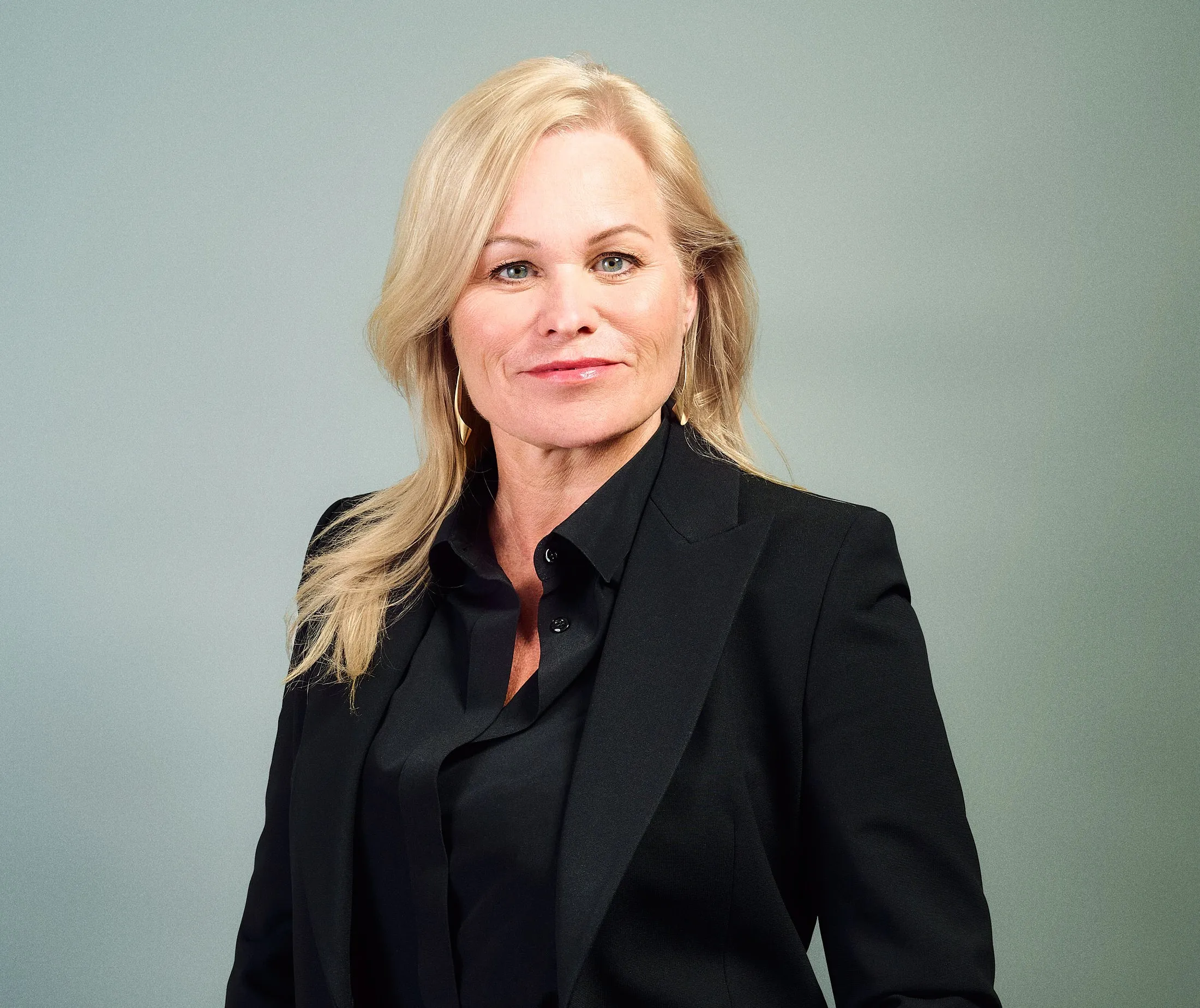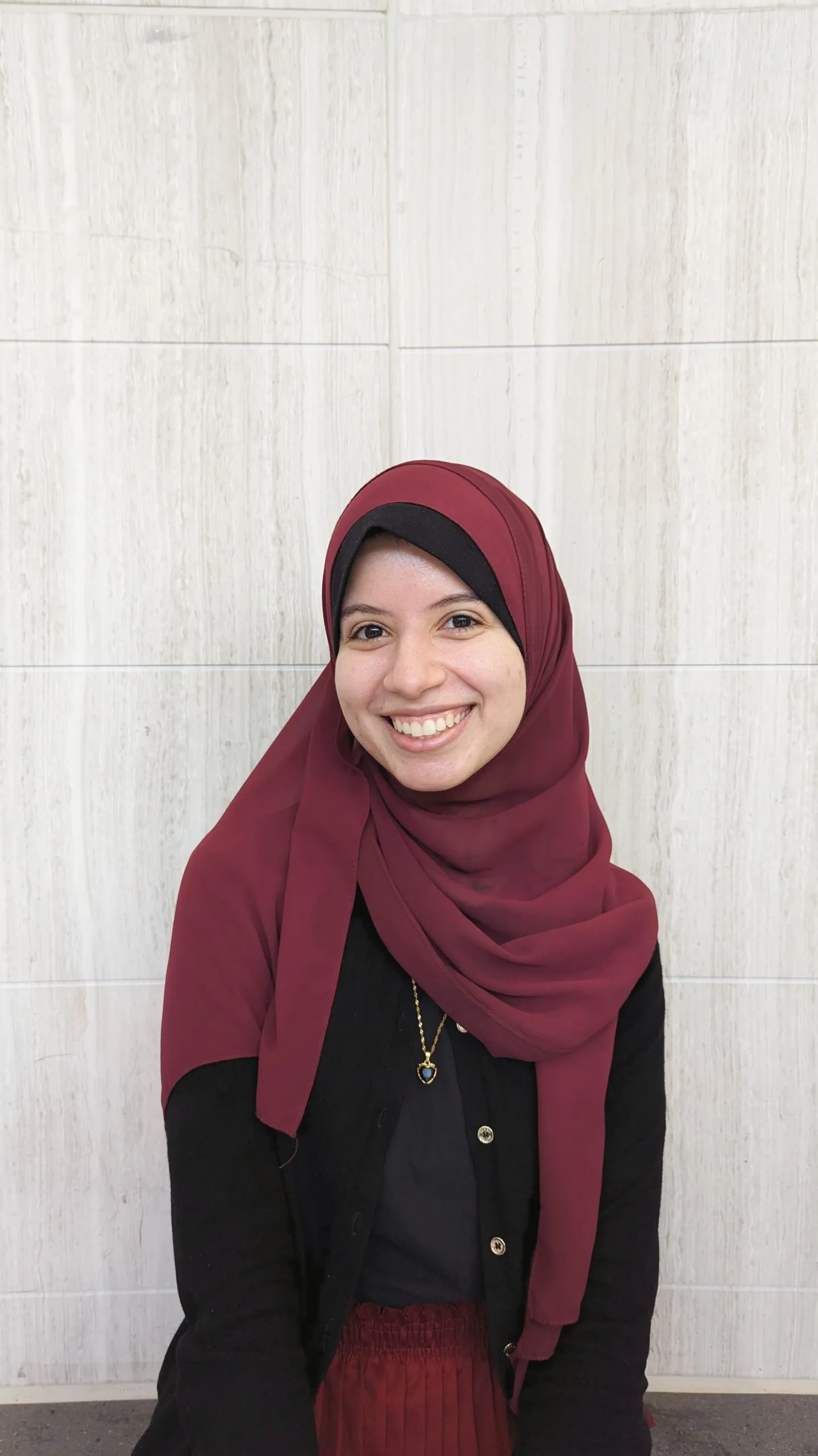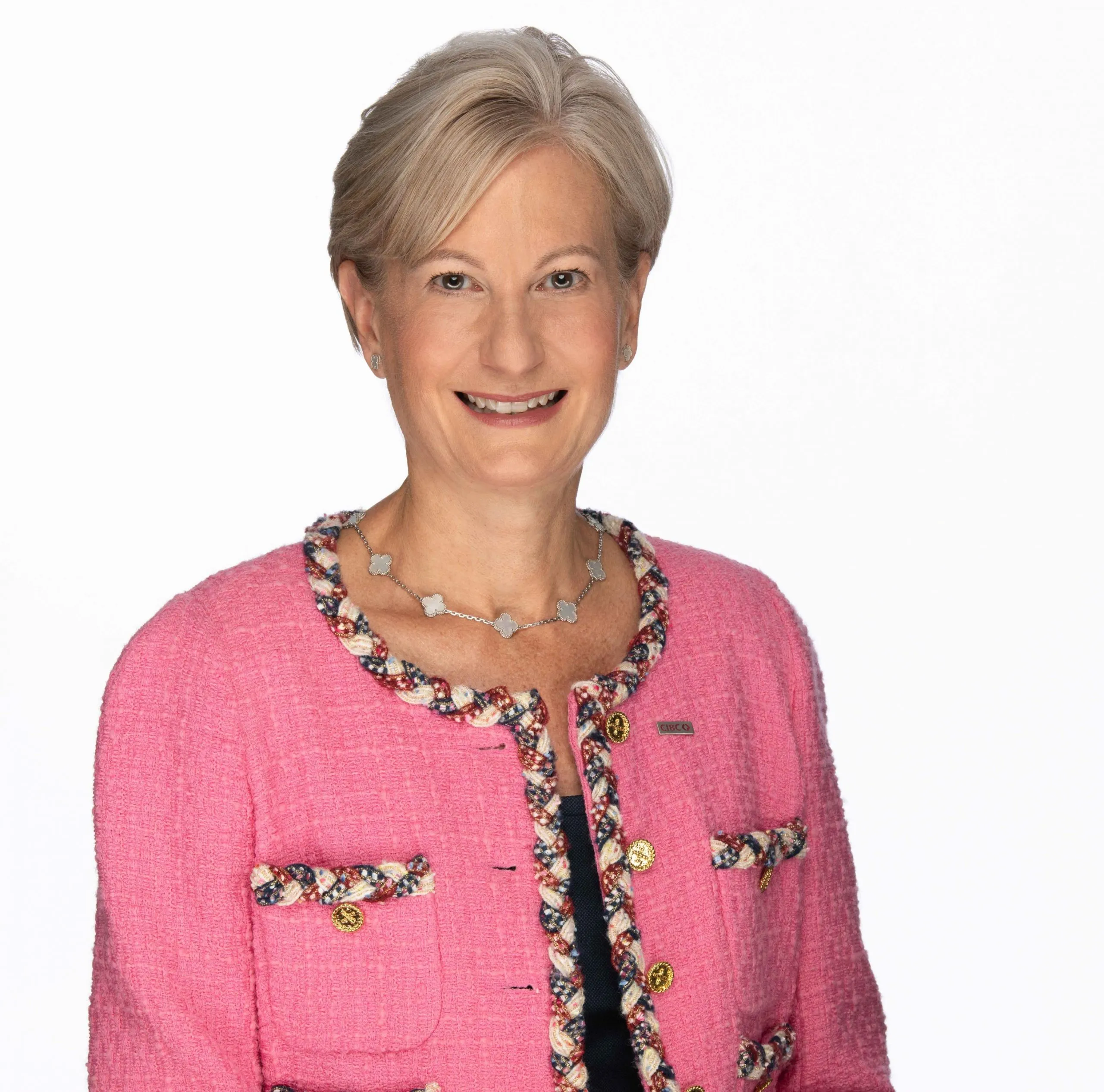
Skip to Content News Archives Economy Energy Oil & Gas Renewables Electric Vehicles Mining Commodities Agriculture Real Estate Mortgages Mortgage Rates Finance Banking Insurance Fintech Cryptocurrency Work Wealth Smart Money Wealth Management Investor Personal Finance Family Finance Retirement Taxes High Net Worth FP Comment Executive Women Puzzmo Newsletters Financial Times Business Essentials More Innovation Information Technology FP500 Podcasts Small Business Lives Told Tails Told Shopping Financial Post Store Obituaries Place a Notice Advertising Advertising With Us Advertising Solutions Postmedia Ad Manager Sponsorship Requests Classifieds Place a Classifieds ad Working Profile Settings My Subscriptions Saved Articles My Offers Newsletters Customer Service FAQ News Economy Energy Mining Real Estate Finance Work Wealth Investor FP Comment Executive Women Puzzmo Newsletters Financial Times Business Essentials HomeExecutive Women From barriers to breakthroughs: Women influencing the futureResearch proves the value of women in leadershipLast updated Dec 01, 2025You can save this article by registering for free here. Or sign-in if you have an account.Sarah Bull. SuppliedReviews and recommendations are unbiased and products are independently selected. Postmedia may earn an affiliate commission from purchases made through links on this page.The research is clear: Women in executive leadership bring and foster diversity of thought, improve employee engagement, boost innovation, performance and profitability, and they achieve all this through collaborative and inclusive leadership.Subscribe now to read the latest news in your city and across Canada.Exclusive articles from Barbara Shecter, Joe O'Connor, Gabriel Friedman, and others.Daily content from Financial Times, the world's leading global business publication.Unlimited online access to read articles from Financial Post, National Post and 15 news sites across Canada with one account.National Post ePaper, an electronic replica of the print edition to view on any device, share and comment on.Daily puzzles, including the New York Times Crossword.Subscribe now to read the latest news in your city and across Canada.Exclusive articles from Barbara Shecter, Joe O'Connor, Gabriel Friedman and others.Daily content from Financial Times, the world's leading global business publication.Unlimited online access to read articles from Financial Post, National Post and 15 news sites across Canada with one account.National Post ePaper, an electronic replica of the print edition to view on any device, share and comment on.Daily puzzles, including the New York Times Crossword.Create an account or sign in to continue with your reading experience.Access articles from across Canada with one account.Share your thoughts and join the conversation in the comments.Enjoy additional articles per month.Get email updates from your favourite authors.Create an account or sign in to continue with your reading experience.Access articles from across Canada with one accountShare your thoughts and join the conversation in the commentsEnjoy additional articles per monthGet email updates from your favourite authorsSign In or Create an AccountorOf course, to drive this kind of impact you have to rise to those executive levels — a challenge, particularly since these spaces in many industries are still male-dominated. National Post sat down with three of this year’s WXN Canada’s Most Powerful Women: Top 100 CN Executive Leaders to learn about their career journeys.* Responses have been edited for length.Get the latest headlines, breaking news and columns.By signing up you consent to receive the above newsletter from Postmedia Network Inc.A welcome email is on its way. If you don't see it, please check your junk folder.The next issue of Top Stories will soon be in your inbox.We encountered an issue signing you up. Please try againSarah Bull, Managing Partner, KJ Harrison Investors Turning points I started my career on the bond trading desk, which is very transactional, but I am a relationship person. I asked myself, ‘What do I need to do to really be passionate about my career?’ I decided to trust that inner guidance and moved to the private client side of finance and wealth management, which turned out to be the best decision.Another key moment was to seek out advice and a mentor early in my career; someone who believed in me, opened doors, and showed me what I was capable of. That experience taught me the power of paying it forward and giving others their shot to grow.Motherhood deepened that lesson. It showed me that the idea of the ‘lone wolf’ is a myth — we succeed through community. I had a group of women who are still my friends to this day, and we acted as moms to our combined group of kids. I realized that just as I had my team at the office, I would need a team in my life. It takes a village to be a success.Overcoming challenges to rise boldly When I was starting out, being a woman in wealth management was tricky because there were so few of us. If someone said something I found inappropriate I spoke up, but I never let it define me. I stayed true to my principles and carried on.Growing up in a family of five girls and one boy, my dad made all of us girls feel like we could do anything men can do. I carry that confidence and optimism. Still, early on, I remember going to a conference and wearing a black suit to try to fit in. When I came home, my daughter, who was about three years old, said, ‘Mommy, why do you look like a man?’ It was a lightbulb moment; I quickly switched to wearing bold sweaters and dresses to express my own unique style.In a still-male-dominated industry, I believe women can bring strengths that are vital. We are active listeners, we care, and we do things a little bit more pragmatically — we need to leverage our own strengths rather than try to fit in.But there are also unique challenges. I was up against the expectation that because I was a woman, I would not return to work once I had children. I proved otherwise, showing up every day, working hard, and finding joy along the way. I ran with friends in the mornings, coached my kids’ soccer teams, and made time for the moments that mattered. That balance made me stronger and allowed me to rise boldly.Key achievements Being a mom has profoundly shaped both my perspective and my approach as a portfolio manager — and I’ve been able to practise this approach at KJ Harrison Investors. Our industry can be too focused on performance, but for our firm it’s also about long-term relationships. Our clients know we care about them, along with their goals, concerns and dreams.Beyond this, a major focus of my work today is on making the investment industry more accessible to women and inspiring the next generation of women wealth managers. For example, I recently hosted a Women Exploring Wealth event, bringing together a group of women portfolio managers with young women to help attract them to the industry.I am also proud of the work I do outside the industry. I’m a cancer survivor and sit on the board of the Princess Margaret Hospital Foundation, which is doing incredible work in the treatment and early detection of cancer. For me, success is about impact — both in the lives of clients and in the broader community.Advice to my younger self Don’t trade in your colour. Be true to yourself. Have a learning mindset and fail fast. If you can learn something new every day, if you can laugh every day and if you can make a difference, that’s a very good day.On what it means to rise boldly For me, rising boldly means prioritizing relationships, surrounding myself with people who share the same principles and never wavering from those principles. When those pieces are in place, the world will support you. Svina Dhaliwal. SuppliedSvina Dhaliwal, Partner, PwC; former Chief Administrative Officer, Toronto Police Service Turning points I began my career in consulting in Ottawa and, after a decade, transitioned to an internal corporate finance role at IBM to gain more direct industry experience. Although the move was lateral, I recognized its potential to provide valuable, practical insights that would enhance my effectiveness as a consultant and adviser, as well as open up future opportunities. In this role, I prioritized gaining depth, experience, and credibility over advancement.In 2018, I joined the Toronto Police Service during a time of significant organizational change and evolving community expectations. Recognizing the complexity of the challenges at hand, I was motivated by the opportunity to create meaningful impact. Through this experience, I gained valuable insights into governmental operations and developed a systems-based approach to addressing societal issues. Now, having returned to consulting in PwC Canada, I am able to leverage my combined private and public sector expertise to support broad transformation initiatives across government, bridging strategy, effective execution, and delivering measurable results.Overcoming challenges to rise boldly Consulting and policing are both fields that have traditionally been male-dominated and culturally homogenous, so I’ve had to be purposeful in how I build trust and influence. Coming in as an “outsider” was never easy — especially when I encountered people who questioned the need for change or didn’t immediately see the value in my perspective. I earned credibility by consistently showing up, working hard, being genuinely curious about others, and demonstrating a true investment in their growth and success.Every step forward in my career — from partnering with communities on equity strategies to overhauling internal HR processes — has moved at the pace of trust I was able to build. As my responsibilities have grown, both professionally and personally, I’ve faced the ongoing challenge of managing competing priorities. I don’t use the word “balance,” because that suggests a stability that rarely exists. Instead, I think of it as constant juggling — making daily decisions about what deserves my attention most.Key achievements I am particularly proud of the transformation that we now see in the Toronto Police personnel. It now reflects the community more authentically than ever before. Our approach extended beyond meeting targets; we pursued systemic change through thoughtful interview practices, strategic recruitment, awareness of biases, effective succession planning, and careful consideration of development needs. As a result, there are now leaders at all ranks dedicated to building upon this foundation.Advice to my younger self Career paths do not need to be linear. Lateral moves and alternative routes contribute to the richness of one’s experience, which ultimately endures longer than rapid advancement up the hierarchy. Mastering storytelling is essential — clearly articulating your experiences and value can make a significant difference during interviews or in making strong impressions. On a personal note, which remains a continual area for growth, I would advise setting clear boundaries for work and life early, enabling you to prioritize effectively and pursue fulfillment with authenticity.On what it means to rise boldly To rise boldly is to put yourself and your reputation forward in pursuit of what is right, while also supporting others on their journeys. It requires challenging perceptions, trusting your instincts, and proactively taking initiative, even when the path ahead is uncertain. Whether considering lateral opportunities or promotions, I have learned not to wait for external validation but to take action independently. This approach demonstrated ambition and dedication to making a meaningful impact, opening doors to connections and opportunities that might otherwise have remained inaccessible had I not chosen to lead by example. Eve Laurier. SuppliedÈve Laurier, Vice-President, Communications, Marketing & Public Affairs, Bombardier Turning points I was 22 when I found myself at a pivotal crossroads. Fresh out of school and working at an advertising agency, I was suddenly handed a challenge: an account director left and a little-known company needed to raise its profile — quickly and with a very tight budget. ‘Here is their messaging,’ they told me. ‘Figure it out.’ In that moment, something clicked. I found my strength, my mission, and my professional passion: uncovering the essence of a brand, an organization or a person and translating it into an engaging story that resonates and inspires the right people to make a difference — that’s where I thrive.At 27, I made a bold move. I left advertising to join an accounting and financial consulting firm in Quebec, now called Richter. Once again, I had to work with little brand recognition and no built-in marketing team. From an awareness point of view, the company was an underdog. On top of that, I didn’t know about accounting, and had no team or budget. Even if I had to start from scratch, I rolled up my sleeves and had the time of my life. By the time I left, Richter had a 14-person team, an enhanced brand and a growing momentum. People started to notice us and, more importantly, what we stood for.Then came Edelman, a global PR agency well-established in North America, except in Quebec. That was the moment I was drawn in: growing visibility obviously but also bringing new mandates and building revenue. This experience was amazing and very formative: Edelman taught me the power of corporate reputation management, the value of trust, and the deep connection between brand-building and corporate reputation. Over seven years, I had the chance to help shape conversations, build relationships, and anchor brands in authenticity.While I was thinking about jumping to consulting, the phone rang. Bombardier was looking for a communications and marketing expert to join its team. That Quebec-based company went through major changes in recent years — originally known for its trains, airplanes and snowmobiles, by 2021, it had left all of that to focus purely on business aviation. Bombardier needed someone to help tell that transformative story clearly, credibly and compellingly. Stars were aligned; this exciting role was meant for me.Overcoming challenges to rise boldly The biggest professional challenge I faced was not being an expert in a sea of people that value expertise and decades of technical knowledge. Early on, I built credibility by learning about the business, the broader industry, and their stakeholders. I listened. I asked questions. In many cases, I sought advice from senior leaders. I said, ‘Here is what I’ve been tasked with. This is what I plan to do, would you be willing to give me some feedback?’ By doing this, I also built a network that has followed me in my career. These people became mentors, collaborators, and trusted colleagues.Key achievements My biggest achievement in my career path is a personal one: the unique relationship I built with my son. Since all my jobs required me to be connected and available all the time, I was worried about how it could affect him. Recently, as he began high school, I asked him how everything was going. He said to me, ‘I don’t want to flex, but I know everyone. I’m making friends so quickly.’I just realized I raised an autonomous, outspoken and open young man — someone who isn’t afraid to connect with others. This first makes me so proud of him but also of myself. I did the impossible, which is building a purposeful career while being a model to my son to lead with resilience, heart and openness.Professionally, I’m proud of the international career I’ve been able to build in Montreal, a city I deeply love. I was raised in a French-speaking family in east Montreal, but my father had a clear vision. He made sure his children all became bilingual so we could be connected to the rest of the world. This is the greatest gift he gave me — opening doors to see possibilities beyond what’s in front of our eyes.Advice to my younger self The thing I learned — later in my career than I would have liked — is the true power of a strong team. Éric Martel, the CEO of Bombardier, was a wonderful mentor in teaching me the importance of really spending time on the structure you need, developing clear roles, responsibilities and career paths. We should invest time in coaching people so you can grow internally and connect people to where we are going.On what it means to rise boldly Fully embracing who you are — both as a professional and as an individual. My values and what’s important to me guided me and helped me advance through my professional journey. This hasn’t always pleased everyone, but you must stay true to who you are. You shouldn’t compromise; otherwise, you are going to dim your light and won’t have the energy to continue.This story was created by Content Works, Postmedia’s Commercial Content Division, on behalf of Women’s Executive Network (WXN).This website uses cookies to personalize your content (including ads), and allows us to analyze our traffic. Read more about cookies here. By continuing to use our site, you agree to our Terms of Use and Privacy Policy.
From barriers to breakthroughs: Women influencing the future
Research proves the value of women in leadership
2,765 words~13 min read