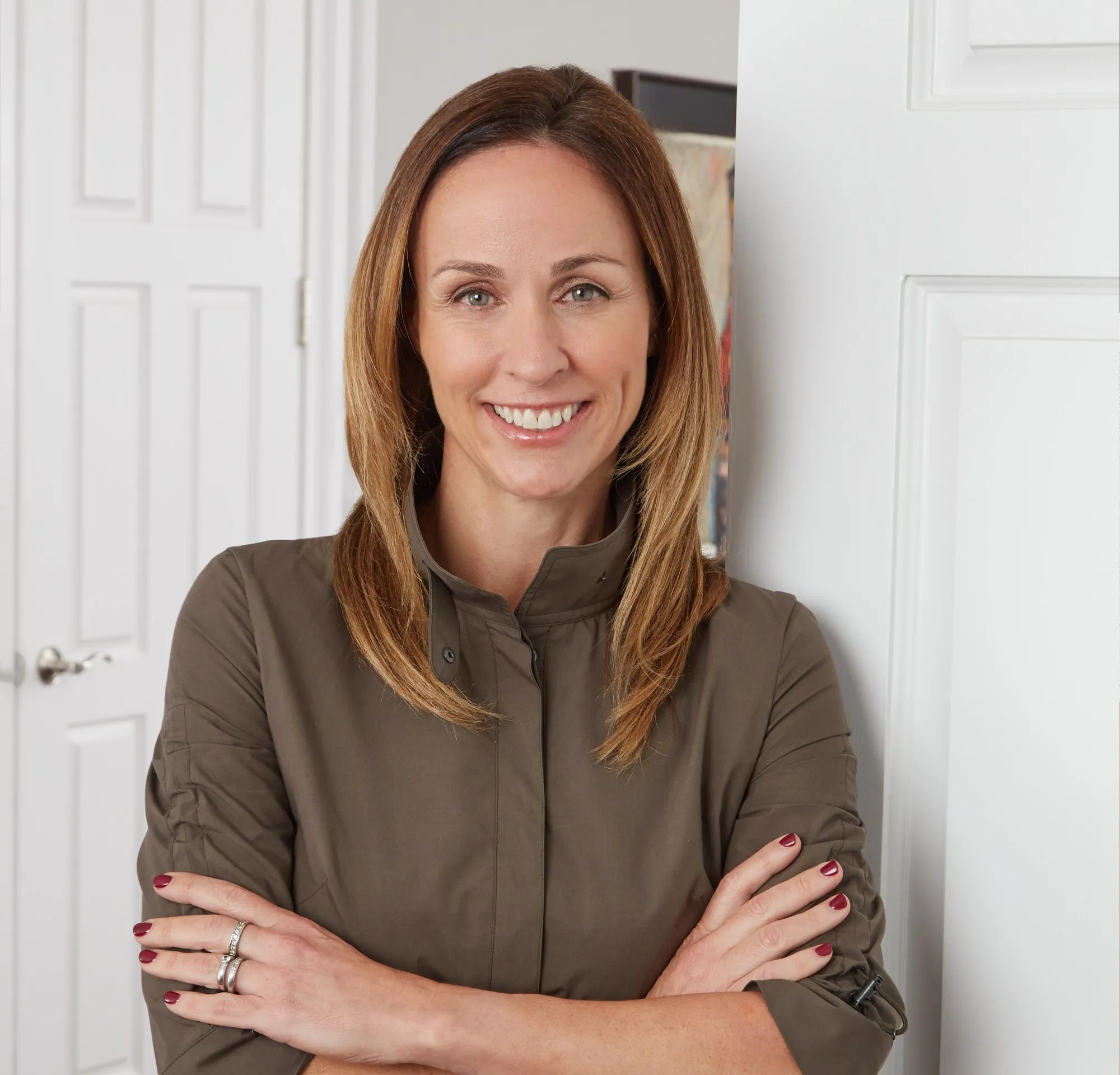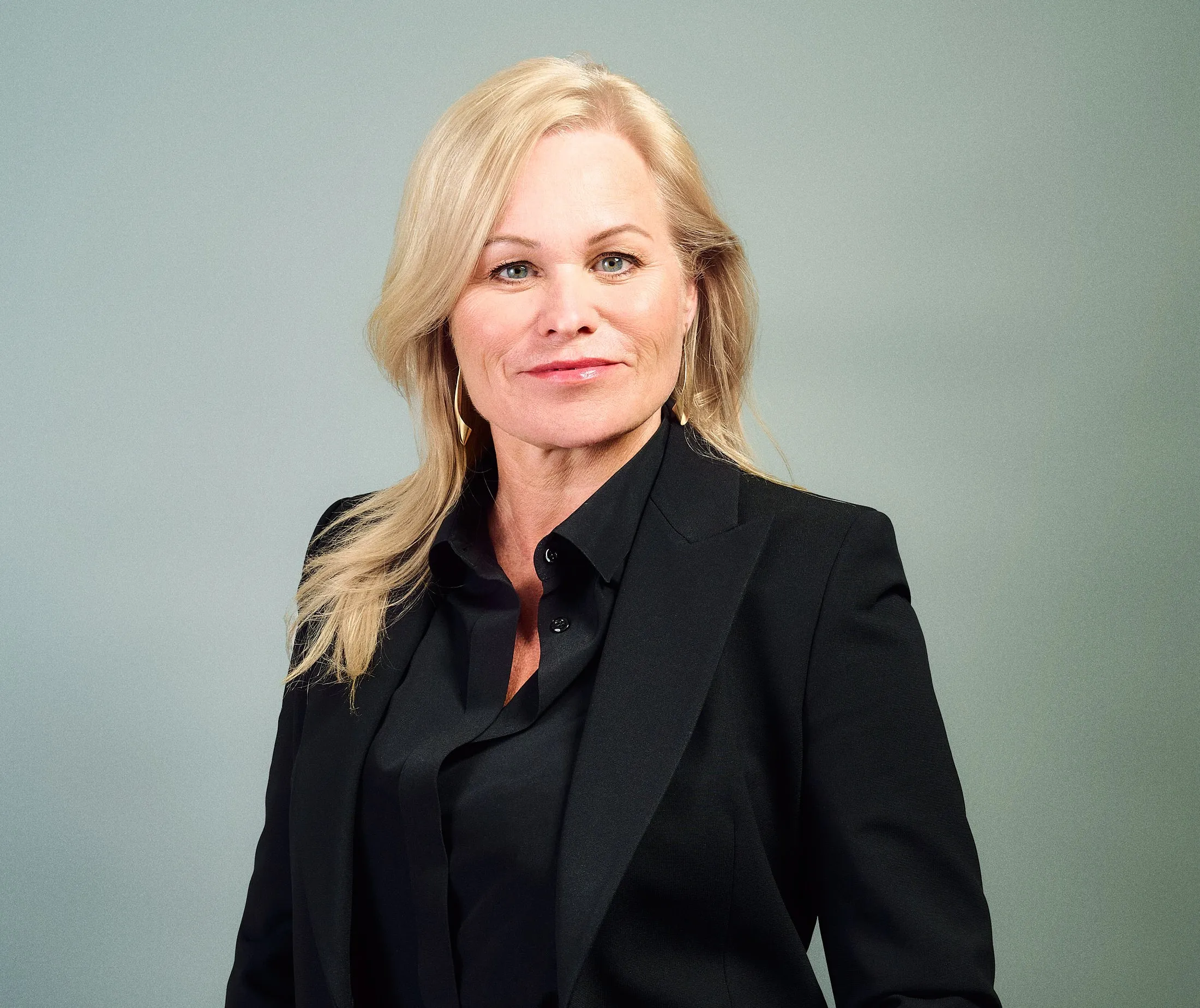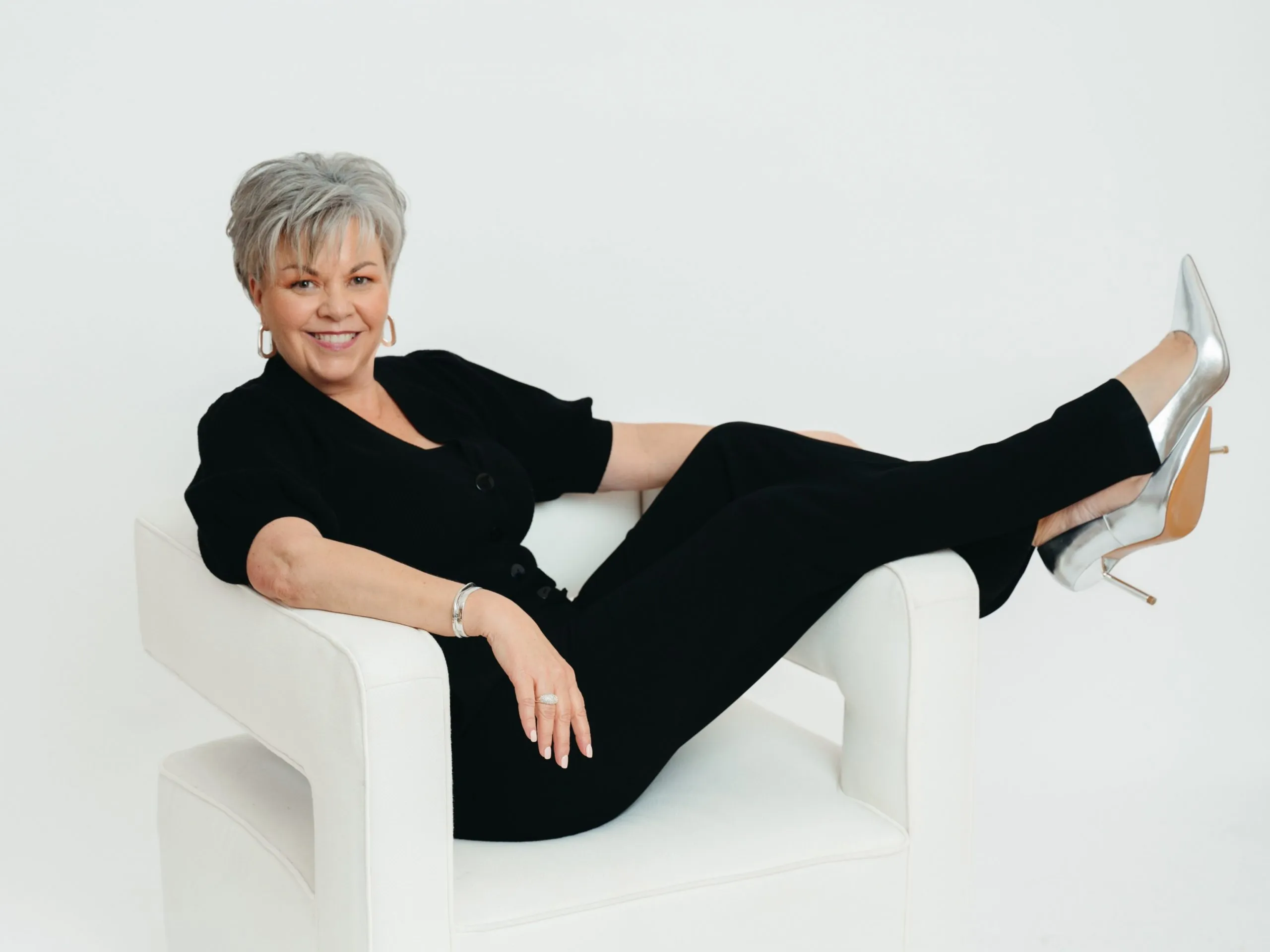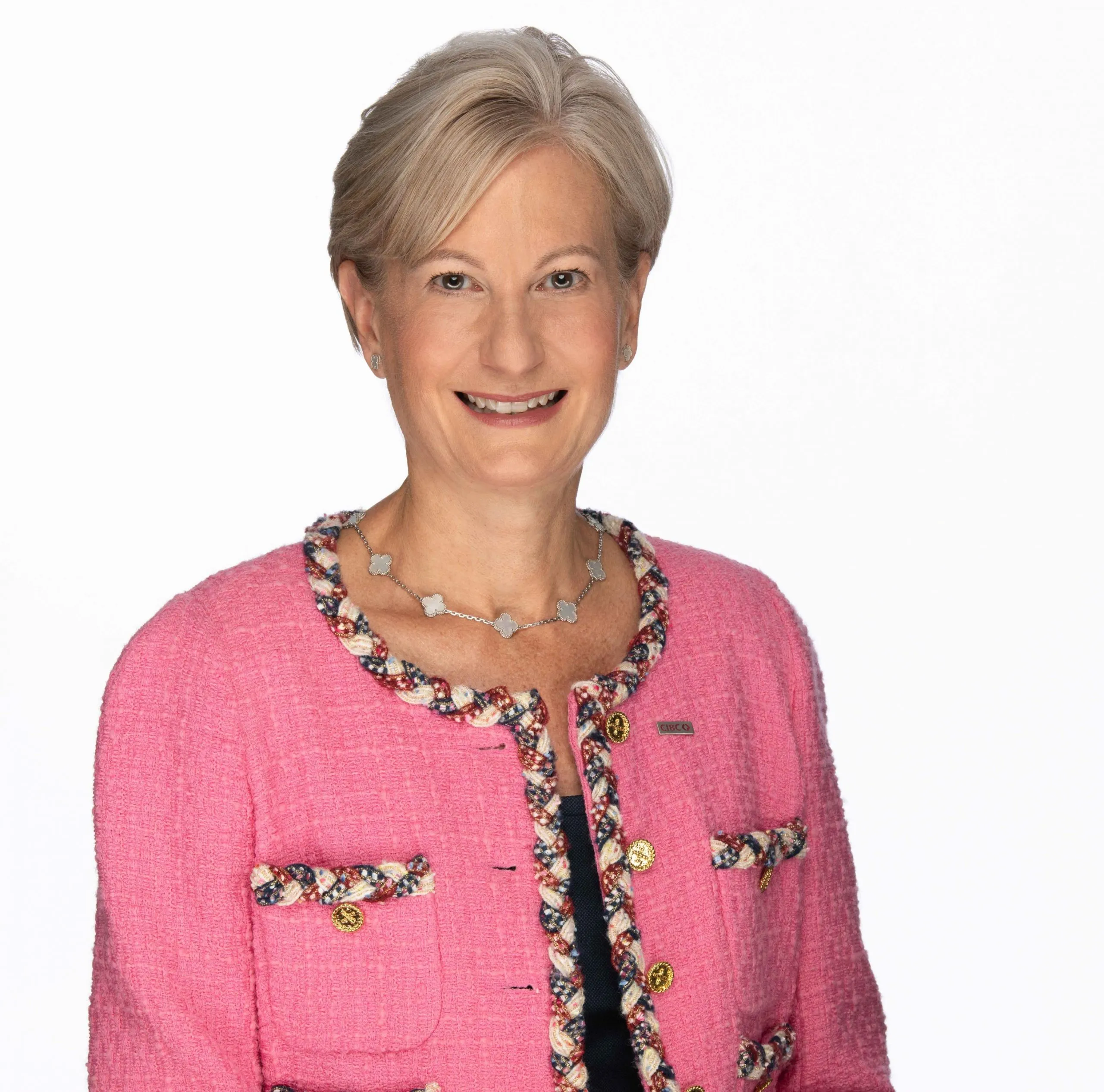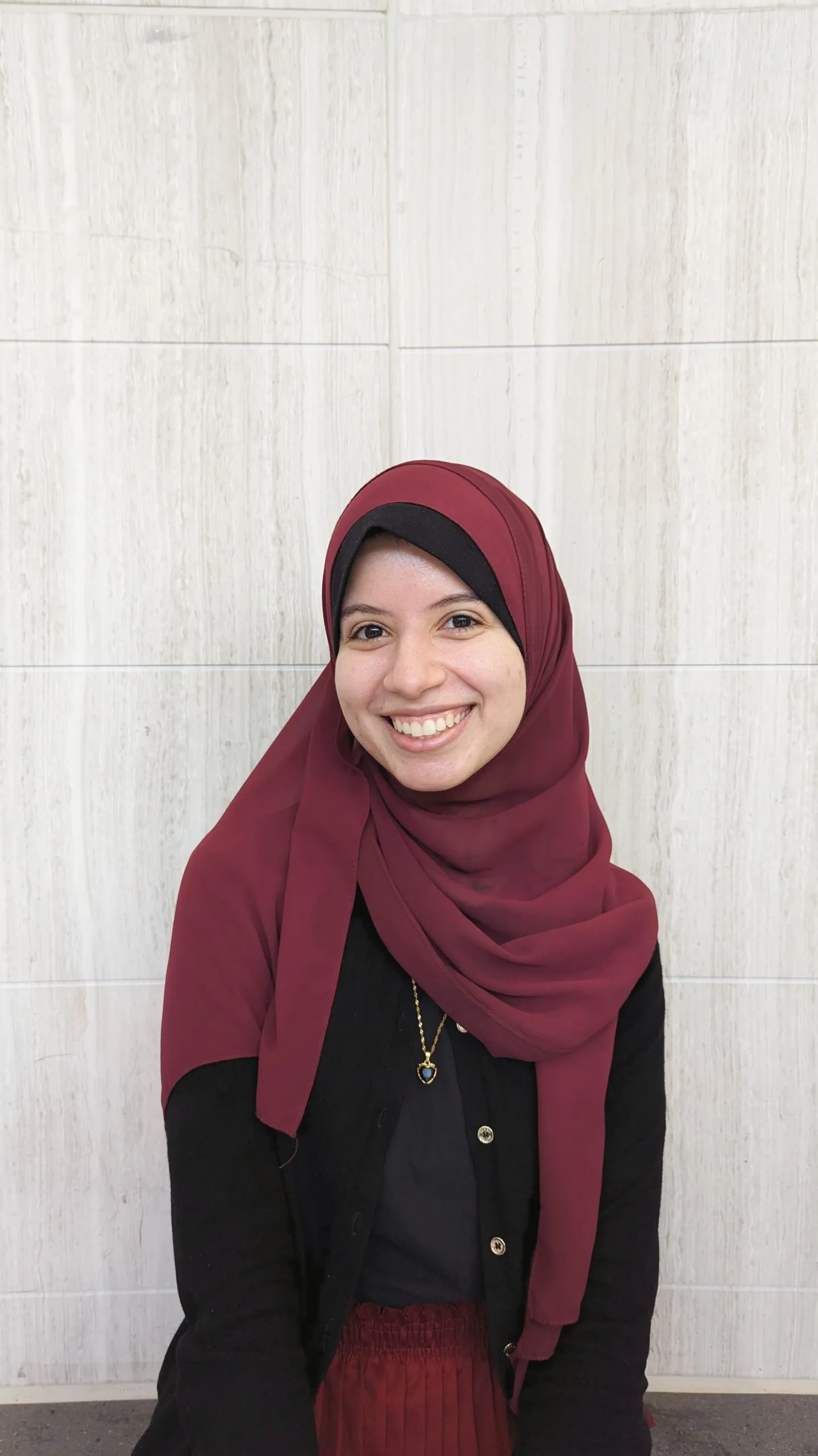
Skip to Content News Archives Economy Energy Oil & Gas Renewables Electric Vehicles Mining Commodities Agriculture Real Estate Mortgages Mortgage Rates Finance Banking Insurance Fintech Cryptocurrency Work Wealth Smart Money Wealth Management Investor Personal Finance Family Finance Retirement Taxes High Net Worth FP Comment Executive Women Puzzmo Newsletters Financial Times Business Essentials More Innovation Information Technology FP500 Podcasts Small Business Lives Told Tails Told Shopping Financial Post Store Obituaries Place a Notice Advertising Advertising With Us Advertising Solutions Postmedia Ad Manager Sponsorship Requests Classifieds Place a Classifieds ad Working Profile Settings My Subscriptions Saved Articles My Offers Newsletters Customer Service FAQ News Economy Energy Mining Real Estate Finance Work Wealth Investor FP Comment Executive Women Puzzmo Newsletters Financial Times Business Essentials HomeExecutive Women Champions of change: How women leaders fight for a better world for allYouthful exuberance, creativity make a differenceLast updated Dec 01, 2025You can save this article by registering for free here. Or sign-in if you have an account.Sara Emira. SUPPLIEDReviews and recommendations are unbiased and products are independently selected. Postmedia may earn an affiliate commission from purchases made through links on this page.A keen sense of purpose guides each of this year’s WXN Canada’s Most Powerful Women: Top 100 RBC Future Leaders. These young women aren’t waiting for change — they are champions fighting for a more equitable, accessible and sustainable world for everyone.Subscribe now to read the latest news in your city and across Canada.Exclusive articles from Barbara Shecter, Joe O'Connor, Gabriel Friedman, and others.Daily content from Financial Times, the world's leading global business publication.Unlimited online access to read articles from Financial Post, National Post and 15 news sites across Canada with one account.National Post ePaper, an electronic replica of the print edition to view on any device, share and comment on.Daily puzzles, including the New York Times Crossword.Subscribe now to read the latest news in your city and across Canada.Exclusive articles from Barbara Shecter, Joe O'Connor, Gabriel Friedman and others.Daily content from Financial Times, the world's leading global business publication.Unlimited online access to read articles from Financial Post, National Post and 15 news sites across Canada with one account.National Post ePaper, an electronic replica of the print edition to view on any device, share and comment on.Daily puzzles, including the New York Times Crossword.Create an account or sign in to continue with your reading experience.Access articles from across Canada with one account.Share your thoughts and join the conversation in the comments.Enjoy additional articles per month.Get email updates from your favourite authors.Create an account or sign in to continue with your reading experience.Access articles from across Canada with one accountShare your thoughts and join the conversation in the commentsEnjoy additional articles per monthGet email updates from your favourite authorsSign In or Create an AccountorSara Emira: Health equity activist and Occupational Therapist with the Centre for Addiction and Mental Health Sara Emira is an award-winning occupational therapist (OT) with the Centre for Addiction and Mental Health and social media content creator with a big vision to advance equity and diversity both within health care and on a societal level.Get the latest headlines, breaking news and columns.By signing up you consent to receive the above newsletter from Postmedia Network Inc.A welcome email is on its way. If you don't see it, please check your junk folder.The next issue of Top Stories will soon be in your inbox.We encountered an issue signing you up. Please try againHer journey to advocacy started in high school, when a series of health complications led to hospitalization. “Physically, I lost a lot of my independence; cognitively, I had a lot of memory and attention deficits. It was a terrifying time,” she says. “The doctors were mostly focused on the medication piece, getting my vitals stabilized and my organs to function. It was not a big deal to them that my hands were shaking so much I could not feed myself, or take notes without making a mess.”That experience guided her desire to become an OT. “Occupational therapy fills the gaps the rest of the care team cannot meet,” says Emira. “It addresses what makes the recovery journey unique to each person.”As an Egyptian Muslim woman who is also part of the disability community, Emira did not see any one who looked like her or had her experiences on her path to becoming an OT. So she created her own and, in so doing, made sure she supported other people from under-represented backgrounds.Throughout her graduate studies, she advocated for modifications to make lectures more accessible to students with disabilities. She focused her research on developing culturally informed programs to support the health of immigrant populations, while her capstone project highlighted the experiences of racialized OTs providing home-based services.“During my mental health placement, I don’t think I met a single OT who was not white. The bulk of patients were people of colour. Many were immigrants who were not diagnosed in their country and ended up having mental-health complications after immigrating or becoming refugees.”Today, through her Instagram blog, Egyptian.OT, Emira mentors students who come from under-represented backgrounds in health care. As part of the Digital Sisterhood podcast, she is helping to share the stories and raise the voices of Muslim women.“Everything I do ties back to my core values of equity, diversity, advocacy and accessibility.”Her best advice to the next generation of change makers: View those around you as community, not competition. “Look at your strengths and other people’s strengths and see how you can complement each other and work together towards a common cause. I don’t think anything can be achieved individually, especially if you’re looking for long-term impact.”What does it mean to rise boldly? “There are a lot of social expectations, especially pertaining to professionalism, that are unique to women, and if you are someone from an underrepresented background you have even more layers and expectations.“For me, rising boldly is being who you are, no matter where you go and the spaces you’re in. I am Muslim. I don’t go to events or venues where alcohol is served. When I was in university, recruitment days for research assistants were held at pubs. I would explain to professors the venue did not align with my values, but I would like to connect one-on-one. One professor told me he’d never realized how exclusionary the events were and changed his recruitment nights after that. As we start to question some of the professional norms women face, we can create a new definition of professionalism that is more accepting of people’s differences.” Linxi Mytkolli. SUPPLIEDLinxi Mytkolli: Director of Government Relations at the Young Canadians Roundtable on Health; Director of Patient Engagement at Diabetes Action Canada By the time Linxi Mytkolli was 22, she was leading a non-profit to provide training opportunities to help other first-generation Canadians/university students like herself (she was born in Albania and moved to Canada when she was a young child) get into medical school. While still a graduate student pursuing a degree in sustainable health care, she co-designed the first-ever Sick Kids Sustainability Plan. But she felt she could have more impact, and shifted gears to work with other people under 30 to design cities that worked better for them.“I was translating the dialect of young people to city officials and researchers and I was loving it. Then COVID hit and I ended up in the ICU.” She was 25, with no pre-existing health conditions. Her body stopped making insulin, putting her into severe diabetic ketoacidosis. She left the hospital with a Type 1 diabetes diagnosis and a new focus for the type of social impact she wanted to make.“I had research skills, project management skills, and lived experience. I Googled diabetes research volunteering, and Diabetes Action Canada came up. It helped me grieve and figure out my new life. I went there to give back and there is so much more to do, I never left,” says Mytkolli, who now serves as director of patient engagement and knowledge mobilization and has grown the program from 40 volunteers to almost 500 across the country.“I would like to see health-care innovation with patients, not just for patients. Everyone deserves and has the right to be well, whatever well means to them,” she says. “In research we put so much investment into knowledge mobilization, but researchers speak to other researchers, not to policy-makers or patients.”Everything Mytkolli works on is focused on bringing patients, researchers, doctors and policy-makers together to accelerate learning and healing.“There is an estimated 17-year gap between when a medical innovation is published in a journal and when it’s actually implemented in a clinic. I think it’s even longer. Getting diagnosed with Type 1 Diabetes, I couldn’t stop thinking about that. In 17 years I am going to have passed my window of having children. I need care now.”To help shrink that gap she founded the Research Action Fellowship, an award-winning nine-month paid program that helps patient advocates build skills, capacity and experience to translate research and bring it to their communities. “This year, we have 10 fellows working in pairs to create five projects, including an AI chatbot to help parents make medical decisions for their children with diabetes, and wallet cards explaining how to interpret blood tests.” All the projects are created in partnership with non profits and charities across the world.Mytkolli’s best advice to the next generation of impact makers: “Continuously find ways to give. I would be nowhere without the mentorship I’ve received. And, always assume rules are suggestions. I was recently invited to speak at a conference. I said, ‘Can I bring five patient advocates? I’ll take care of their preparation and support. Can you open the doors to a space they’ve never been welcomed into before?’ ”What does it mean to rise boldly? “For me, rising boldly is a combination of being rigorously curious as to why certain things are the way they are, thinking critically to offer a tangible step to make things better — even if it’s imperfect — and bringing others along because even if it fails, then two of us are going to learn what not to do next time.” – Rana Espiritu Nasrazadani. SUPPLIEDRana Espiritu Nasrazadani: Disability Rights and Accessibility Advocate; Senior Policy Advisor, Ontario Ministry of Colleges, Universities, Research Excellence and Security As a person with a physical disability, Rana Espiritu Nasrazadani has experienced both physical and attitudinal barriers. Perhaps her most profound encounter with ableism happened in high school, when she was told that university was not in her future and she should aim lower. Then, as now, she didn’t let other people’s expectations stop her. She went on to earn a Master of public policy, administration and law from York University and to build a career guided by her goal to make education more accessible for all students.Today, she is a senior policy advisor with the Ministry of Colleges, Universities, Research Excellence and Security. She is also a disability rights advocate. While still a university student, she was a member of Ontario’s Kindergarten to Grade 12 Education Standards Development Committee, which released more than 200 recommendations across all aspects of student life to help make schools and learning more accessible. As a part of this work, she also collaborated with members of the Postsecondary Standards Development Committee to develop recommendations to address barriers within transitions between K-12 and postsecondary education.“I was able to inform the recommendations based on my own lived experience, which, unfortunately, is not often the case,” says Nasrazadani. “It’s key to ensure that people with disabilities are part of the conversation and decision-making process when it comes to accessibility.”When York University was in the planning stages of its new Markham campus, Nasrazadani worked with the architects to improve physical accessibility. She describes her experience at university as a complete 180-degree difference to her high school experience. “I received full support and was able to take part in a number of different initiatives that allowed me to feel empowered.”She continues to support the university as a highly engaged alumni board member and volunteer, and was selected as one of its inaugural Top 30 Changemakers Under 30 for her accessibility advocacy.Nasrazadani is an in-demand speaker, sharing her experiences as a woman with a disability, the barriers she has faced and how she has been able to use those experiences to achieve positive outcomes to help others. This includes speaking at the Toronto Women’s March and in the Senate of Canada, advocating for accessibility in the education system, ensuring all students are able to have the type of education they want to have, and that accessibility is not an afterthought.“As an advocate it’s not about elevating your own voice, it’s about elevating other voices that are often not heard, and ensuring they are genuinely part of decision-making processes. Having a multi-dimensional lens on accessibility and having different experiences informing that work is really important.”Her advice to the next generation of changemakers: “Work towards something you are passionate about and invest in that. Have a vision in place of what you want to achieve. Surround yourself with people who encourage and motivate you — they will help you believe in yourself even when you struggle. Use negative experiences to make you stronger and more resilient. Things are hard. Progress isn’t always linear. But believing in yourself and having support is a strong foundation for this work.”What does it mean to rise boldly? “Oftentimes as women we are told to make ourselves smaller, to not speak out and challenge the status quo. Rising boldly means being unapologetic and allowing ourselves to take up space, to not be afraid to take a stand for what matters, to be vulnerable and share our experiences, and to take transformative action that will improve life for others.” Lauren Castelino. SUPPLIEDLauren Castelino: Environmentalist, Entrepreneur, Founder of the Green Career Centre Lauren Castelino’s environmental activism started early and for very personal reasons. Being part of the South Asian diaspora with ancestry immigrating from East Africa and the Middle East, she understood that different parts of the world are disproportionately affected by the impacts of climate change. Growing up in a neighbourhood where there were not many people who looked like her, she felt isolated.“Being out in nature was a place where I truly felt connected. Plants don’t judge you.”In high school, she co-founded her school’s environmental club, and secured funding for community gardening and food justice initiatives. In university, she focused her graduate research on philanthropy’s role in youth-led climate justice movements, particularly for racialized communities. She went on to lead a national environmental organization, becoming a prominent thought leader in equity, green workforce development and climate philanthropy.Frustrated with how inaccessible the green economy was for under-represented groups, and armed with research from focus groups to understand the barriers and what the solutions could be, she founded the Green Career Centre, a not-for-profit dedicated to creating more accessible and equitable career pathways in the green economy.“I was already within the sustainability realm, but I recognized it’s not accessible for everyone to get involved. Friends who are Black, Indigenous, People of Colour, women and newcomers face different challenges. How do you get a job in sustainability if you don’t have the luxury of pursuing post-secondary education or a network to support you?”The Green Career Centre provides tools and resources to help people find micro-credentials, training and wage subsidies to get jobs in sustainability, as well as a Green Equity guide for employers. To date, it has built a network of more than 3,000 young, green job seekers and employers, and hosts annual retreats specifically catered to Black, Indigenous, Women of Colour and gender-diverse folks, where they can build leadership, green skills, confidence, and be part of a supportive community.“More than 85 per cent of jobs are found through referrals and networking. Once you’re part of a supportive community, as you build your career you have people who will be supporting you along the way,” says Castellino.“Our vision is to see a future where under-represented youth can fully thrive in a green economy, free of any systemic barriers and fully represented in leadership. I want to see a green transition in what is currently Canada led by communities that have been historically excluded.”Castellino sees a huge role private philanthropy can play. Through research and advocacy — which go hand in hand with the work the Green Career Centre is doing — she has contributed to the conversations around climate philanthropy that preceded a historic $405 million commitment by nine family foundations to combat climate change; and championed the Youth Climate Corps, which calls for the creation of 20,000 well-paid jobs in sustainability.Castelino’s advice for other young women who want to drive societal impact: Start small, at the grassroots. “With the Green Career Centre, we have focused on different communities based on our team members, and eventually built up to national impact. Once you find your supporters, you can work up to creating massive change — you don’t need to wait for permission. I know it can be hard to walk through certain doors, so build your own door to create the change you want to make in the world.”What does it mean to rise boldly? “Having the courage to keep climbing despite adversity, and to lead with compassion, understanding we all have a responsibility to serve others and protect the planet.” Stephanie Quon. SUPPLIEDStephanie Quon: Medical Student, Electrical Engineer, Founder and Executive Director of The Sprouts Initiative High school played a pivotal role in Stephanie Quon’s path to advocacy. That’s where a volunteer opportunity to work with students with developmental disabilities led her to realize her passion for accessibility and introduced her to the world of grant-writing and collaborating with other organizations.A school assignment to address community food waste introduced her to the impact of grassroots sustainability initiatives. “I reached out to grocery stores, and asked if they had end-of-day food that could be diverted elsewhere.”Before she knew it other people started showing interest, and in 2017 she launched The Sprouts Initiative, a community organization focused on the pillars of accessibility, community and sustainability. Today, The Sprouts Initiative is an international organization with more than 300 volunteers, who have organized more than 200 community projects and raised $3.7 million for sustainability and inclusion.Two projects in particular stand out for Quon. She worked with the Disabled Independent Gardeners Association to open a new accessible community garden in Vancouver, and helped create two new sensory rooms at University of British Columbia, where she completed her undergraduate studies in electrical engineering and where she is now a second-year medical student.“Engaging with the community, hearing what people want and getting to deliver it feels incredible,” says Quon, who takes the same approach to leading her team of volunteers at The Sprouts Initiative. “I always want to understand what other people are looking for, the skills they want to gain and the projects they want to work on. My goal is to find funding, support, and see how I can make that happen for them.”Quon has big ambitions for The Sprouts Initiative. “Over the next few years, I’d like to explore how accessibility policy can be improved in Canada and internationally, and also how to bridge the gap between non-profits, industry and policy to scale the impacts. A lot of the projects over the past few years have been focused on solving a specific, local problem, which has its own benefits, but I’d really like to scale that more in the future.”Quon’s advice for other young changemakers: Follow your passions and what you enjoy doing. “For myself, that really motivated my work and led me in the right direction. I also think it’s important to be genuine and not be afraid to be yourself. I really struggled when I was an undergrad in electrical engineering, which is such a male-dominated field. What really helped me was not conforming to meet the standards other people were trying to place on me, but instead looking to my own strengths and believing in myself.”What does it mean to you to rise boldly? “Leaning in to who you are and having the courage to speak up in environments where traditionally you might not be invited, to use your platform to advocate for others, and to give other people a spot at the table as well. In engineering and now in medicine, where the talk around accessibility and disability are stigmatized, especially professionally, I’m inspired by other people who also speak up. I feel like if they have the courage to speak up, I want to as well.”This story was created by Content Works, Postmedia’s Commercial Content Division, on behalf of Women’s Executive Network (WXN).This website uses cookies to personalize your content (including ads), and allows us to analyze our traffic. Read more about cookies here. By continuing to use our site, you agree to our Terms of Use and Privacy Policy.
Champions of change: How women leaders fight for a better world for all
Youthful exuberance, creativity make a difference
3,483 words~16 min read