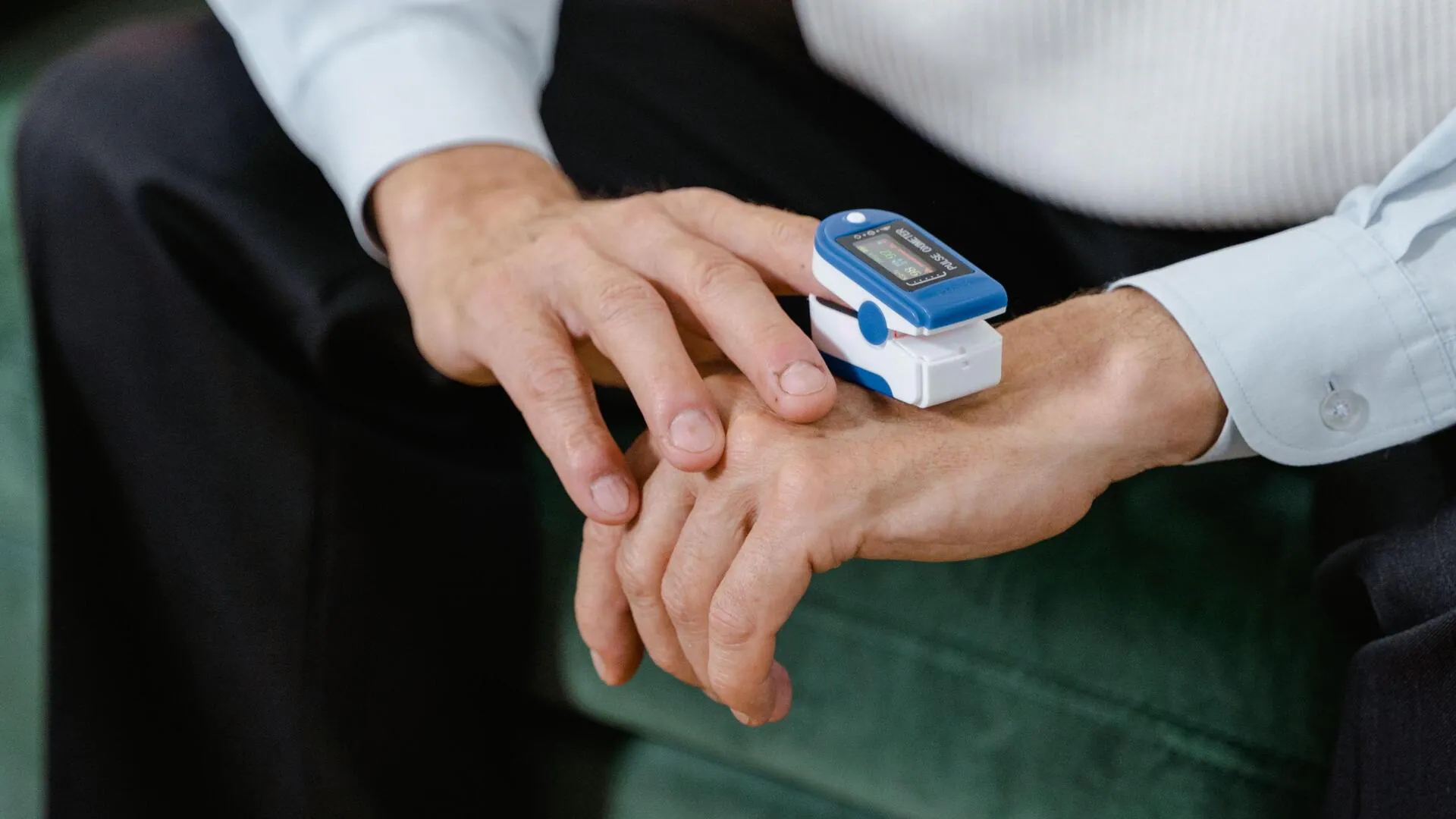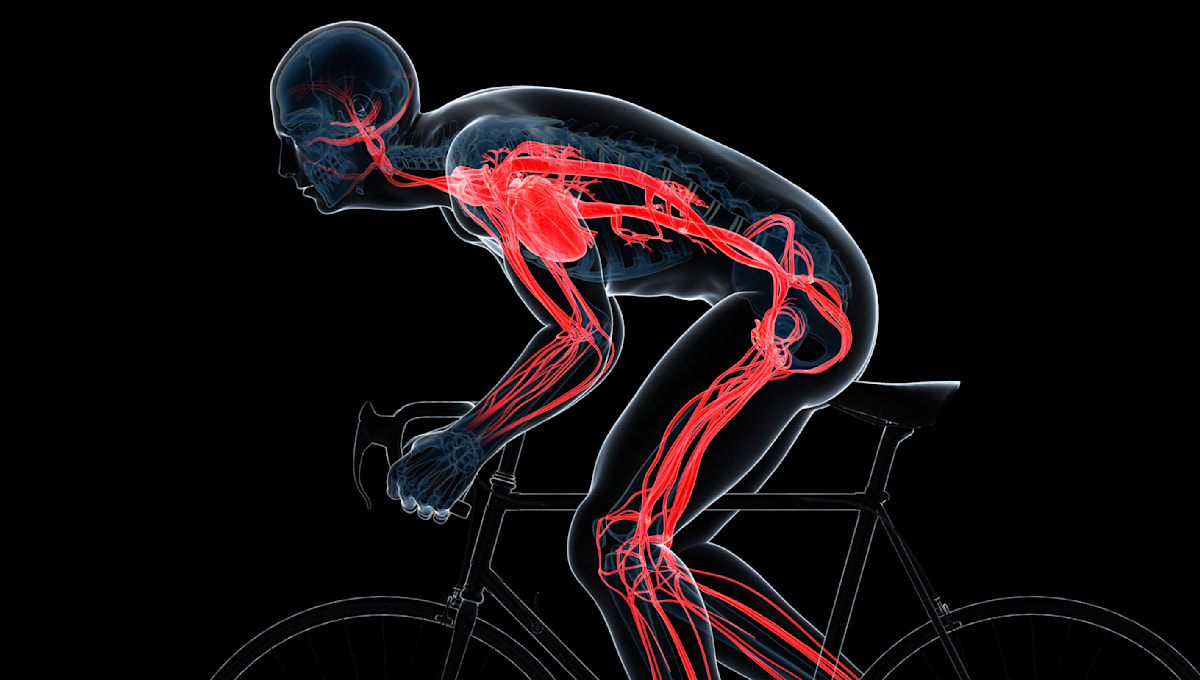
Learn why your heart may be beating slowly, and when it is normal and when it is not, prompting immediate check-up. The heart's rhythm can reveal a lot about your health. A steady heartbeat usually goes unnoticed because it feels natural and normal, but when the pulse becomes unusually slow, it may raise several doubts. While a low resting heart can mean good fitness in athletes and highly active people, the same may not always be true. So, why does heart rate slow down really? And can it become worrisome? If yes, then what are the signs?ALSO READ: Feeling unusually tired after walking or climbing stairs? Cardiologist explains what it could mean for your heartAddressing all the common doubts related to the heartbeat slowing down, Dr Girish Godbole, director and senior consultant, interventional cardiology at KIMS Hospital walked us through when a slow heart rate can point towards a cardiac concern.Know what erratic heart rhythm means for your health! (Picture credit: Freepik)What is the medical condition behind slow heart rate?“A slow heart rate, often known as bradycardia, is defined as fewer than 60 beats per minute. In certain individuals, particularly well-trained athletes, a lower resting heart rate can reflect efficient cardiac function and strong cardiovascular fitness. However, when observed in older adults, a slow pulse may signal underlying changes in the heart’s electrical system rather than improved endurance,” the cardiologist elaborated, suggesting that when a heart rate is slow, then it may indicate the need for medical evaluation to rule out an underlying rhythm problem.So while you may record 60 beats per minute, the context is very important. Age, symptoms and medical history all factor in to determine whether a pulse is normal or a warning signs. Without a proper evaluation, avoid sidelining abnormal health signs as normal.How to understand what is normal and what is not?Dizziness is one of the signs of bradycardia. (Picture credit: Shutterstock)A slow heart rate cannot be evaluated by the number alone. The bigger question is whether it is accompanied by other symptoms.According to the cardiologist, if a person experiences unusual tiredness, dizziness, reduced stamina, or breathlessness, it may be a warning sign. If this is followed by light-headedness, confusion or fainting episodes, it could mean that the heart is not pumping enough oxygen-rich blood to meet the body's needs.The main distinguishing factor is that an athlete can have a slow resting heart rate without any of the aforementioned symptoms. That is not a red flag. But when these health signs do exist, especially in older adults, with comorbidities, it may indicate age-related bradycardia or an underlying issue in the heart's electrical system that requires medical evaluation.What exactly is happening inside your heart if the beat per minute is slow?Let's clinically understand what happens inside the heart when the beats per minute slow down. The heartbeat is not random; it is not controlled by the heart's internal electrical system.The doctor described, “The heart rhythm is regulated by the sinoatrial (SA) node, often referred to as the body’s natural pacemaker. With advancing age, this intricate electrical system may undergo wear and tear. Structural changes such as fibrosis or calcification can disrupt the transmission of electrical impulses, causing the heart to beat more slowly or irregularly.”Now some change can happen, but if the heart constantly beats slow over a long time, then it demands careful evaluation. Aside from ageing, those who are afflicted by hypertension, diabetes, and coronary artery disease are more susceptible to rhythm disturbances.For diagnosis, the doctor recommended an electrocardiogram (ECG) to assess heart rhythm, along with ambulatory monitoring when symptoms are intermittent.Note to readers: This article is for informational purposes only and not a substitute for professional medical advice. Always seek the advice of your doctor with any questions about a medical condition.Adrija Dey’s proclivity for observation fuels her storytelling instinct. As a lifestyle journalist, she crafts compelling, relatable narratives across diverse touchpoints of the human experience, including wellness, mental health, relationships, interior design, home decor, food, travel, and fashion that gently nudge readers toward living a little better. For her, stories exist in flesh and bones, carried by human vessels and shaped through everyday endeavours. It is the small stories we live and share that make us human. After all, humans and their lores are the most natural and raw repositories of stories, and uncovering them, for her, is akin to peeling an orange under a winter afternoon sun. Always up for a chat, she believes the best stories come from unfiltered yapping, where "too much information" is kind of the point. A graduate of Indraprastha College for Women, University of Delhi, and an alumna of the Indian Institute of Mass Communication (IIMC), Delhi, Adrija spends her idle hours cocooned with herbal tea and a gripping thriller, scribbling inner monologues she loosely calls poetic pieces, often with her succulents in attendance. On lazier days, she can be found binge-watching, for the nth time, one from her comfort-show holy trinity: The Office (US), Brooklyn Nine-Nine, or Modern Family. Dancing by herself to her peppy playlists, however, is an everyday ritual she swears by religiously.Read MoreHeartCatch every big hit, every wicket with Crick-it, a one stop destination for Live Scores, Match Stats, Quizzes, Polls & much more. Explore now!.Catch your daily dose of Fashion, Taylor Swift, Health, Festivals, Travel, Relationship, Recipe and all the other Latest Lifestyle News on Hindustan Times Website and APPs.See Less
Feeling dizzy with a slow pulse? Cardiologist explains what it could mean: ‘Changes in the heart’s electrical system…’
Learn why your heart may be beating slowly, and when it is normal and when it is not, prompting immediate check-up. | Health
900 words~4 min read