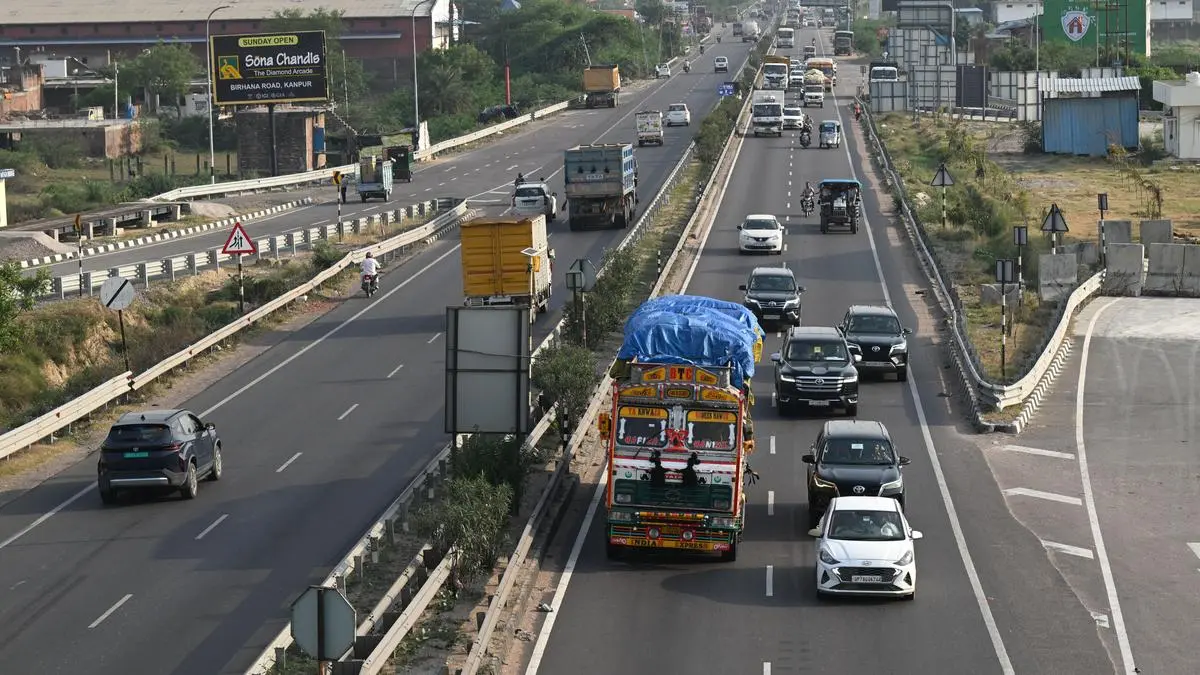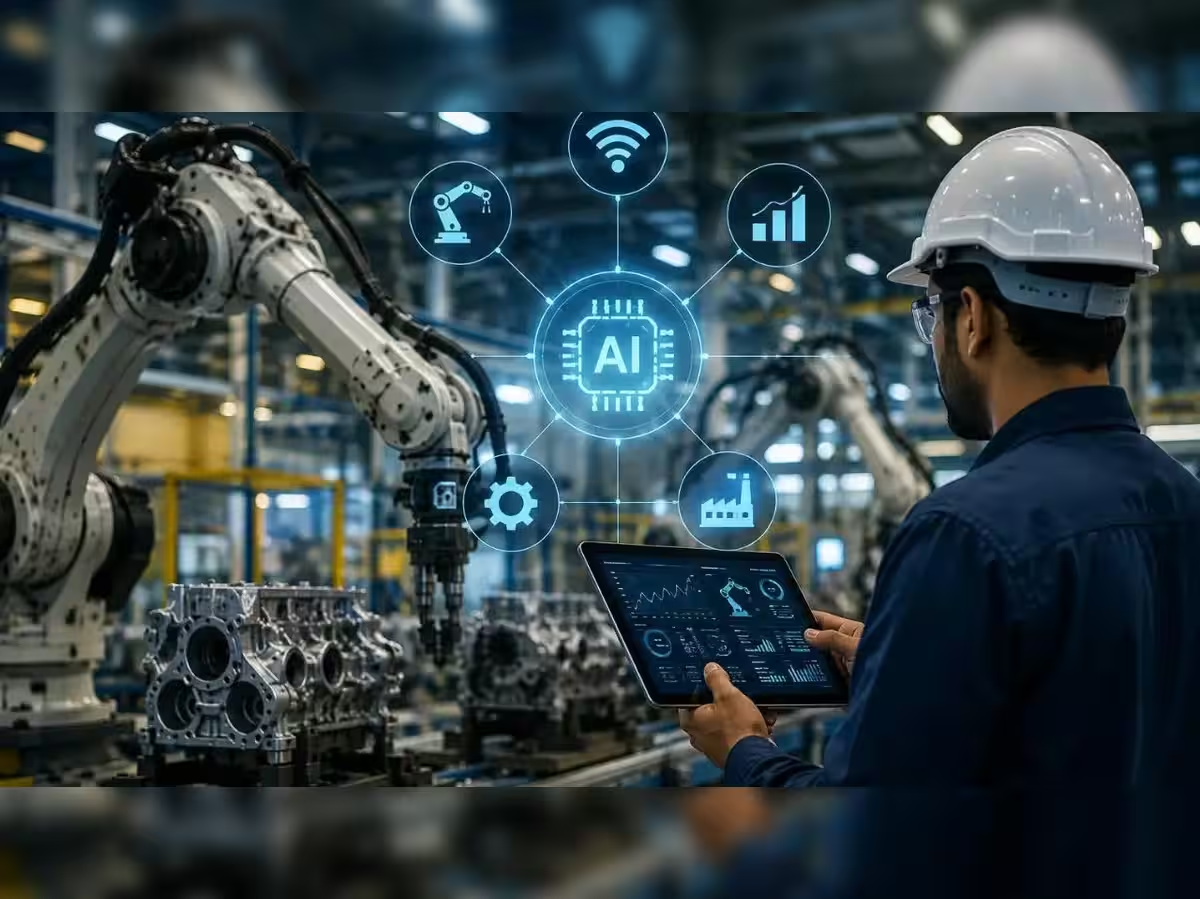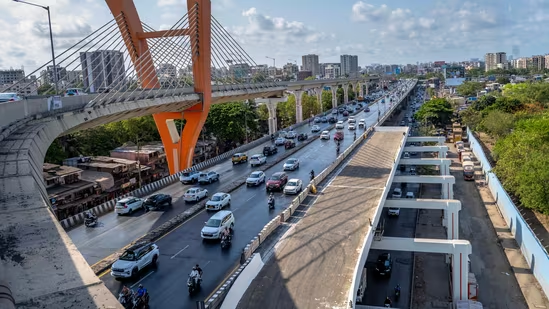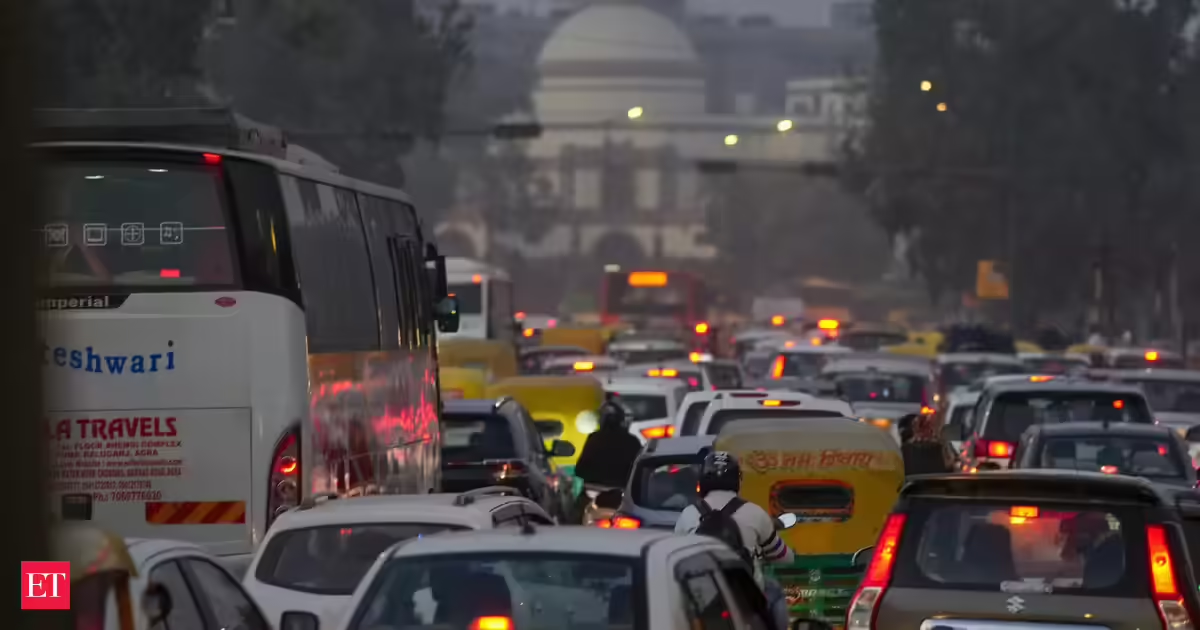
Driving in India is an exercise in navigating chaos. Two-wheelers weave through nonexistent lanes. Sudden roadblocks pop up unexpectedly. Our highways are some of the most complicated and unpredictable places on earth.AI (Photo for representational purposes only) (Unsplash)What makes this reality even more significant is its scale. India today has one of the largest road networks in the world, covering more than 63 lakh km, which includes about 1.46 lakh km of National Highways. This scale is a source of economic strength, but it also amplifies the impact of every mistake in road safety. In 2024 alone, 1.7 lakh people died in road accidents. This number translates to roughly 484 deaths a day, or more than 20 deaths every hour in India.For years, we have tried to solve our road safety crisis with passive technology, like basic dashcams, GPS trackers, and rudimentary sensors in commercial fleets. But these systems share a critical flaw as they are largely reactionary in nature. They record the tragedy but do nothing to prevent it. A fleet manager receiving a cloud-processed alert five minutes after a crash is useless to a driver who ran out of safe braking distance seconds ago. The most important shift in road safety technology is happening right now, and it is moving away from distant data centres directly into the vehicle. This is where physical AI begins to make an impact, not as an abstract idea, but as intelligence embedded inside the vehicle. It can interpret road conditions, understand driver behaviour, and respond in real time before risk turns into an accident. Historically, AI advancement has been tested in sterilised lab benchmarks or virtual cloud settings. But an AI trained in a laboratory fails when it hits the real world’s long tail of edge cases. In India, an edge case is just a typical Tuesday morning commute. To address this, we must build AI systems for the messy, unpredictable physical world. Physical AI systems close the loop locally on the device at the 'edge'. On a treacherous stretch of the Golden Quadrilateral, waiting for a remote cloud server to process video and send back a warning is not an option. A few seconds of lag is the difference between a close call and a fatal collision. Crucially, the chaos isn't just outside the windshield; the greatest risks often originate inside the vehicle. Early AI systems were limited to narrow tasks like triggering a generic beep or alert when a truck crossed a hard speed limit. Today, Generalised Edge Intelligence builds a continuous, dynamic model where it analyses both the driver's state and the road conditions. Take something as simple and as dangerous as a micro-sleep. A driver doesn’t need to fully fall asleep for things to go wrong. A few seconds of drooping eyelids on a long highway stretch is enough. Physical AI can now detect that in real time using eye closures, blink patterns, and metrics such as the percentage of eye closure over time (PERCLOS), among other scientifically validated methods, before the vehicle even begins to drift. The same applies to smaller, everyday behaviours. A quick glance at a phone, lighting a cigarette. Driving under the speed limit just a little too fast in heavy monsoon rain is not illegal, but unsafe given the conditions.st a little too fast in heavy monsoon rain is not illegal, but unsafe given the conditions.These are just a few examples of driver behaviour, but because the AI processes them locally and instantly, it can trigger a sharp, in-vehicle audio alert and nudge the driver back to attentiveness, intervening in the exact millisecond it matters most. This is where accuracy and precision are critical for AI. It must correctly identify risks and do so with consistent, real-time reliability in highly dynamic environments, where traditional systems fall short on.India is home to crores of commercial vehicles operating across its vast road network, and for fleet operators managing hundreds of trucks, buses, or cabs across the country, this technology enables them to identify mistakes and pressure points across both road conditions and driver behaviour, and coach them effectively. For example, instead of manually sifting through hours of footage, fleet managers can use smart, semantic video search to ask simple questions like, ‘Show me all instances of distracted driving on the Mumbai-Pune Expressway during night hours.’ Furthermore, AI acts as an always-on coach. It provides drivers with real-time, positive reinforcement that scales far better than human intervention ever could, allowing fleets to identify near-misses and proactively mandate rest stops or alternative routes before a major incident occurs. The challenge for engineers, automakers, and startups looking at the Indian mobility ecosystem is clear: stop building narrow algorithms for the cloud, and start building continuous, query-able models that thrive in the physical world. But more importantly, this technology must be built for India, trained and refined on its uniquely complex, ever-evolving traffic conditions, not adapted from systems designed for far more predictable roads.For India to see a drastic reduction in preventable accidents, we must embrace technology that acts as an active safety partner. Moving away from passive monitoring and embracing real-time, edge-based intelligence allows us to actively prevent dangerous actions and behaviours. This shift is key to improving road safety, safeguarding drivers, businesses, and everyone who uses the roads. It's about making split-second decisions that truly matter.(The views expressed are personal)This article is authored by Vinay Rai, executive vice president, technology, Netradyne.
How physical AI can help curb India’s road safety crisis
This article is authored by Vinay Rai, executive vice president, technology, Netradyne.
904 words~4 min read