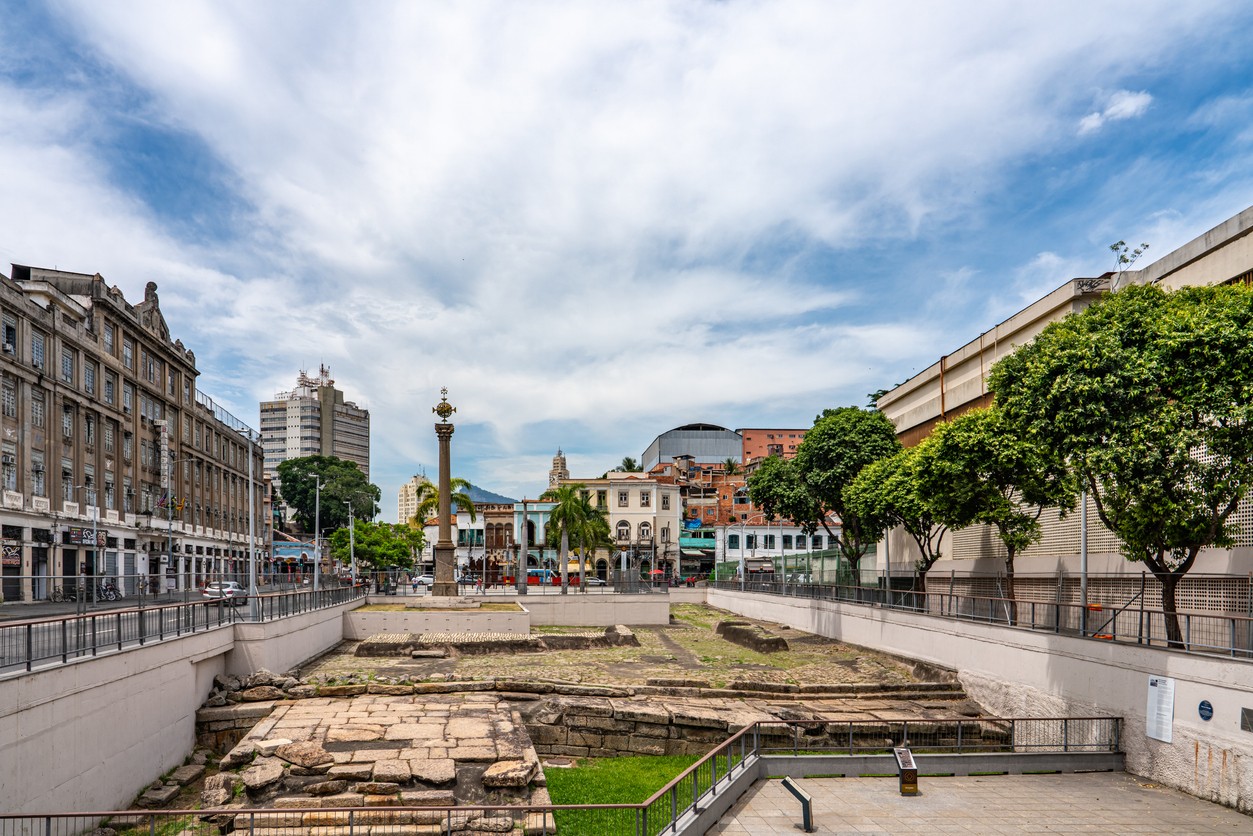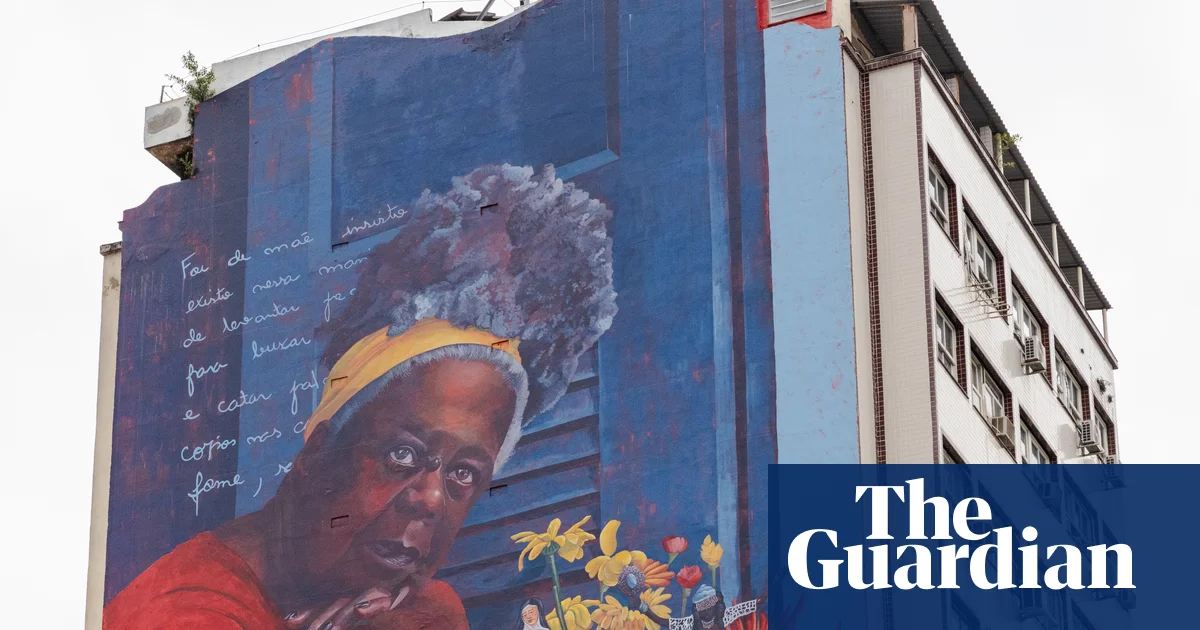
Once home to the world’s largest port of arrival for enslaved Africans, Rio de Janeiro has, like the rest of Brazil, a majority Afro-descendant population.Many of the country’s most prominent Black figures – scientists, lawyers, athletes, politicians, writers, musicians, activists and intellectuals – were either born or lived in the country’s second-largest city, which served as the capital for nearly 200 years.
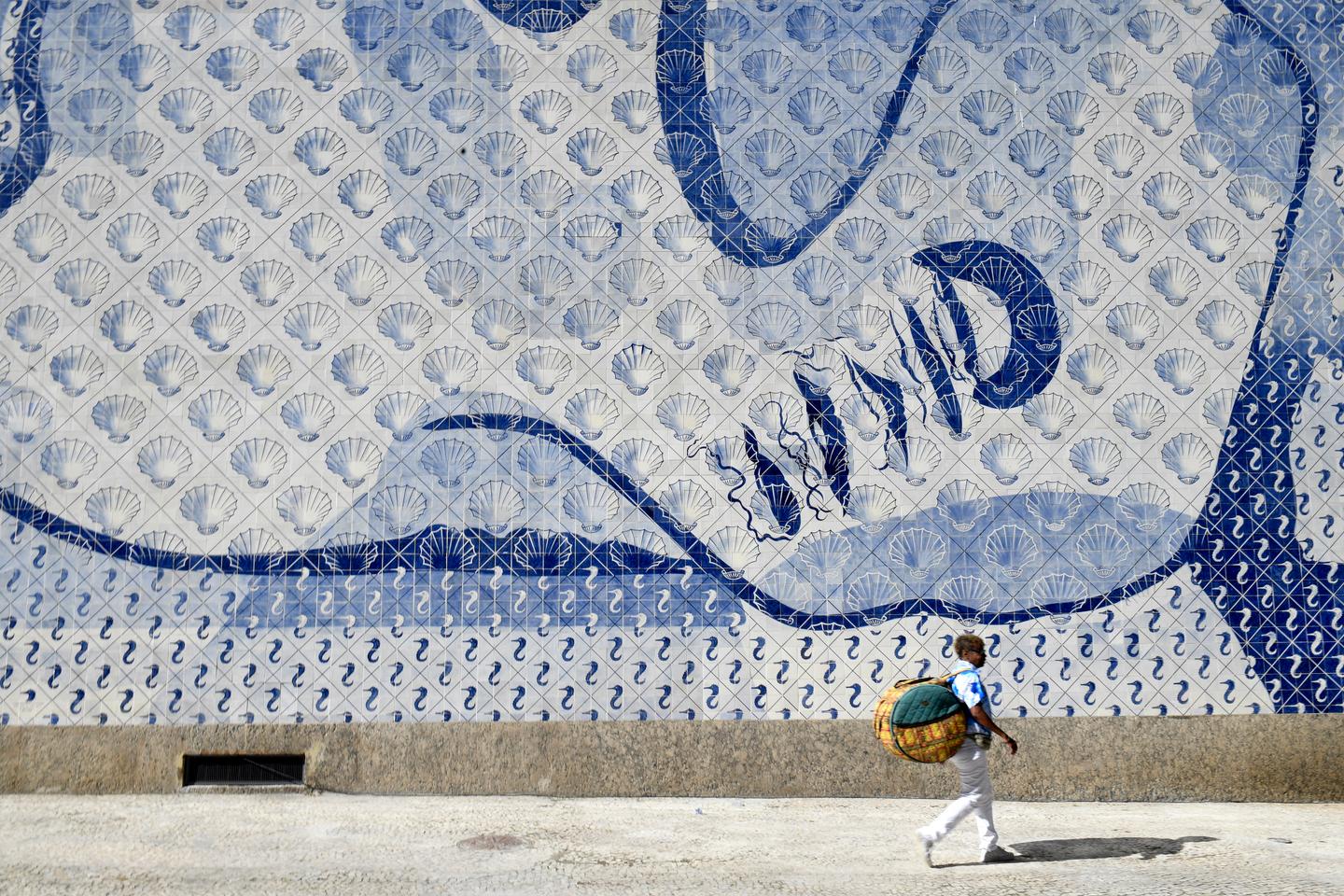
A mural of the Brazilian singer-songwriter and composer Luiz Melodia, painted on a wall in Estácio, the Rio de Janeiro neighbourhood where he lived
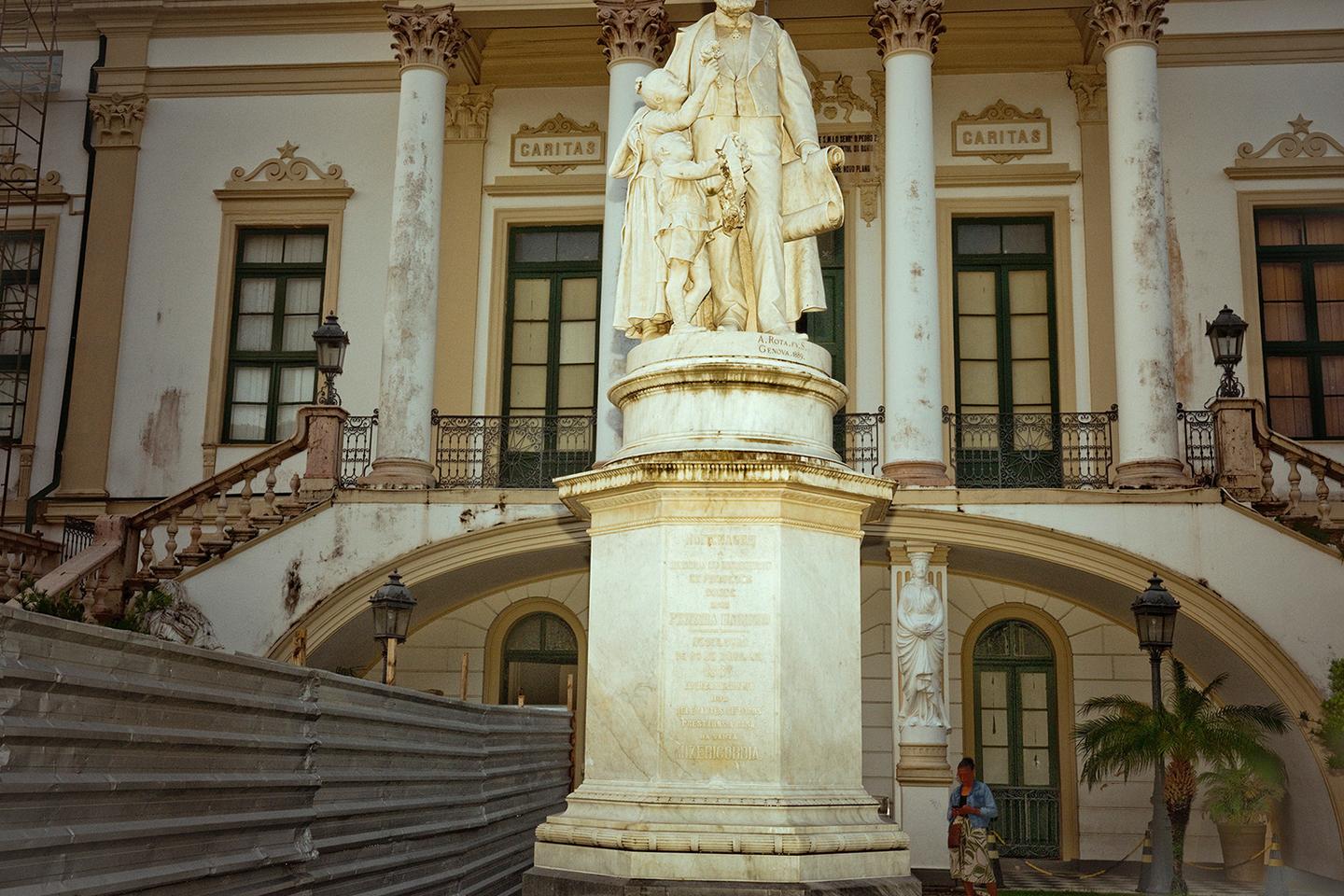
But of the 360 or so statues and busts scattered across Rio, fewer than 10% commemorate Black people: 29 men and just three women.The striking lack of such public monuments was what drove two Black men to create a mural project that has just been recognised by law as part of the city’s intangible cultural heritage.
Fernando Cazé, left, and Pedro Rajão, in front of one of the murals painted for the Negro Muro project
“We’re creating a cartography of Black memory,” said Pedro Rajão, 40, a researcher and producer who created the project in 2018 alongside the visual artist Fernando Sawaya, 39.Called NegroMuro, or BlackWall, the project now comprises 80 murals spread across the city, portraying about 120 people, 60% of them men – a disparity the duo say they are working to address.