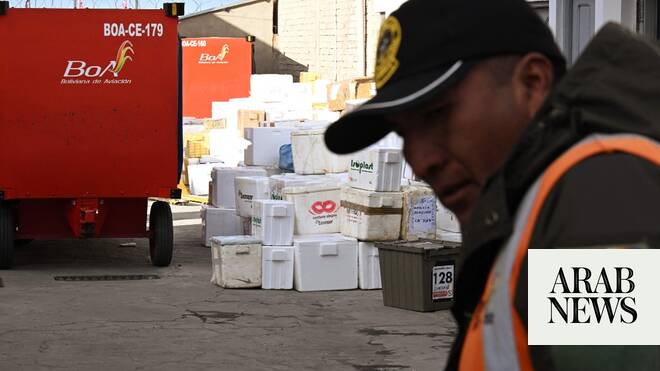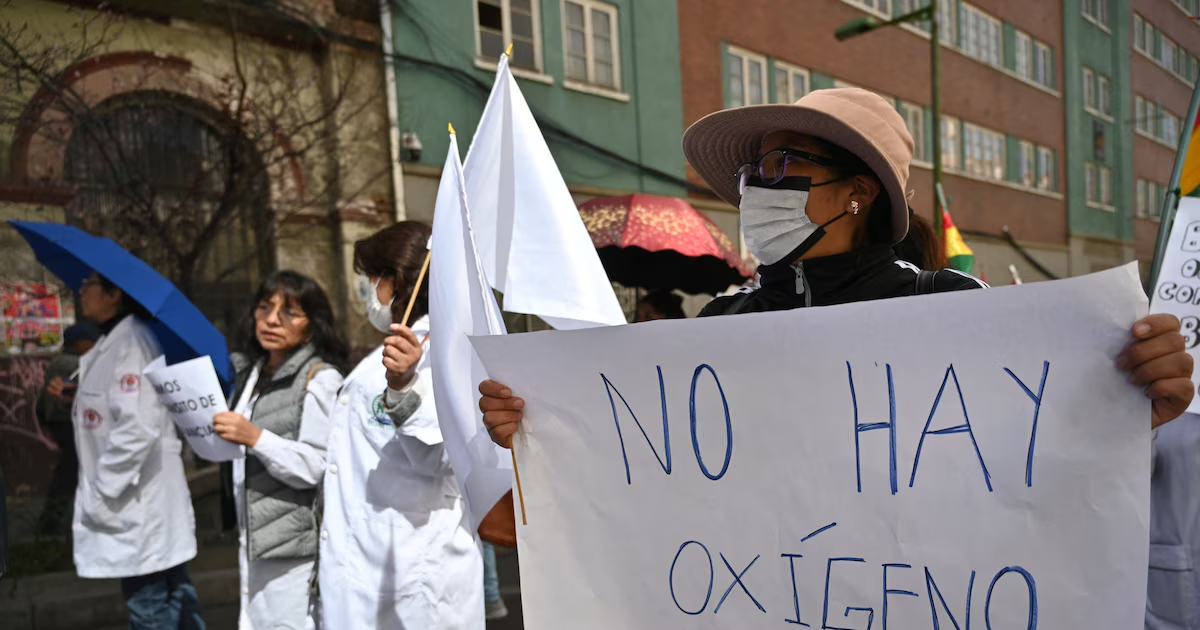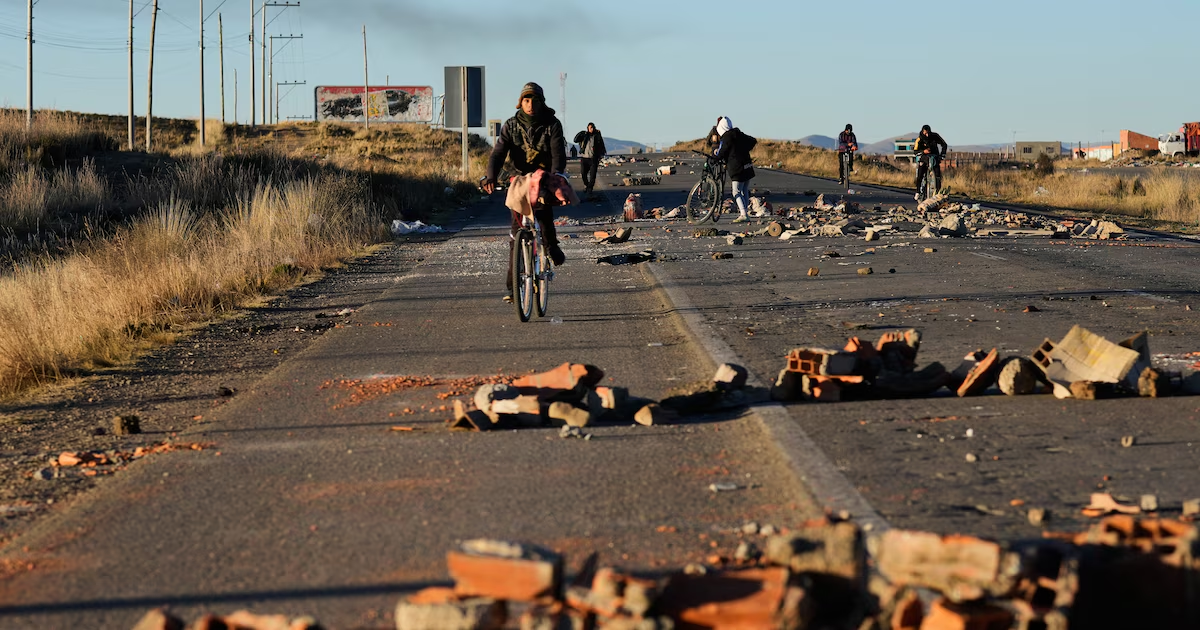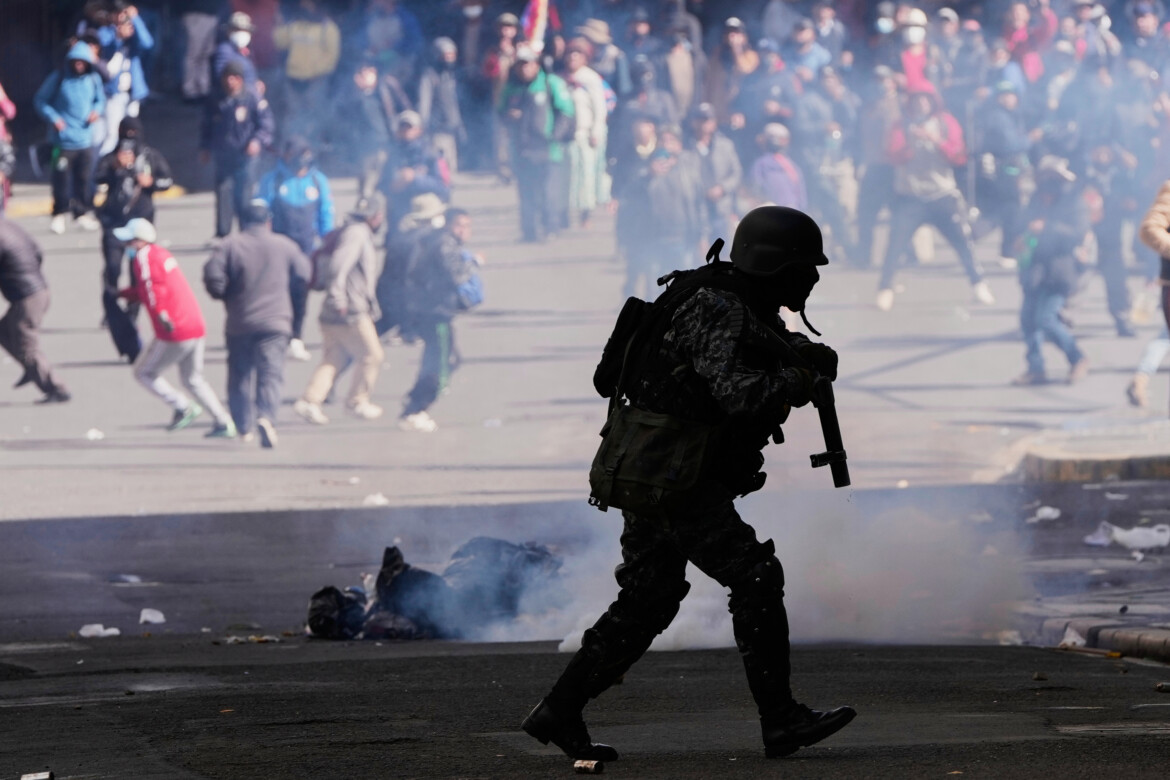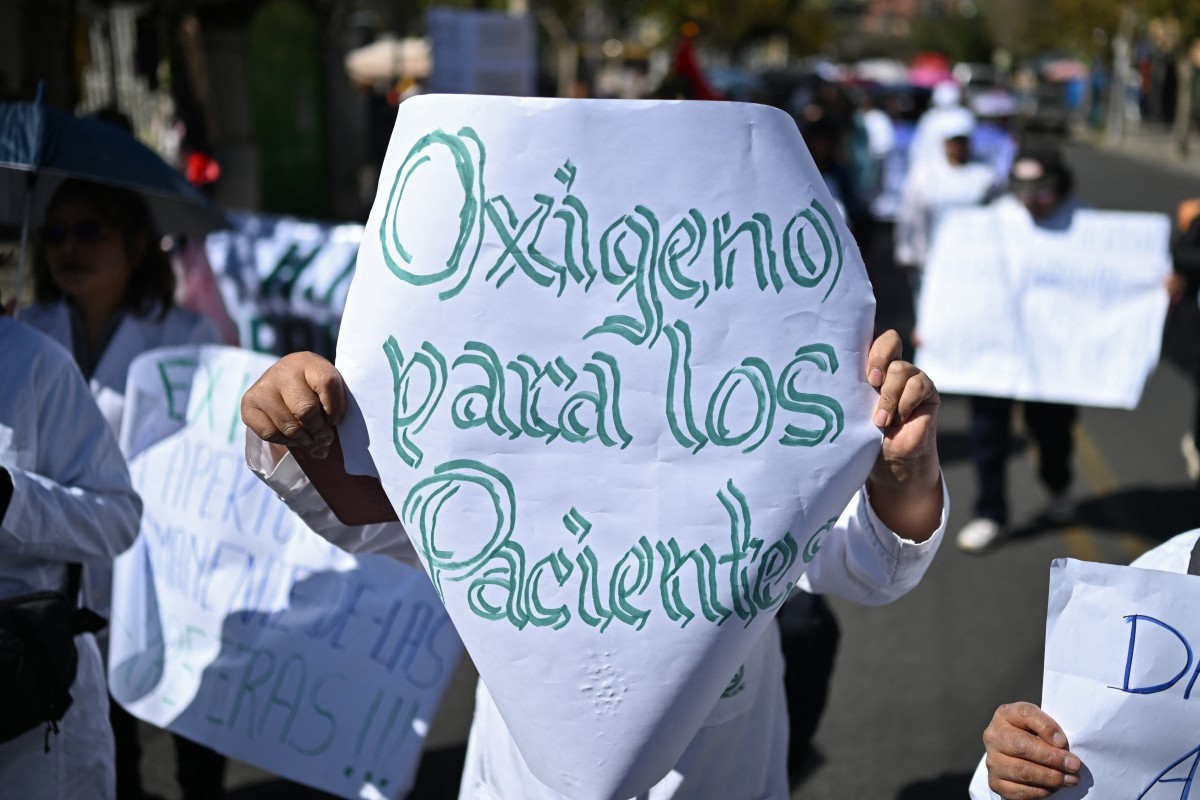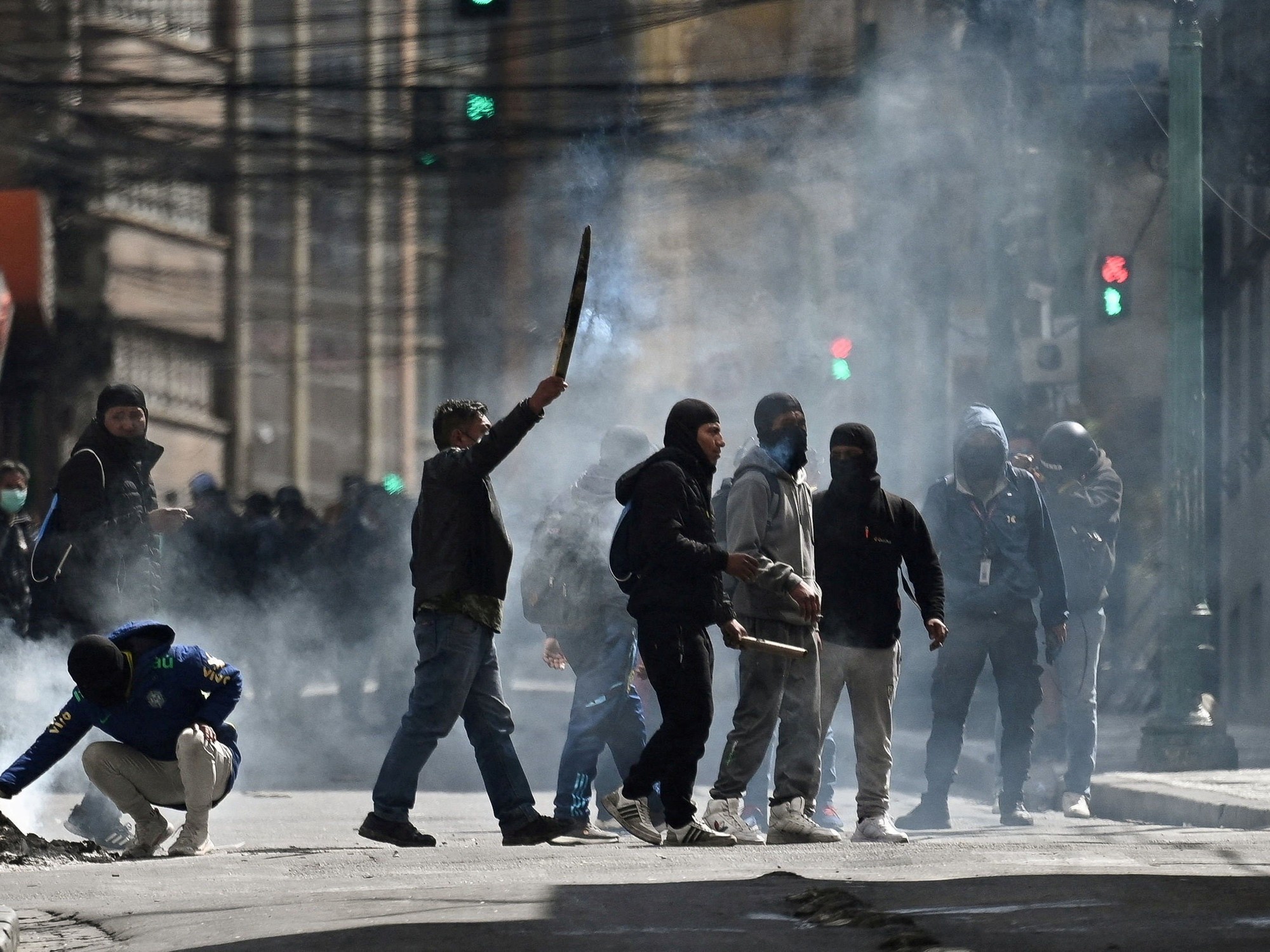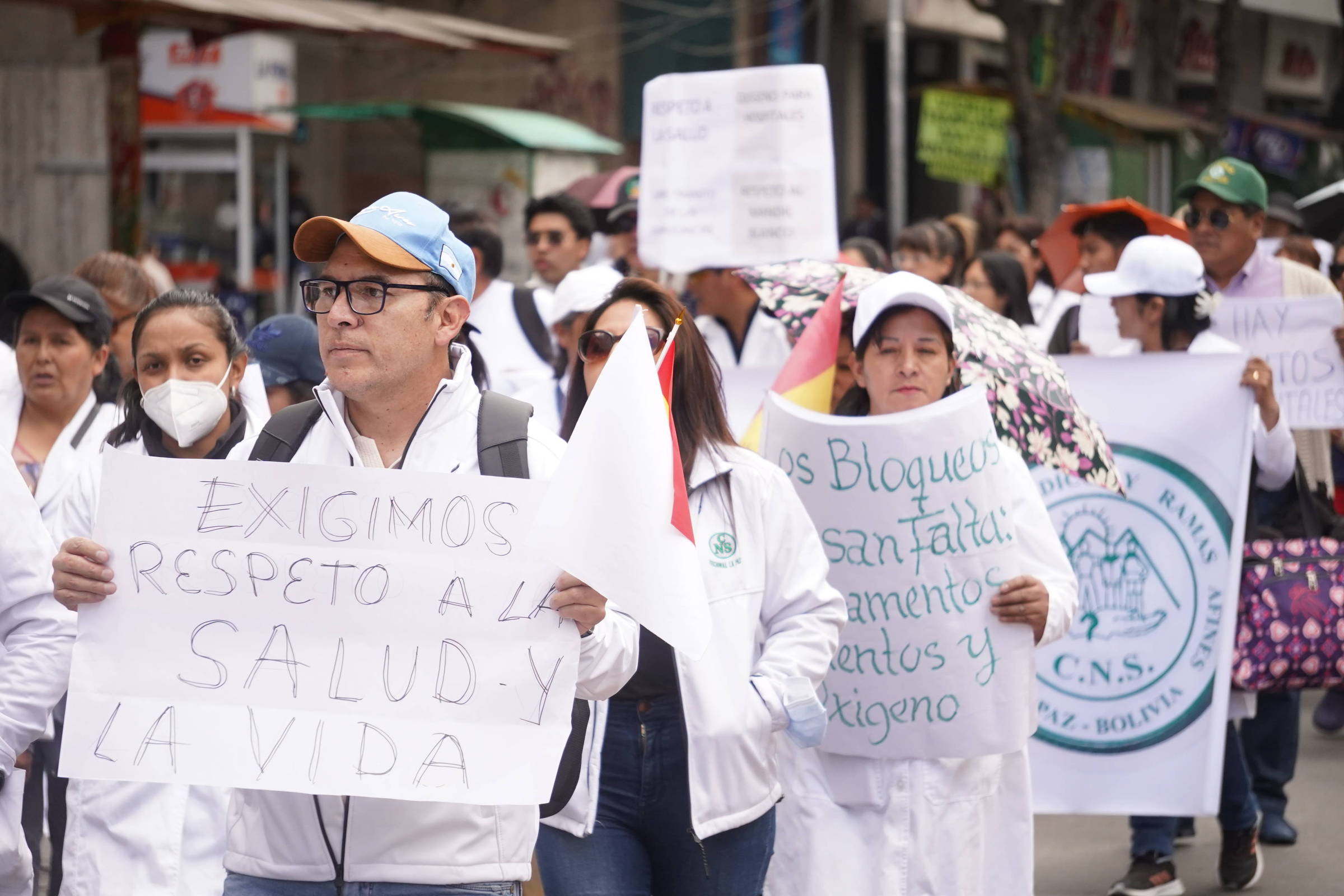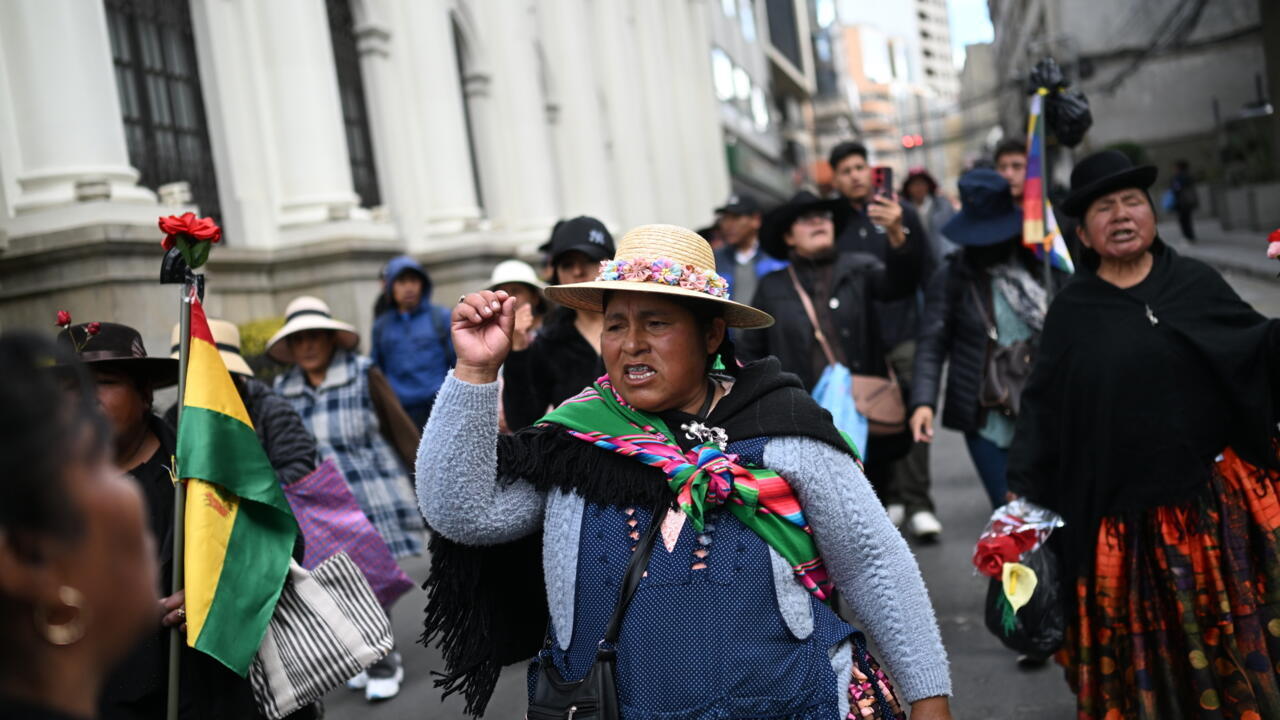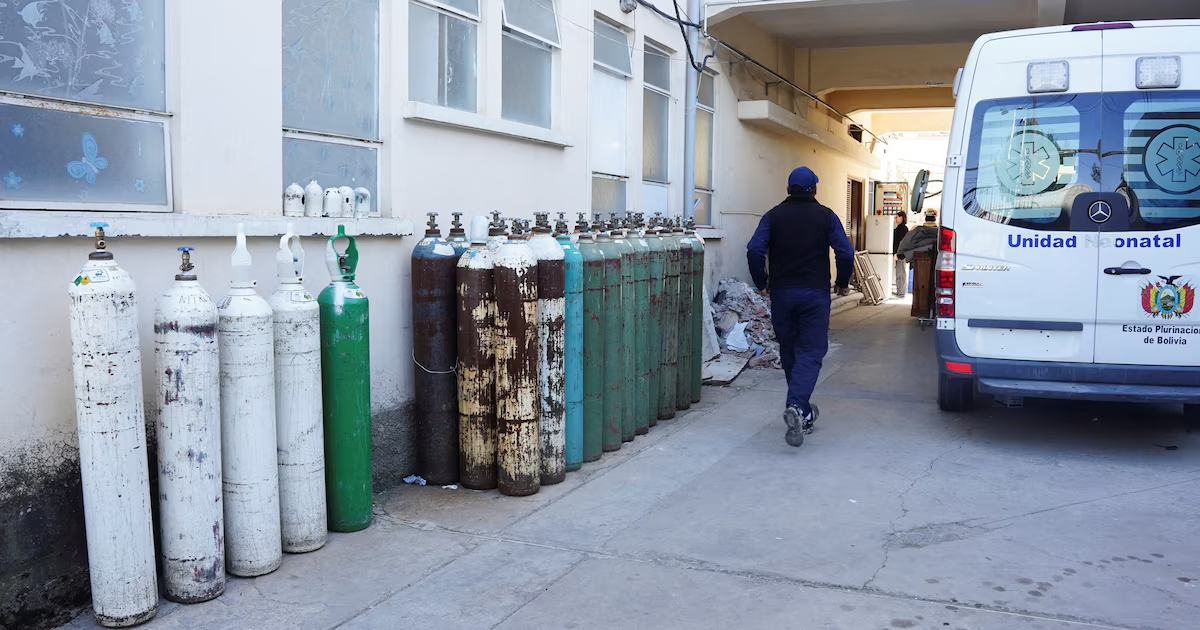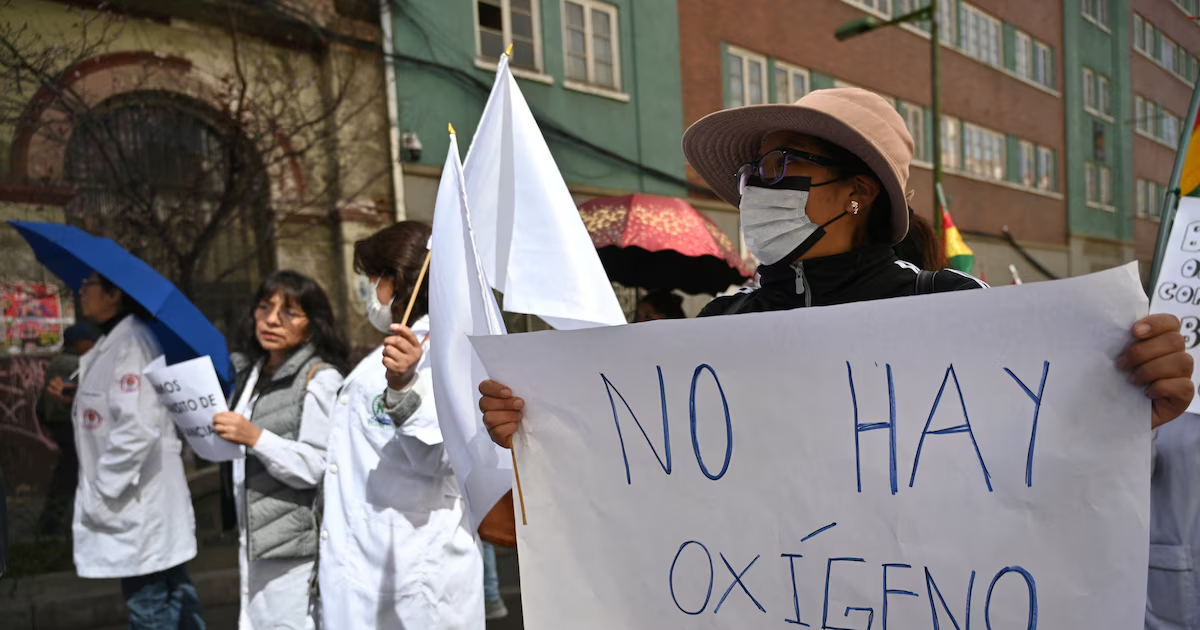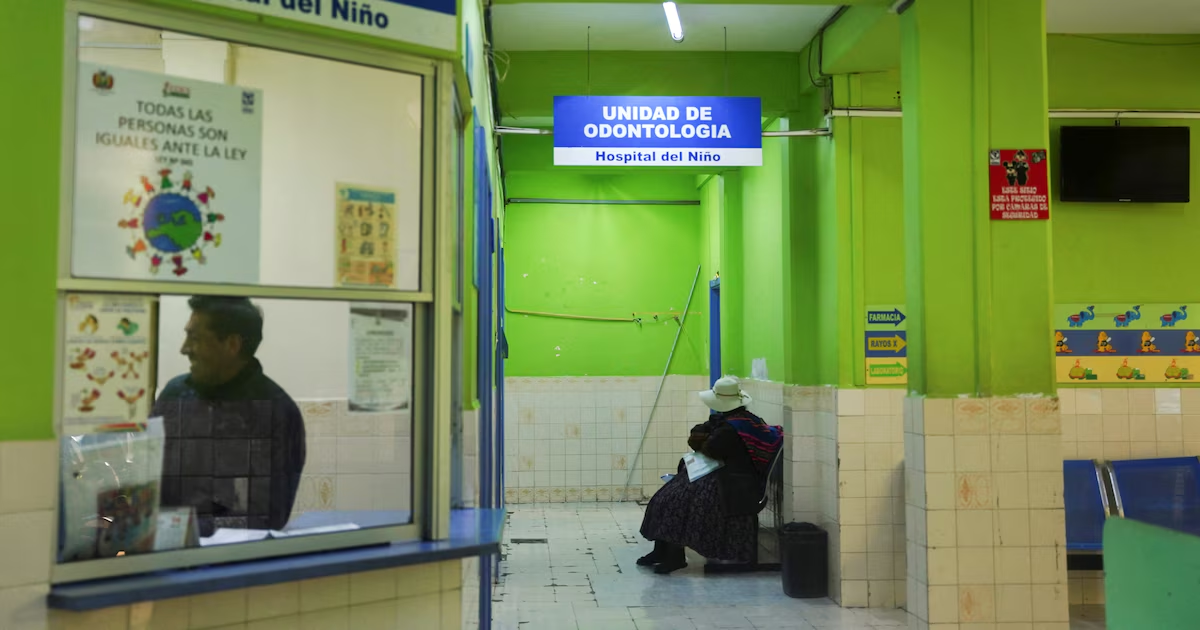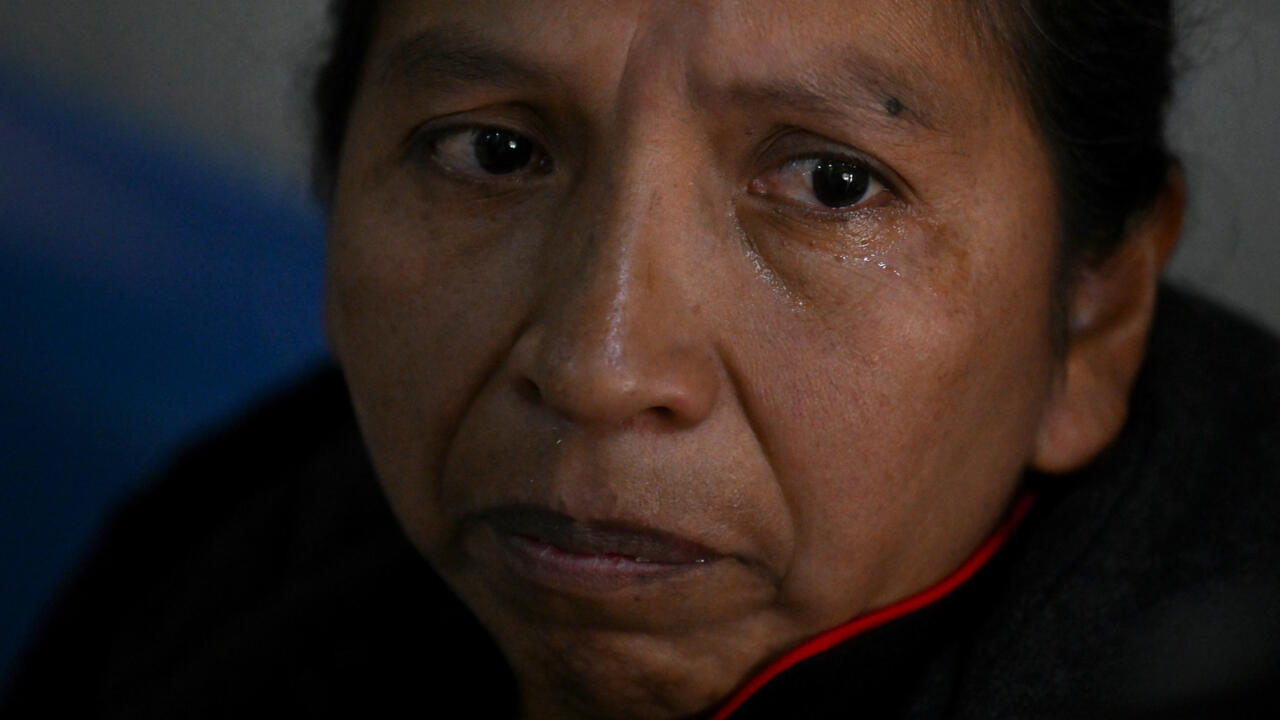
Oxygen and medicines are in short supply at hospitals in the city following nearly a month of blockades and protests against the Bolivian government, and she worries he will not get the treatment he needs. Hinojosa broke down in tears as she recounted the difficulties of getting her son to the hospital from El Alto, a suburb of La Paz, where they live at an altitude of 4,150 meters (13,600 feet).It is difficult to navigate the debris that protesters are using to block the city with a child with asthma and a heart murmur, the 44-year-old mother told AFP. "I can't expose him to this stress, to walking so much, because he's on medication," she said, adding that the trip "is a real ordeal."
Oxygen and medicines are in short supply at hospitals in La Paz after nearly a month of blockades and protests © Marvin RECINOS / AFP
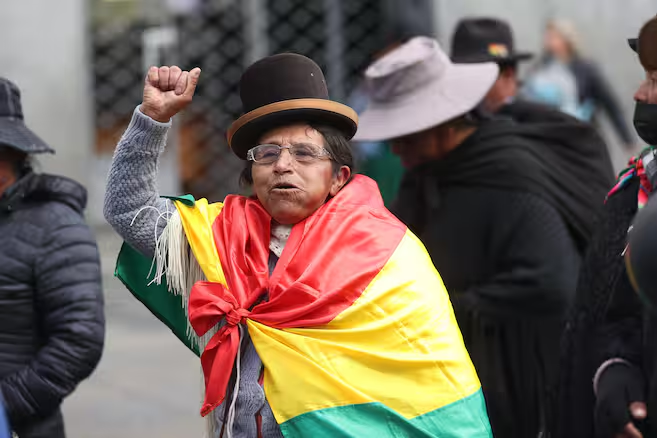
Demonstrations began in early May with trade union demands for salary increases, stable fuel supplies and sounder economic management. But the movement has intensified, with protesters calling for President Rodrigo Paz to step down.Demonstrators have blockaded entry routes into La Paz, shops have shuttered for fear of violence, and food, medicine and fuel supplies are running low."Medicine is getting more expensive, and some are running out," said Hinojosa, who makes a living working two jobs -- making empanadas and working as a carer. At least four people have died because they did not receive timely medical care due to the blockades, according to the government.'No medicine'At the Clinicas de La Paz public hospital, one of the oldest and largest in the country, the shortage of medical oxygen is critical.