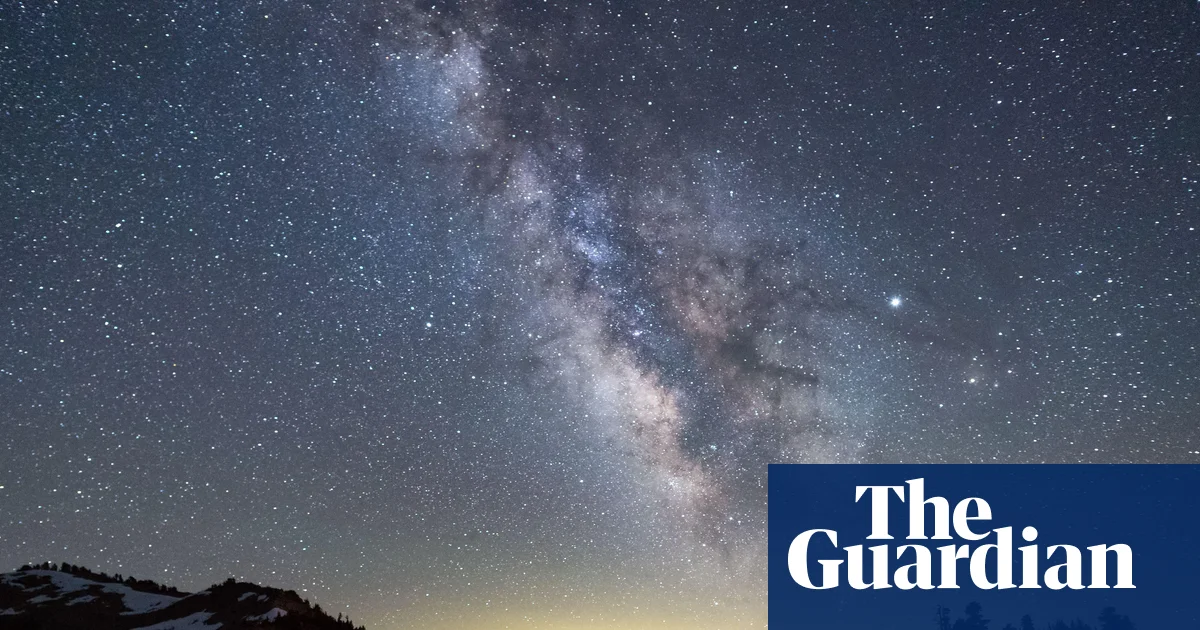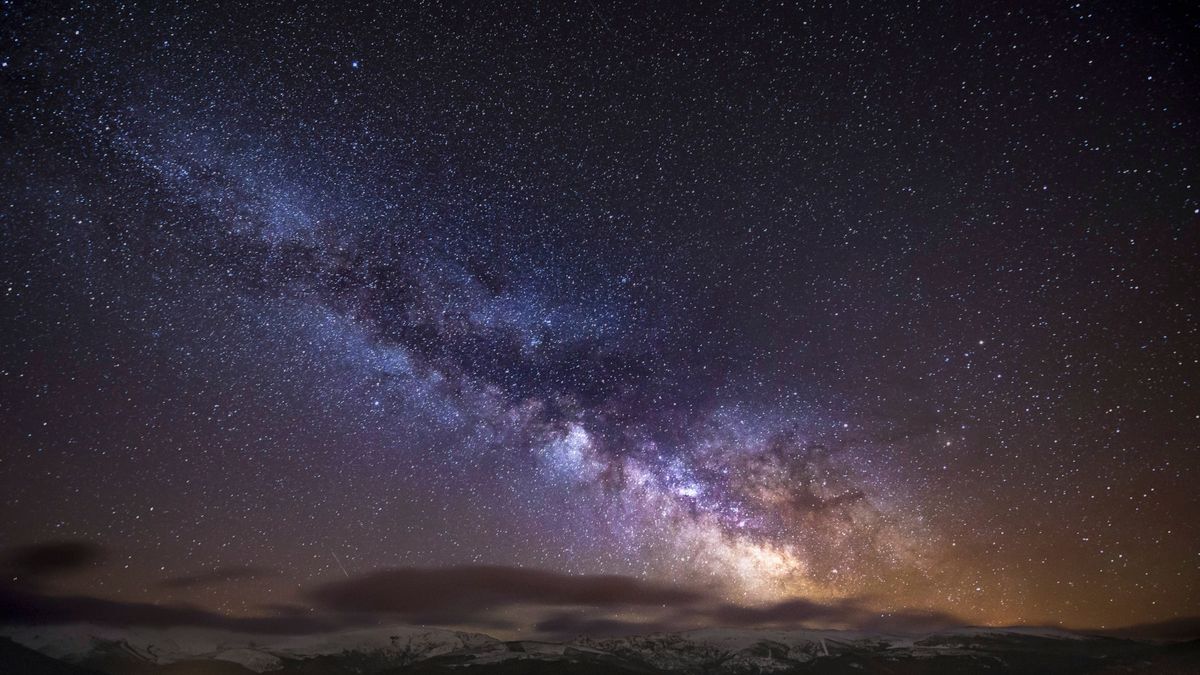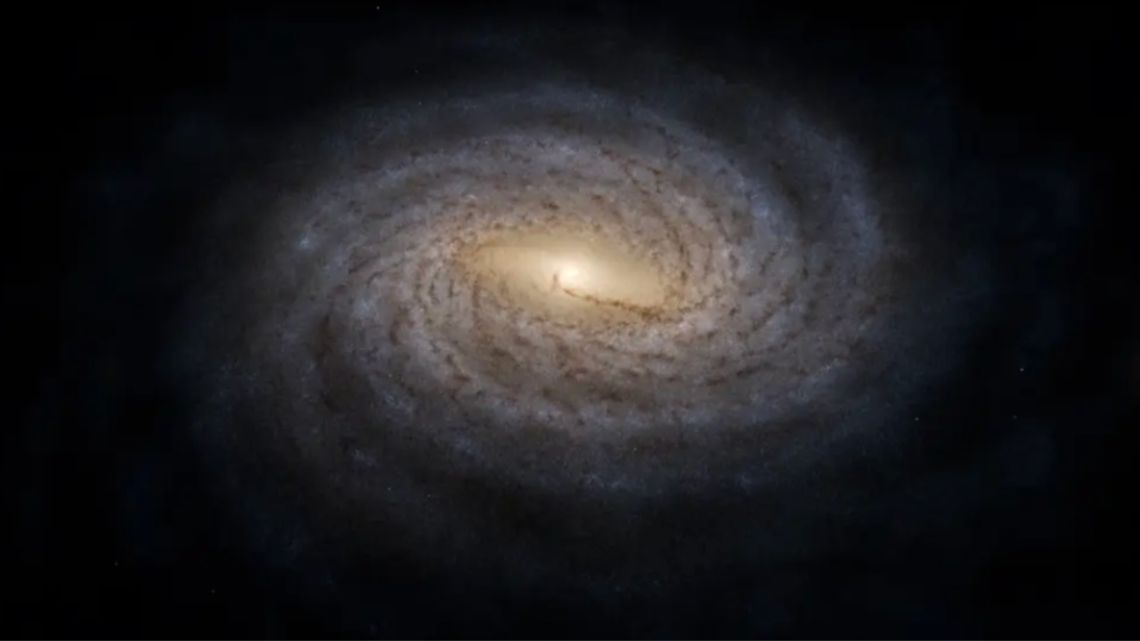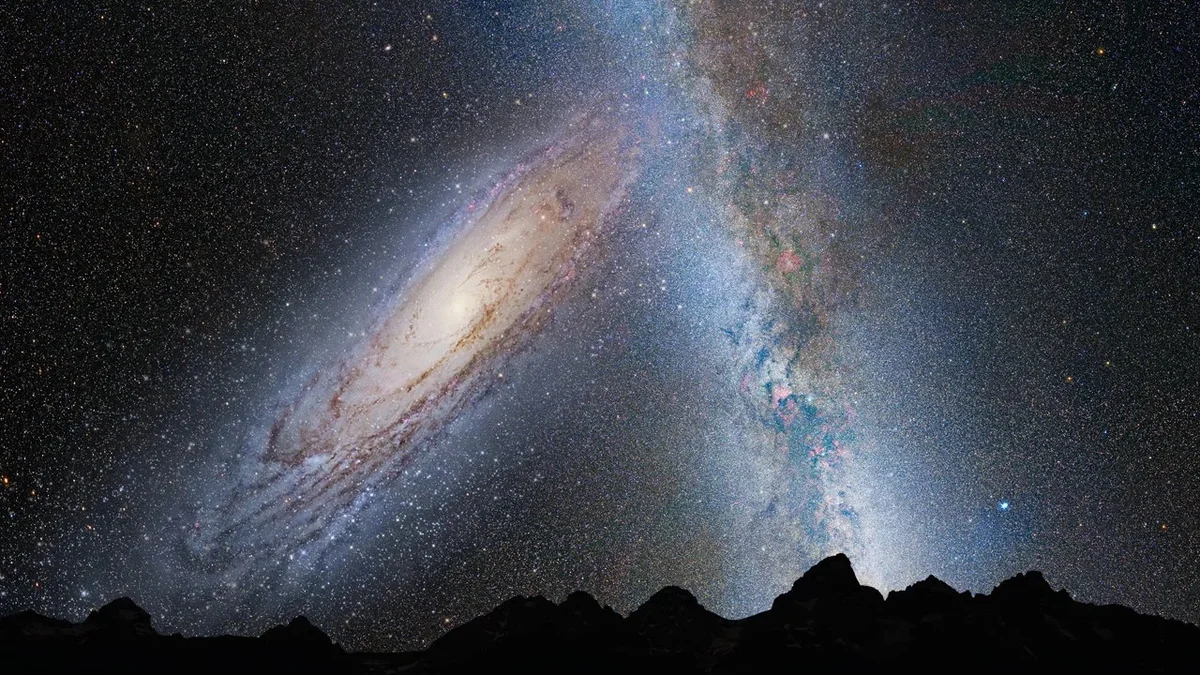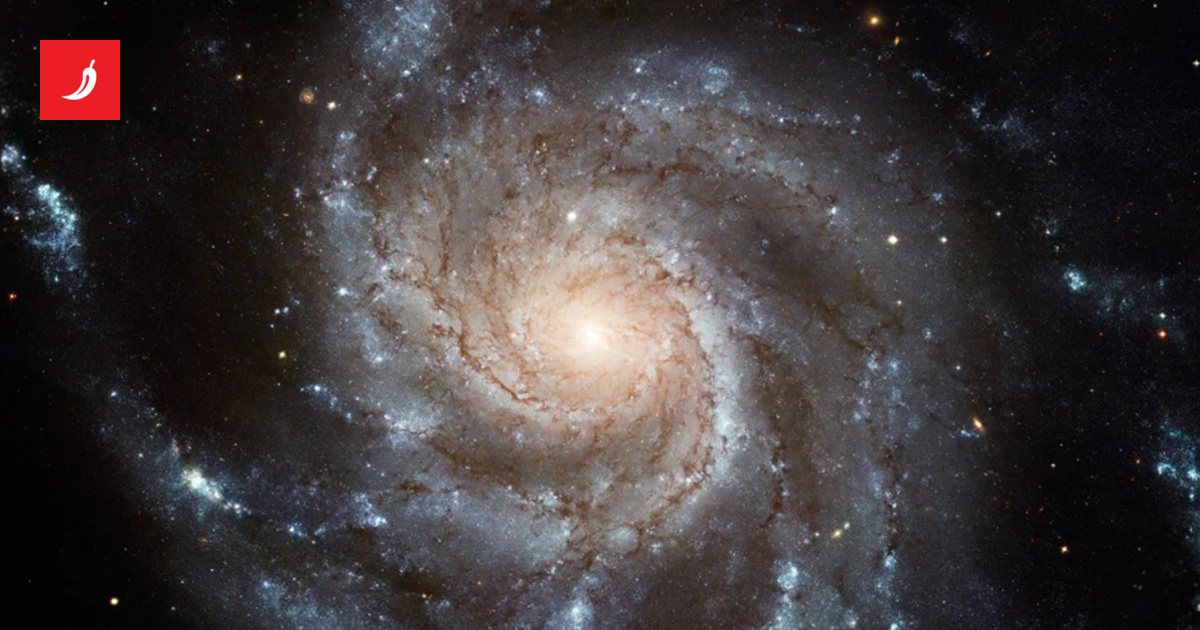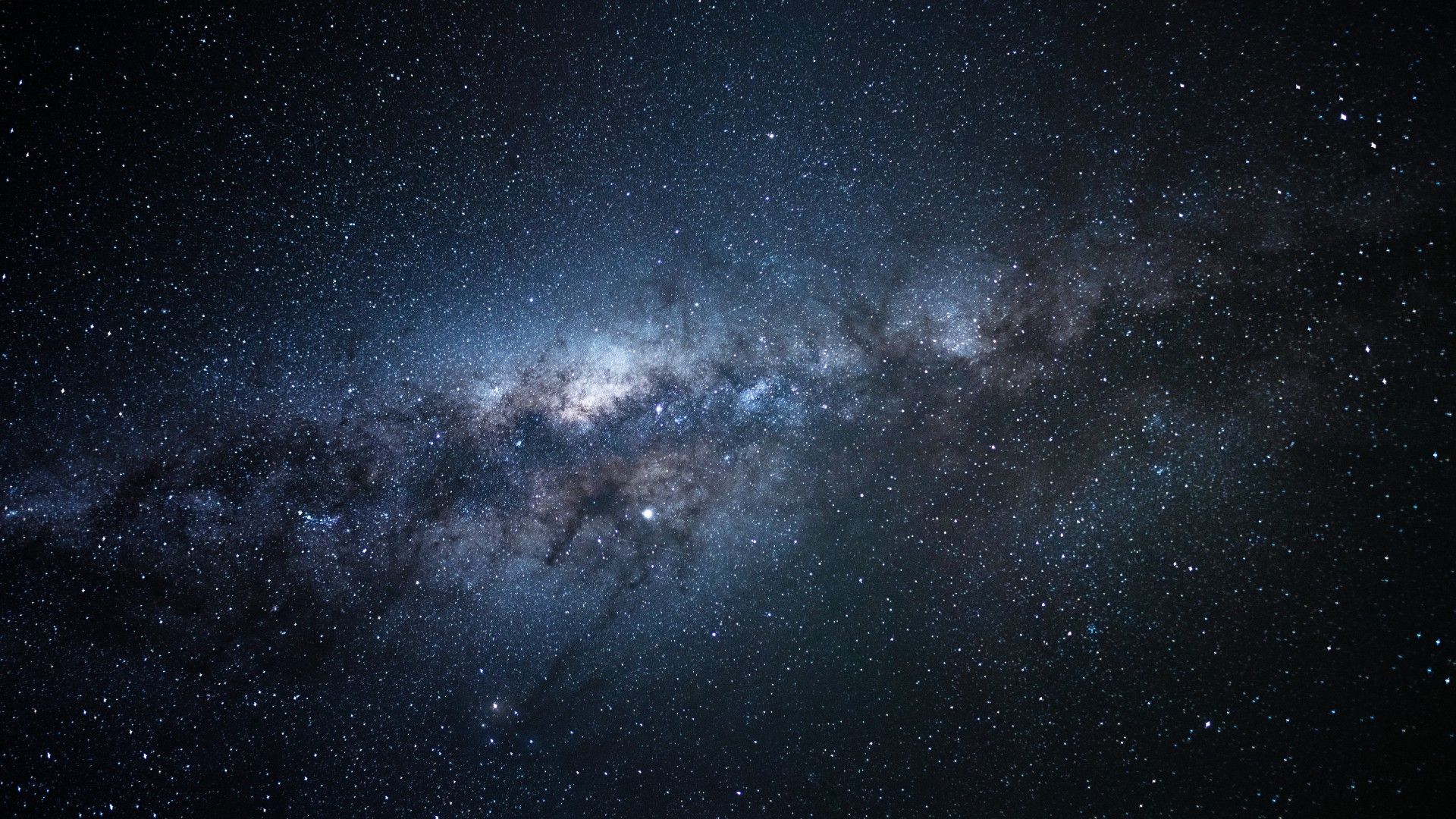
One of the arms of the Milky Way Galaxy seen from Patagonia, Argentina.
(Image credit: Natapong Supalertsophon/Getty Images)
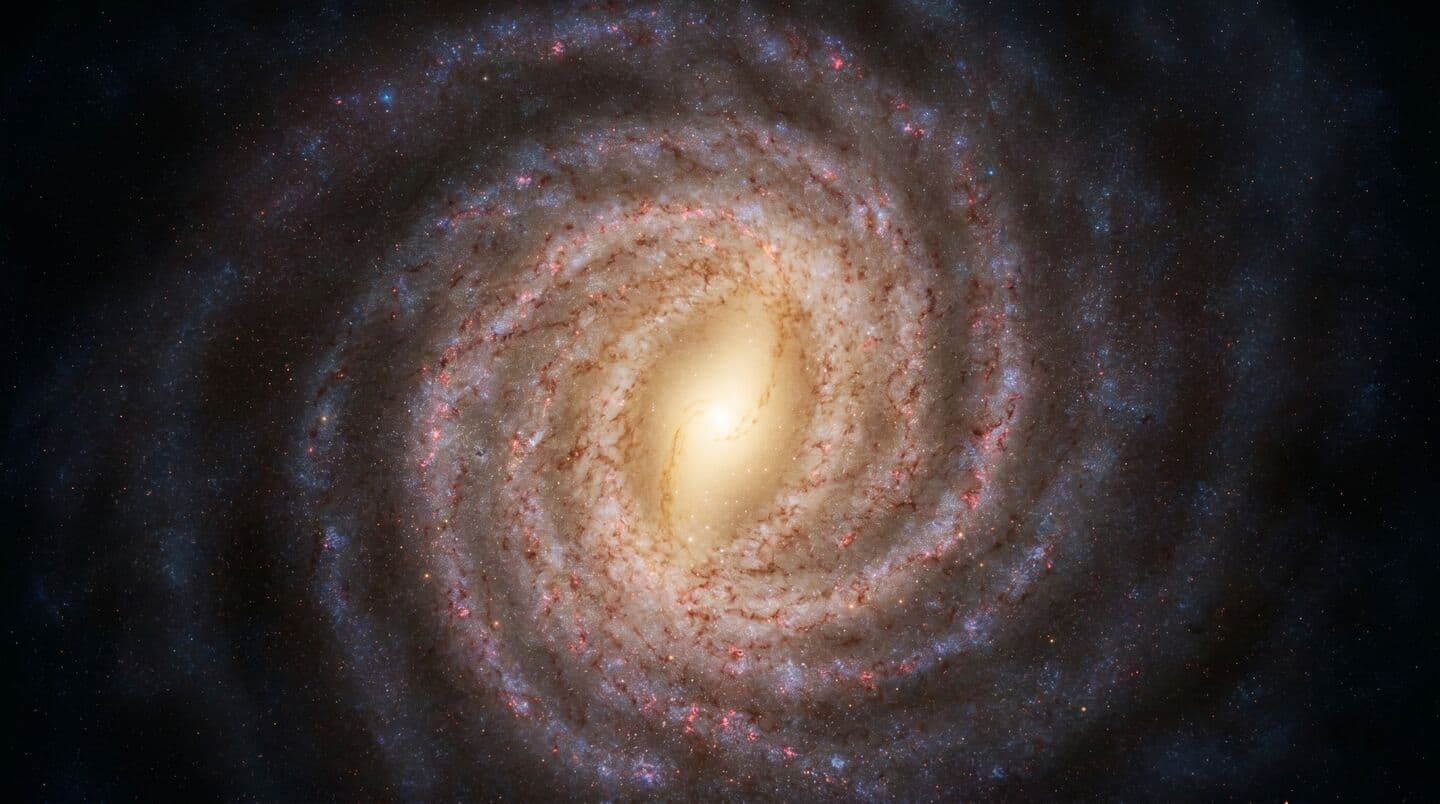
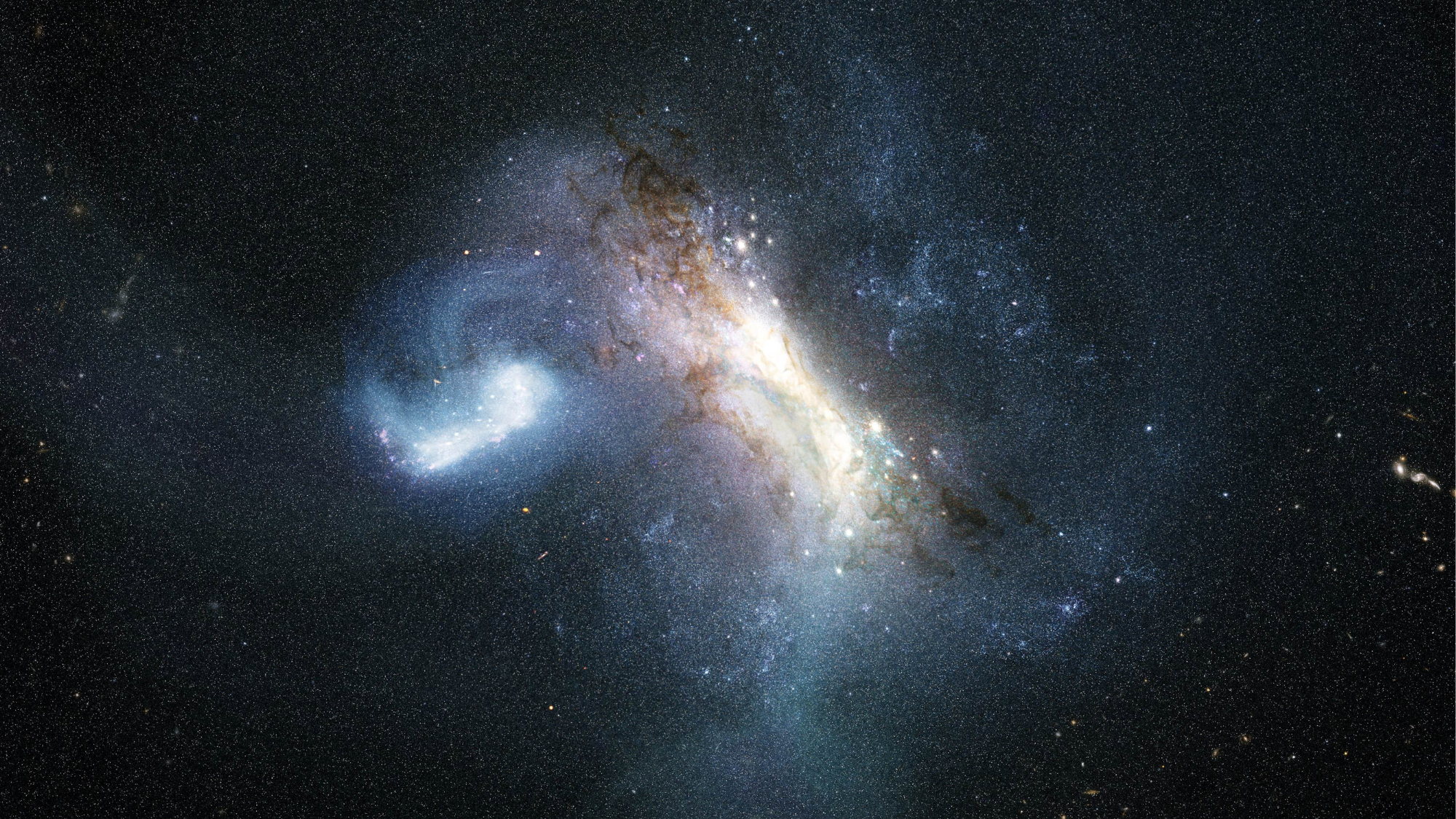
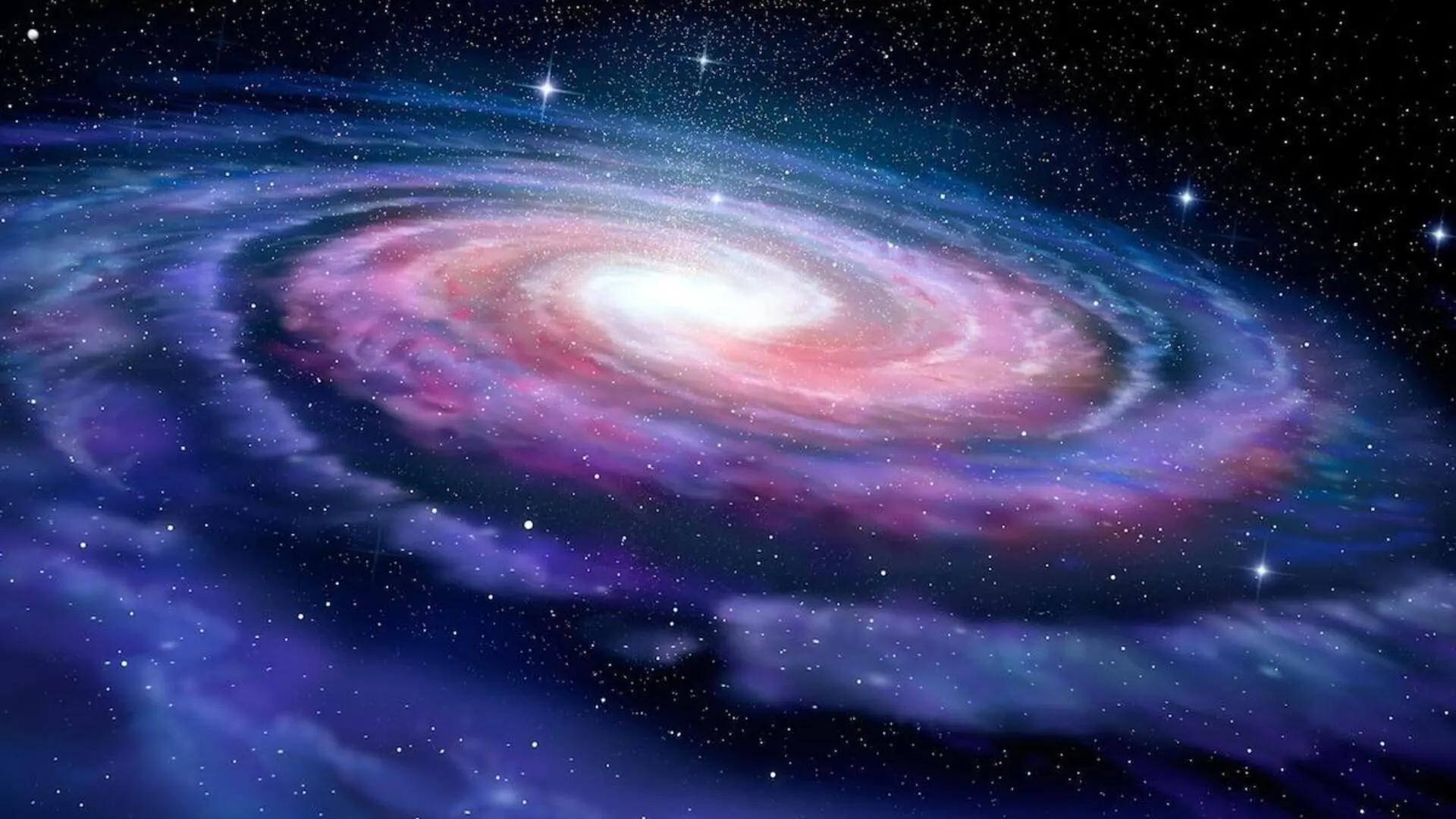
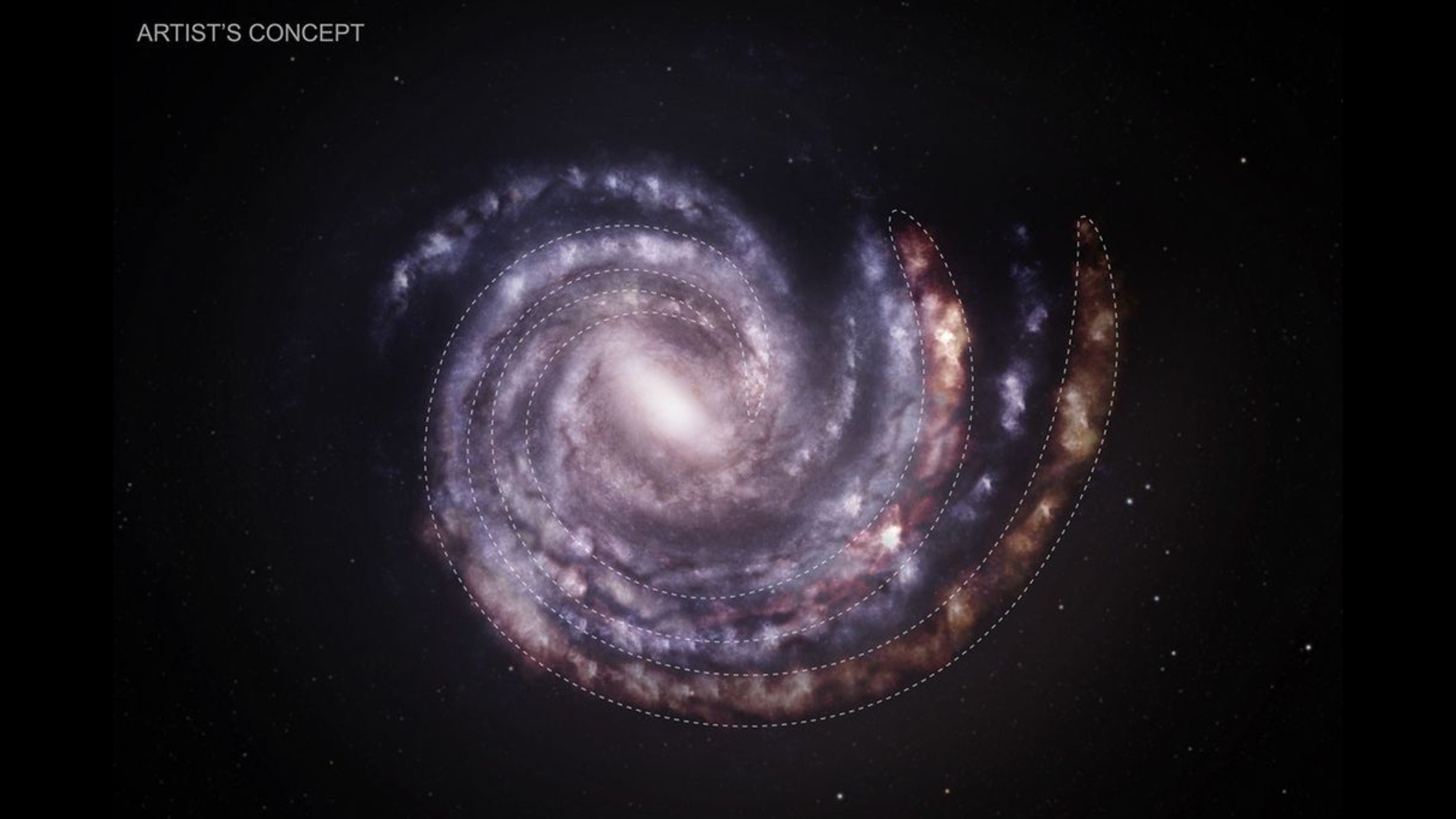
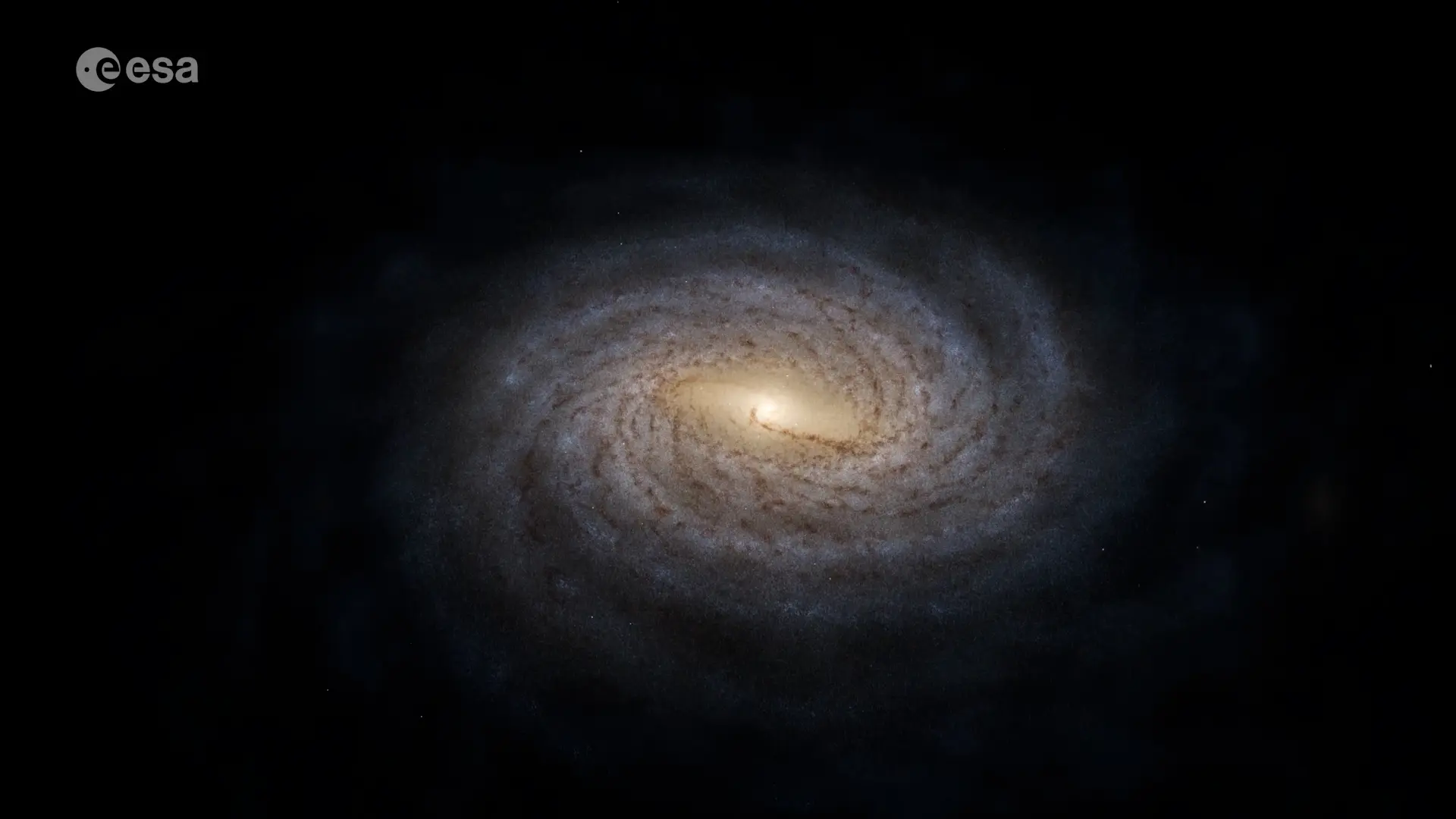
Our home galaxy didn't pop into existence all at once. The Milky Way was formed gradually, as smaller galaxies, or dwarf galaxies, were subsumed into our own galaxy over billions of years.It turns out that the stars leftover from these dwarf galaxies still share characteristics, and scientists are getting better at identifying them. By studying their similarities, scientists use these stars to determine their galaxies of origin. A team of astronomers say that they have identified a sample of these 20 stars that — due to their similar features — may have grown up together in a dwarf galaxy which the researchers have dubbed "Loki.""We might have detected one of the various small systems that contributed to form our Milky Way," astronomer Federico Sestito, a postdoctoral fellow at University of Hertfordshire and study coauthor, told Space.com via email.The study, published in the Monthly Notices of the Royal Astronomical Society, builds on previous work from Sestitio. He had already identified the stars that they ended up surveying for the new study. But now, Sestitio and the team have new features that they can use to identify stars' original galaxies."This work can be thought of as a sort of follow-up of previous works," Sestitio said. "In the past, we had to look at these old stars with peculiar motion; however, we lacked chemical information, which is now available with this work."Growing up togetherHelium and hydrogen were main ingredients for the early stars that were formed in our universe. Once formed, the stars fused these two elements together, which created heavier elements that made later generations of stars. This process happened again and again over many generations.Those early stars are considered "metal-poor." Because they formed so early, the stars only have traces of the heavier elements, like iron. Being metal-poor is one of the identifiers the scientists used to figure out which stars formed in the same dwarf galaxy."We think these old and metal-poor stars were formed in one small galaxy that was ingested by the forming Milky Way," Sestitio says.But it's not just that these 20 stars are metal-poor; scientists have identified many stars in our galaxy that share this feature. The stars' elemental makeup isn't sufficient for determining the galaxy. To narrow it down, the team considered other features like location and orbit."[The stars] orbital motion is peculiar as they are confined close to the Milky Way disc, which is usually populated by younger and metal-rich stars," Sestitio says.The Milky Way disc is the circular flowing whirlpool-like structure, where most of our galaxy's stars, including our own sun, are located. The 20 stars' unique positioning was another indication that they might all be related."This was possible thanks to precise orbital motion and chemical information of metal-poor and old stars," Sestitio says.While the orbital motion of these stars has been previously identified and studied, the chemical information is new, and it gave the researchers a much stronger indication for the stars' shared galaxy of origin.