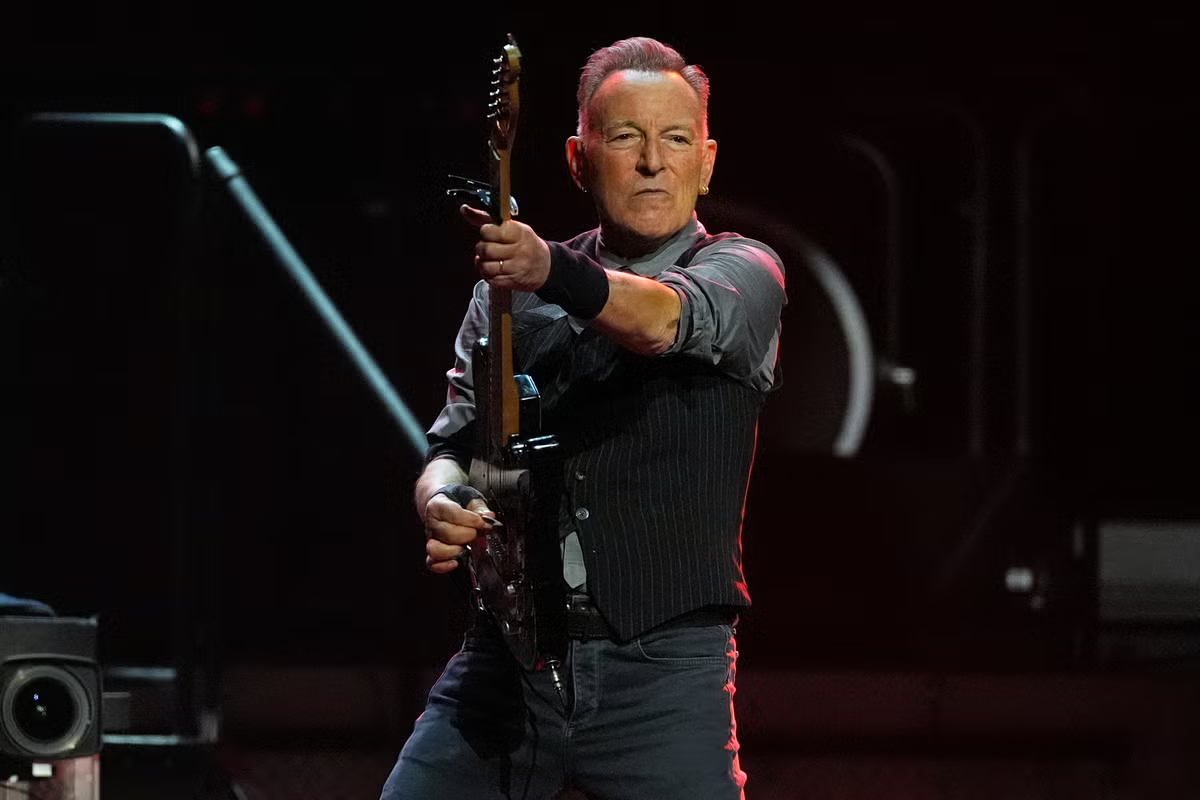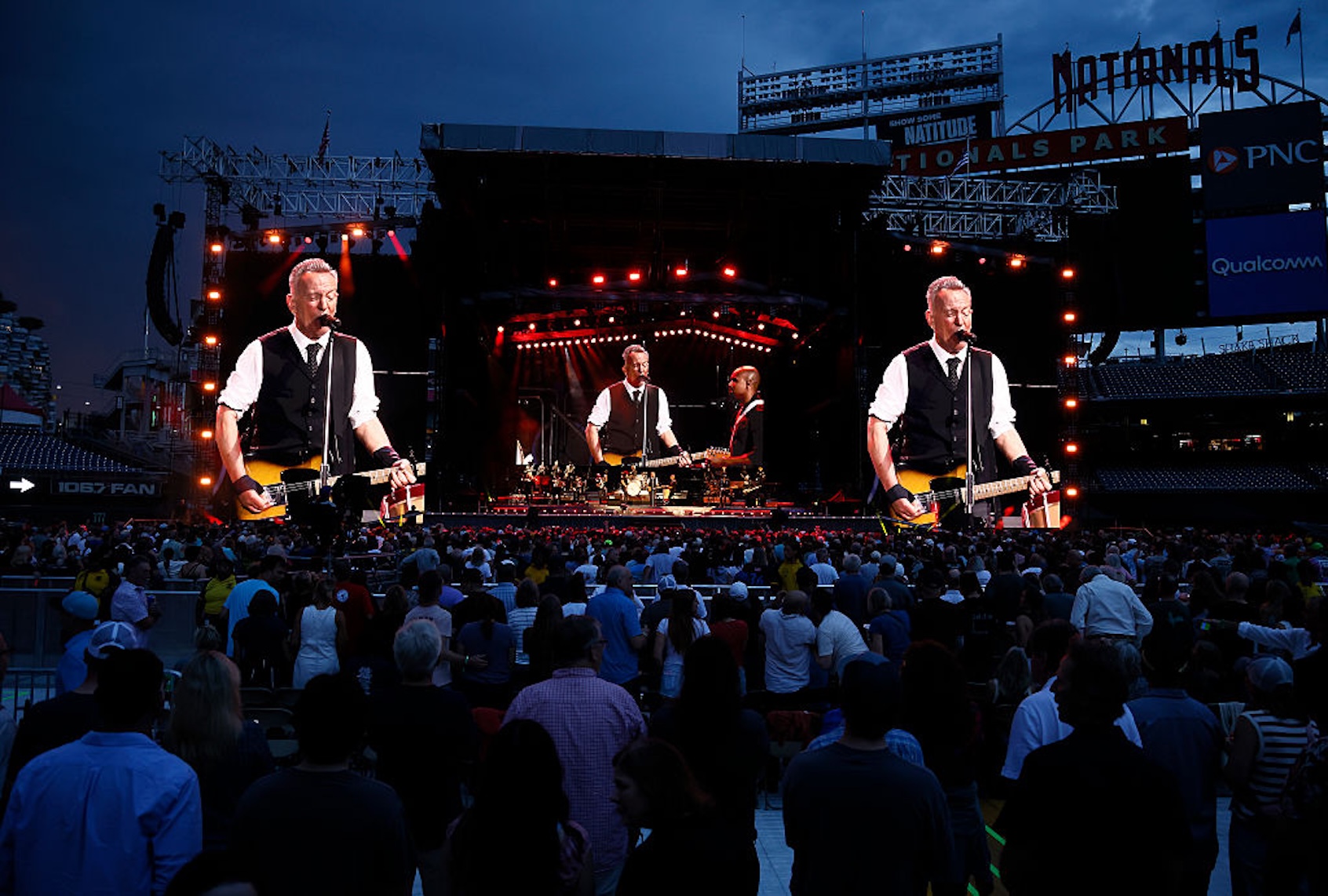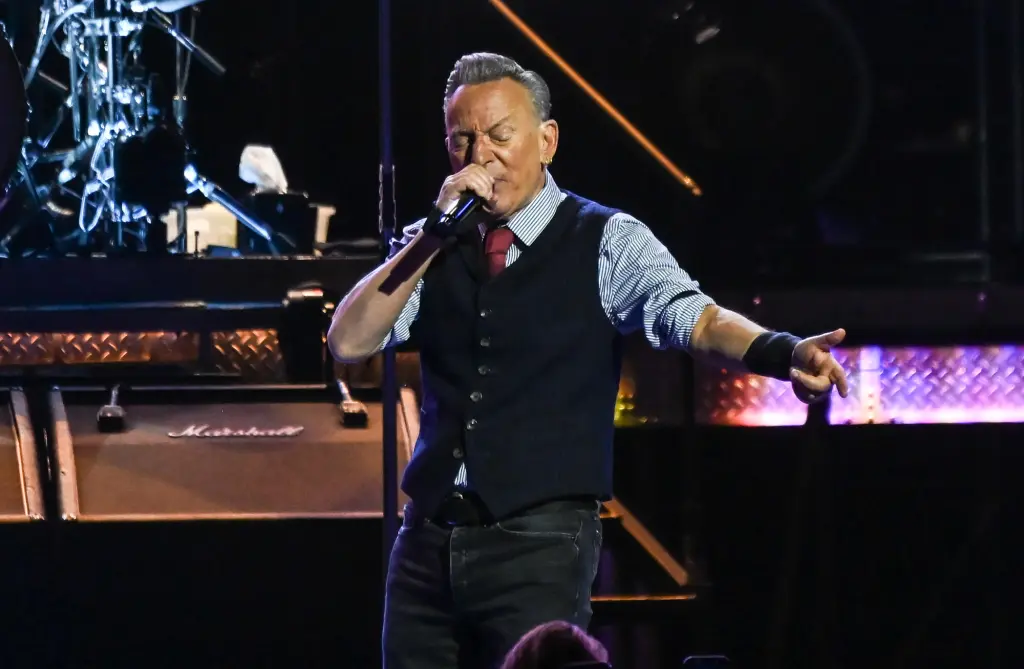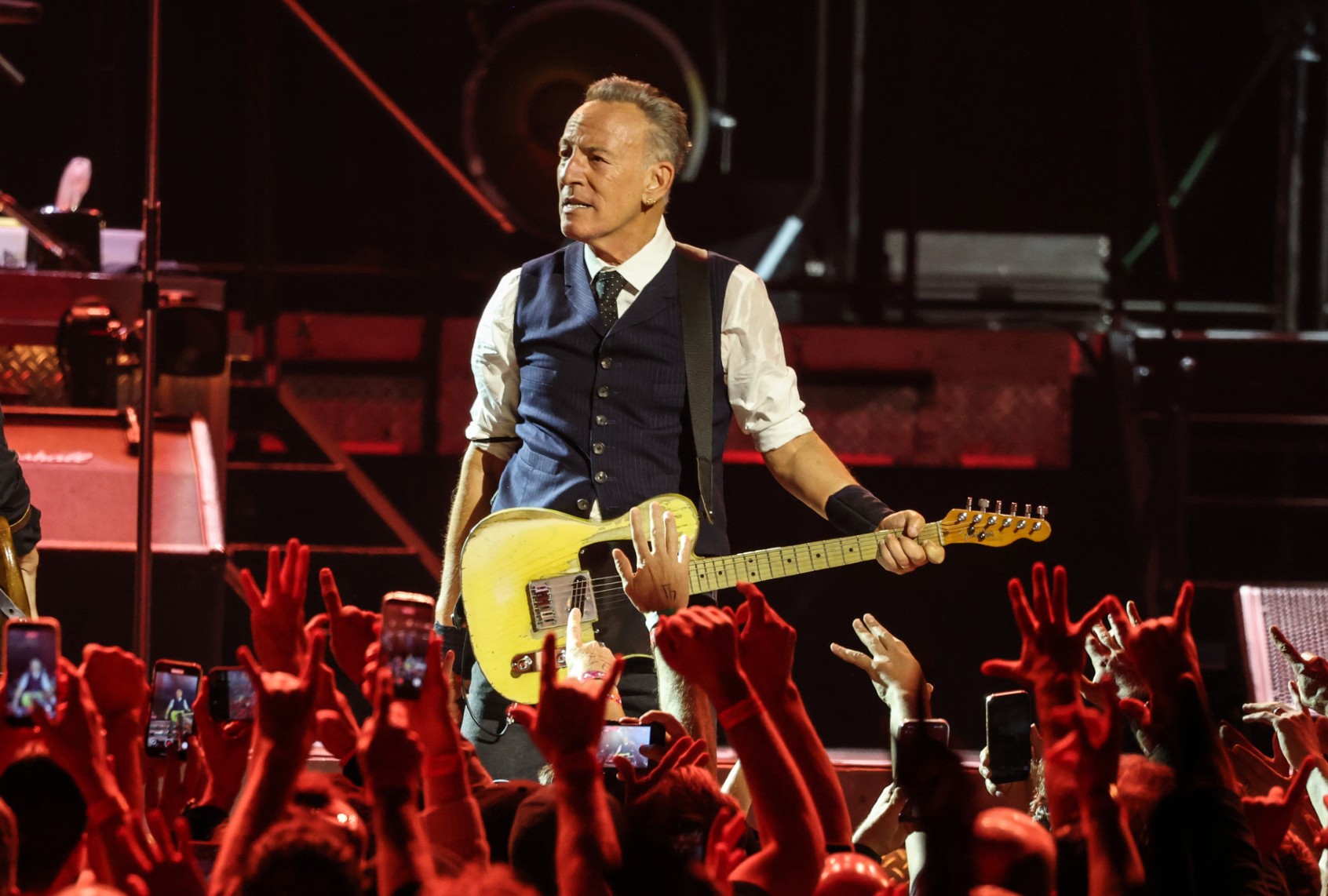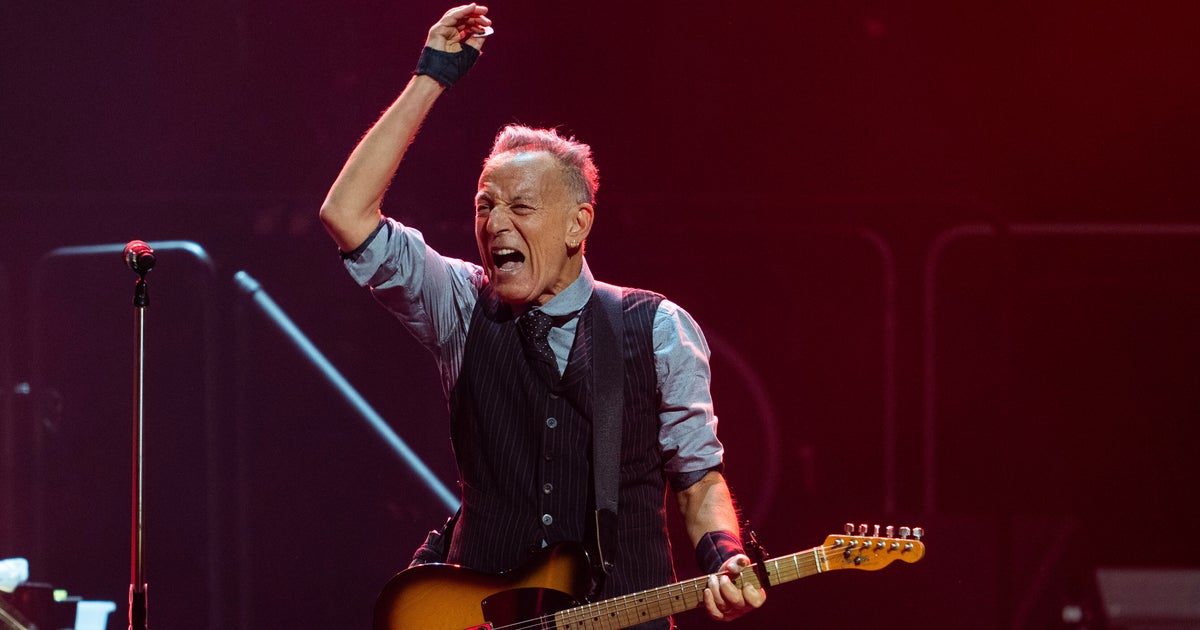
Skip to Content Subscribe Our Offers My Account Manage My Subscriptions FAQ Newsletters Canada Canadian True Crime Canadian Politics Health World Israel & Middle East Financial Post NP Comment Longreads Puzzmo Diversions Comics NP News Quiz New York Times Crossword Horoscopes Life Eating & Drinking Style Sponsored Play for Ontario Travel Travel Canada Travel USA Travel International Cruises Travel Essentials Culture Books Celebrity Movies Music Theatre Television Business Essentials Advice Lives Told Tails Told Shopping Buy Canadian Home Living Outdoor Living Tech Style & Beauty Kitchen & Dining Personal Care Entertainment & Hobbies Gift Guide Travel Guide Deals Savings National Post Store More Sports Hockey Baseball Basketball Football Soccer Golf Tennis Driving Vehicle Research Reviews News Gear Guide Obituaries Place an Obituary Place an In Memoriam Classifieds Place an Ad Celebrations Working Business Ads Archives Healthing Epaper Manage Print Subscription Profile Settings My Subscriptions Saved Articles My Offers Newsletters Customer Service FAQ Newsletters Canada World Financial Post NP Comment Longreads Puzzmo Diversions Life Shopping Epaper Manage Print Subscription HomeNP CommentRaymond J. de Souza: Bruce Springsteen's lifetime of cultural protestThe Boss's latest tour follows a career of standing up to communists, mayors, police officers and presidentsLast updated 5 minutes ago You can save this article by registering for free here. Or sign-in if you have an account.Bruce Springsteen and the E Street Band perform in Inglewood, Calif., on April 7. Photo by Frazer Harrison/Getty Images“Thank you for a lifetime,” says Bruce Springsteen toward the end of the concerts on his recent tour, Land of Hope and Dreams. In New York City, it was particularly poignant.Enjoy the latest local, national and international news.Exclusive articles by Conrad Black, Barbara Kay and others. Plus, special edition NP Platformed and First Reading newsletters and virtual events.Unlimited online access to National Post.National Post ePaper, an electronic replica of the print edition to view on any device, share and comment on.Daily puzzles including the New York Times Crossword.Support local journalism.Enjoy the latest local, national and international news.Exclusive articles by Conrad Black, Barbara Kay and others. Plus, special edition NP Platformed and First Reading newsletters and virtual events.Unlimited online access to National Post.National Post ePaper, an electronic replica of the print edition to view on any device, share and comment on.Daily puzzles including the New York Times Crossword.Support local journalism.Create an account or sign in to continue with your reading experience.Access articles from across Canada with one account.Share your thoughts and join the conversation in the comments.Enjoy additional articles per month.Get email updates from your favourite authors.Create an account or sign in to continue with your reading experience.Access articles from across Canada with one accountShare your thoughts and join the conversation in the commentsEnjoy additional articles per monthGet email updates from your favourite authorsSign In or Create an AccountorAt 76, the Boss has been on the road for a lifetime — at his May 11 show at Madison Square Garden, he recalled that he played a club in Greenwich Village in 1966, at age 16. Sixty years later, his concerts are closer to three hours than to four, but the high-octane intensity of the E Street Band is only slightly diminished. The exuberant virtuosity of Max Weinberg on the drums or Nils Lofgren on guitar would exhaust men a third their age.A fervent critic of U.S. President Donald Trump, Springsteen was galvanized by the ICE operation in Minneapolis this winter, which met with widespread resistance among the citizenry. In response, he announced this short tour, beginning March 31 in Minneapolis and planned to conclude in Trump’s shadow in Washington, D.C., on Wednesday. Arena conflicts meant it will now conclude on Saturday in Philadelphia, fittingly in the city of America’s founding.This newsletter from NP Comment tackles the topics you care about. (Subscriber-exclusive edition on Fridays)By signing up you consent to receive the above newsletter from Postmedia Network Inc.We encountered an issue signing you up. Please try againThe killings of American citizens who protested, Renee Good and Alex Pretti, marked something of a turning point. The cartoonish ICE commander on site was transferred out and quickly retired. Trump fired the Homeland Security secretary. ICE put its tail between its legs and slinked out of town.Springsteen recorded a song in memory of Good and Pretti, “The Streets of Minneapolis,” punctuated with shouts of “ICE out now” in live performances. Feeling both despondent and energized, Springsteen spontaneously summoned the E Street Band for eight weeks of artistic protest.Trump will have his mixed martial arts cage match on the White House grounds next month to mark America’s 250th birthday. Springsteen will be at Nationals Park in Washington this week with his own contribution.Despondent energy and the great patriotic lament has been the Springsteen genius for more than 50 years; the same man who sings sentimental ballads about his hometown first became a rock sensation with “Born to Run,” the urgent cry to get out and get away. Yet 60 years later, Springsteen was back at “the world’s most famous arena,” across the river from where he grew up.“Born in the U.S.A.” is the second song on this tour’s set list. He played it in front of a massive American flag on his mammoth 1984 tour, amidst the patriotic frenzy of that summer — the Los Angeles Olympics, U.S. President Ronald Reagan’s Morning in America re-election campaign — even though it was an indictment rather than a celebration.In 2026, Springsteen sees much to indict — and still reason to celebrate. “The Land of Hope and Dreams” is a song about heaven, but Americans — as far back as George Washington and Abraham Lincoln — sometimes think of their country as the promised land for an almost-chosen people.“Thank you for a lifetime.” The throngs who sellout arenas even now for Springsteen could have said the same to him. I saw Springsteen in Ottawa in 2012, and the crowd was mostly his age. This time around, there are new generations, perhaps attracted by someone who can lament and celebrate together.America is angry, and many are angry at their government and their unpopular president. Springsteen is angry, too, and has been for a very long time, about a great many things, but he has not lost his faith. Thus he is not wholly given over to anger. There is hope; there is joy. The anger does not completely obscure the good that remains.No one else has a set list more suitable for this moment, known well by those who have followed him for a lifetime. He played “Streets of Minneapolis,” about the police killings this year, and also “American Skin (41 Shots).” He wrote the latter after the 1999 death of Amadou Diallo, shot 41 times by four New York cops who mistook him for a rapist, and then thought he was reaching for a gun when he tried to get his ID.The tough-on-crime ideologues, always ready to excuse lethal police incompetence, blasted Springsteen for the song, with Mayor Rudy Giuliani telling him not to perform it in New York. Springsteen, insisting the song was not anti-police but anti-brutality, sang it 10 consecutive nights to sellouts at Madison Square Garden in 2000.Twenty-six years later — a lifetime for the younger fans in attendance — it was chilling and strangely comforting to hear it again, Diallo’s killing having had so many echoes in the intervening quarter century.“Land of Hope and Dreams” was written at the same time, a folk gospel song about “this train” headed to where “tomorrow there’ll be sunshine and all this darkness past … where sunlight streams meet me in a land of hope and dreams.…“All aboard … this train carries saints and sinners/losers and winners/whores and gamblers/lost souls and broken-hearted/thieves and sweet souls/fools and kings,” Springsteen sings, promising that, “Dreams will not be thwarted, faith will be rewarded.”When the Big Man of the E Street Band, saxophonist Clarence Clemons, had a stroke in 2011, Springsteen was at the deathbed of his close collaborator and friend, playing that “hymn” for him as he died.Springsteen talks politics on this tour, but his concerts are not much on talking. After a lifetime, he trusts that his fans know about Clarence’s death, about what his anthems really mean, about how a true patriot must denounce corruption in a land that he loves, about how music has a dual vocation to celebrate a culture and to be a vehicle of cultural protest.Springsteen ends this tour with “Chimes of Freedom,” the Bob Dylan song that he calls “one of the greatest songs about human freedom ever written.” Like most Dylan songs, it is much better when other people sing it.In 1988, to mark the 40th anniversary of the Universal Declaration of Human Rights, Springsteen sang it on a European tour — including a stop in East Berlin, where he played the largest concert of his career, with some 160,000 tickets, but there were likely many more who crammed in.The Communists restricted what could be said, but Springsteen did say a few lines in phonetic German: “I am not for or against a government. I’ve come to play rock and roll for you, in the hope that one day all barriers will be torn down.”The people knew which “barrier” needed to be torn down; it happened the next year. Then he sang “Chimes of Freedom.” The music said what the tyrants did not want to hear.That he would sing in Washington and Philadelphia this week what he sang in East Berlin in 1988 will rankle some, as he rankled Giuliani in 2000. And those who have followed him for a lifetime will thank him for it.National Post Get the latest from Father Raymond J. de Souza straight to your inbox Join the Conversation This website uses cookies to personalize your content (including ads), and allows us to analyze our traffic. Read more about cookies here. By continuing to use our site, you agree to our Terms of Use and Privacy Policy.
Raymond J. de Souza: Bruce Springsteen's lifetime of cultural protest
The Boss's latest tour follows a career of standing up to communists, mayors, police officers and presidents
1,650 words~8 min read