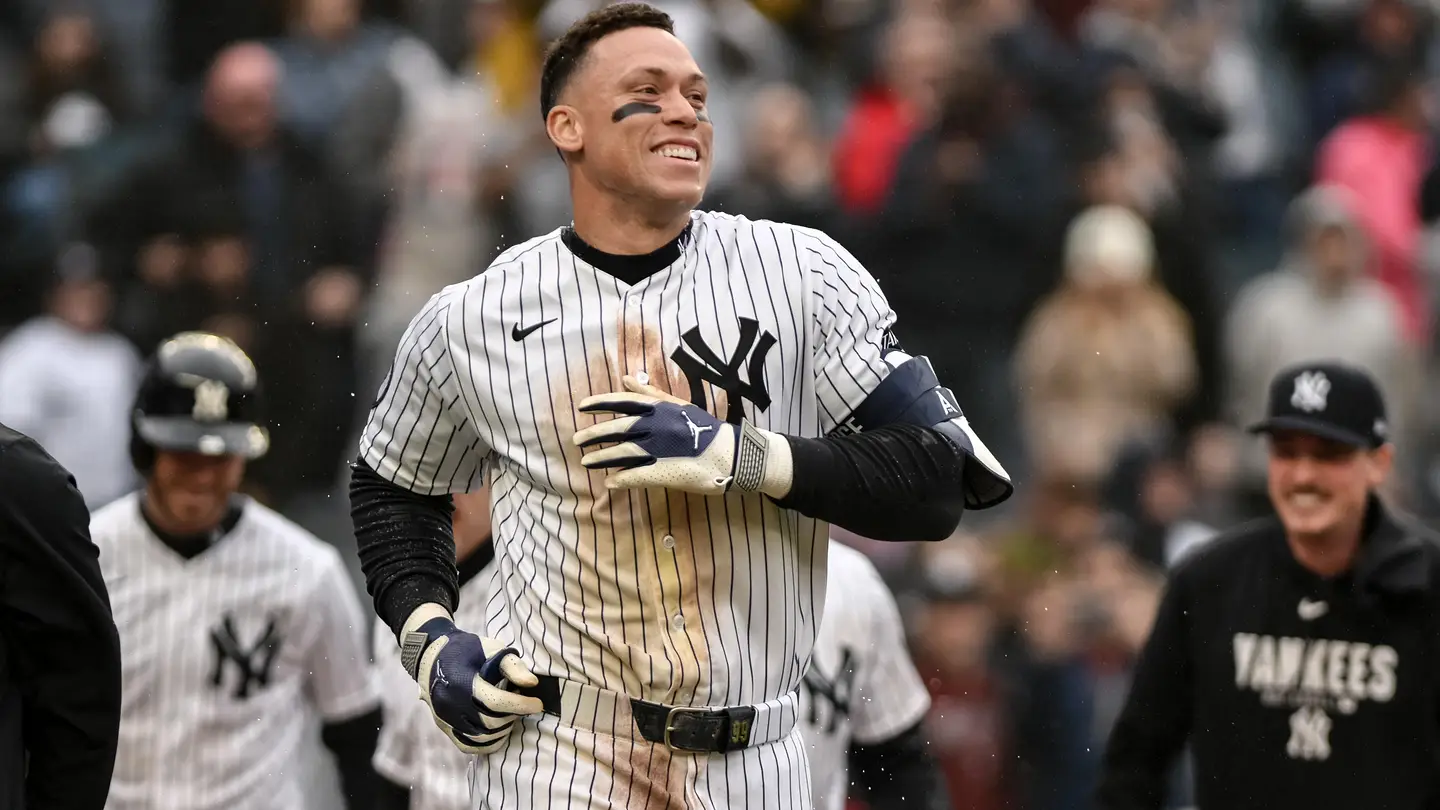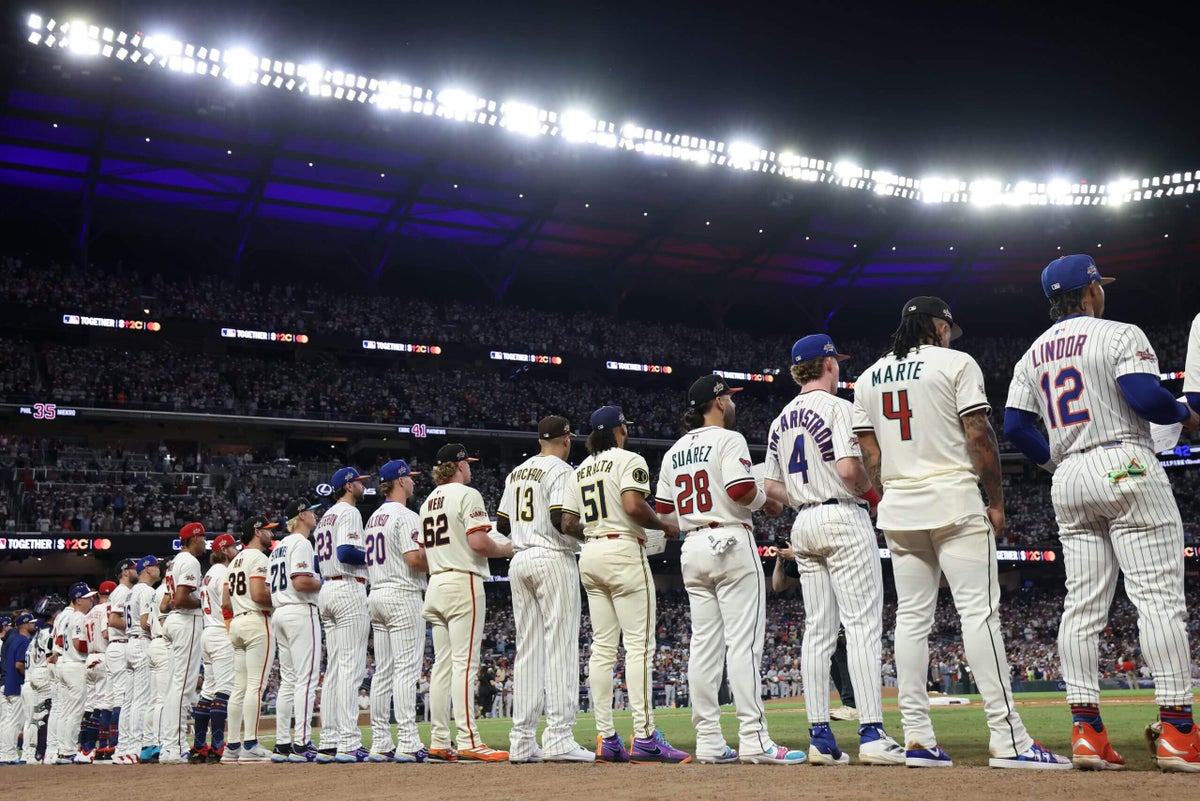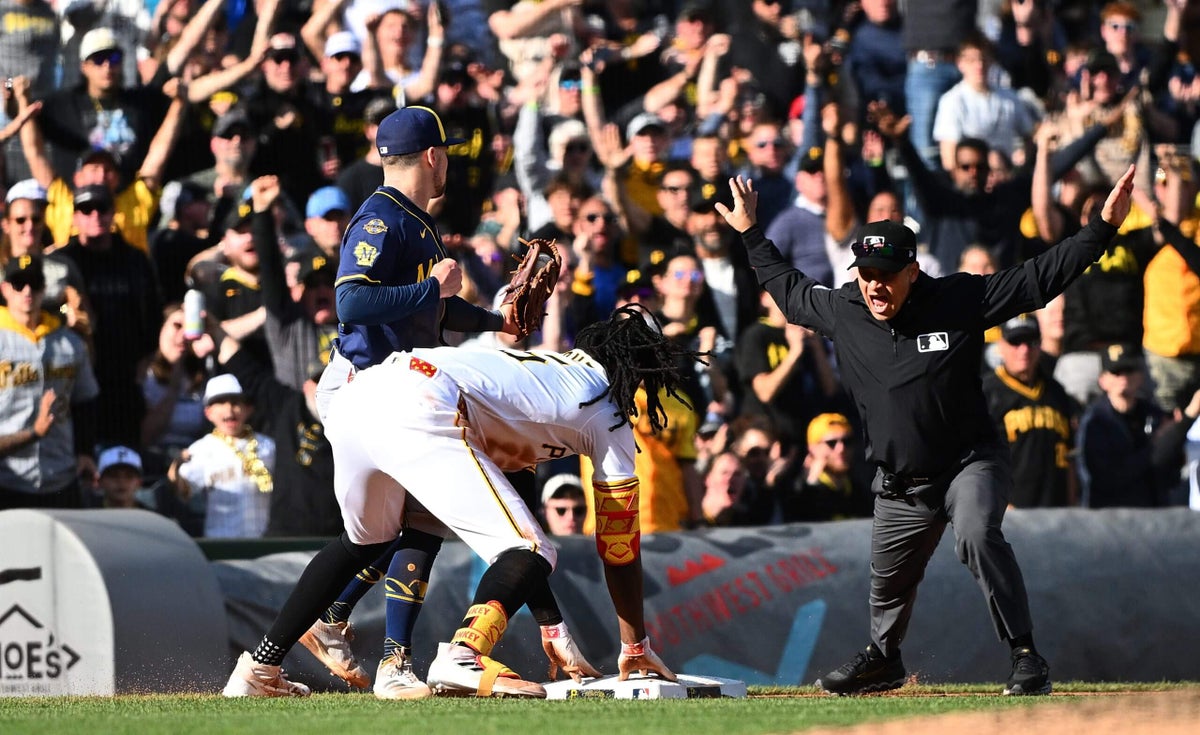
The other day, I delivered my hill-to-die-on baseball take: National League ball was a bad watch, and I was not sorry to see it go. Any dramatic sizzle of seeing managerial strategy play out was destroyed by pitchers swinging lamely at breaking balls and striking out almost half the time. They did not belong there. We get enough awful at-bats from players actually paid to hit.We asked readers to submit their own unpopular opinions — widely accepted baseball truths they swear are wrong. Hoo baby, they delivered. They railed against broadcasters talking about lineup protection, run support or balls “picking up speed” through the infield. They claimed clutch is real. They suggested that bad batted-ball luck is only bad aim.And all of that is just from the outtakes left on the cutting-room floor.Let’s get to the takes! Submissions have been edited for clarity and brevity.Elite batters should make only simple plays in the outfield and risk nothing — being disciplined even if their athleticism would allow them to defend better. Below-average bats may risk any defensive effort to mitigate their drag on a lineup. — Cary H.Cary’s argument — that not all players should give full effort in the field — is precisely the sort of premium-grade, scorched-earth take I hoped would plop into the mailbag. Make this remark a little too loudly to a friend at a bar and you’re liable to get kicked out for raising a ruckus.Yet, I see the logic.In 2023, reigning AL MVP Aaron Judge tore a ligament in his right big toe crashing into the right-field fence at Dodger Stadium. Judge made the catch but missed eight weeks. As Cary wrote, “A good bat lost for several games or weeks due to injury is more harmful to a team’s ability to win than allowing a hit or run within a game.” In the case of the 2023 New York Yankees, that was all too true; they missed the playoffs for the first time in seven years.Now, certain players do receive instruction from their clubs to not act recklessly in the field. Coaches aren’t asking their best players to lay out for every line drive or attack balls at the wall like Pete Crow-Armstrong might. Some of this is injury-risk mitigation, and some is simply settling for a single on a ball in front of an outfielder rather than risking whiffing on a dive.But widespread acceptance of Cary’s viewpoint would do more harm to the game than good. If fans want more action and athleticism, as MLB’s polling suggests, then I can’t imagine they’d be on board with Corbin Carroll loafing in right field because he’s too good of a hitter to exert extra effort chasing down a ball in the corner. And at a time when teams are so focused on run prevention, if Bobby Witt Jr. could only make simple plays, shortstop wouldn’t be the place for him — or any elite hitter. You’re onto something spicy here, Cary. I’m just not sure it scales.I disagree that all that matters in hitting are the true outcomes: home run, walk, strikeout. Every team in MLB is pursuing the same strategy which means that mathematically, half are pursuing a strategy that leaves them below .500. Yet they don’t change. When everybody zigs, you zag. There is an arbitrage opportunity. — Brian S.I don’t think you’ll find many people making an exact counterargument — that home runs, walks and strikeouts are all that matter — but I’ll focus on your broader point: Many teams now undervalue contact hitters, instead pursuing power, often at the expense of higher strikeout rates. That’s absolutely true.Teams don’t shy away from swing-and-miss tendencies the way they once did. Because they pay for hitters who do damage (read: drive run production with extra-base hits and homers, not singles) that’s what players train to provide. We need look no further than Luis Arráez, who, despite a .317 batting average and .363 on-base percentage across his eight-year MLB career, was not a coveted free agent this past offseason.There are teams zagging, though. You’d enjoy the Milwaukee Brewers, who last year had the best record in the majors while leading the NL in singles and steals. The Tampa Bay Rays might be your type, too; they do everything but strike out and homer. It should come as no surprise that these are smart, savvy small-market clubs known for winning under financial constraints. The San Francisco Giants, Toronto Blue Jays, Rays and Arizona Diamondbacks have the lowest three-true-outcomes percentage (TTO%) this season. Yes, that’s a searchable stat now!“Tie goes to the runner.” I’ve never seen that in the rule book and don’t know its origin, and yet I hear it still. — David P.I texted retired umpire Dale Scott about this, and while he called that phrase “a longtime urban myth” he also explained that it’s probably accurate — just not how an umpire would word it.From the first day of umpire school, Scott explained, umps are taught that, on a force play, if a ball beats the runner, the runner is out. If the runner beats the ball, the runner is safe. If the ball and runner arrive at the same time, the ball did not beat the runner — so, the runner is safe. You and I would describe that scenario as a “tie.” But that word isn’t in an umpire’s vocabulary.
Which baseball truths are dead wrong? Our mailbag examines your hill-to-die-on takes
Should we cancel the All-Star Game? Does the tie actually go to the runner? Is the ghost runner good... or the worst? Bring those hot takes!
2,345 words~11 min read