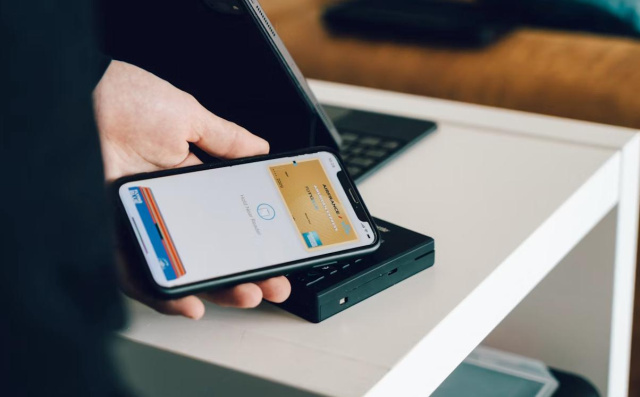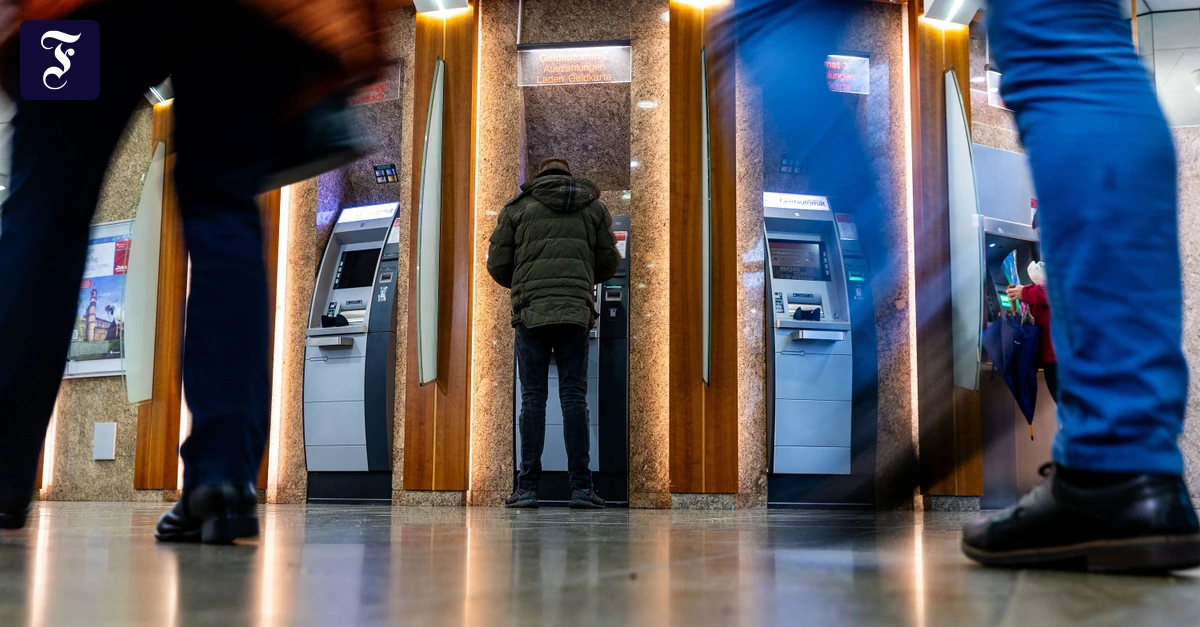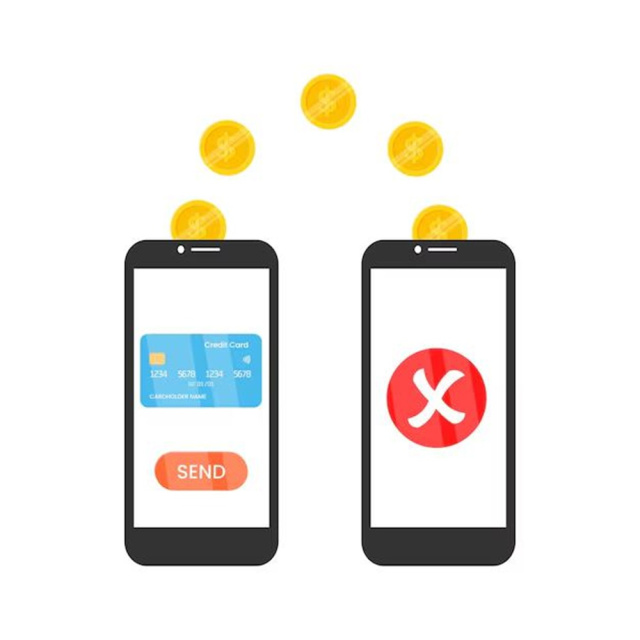
Something odd has been happening at the checkout page these past eighteen months: shoppers who once tolerated the small ritual of copying an IBAN, opening a banking app and confirming with a code now bail the moment that sequence appears on screen. Cart abandonment data from major payment processors points the same way across categories, and the traditional bank transfer is being quietly cancelled by the very generation that grew up online.
The reasons are layered, none of them dramatic on its own. Younger consumers have lived for years inside interfaces that finish a transaction in two taps, so the gap between that experience and a multi-step credit transfer feels intolerable rather than merely inconvenient.
People in their twenties and early thirties do not picture a bank as a place; they picture it as an app, and when that app demands more attention than a messaging service, friction registers as a kind of betrayal.
The friction nobody talks about
Ask anyone who has tried to settle a split dinner bill via traditional transfer what actually went wrong, and the answer is rarely the money: it is the typing. Account numbers nobody remembers, reference codes thrown out for a missing space, two-factor flows arriving ninety seconds late and a confirmation screen that does not bother to tell you whether the recipient was correctly identified, all of it adding up to something that resembles filling out a tax form to repay twelve dollars for some drinks.