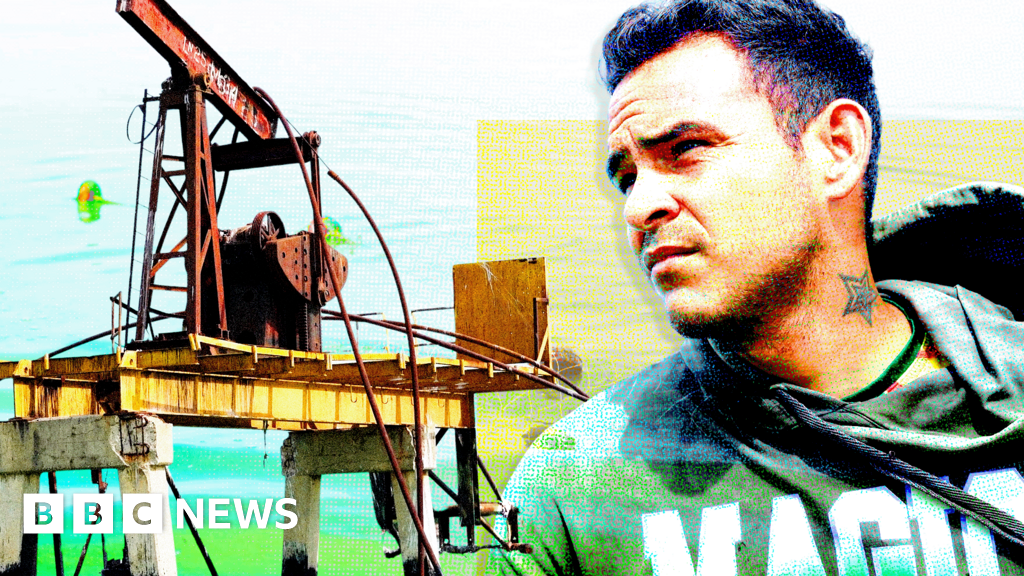
There is a joke Mónica Godoy Molero likes to make with her family: if you swim in Venezuela’s Lake Maracaibo after an oil spill, you’ll sprout a third eye.
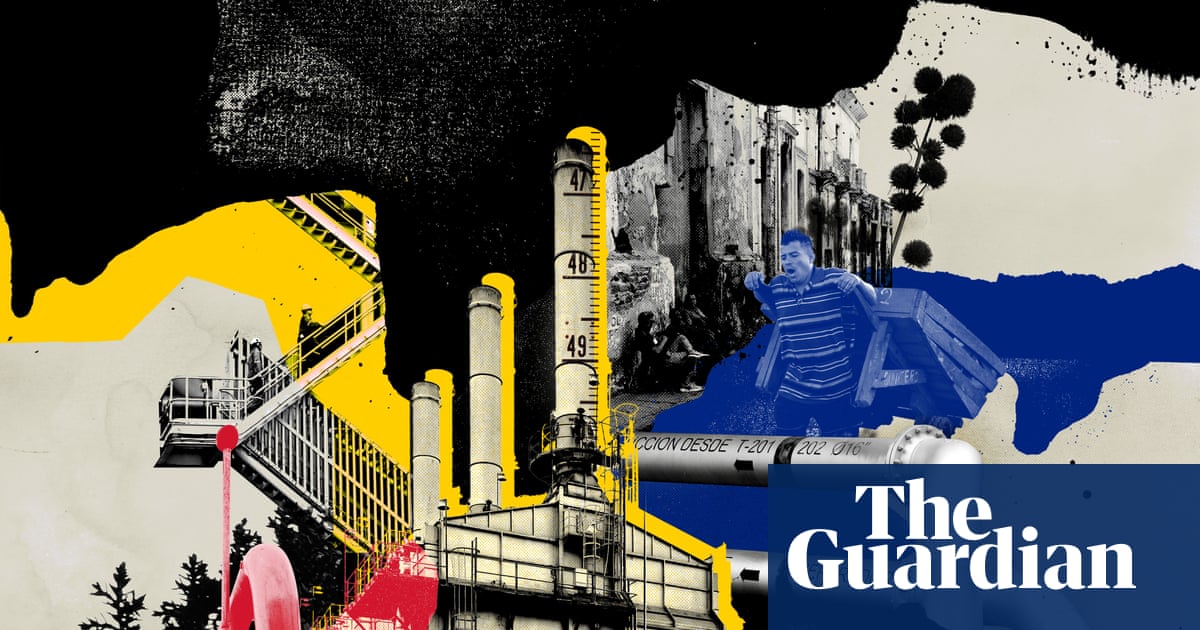
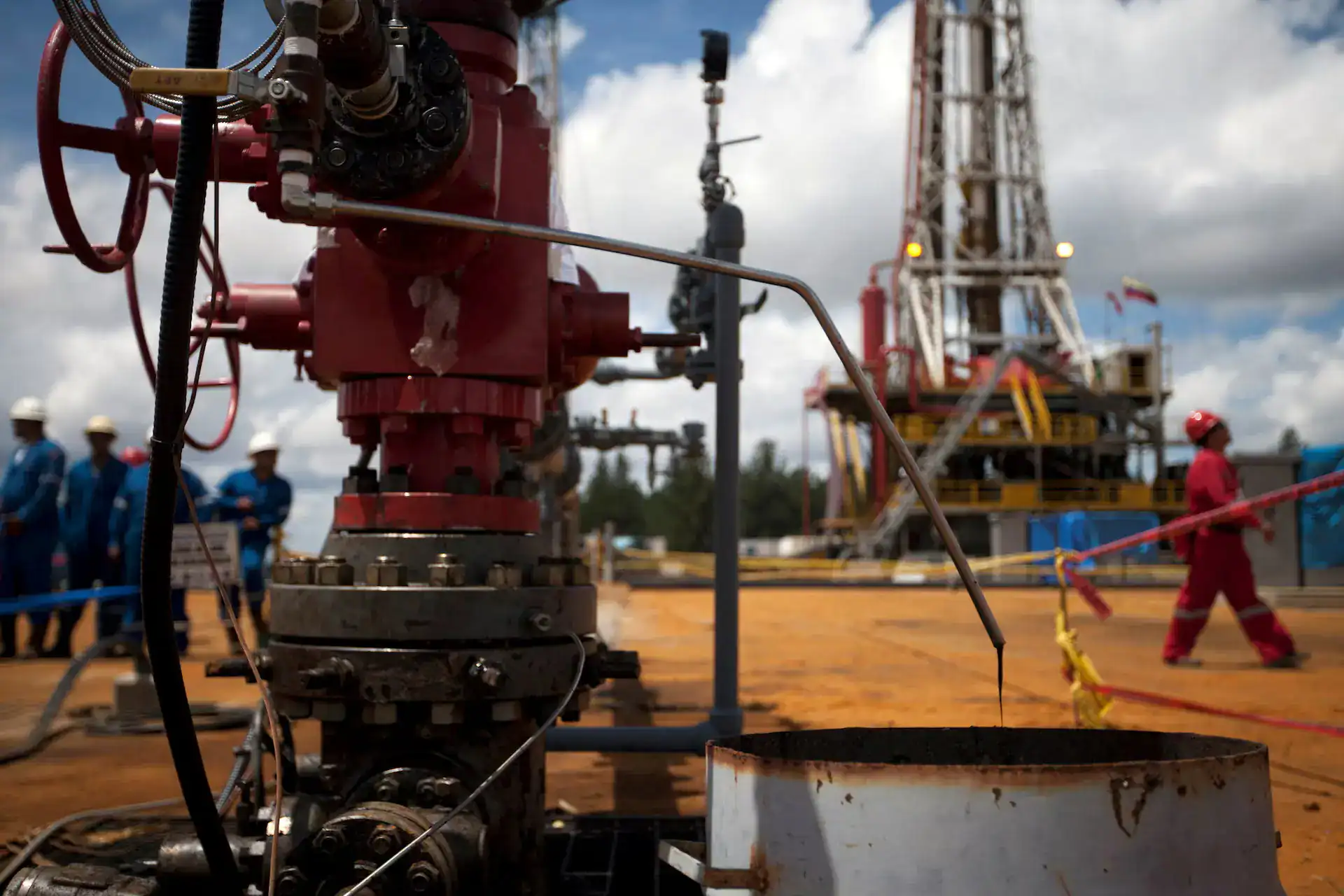
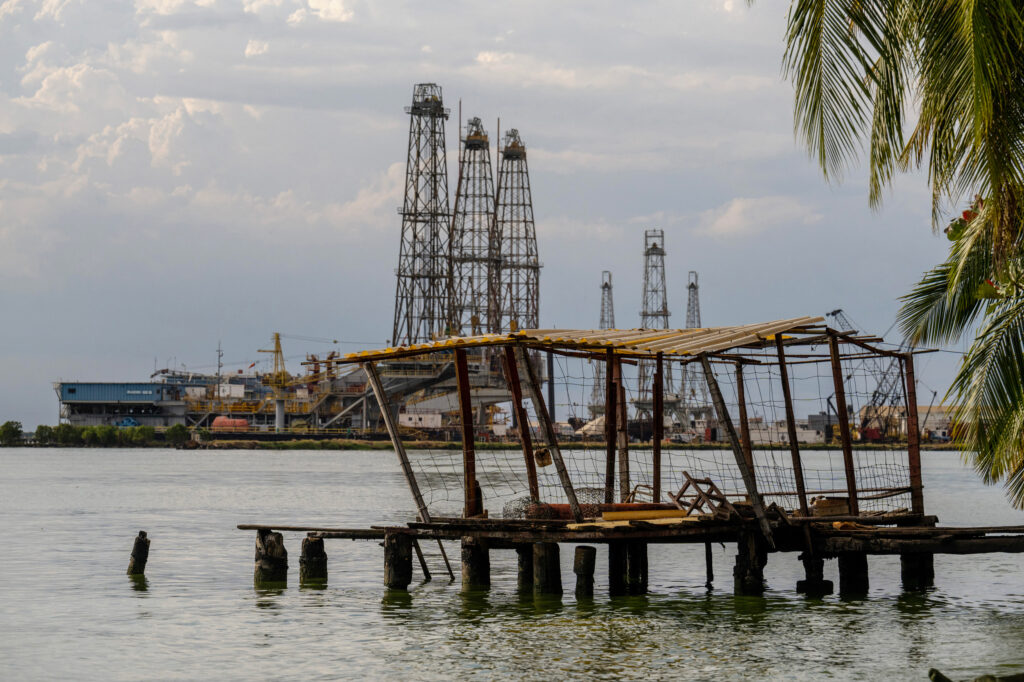
It helps to have a twisted sense of humor when you live in a place exploited by oil companies for more than a century and is likely at the center of any effort to rebuild the country’s vast but crumbling oil infrastructure.
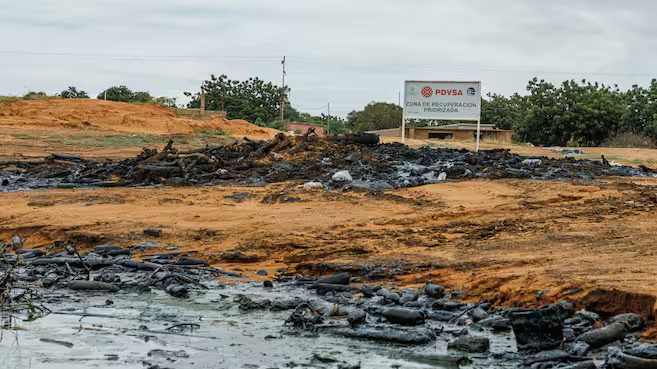
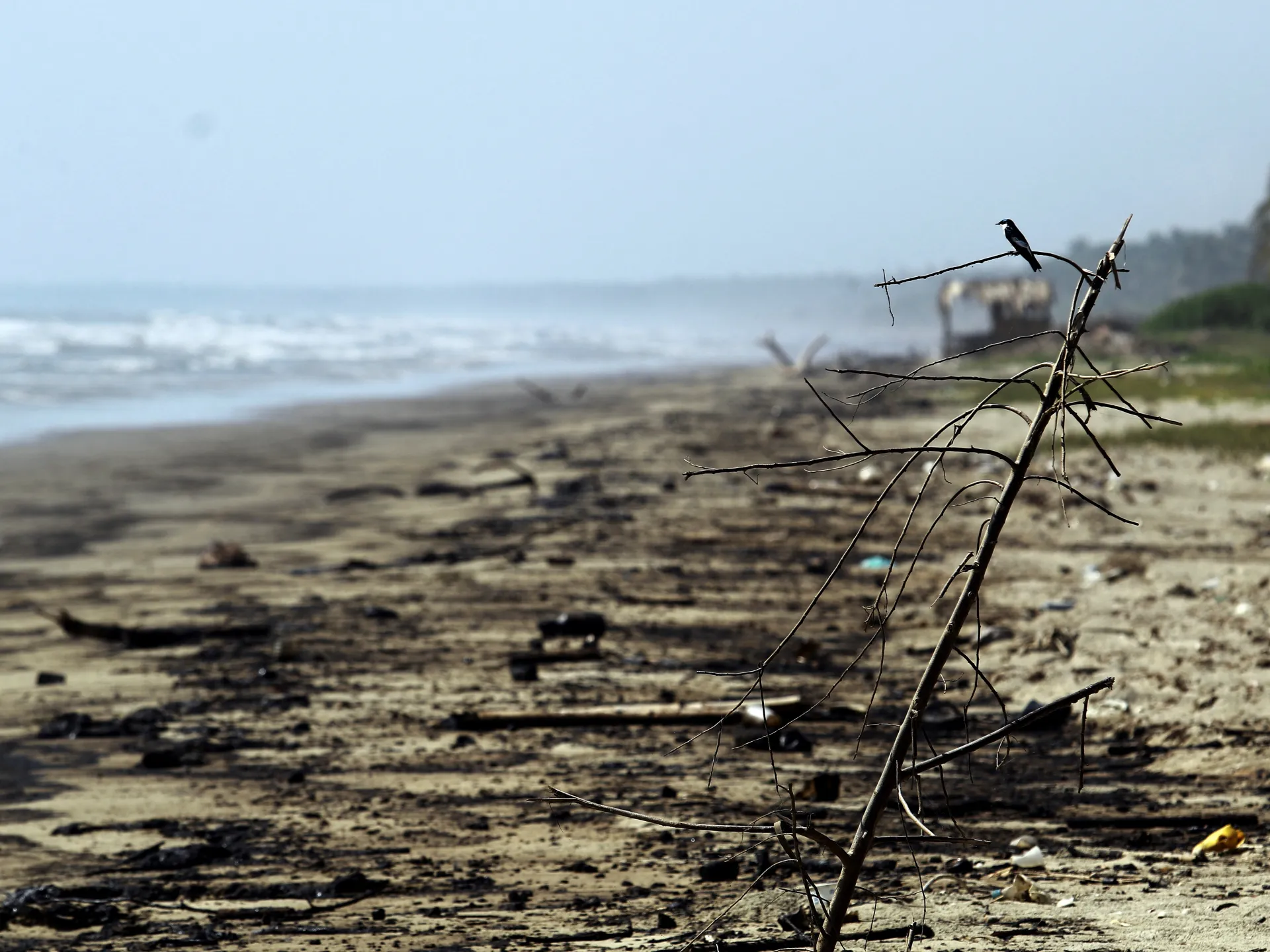
“All of the beaches … are very contaminated, and unfortunately, these beaches are mostly crowded by the poor population,” Molero said.
Gustavo Carrasquel Parra can tell you stories, too. An activist and ecotourism guide who lived near Lake Maracaibo’s oil rigs for 27 years, Parra said it’s not a matter of if, but when, another oil spill will happen. He saw his business struggle after a spill two years ago—one of many he’s experienced firsthand.
“My clients’ feet became coated in oil and tar,” he said, “and this created a very poor impression and dealt a significant blow to local tourism. As a Venezuelan, I have witnessed firsthand the consequences of oil-related impacts, particularly in terms of environmental contamination.”