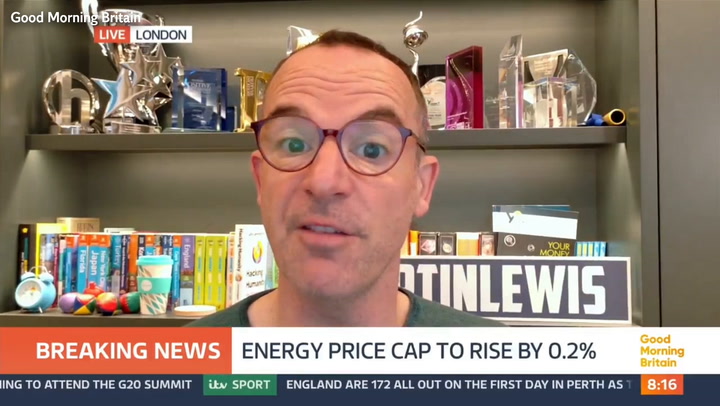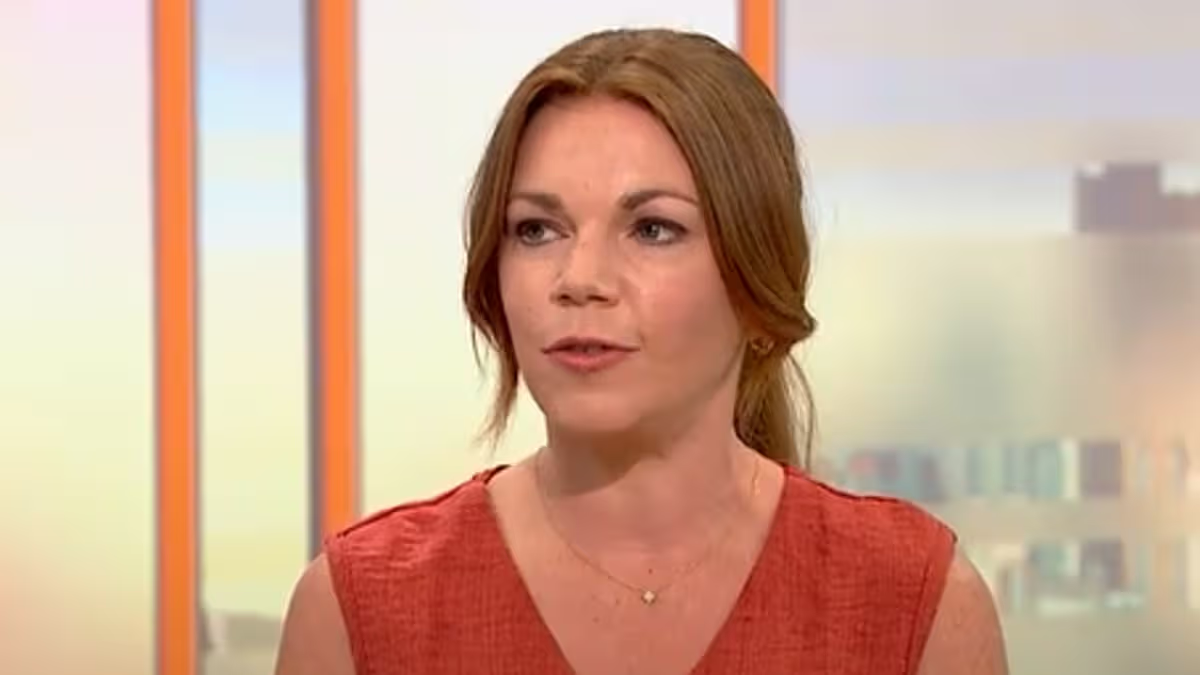
A key message from BBC Breakfast finance expert after price cap rise was 60 per cent can take action - and it's 'super easy'09:31, 27 May 2026Updated 09:53, 27 May 2026A BBC expert has told anyone who is a customer of companies like Octopus Energy, British Gas, E.ON Next, OVO, EDF , ScottishPower, and Utilita as a major price rise was announced today. A key message from BBC Breakfast expert Holly Mead was ‘you can do something now’.This morning it was announced that Ofgem’s price cap is to rise by 13% from July 1 driven by the ongoing conflict in the Middle East. The jump will equate to a rise of £18 a month for the average household using both electricity and gas, with households seeing an increase of 24% on their gas bills and 5% on their electricity bills.The typical household is now facing an annual energy cost of £1,862, up £221 on current levels, with early forecasts that this will rise further still in October. Appearing on BBC Breakfast today Ms Mead said people need to consider moving from ‘price cap’ accounts: “I think it’s really important to remember what the price cap is and is the average amount that a household on the standard variable tariff with their provider will pay. So you have it in your power to not be in that tariff.“So 65% of households roughly are on the standard tariff. There are fixes that are a smidge below today’s price cap available. So today’s price cap is around £1,600. You can fix for 12 months or slightly longer 13 15 months at just below that rate and the point being do that before July before this particular 13% increase kicks in. So this breaking news today is like it doesn’t happen today, it happens in July. So you’ve got a bit of time on your side now to try and gain a little bit of control over your budget.”She also warned people need to strike fast as the fixed deals could change very soon. Ms Mead said:” What you might do is see in the coming days and weeks that those cheaper deals will disappear as energy providers pre prepare for the higher rates. But you might see that you’ll get a tariff that’s around the forthcoming price cap and it’s still worth locking in if you believe energy prices are going to go up.”Content cannot be displayed without consentAsked if it was a difficult process, Ms Mead said:” No, it is super easy. And it’s one of those things like squishing your bank, where you make the decision and tell the new provider, and they do all the work, and all you have to do is take a meter reading on the day. So, you’re getting charged the right amount.“I think with any energy switch, the one thing I would always say to watch out for is exit fees. So if you want to leave your deal early, you’ll be charged for each fuel for gas and electricity. So, for example, you’re saying that the Iran war eventually ends. Trump is right after all that it was over, the trade of Hormuz opens and says by September, October the prices begin to come back down, but you’re already on a fixed. You’ve got to figure out whether you’re prepared to take that potential hit in the opposite direction when everybody else’s bills might just potentially be going down a little bit.”Energy Secretary Ed Miliband said today: “The rise in the price cap because of a war we did not choose is deeply unwelcome news for households across the country. We know people were under pressure before this crisis, and that’s why easing that burden is our number one priority.“We will continue to monitor the situation ahead of the winter and plan for all contingencies. In the immediate term, it is essential to de-escalate this conflict to bring oil and gas prices down, and as Britain faces the second fossil fuel crisis of this decade, we must learn the right lessons.READ MORE: Use our energy price cap calculator to see how much your bill will rise by this JulyREAD MORE: UK households told to only half-fill paddling pools this week“The way to get bills down for good and avoid these price spikes is to go further and faster with this government’s drive for clean, homegrown power we control. We are upgrading as many homes as possible ahead of winter with the biggest investment in warm homes in British history.”The price cap refers to the default tariff applied when a customer has not signed for a fixed-rate deal. It sets a maximum price per unit of gas and electricity, meaning households only pay for the amount of energy they use.Article continues belowCurrently, 40% of accounts – or 22 million – are fixed tariffs, according to Ofgem figures, and are therefore unaffected by this price rise. Ms Mead said that people can also utilise times when tariffs are lower, depending on their accounts.She said: “Particularly if you work shifts or if you have electric cars at home, look at one of those time of use tariffs. And this is where your energy will be a lot cheaper between midnight and usually am, sometimes 7am. If that’s when the bulk of your energy consumption is, and you can put the washing machine on, then you could save. There are also deals if you’re a very low usage household, where you can pay a higher rate per unit of energy used, but you’ll pay a lower standing charge. And if you’re a very low user or you’re someone who’s not a home much or we’re talking about a second home that’s not occupied all the time, then that can work out a better deal as well. So, there are different tariffs to keep your eyes out for.”
BBC expert tells Octopus, E.ON, OVO, EDF users 'take action today'
A key message from BBC Breakfast finance expert after price cap rise was 60 per cent can take action - and it's 'super easy'
979 words~4 min read