Key Facts
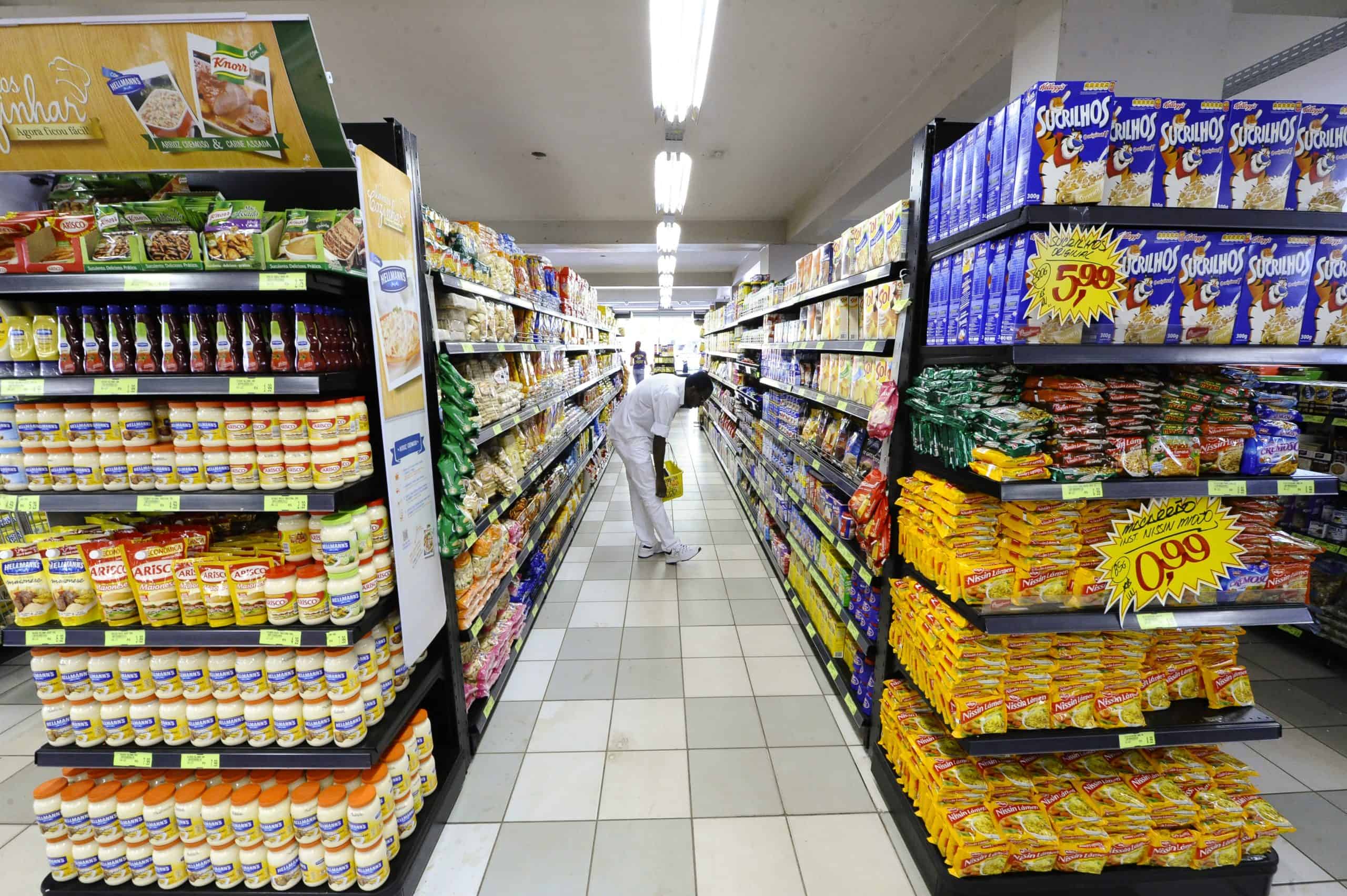
—Supermarket chains — Pão de Açúcar, Carrefour, Extra and Sam’s Club — cover daily and weekly shopping. Atacarejos — Atacadão, Assaí, Tenda — are cash-and-carry warehouses where Brazilian families buy in bulk and prices run 15–30 percent lower than conventional supermarkets.
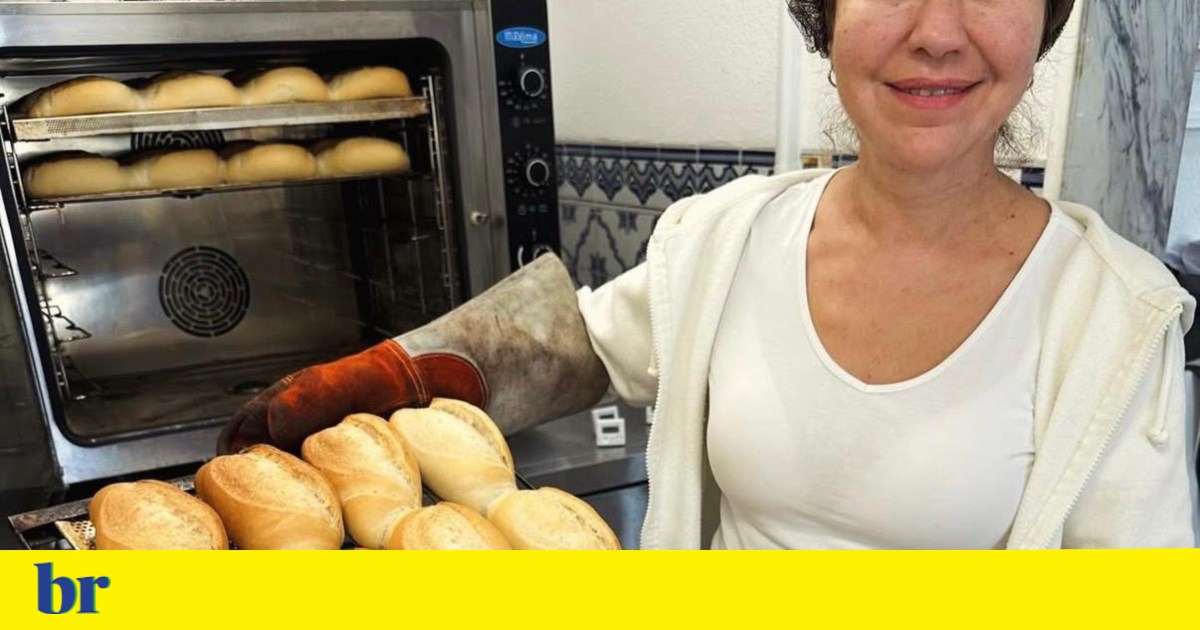
—The padaria is the operating system of the Brazilian neighbourhood. Bread, coffee, lunch (the prato feito), basic groceries, beer, and pay-as-you-go banking transactions all happen at the corner padaria. Expect one on virtually every block in residential areas of São Paulo, Rio, Belo Horizonte and Brasília.
—Feiras — weekly open-air street markets — rotate by neighbourhood, typically one or two days per week. Fresher and cheaper than supermarket produce, and one of the best routes into the social fabric of a bairro. Cash and Pix only; no cards.
—Delivery is dominant. iFood for restaurants, Rappi for groceries and pharmacy, Mercado Livre and Amazon Brasil for general goods, Magazine Luiza (“Magalu”) for electronics and home. Foreign credit cards work for registration on all major platforms.