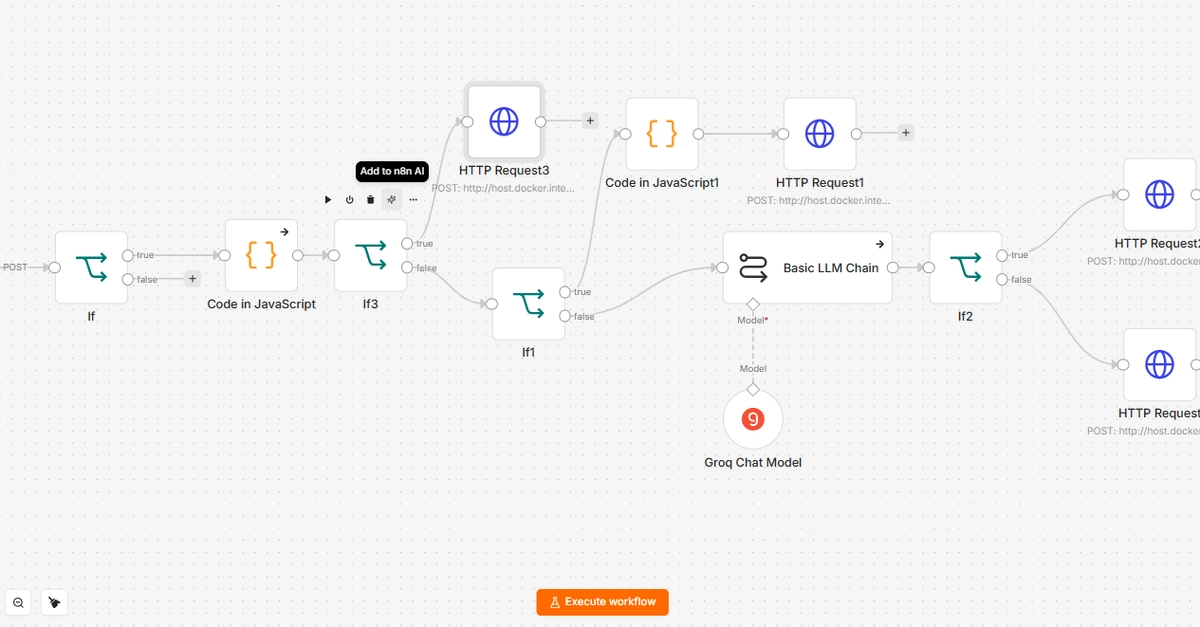
WhatsApp has become the default operating system for daily communication in regions like India. For modern web platforms—particularly in EdTech, local logistics, or localized services—forcing users to log into a complex desktop portal often results in a steep drop-off in user engagement.
When building LoopLearnX (an automated homework evaluation and tutoring tool for CBSE students), we realized that students rarely log in to a web dashboard on a desktop to upload their homework. Instead, they do their homework on physical notebooks, snap a picture, and expect instant grading.
Integrating a custom, self-hosted WhatsApp interface directly into our Next.js application was not just a convenience—it was the single most critical driver of student engagement.
This guide details the technical blueprint of how we built a resilient, memory-aware WhatsApp AI Bot using @whiskeysockets/baileys and Next.js, hosted on an Oracle Cloud VPS. We will cover the exact production failures we encountered, learnings learned, and why custom self-hosting beats off-the-shelf agent frameworks.
The Engagement Multiplier