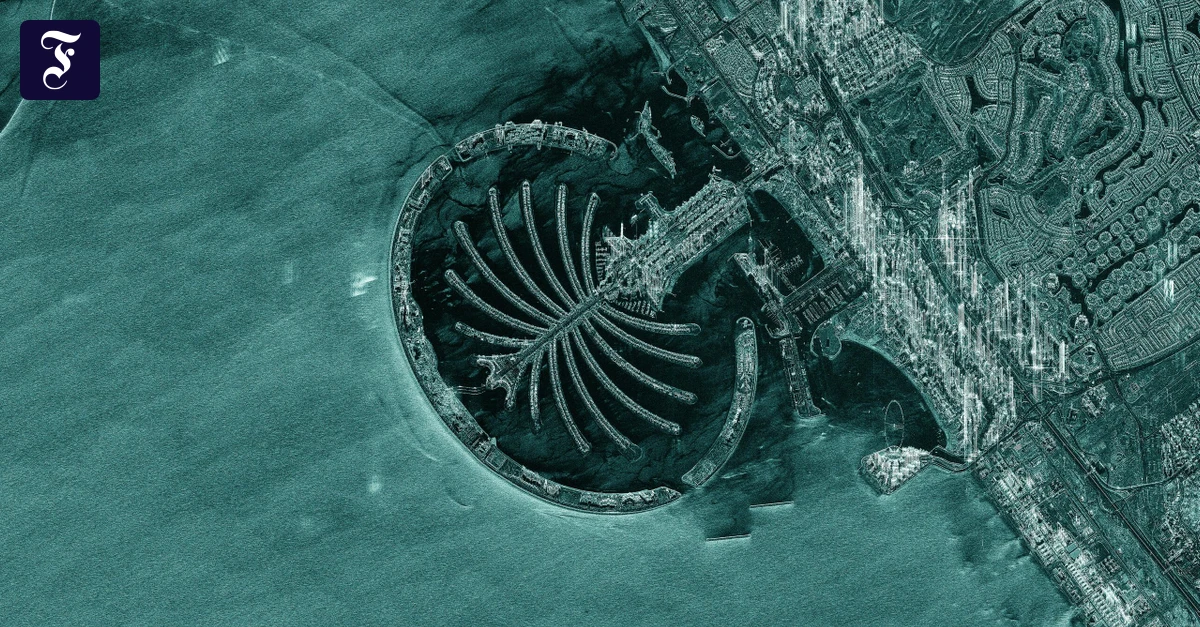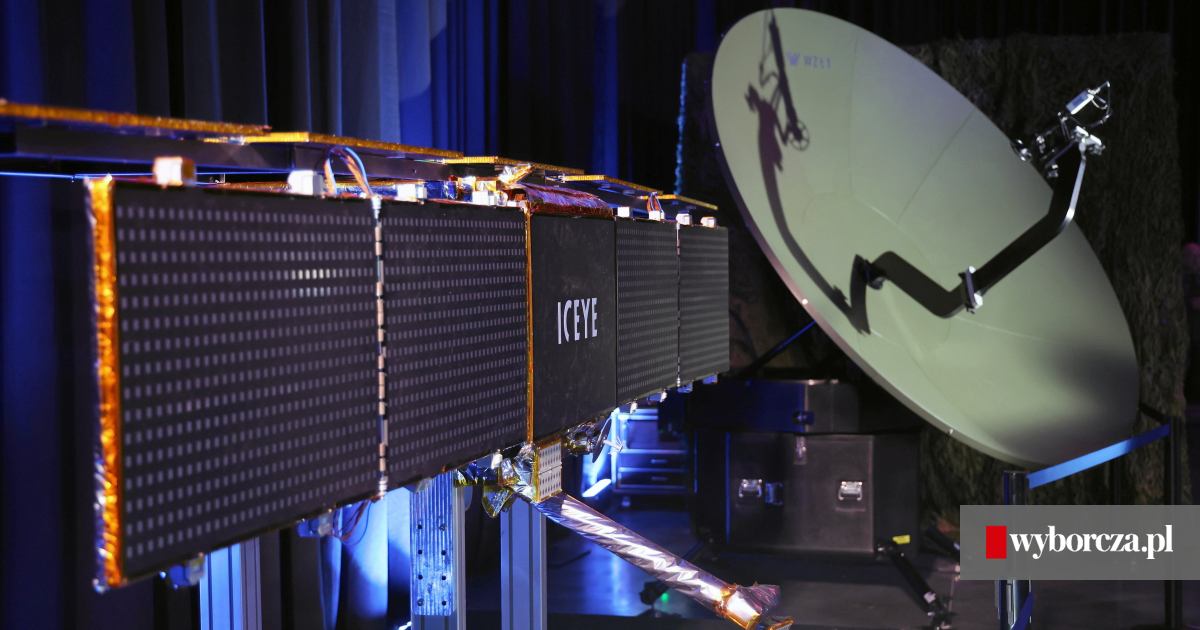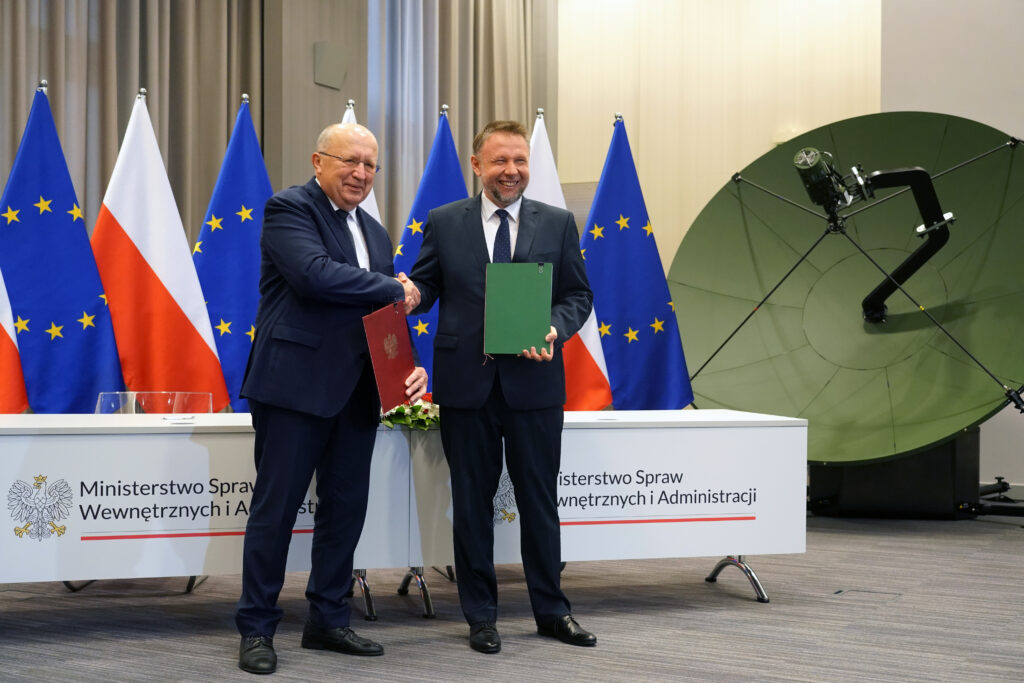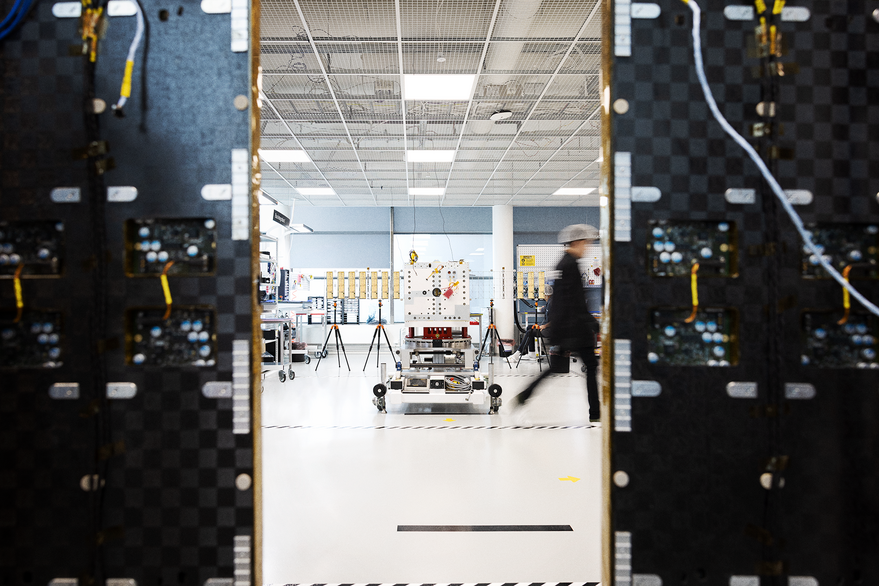
Poland acquired sovereign control over Polsaris, a synthetic aperture radar satellite built by Iceye. Polsaris provides Poland with independent, all-weather, day-and-night imaging to bolsters Poland's, and by extension NATO's, space-based intelligence capabilities, an Iceye spokesperson said. Credit: Iceye
AMSTERDAM – European nations are adopting a mix of sovereign, bilateral, federated and dual-use commercial technologies to enhance military readiness.
“When we talk about sovereignty, independence, safety or security, we need to think about different sources of data,” Col. Marcin Mazur, Polish Space Agency vice president, said May 26 at the SmallSat Europe conference. “It’s important to own, operate and task national systems, but also to have access also to commercial ones, to federated ones and to bilateral or European ones.”
Still, it’s can be difficult to determine which capabilties should be owned and operated nationally and when it’s preferable to pool resources to establish multinational space systems.
“What level of sovereignty do we need versus trusting in our partners and our neighbors?” asked Kees Buijsrogge, TNO Space director. “That’s a difficult puzzle, especially if we look at the European situation at the moment.”