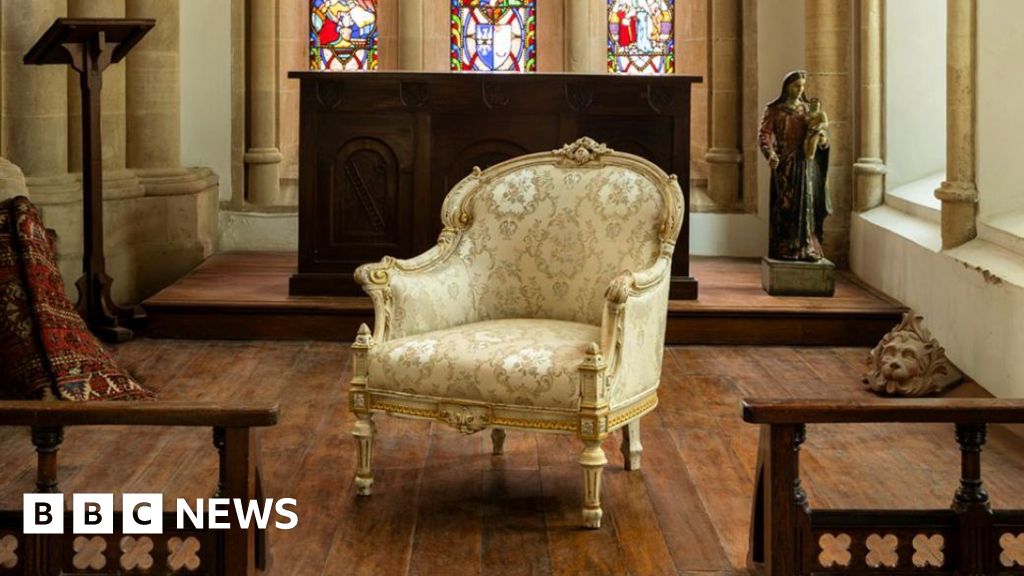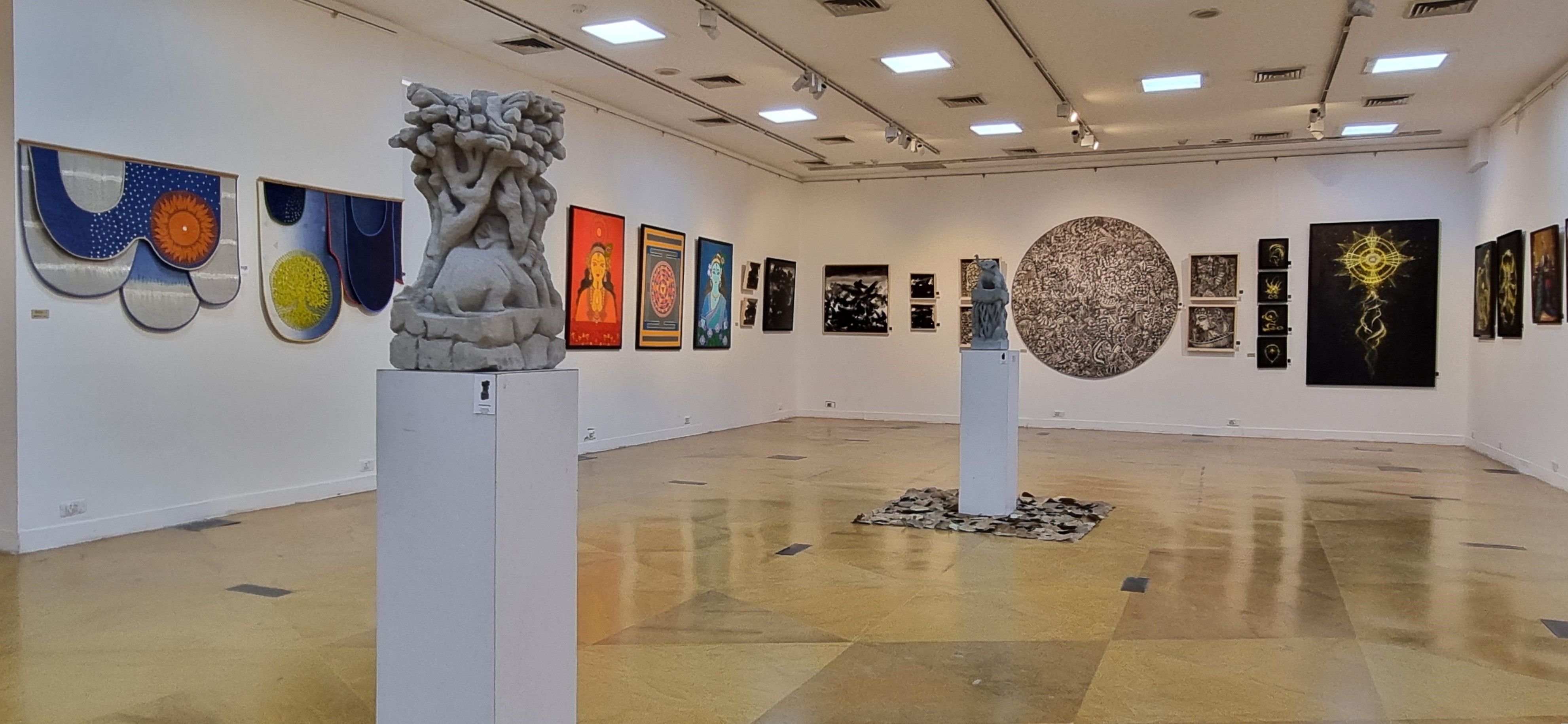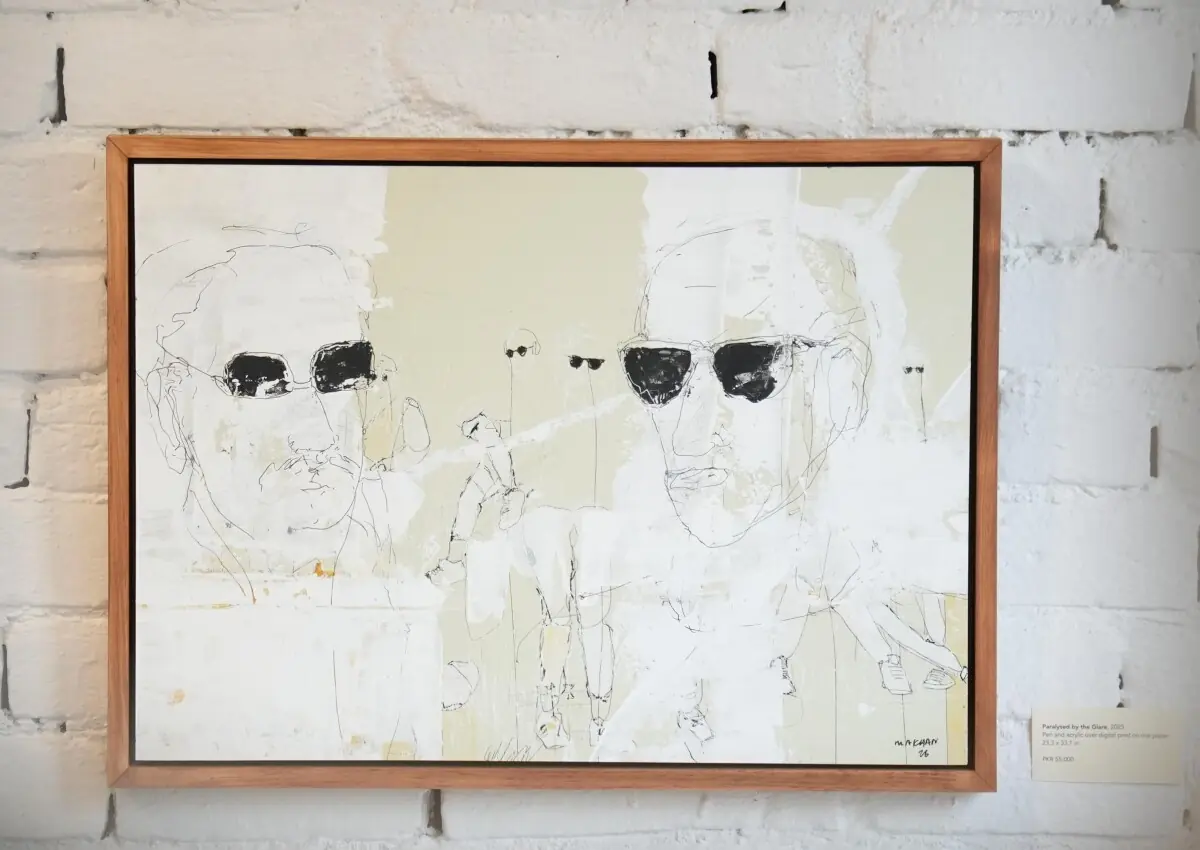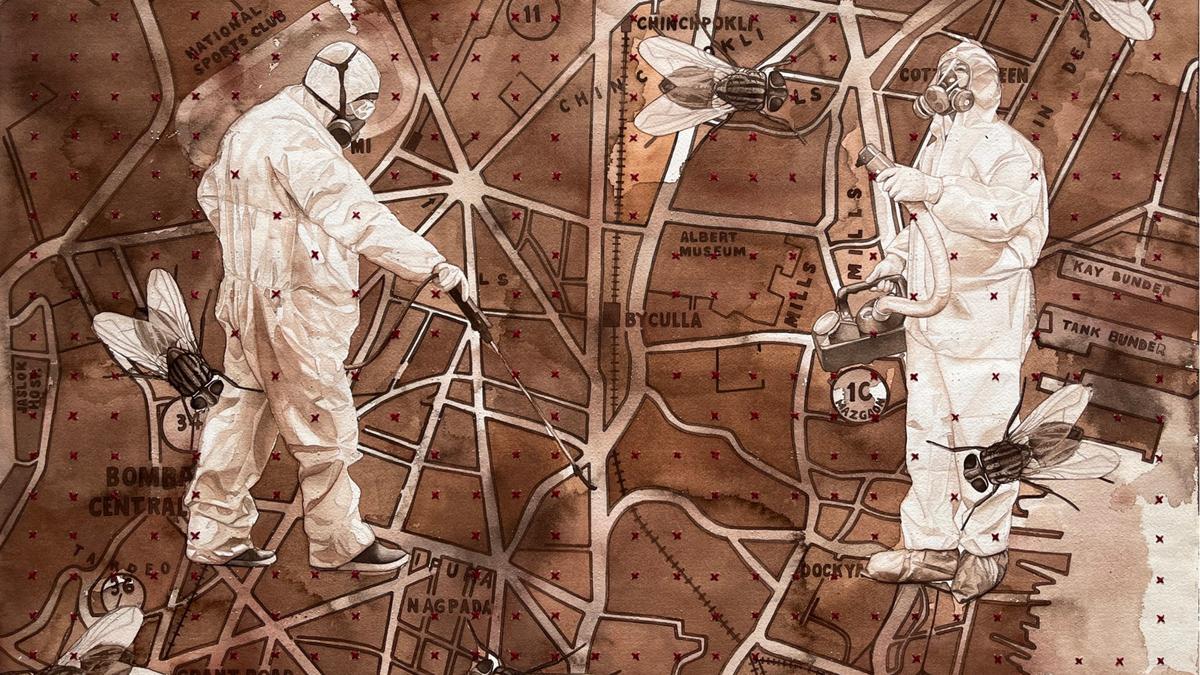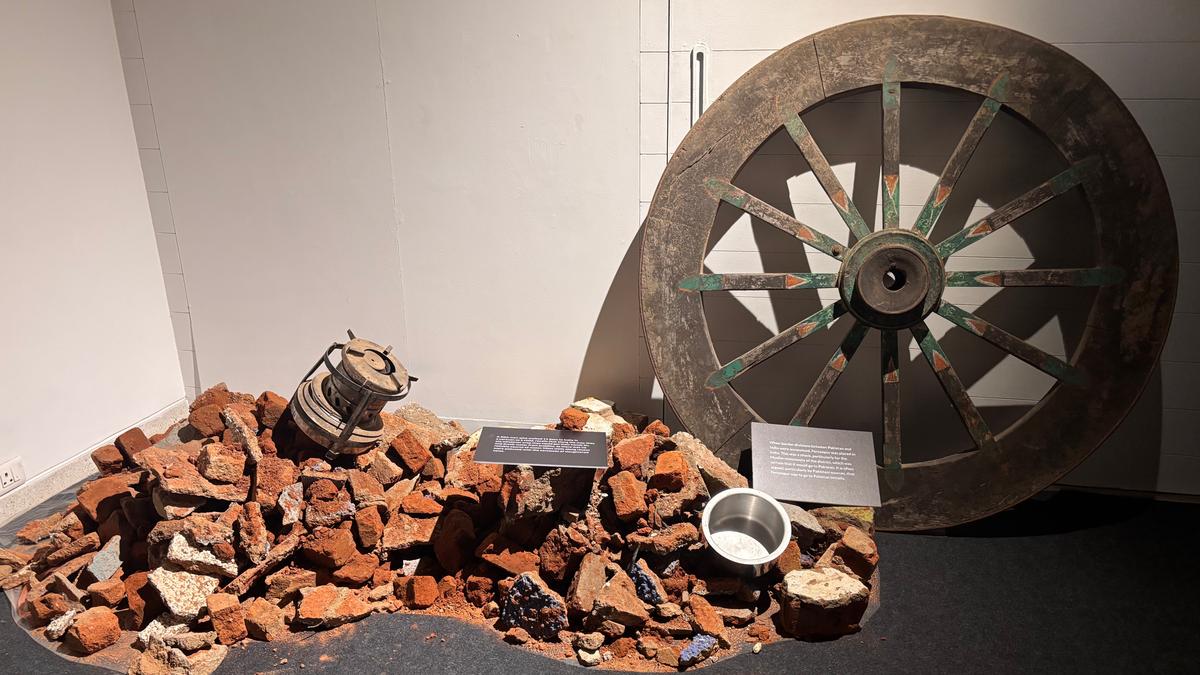
An abandoned chair balances precariously on a pile of rubble in the corner of the gallery of the Bangalore International Centre (BIC) in Domlur, where Un. Divided Identities, an interactive exhibition on the 1947 Partition, is still being set up.I flit between the various open doors scattered across the space, stepping past a myriad collection of objects across the gallery, including the frame of a charpoy, oil lamps, a dented tiffin carrier, choolah and a battered-looking metal trunk, all anachronistic enough to evoke a sense of loss, nostalgia and memory.The curatorial note, already up, explains what all these various objects seek to do collectively: help create a “tactile, layered and visually compelling” encounter that enables visitors to “pause, think and respond” to Partition.Un. Divided Identities, which has been conceptualised and curated by the Bengaluru-based ReReeti Foundation, was conceptualised around five years ago, says Tejshvi Jain, founder-director of ReReeti.Their first major initiative, she says, was an online workshop with university students in India and Pakistan where, “we looked into themes of identity, migration, loss, conflict resolution and things like that.”
This exhibition enables people to live and feel history
Un. Divided Identities, which has been conceptualised and curated by the Bengaluru-based ReReeti Foundation, tells lesser-known stories about Partition
707 words~3 min read