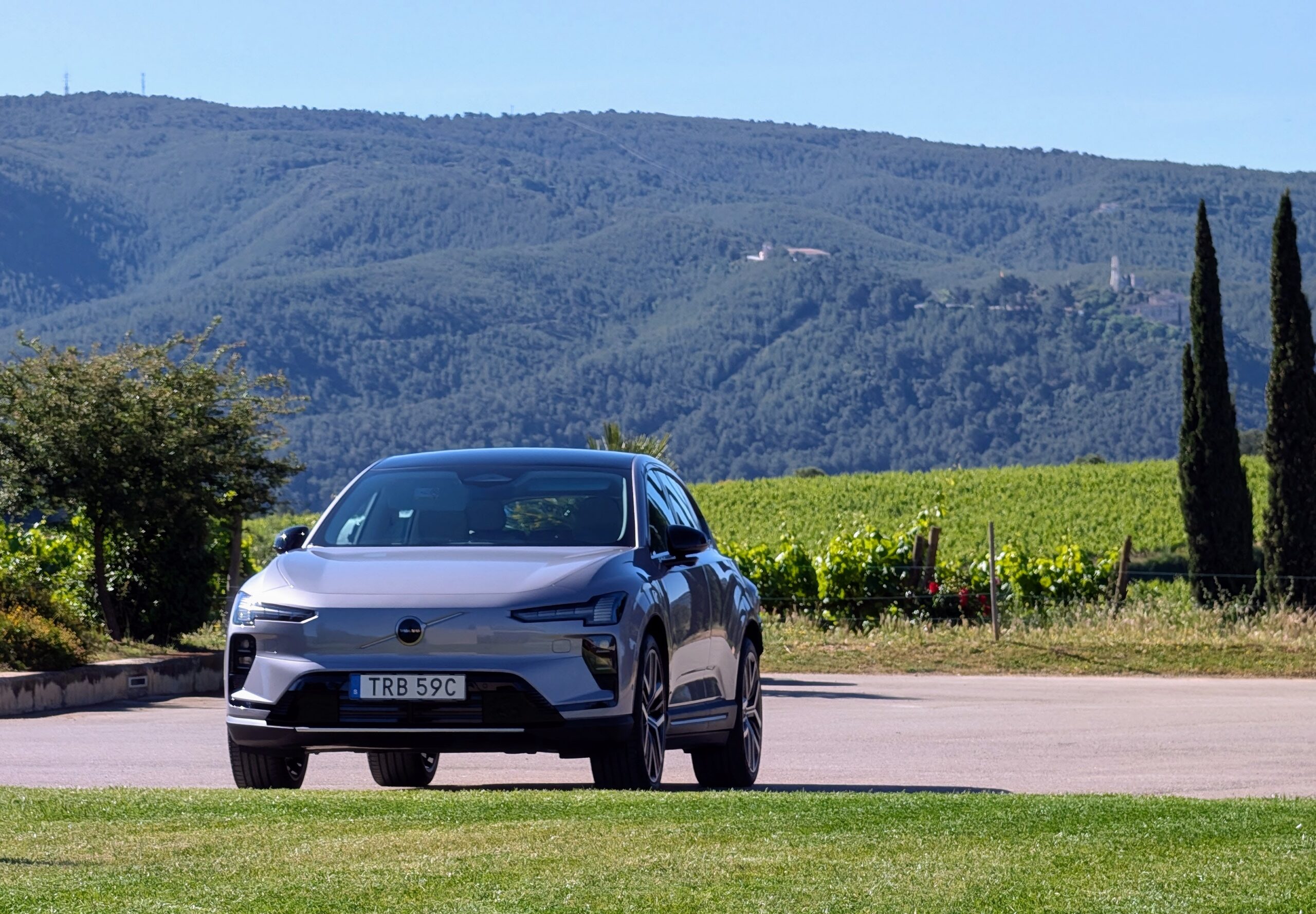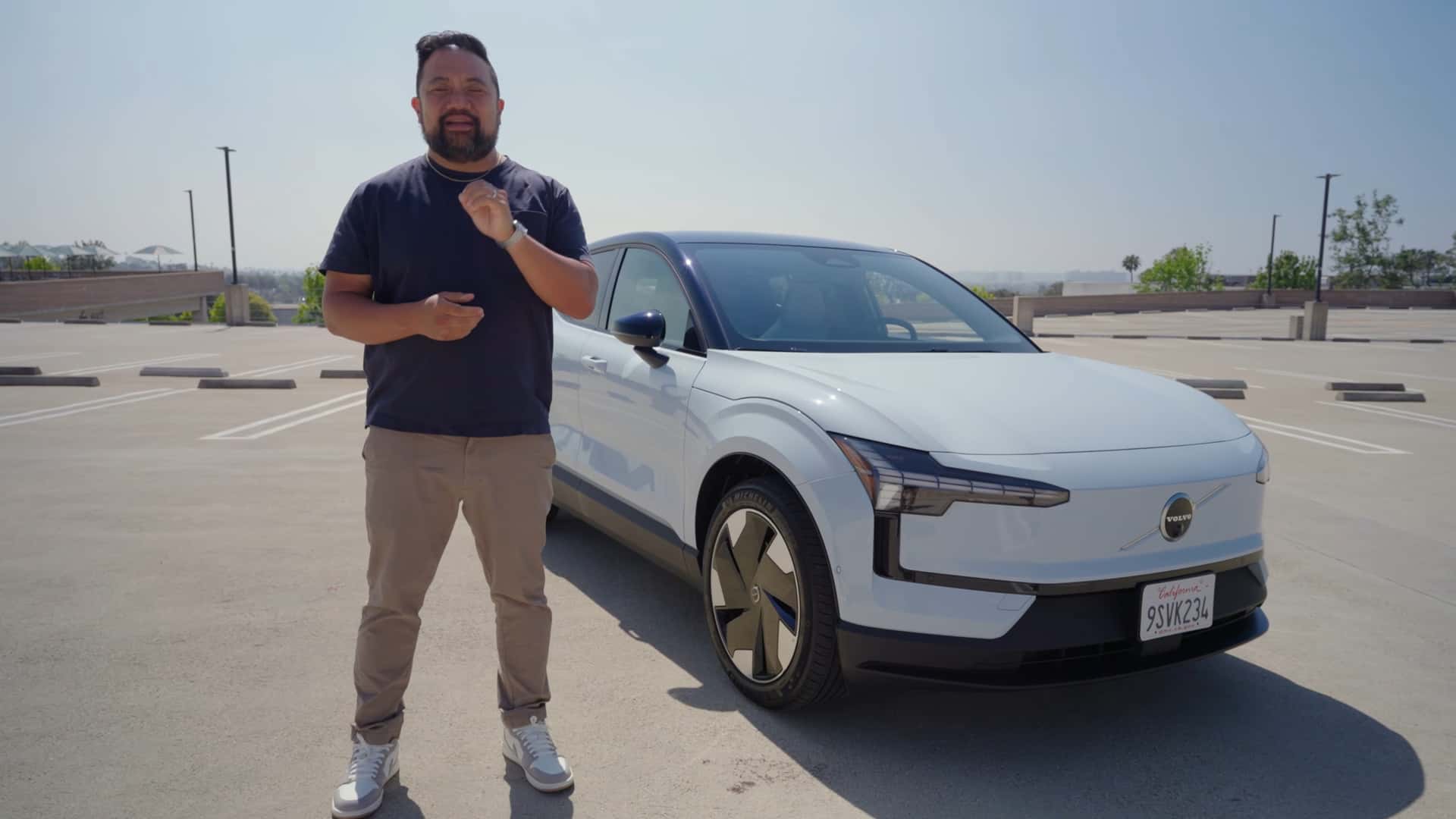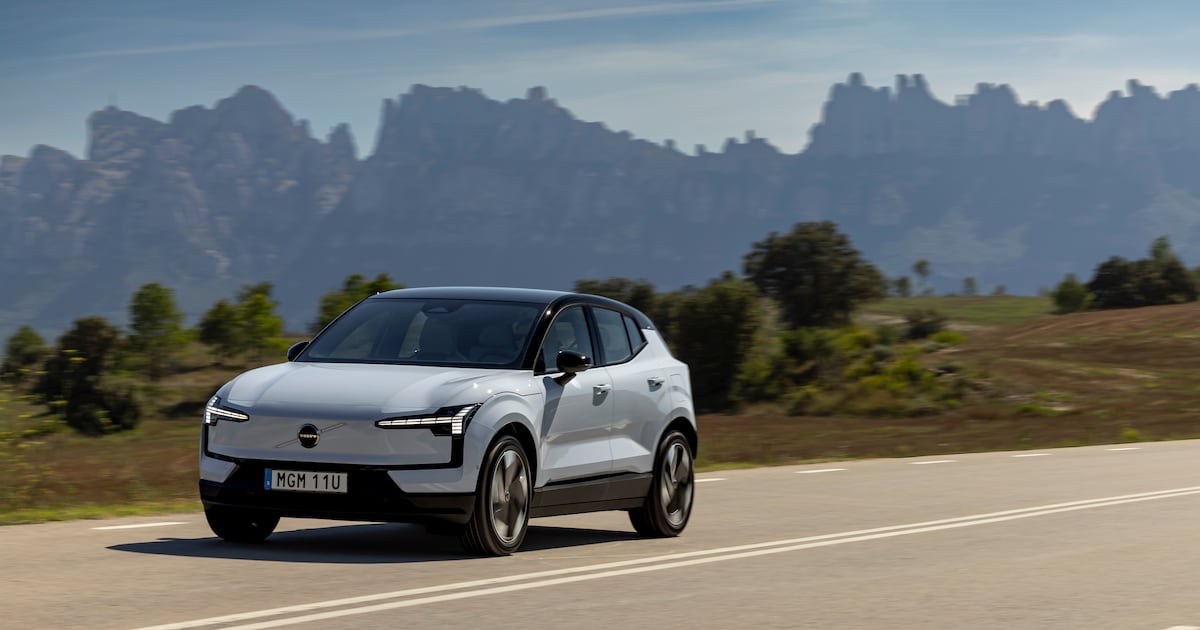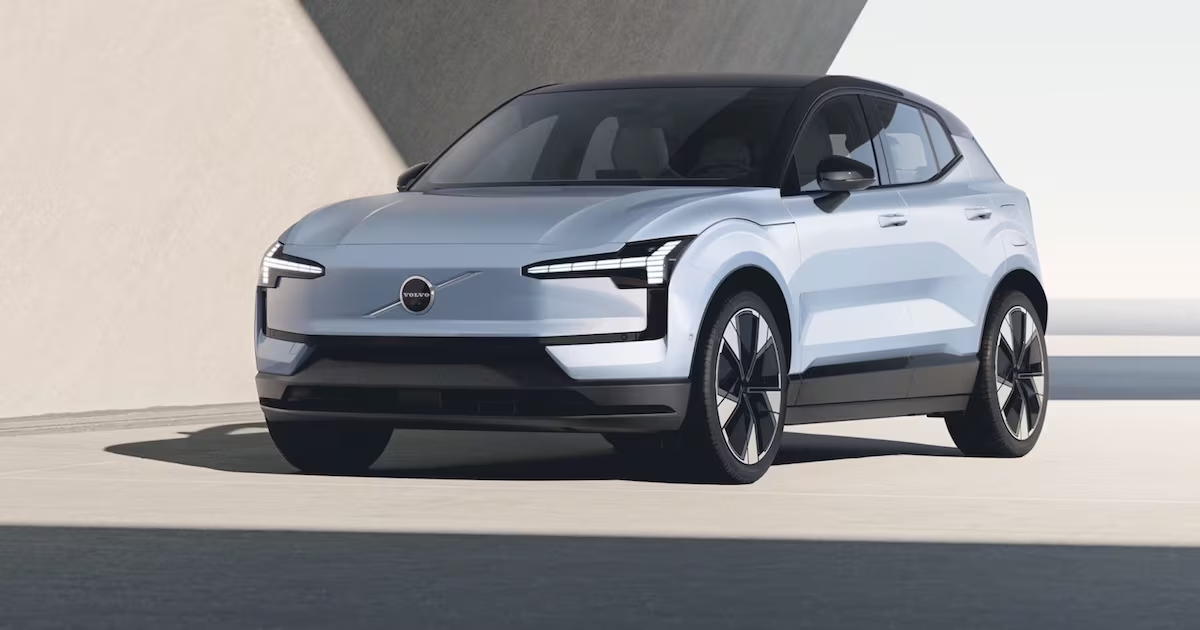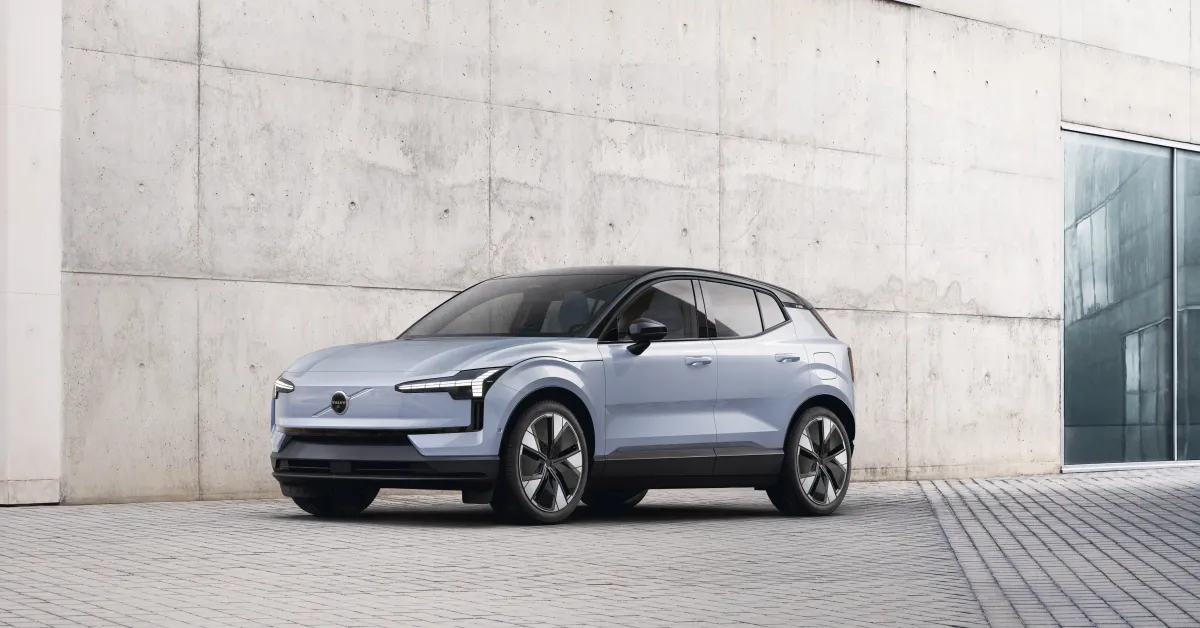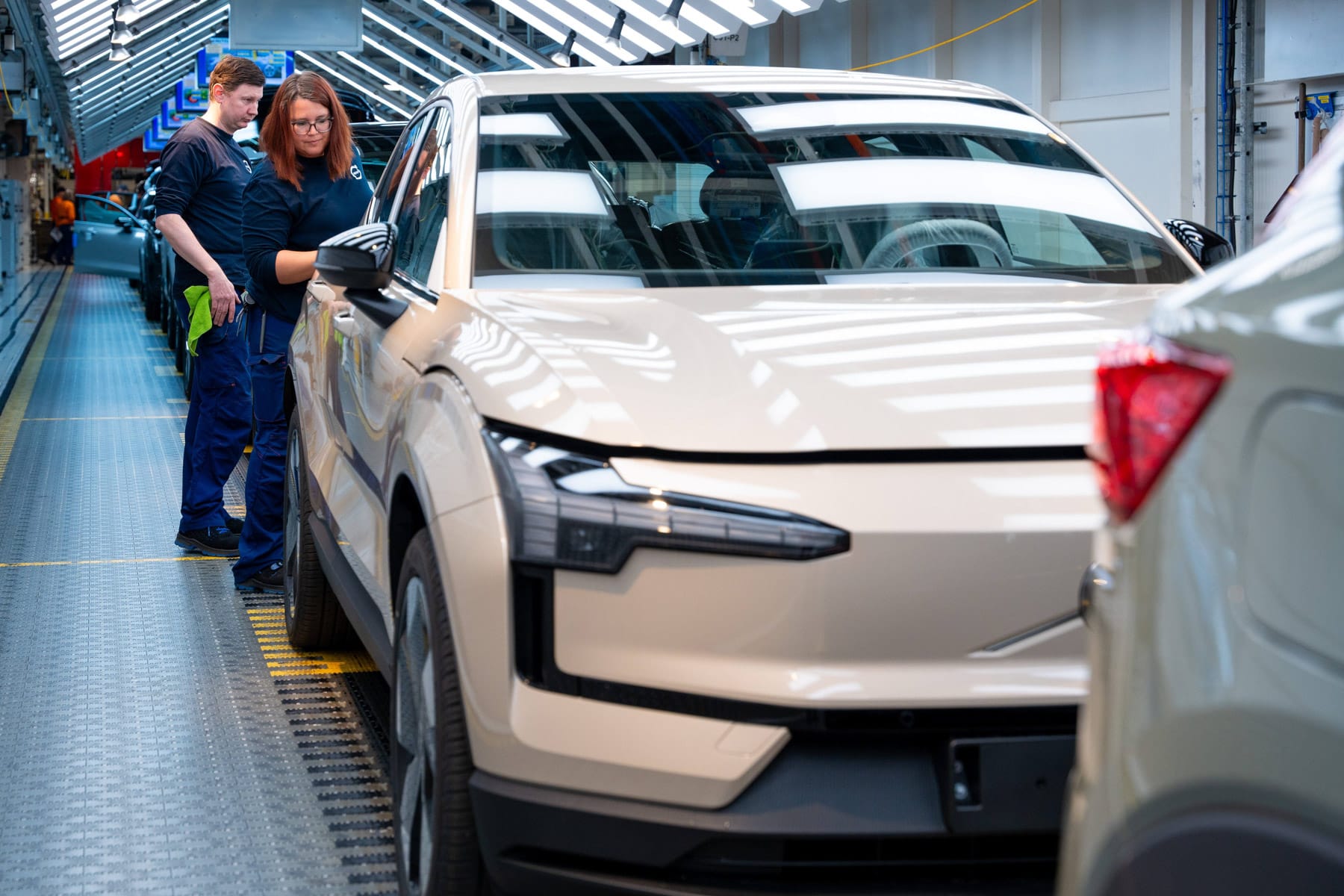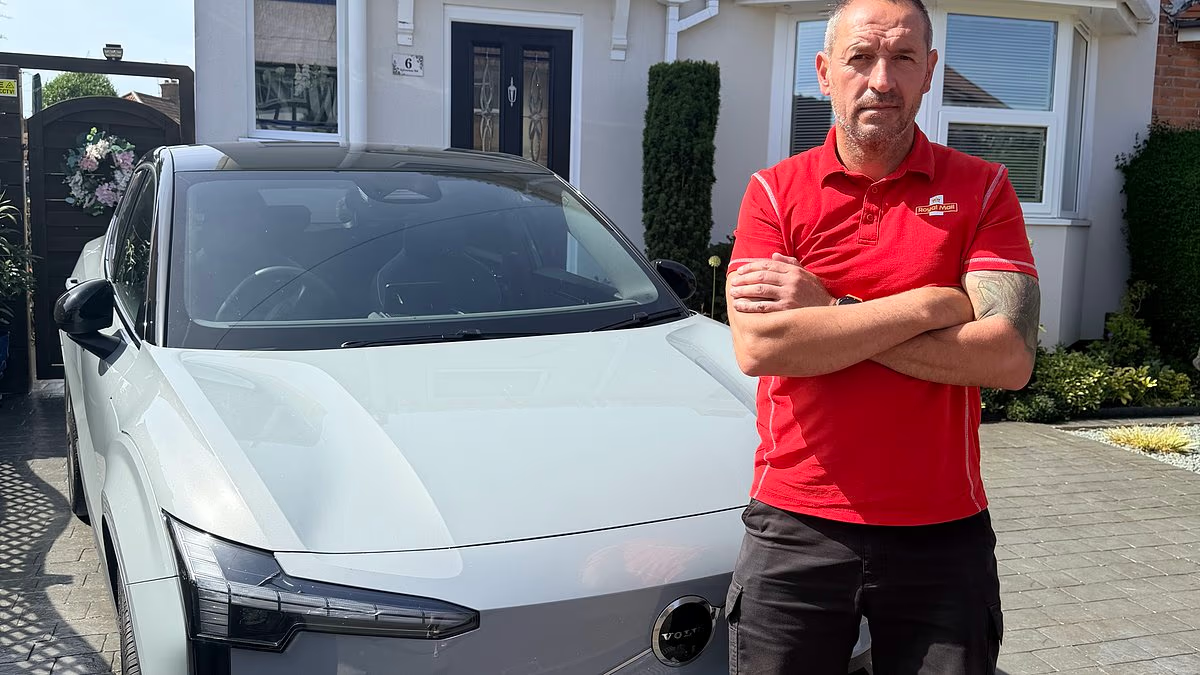
Abid Hussain had been proud to park his brand new top-of-the-range £43,000 Volvo in front of his home when he first bought it in May 2024.But the electric vehicle, an EX30 model, has been a ‘total disaster on all fronts’, the 52-year-old postman says. The problems include an incident in October 2025 when his wife Louise was locked out of the vehicle when the keys stopped working during a trip to Windsor, leaving her stranded 20 miles from home. Since then, the couple have been locked out of the car on four different occasions, despite their local Volvo dealership investigating the issue.The final straw came in December, when Abid received a letter from Volvo warning him that he mustn’t charge his car up to more than 70 per cent of the battery’s capacity, or risk it bursting into flames – a problem which has been made only worse by the recent record-breaking temperatures for May.Abid is one of more than 10,000 British motorists who have been left with expensive electric vehicles which have a severely downgraded performance after Volvo ordered them not to fully charge the batteries amid fears they could overheat.Some 10,365 UK drivers who own the Swedish brand’s EX30 SUV (and around 40,000 worldwide) were also warned not to leave the cars unattended while charging in garages or leave them under cover. The manufacturer said this could cause battery temperatures to rise to dangerous levels – and in extreme cases catch fire.Volvo officially issued a recall in February to replace the faulty batteries. But motorists have been left waiting five months so far for replacement battery parts to arrive from China. Postman Abid Hussain has been trying to return his Volvo EX30 for 18 monthsIt means EVs sold with advertised ranges of up to 280 miles are barely able to cover half that distance. This has plunged motorists into a cycle of frequent charging, inflated running costs and regularly having to stop to charge the car on longer journeys.Daily Mail and This is Money readers say having to charge their cars more often means using public charging stations, which cost up to five times more than home charging, and are having to break up journeys they would ordinarily have been able to complete in one drive. And drivers haven’t been told when their cars will be fixed.Abid, who has been trying to return his Volvo since November 2024, says that ‘deep-rooted technical issues’ with the car's locking system, combined with the charging restriction, mean it is now worth less than half what it cost new in May 2024. Abid, from Reading, bought the EV using a flexible car finance loan, which he continues to pay each month.He says: ‘It has been a total disaster on all fronts. I am now left paying for a car that does not deliver what it promised; it barely does 150 miles at 70pc charge.’Volvo – which has built a strong reputation for its attention to safety – says it is ‘working tirelessly’ to resolve the issue. Owners find themselves having to use public chargers a lot more... at added expenseWarning letters were originally sent out towards the end of last year to owners of Single Motor Extended Range and Twin Motor Performance variants produced between 2024 and 2026.It said capping charging to 70pc ‘significantly reduced’ the risk of batteries overheating until it could put in place a plan to rectify the problem.On paper, it means the Single Motor Extended Range will slip from 295 to 207 miles, while the Twin Motor Performance falls from 280 to just 196 miles.But, as Abid says, the reality is that owners are now getting no more than 150 miles from the longest-range cars.An official recall followed in February, with affected vehicles due to be returned to dealers for inspection and, if necessary, given battery module replacements free of charge.But at the end of April, Volvo admitted that fewer than 10 battery packs had been replaced, with parts still in transit from its supplier in China.Now, almost six months after the faults were discovered, the charging furore threatens not just to put a dent in Volvo’s finances but also its brand reputation – as well as that of the wider EV market.Stephen Surgeon, 69, and his wife, Janet, regularly visit the Lake District, but the drive from their home in Rochdale is taking far longer than it once did.Stephen, who is recently retired after running a kitchen design and installation business, says he has to stop to charge his EX30 car once and sometimes twice during the 70-mile drive.He says: ‘It has been a constant inconvenience. We should be able to complete these journeys in one go. It’s become so impractical for longer journeys that we’re taking the bus or train instead to avoid the hassle of charging.’ Stephen Surgeon says he has to stop at least once, sometimes twice, on his regular 70-mile drive to the Lake District from his home in Rochdale Volvo officially issued a recall in February to resolve the problem with its EX30 batteriesStephen says he has been repeatedly contacting his local Volvo dealership since March for an update on when his EX30 will be fixed, but his emails have all been ignored. Having owned Volvos for the last 10 years, it has made him reconsider ever buying from the brand again.‘With the delays in getting the car fixed and the anxiety I’m suffering over its range, I’m beginning to think I should have bought something else.’Volvo has offered customers £200 in charging vouchers as compensation towards the high cost of using public chargers, which is more expensive than filling the battery at home using cheaper electricity.But this has done little to placate frustrated owners, especially with the cost of public charging sometimes up to five times higher than charging at home.David Mackenzie, 64, a retired public servant living in Berkshire, is another disgruntled owner. He says: ‘I’ve received no contact from the local dealer about when my EX30 will be repaired.‘Several journeys have been significantly disrupted by the need to use expensive public chargers far more often than I had originally expected.’David says he quickly ran out of the charging credits he received.‘The £200 has all but been used, with no further compensation offered. This whole experience has sapped any joy I had from owning this car. I’m keen to embrace the EV experience; however, this is testing my resolve, patience and, even more so, my wallet.’Jeremy Joiner, 70, a retired solicitor living in the Cotswolds, says it's incredibly difficult - and frustrating - to get any answers or updates from Volvo.In April, he approached the local dealer who sold him the EX30.Like Abid Hussain, Jeremy wants to terminate his PCP finance agreement on the grounds that he says he was ‘sold a defective car which was not fit for purpose and potentially dangerous’.However, Jeremy says the dealership has told him that it could not investigate and he must liaise with Volvo directly.The way Volvo dealerships are run means they cannot get involved in contractual disputes – those must be handled by the Volvo parent company.Jeremy says: ‘I hate being ignored. Volvo has had a dismissive attitude from the start.‘In the old days, when you bought from a dealer, it was a damn sight more straightforward. Now they merely have an agency relationship to sell a quota of cars – and that’s all. I find that difficult to come to terms with.’Jeremy tells us that his car is currently displaying a maximum range of 146 miles on a 70 pc charge.‘Realistically, it is more like 100 miles,’ he says. ‘When I bought the car, I must admit I was in two minds about going electric. After this experience, I am very tempted to go back to a petrol car. And it won’t be a Volvo.’When we contacted Volvo, a spokesman said: ‘Volvo Car UK has been working tirelessly to source replacement parts from around the world. These are now beginning to arrive in the UK, with repairs well underway.‘Availability will initially be limited, but we expect the repair rate to increase in the coming weeks. Retailers will contact customers as soon as parts are available.‘Safety is a top priority for Volvo Cars, and we are taking this issue extremely seriously. We appreciate customers’ patience and understanding.’
What fire-risk Volvo EX30 owners can do: Inside the chaotic EV recall
Abid Hussain had been proud to park his brand new top-of-the-range £43,000 Volvo in front of his home when he first bought it. But the electric vehicle has been a 'total disaster on all fronts'.
1,385 words~6 min read