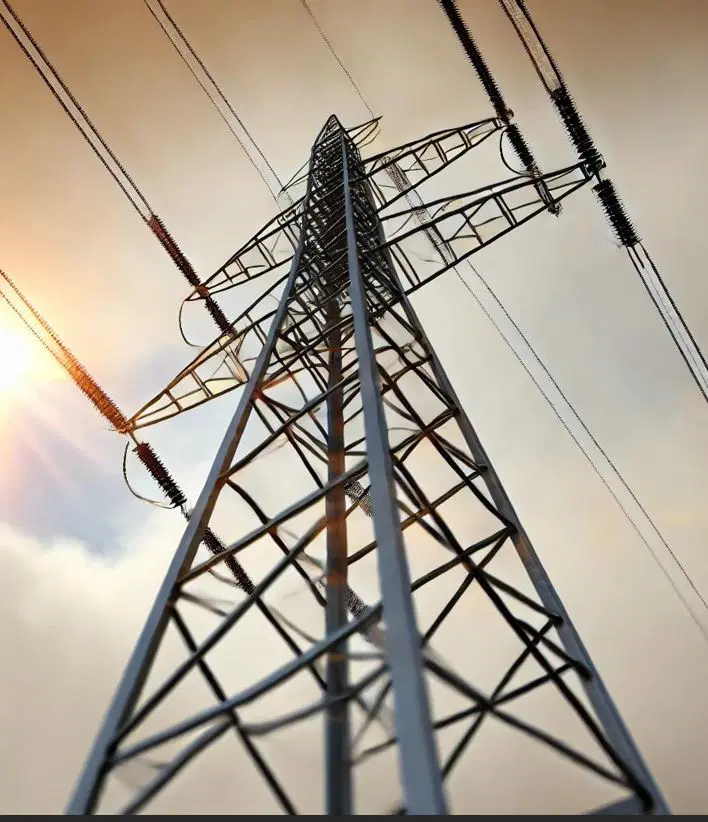
For decades, achieving economic independence in Nigeria has been limited by a fundamental deficit: access to reliable electricity.
In rural and peri-urban communities, often referred to as the “last mile,” small businesses, agro-processors, and households have historically survived on costly, polluting petrol generators or lived in complete darkness. However, a silent revolution has been taking place across the country.
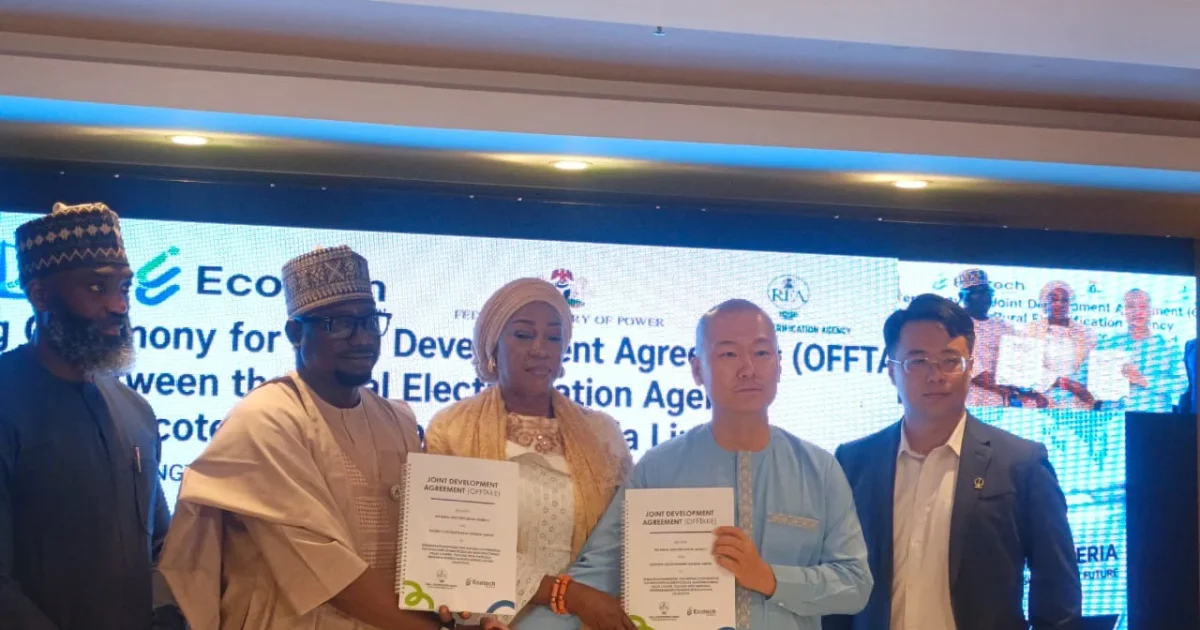
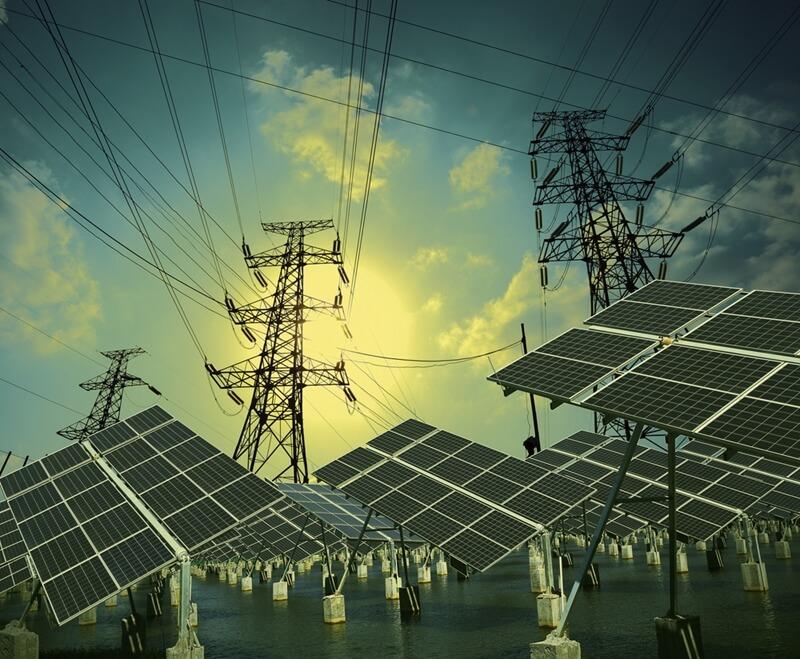
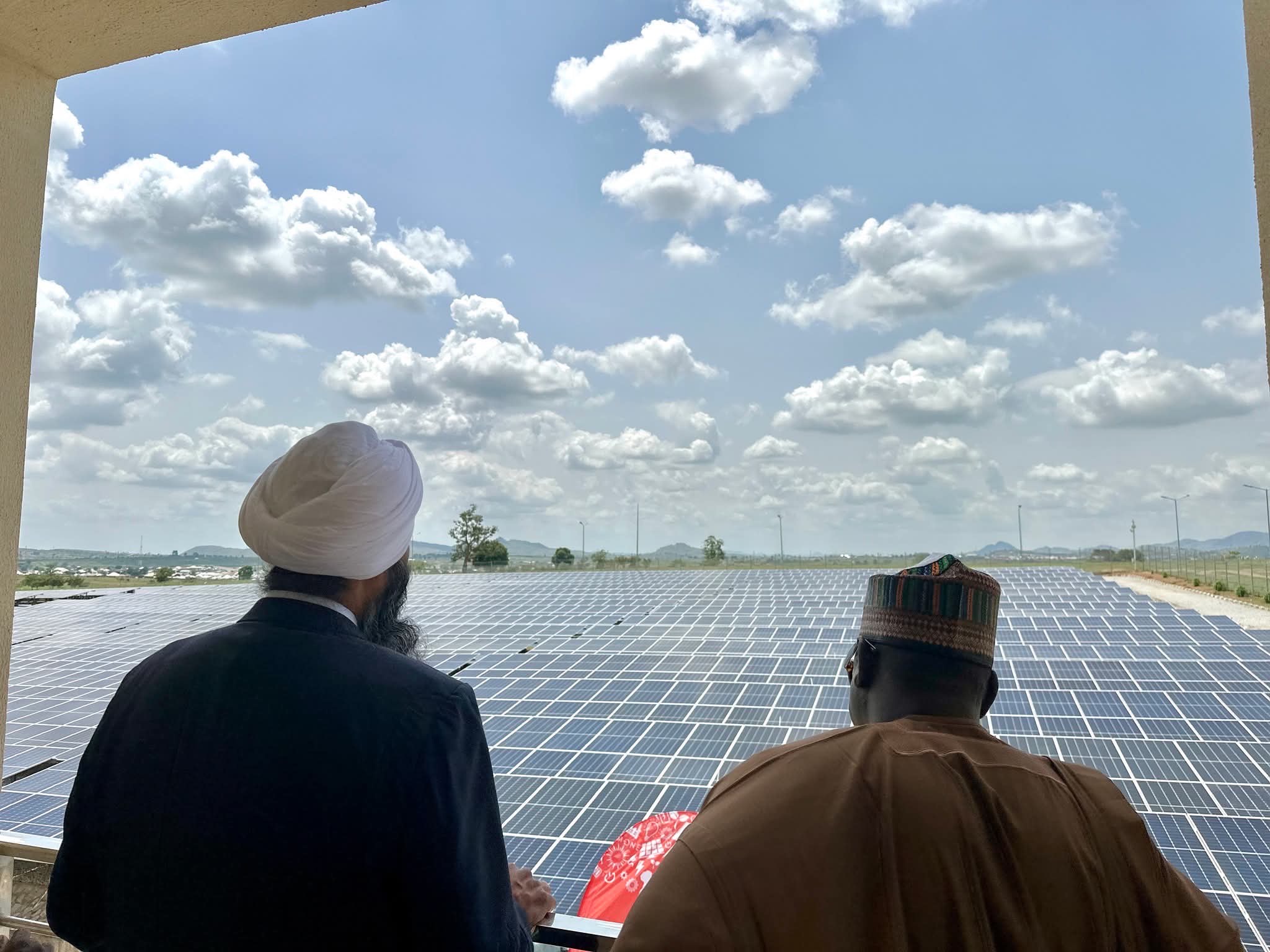
Led by the Rural Electrification Agency (REA), decentralised renewable energy solutions are systematically closing the energy gap. Driven by bold policy shifts and unprecedented private sector funding, the REA’s mini-grid solutions are not just illuminating homes, they are serving as a critical infrastructure backbone to catalyse the Central Bank of Nigeria’s (CBN) ambitious target of achieving a $1 trillion economy.
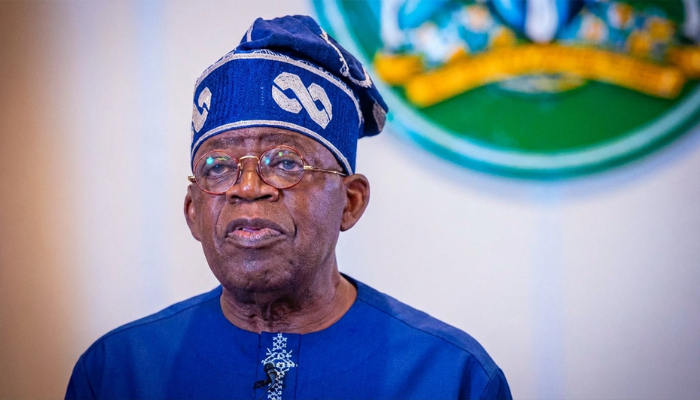
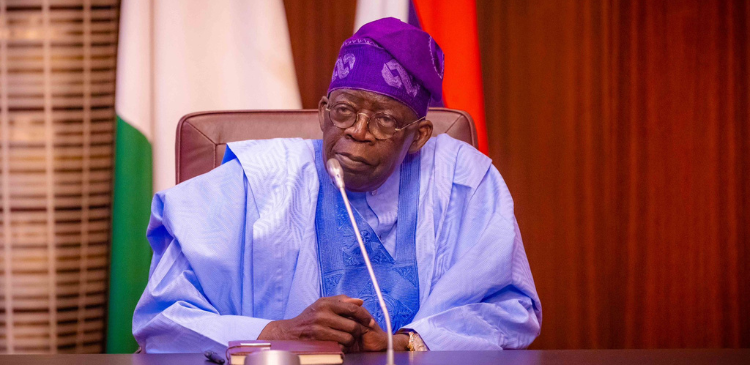
This rapid transformation underscores the strategic vision of the current administration. As President Bola Ahmed Tinubu marks his third year in office, this milestone stands as a testament to his administration’s foresight. By recognizing early on that the fragile national grid could not single-handedly carry the weight of Nigeria’s industrial ambitions, the President prioritised decentralised energy solutions to intentionally ease the burden on the national grid.