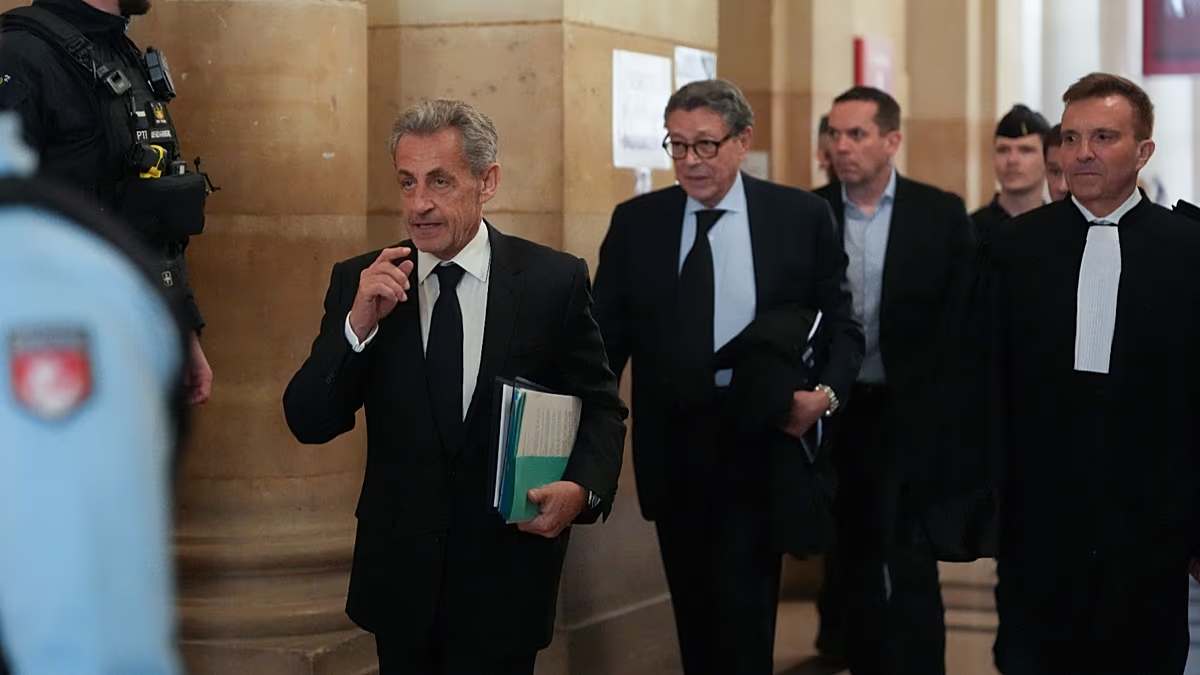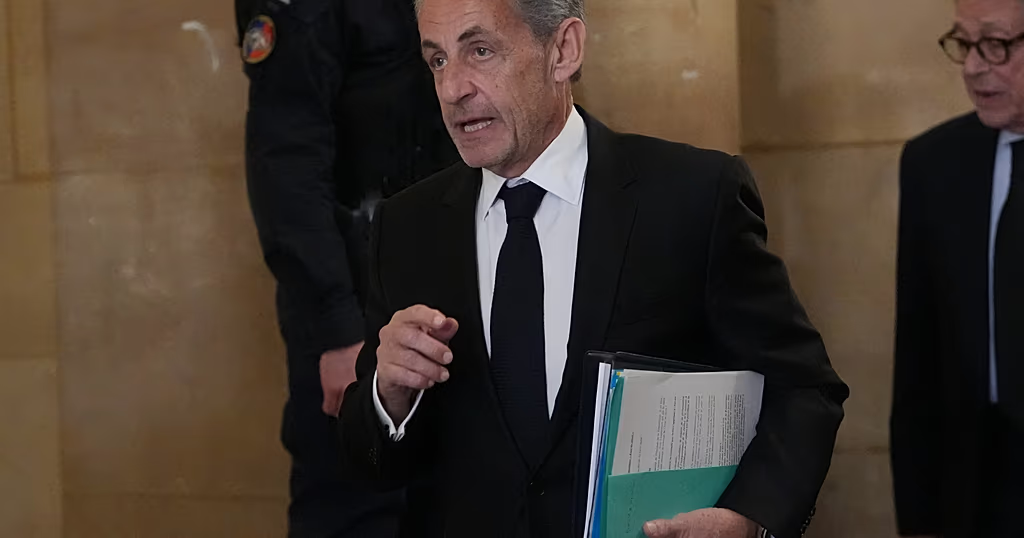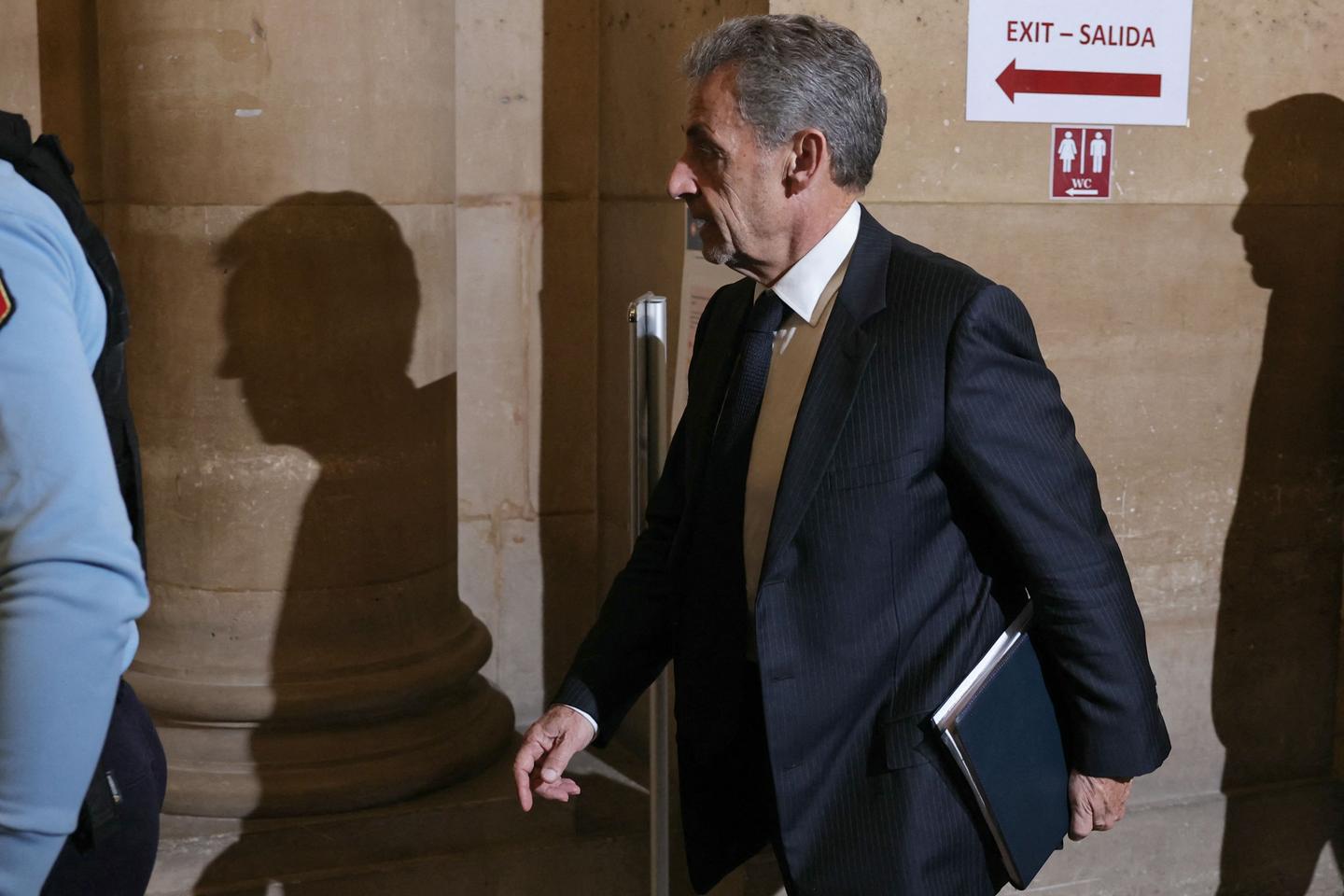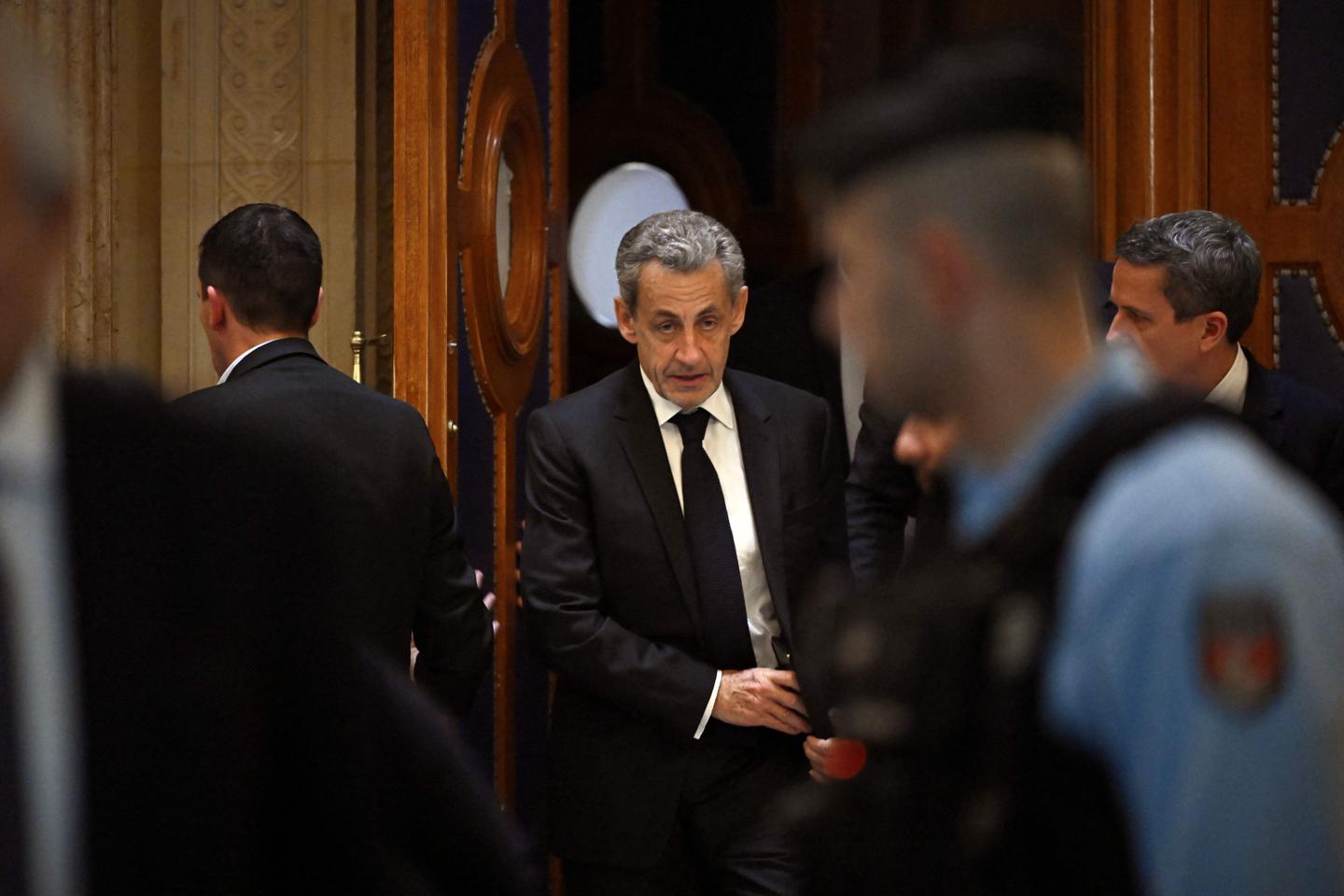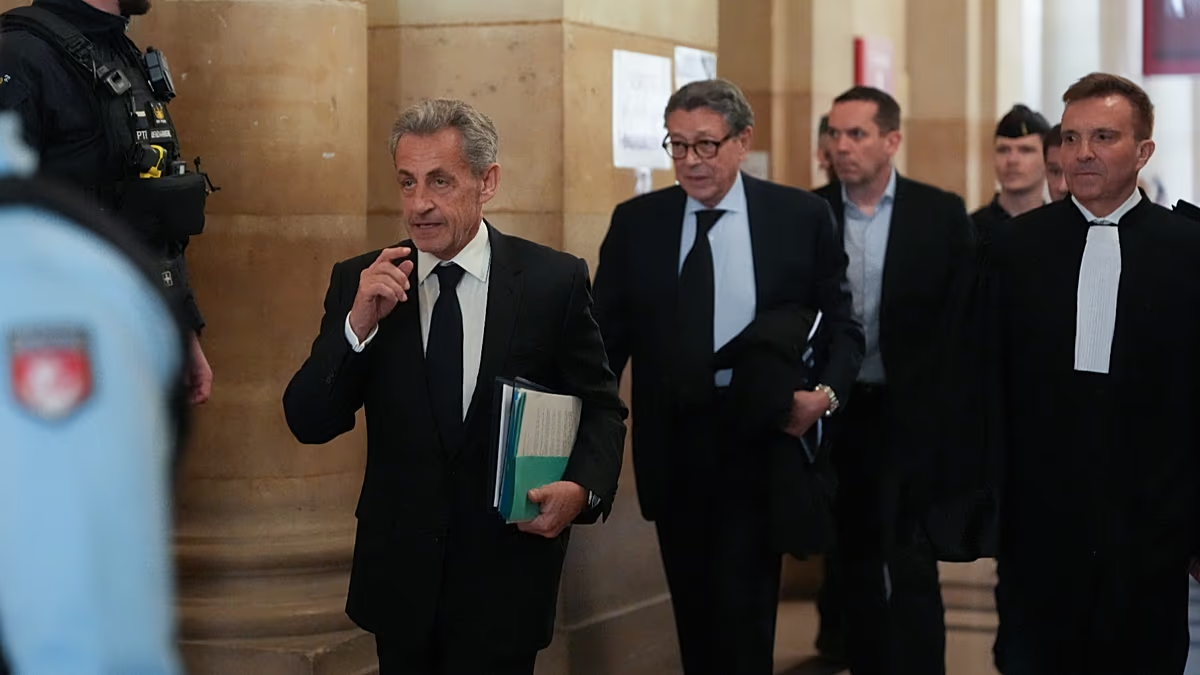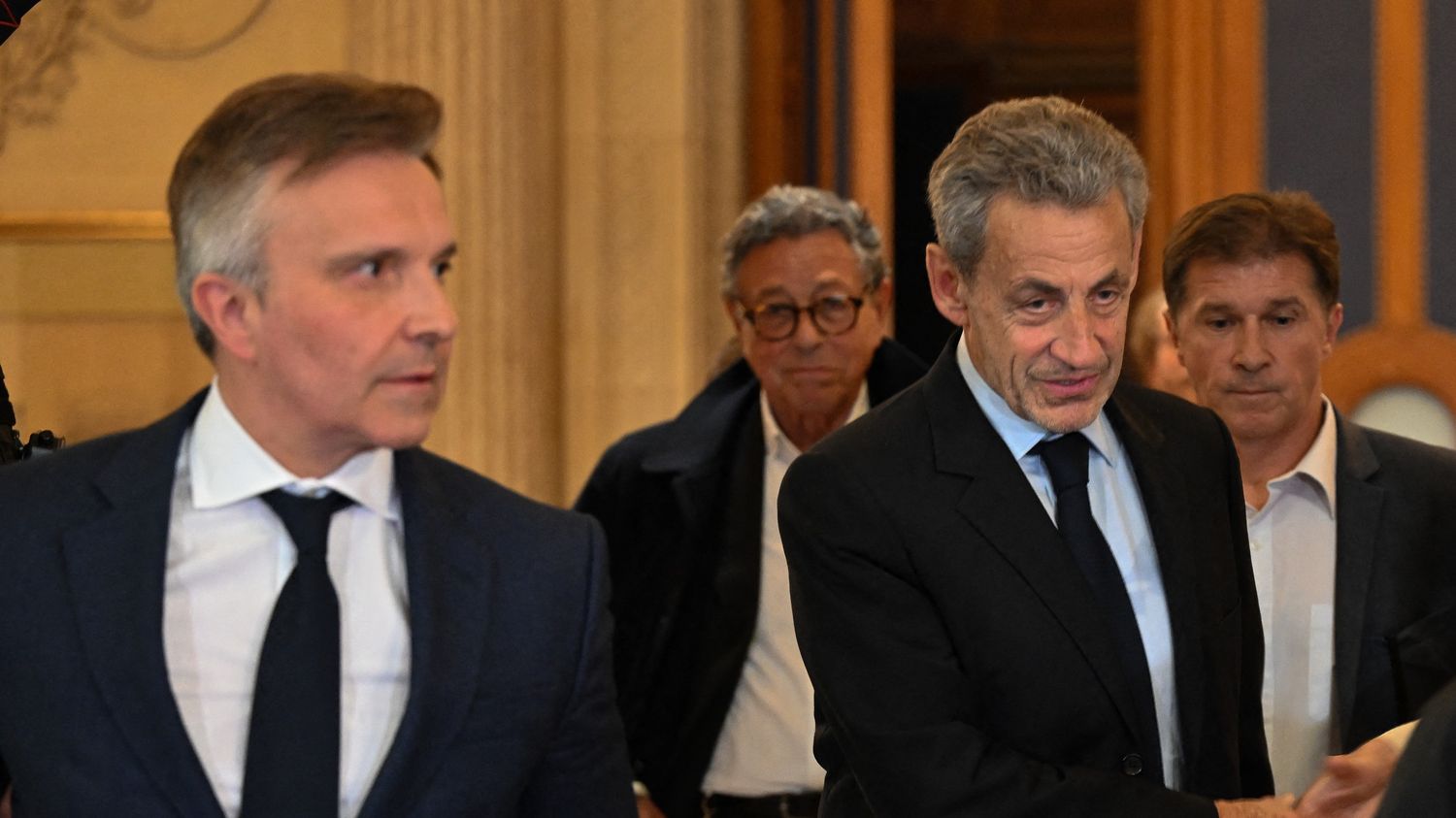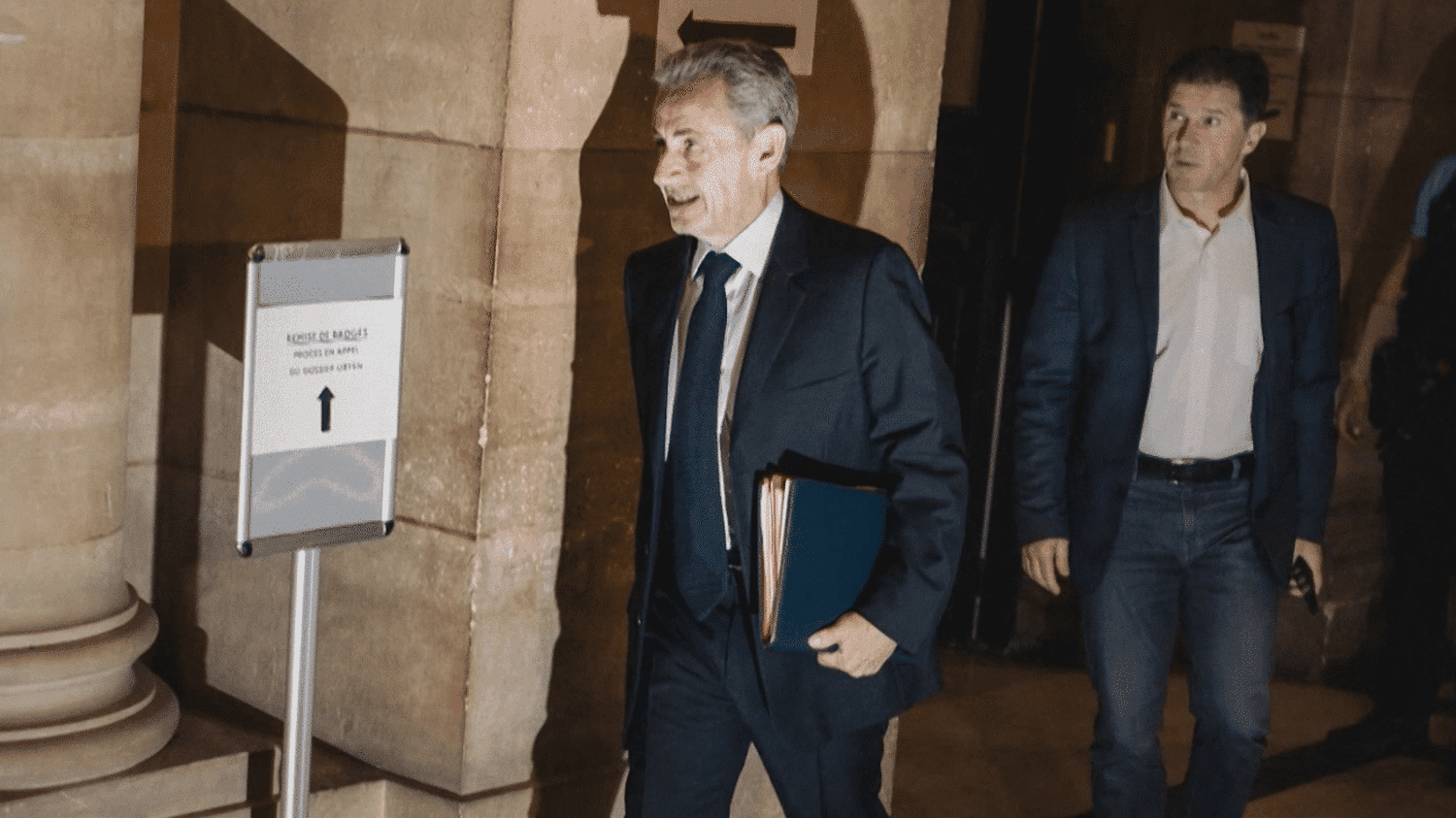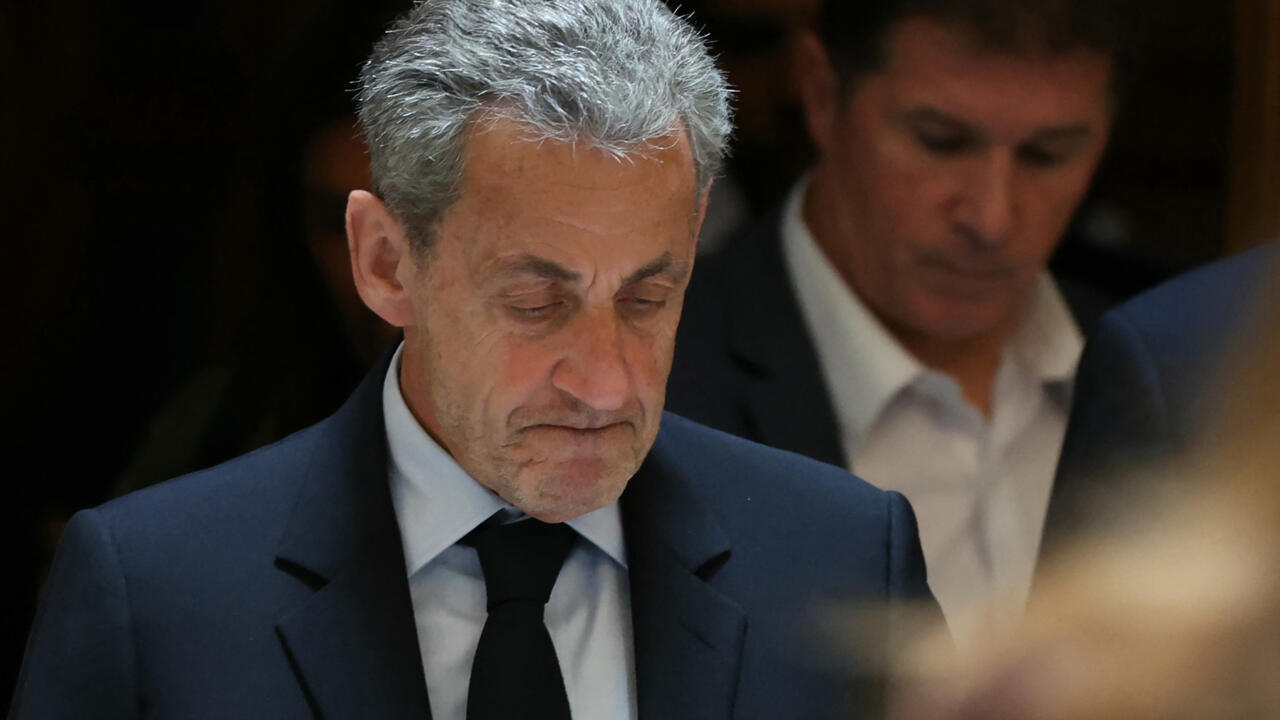
Nicolas Sarkozy has been many things in French public life: president, campaigner, political disruptor and, in the long-running Libya financing affair, central defendant. How that case concludes will determine which role he is best remembered for.
Issued on: 27/05/2026 - 07:59
3 min Reading time
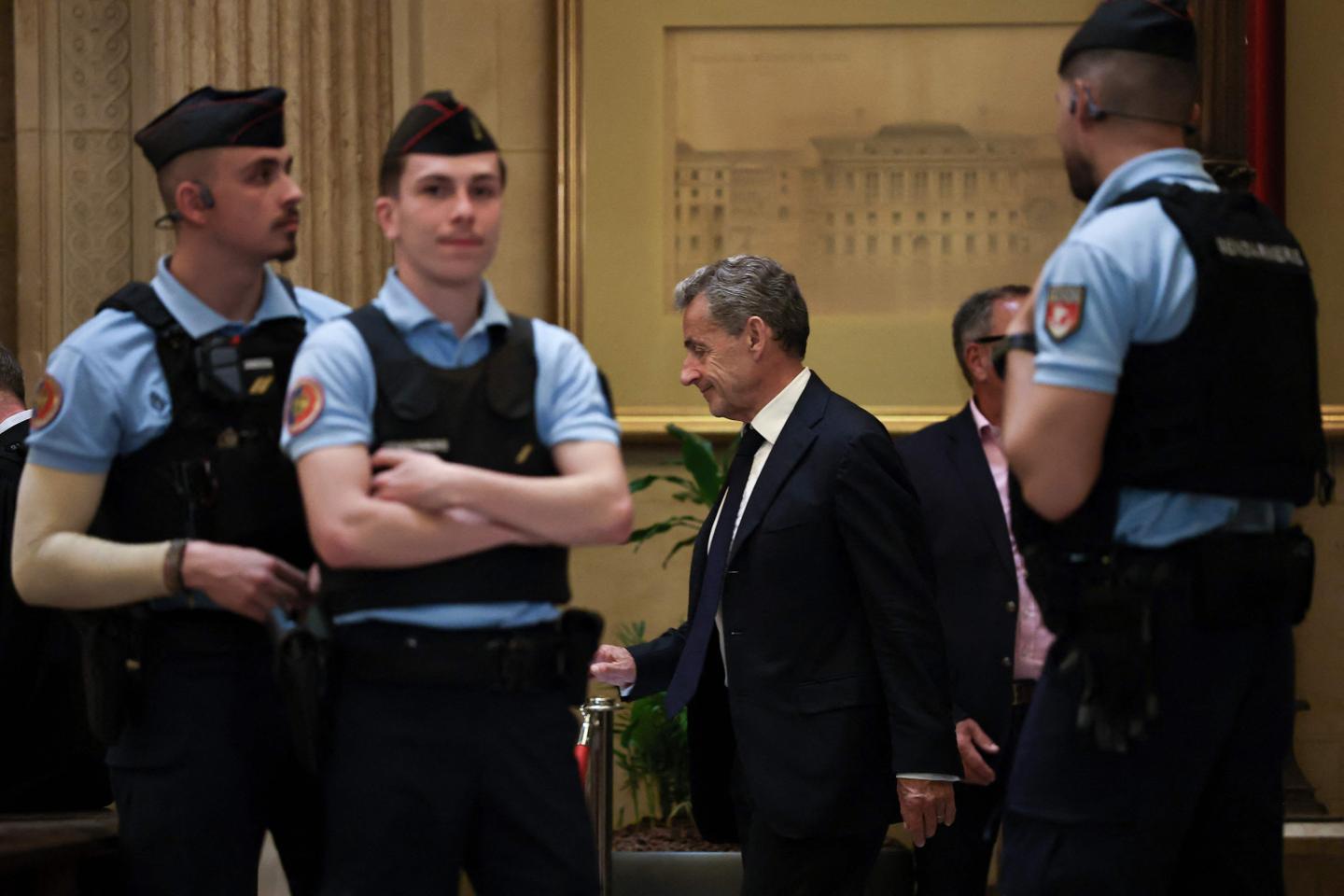
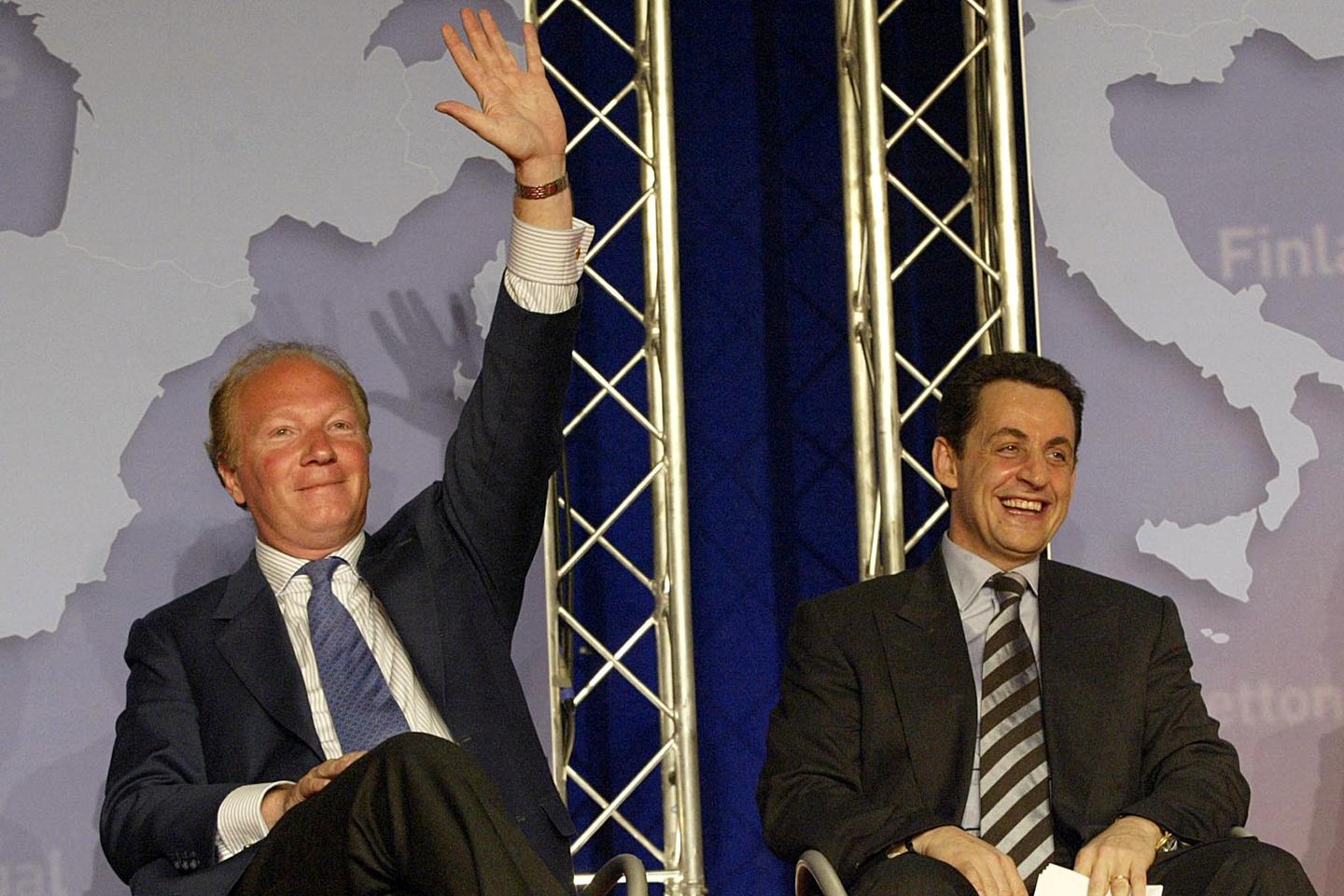
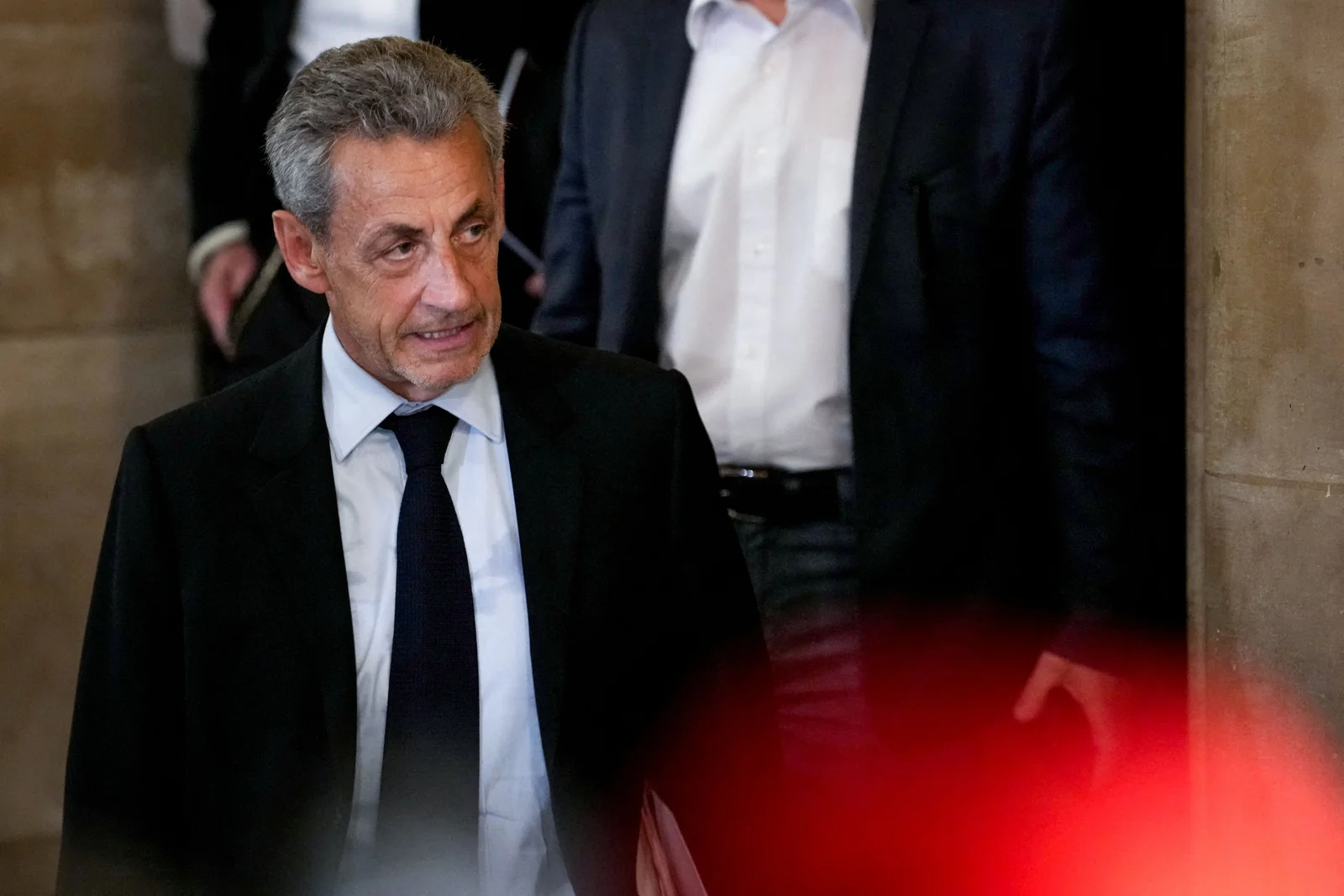
Of the 10 defendants in the appeal trial over alleged Libyan funding for his victorious 2007 presidential campaign, Sarkozy has spent the most time in the dock. His lawyers are due to deliver their closing arguments on Wednesday, bringing his defence to a close after more than two months of hearings before the Paris Court of Appeal. The 71-year-old former president has repeated insistently and at length, the same message: “not a single cent” of Libyan money was used in his 2007 campaign, he never sought such financing, and he made no promises to Libya’s late dictator Muammar Gaddafi. In particular, Sarkozy denies any undertaking to intervene on behalf of Abdallah Senoussi, Gaddafi's brother-in-law and former intelligence chief, who was sentenced to life imprisonment in France over the 1989 bombing of a UTA DC-10 airliner over Niger. The attack killed 170 people, including 54 French nationals. More than Sarkozy’s liberty is at stake. When Court of Appeal president Olivier Géron reads out the judgment on 30 November, the decision will weigh heavily on the place Sarkozy occupies in French political history – even if a further appeal to the Court of Cassation remains possible. An acquittal would allow him to denounce what he has repeatedly portrayed as a historic injustice. During the long legal saga, Sarkozy has likened himself to figures such as Alfred Dreyfus and Edmond Dantès, Alexandre Dumas’s fictional prisoner in The Count of Monte Cristo. A conviction, however, would place a lasting stain on a presidency already tainted by several legal cases. Sarkozy prison memoir a bid to ‘control the story’ and protect image for political future Changing support In September 2025, Sarkozy was sentenced to five years in prison for criminal conspiracy and spent 20 days in Paris’s La Santé prison – the first former president of the Republic to be jailed. This time, prosecutors are seeking seven years for criminal conspiracy, corruption, illegal campaign financing and concealment of embezzled Libyan public funds. They have cast Sarkozy as the “instigator” of a corruption pact that, they said, damaged the Republic at the highest level. Sarkozy’s tone has avoided openly attacking the courts, but his line has not changed: no pact, no Libyan money, no favour promised to Gaddafi. What has changed is the support around him. In the first trial, Sarkozy could rely on a united defence with Brice Hortefeux and Claude Guéant, his former right-hand man. This time, Guéant – absent for health reasons – has sent two letters to the court that stop short of incriminating Sarkozy but clearly weaken his position. Known as “the Cardinal” for his influence over Sarkozy’s rise to power, Guéant pushed back after hearing that his former boss had questioned his integrity in the witness box. He now says he did tell Sarkozy about his secret one on one meeting with Senoussi in October 2005 – an encounter prosecutors see as central to the alleged pact. Guéant also recalls a 2007 dinner in Tripoli at which Sarkozy allegedly summoned him after Gaddafi raised Senoussi’s case, telling him: “Claude, sort this out.” Sarkozy denies this scene took place, but the phrase has become one of the trial’s signature lines. France's ex-president Sarkozy on trial over alleged Kadhafi pact 'Thuggish defence' After years of categorical denials, Sarkozy now accepts that his friend and lawyer Thierry Herzog may have travelled to Libya in late 2006 for a meeting about Senoussi’s legal situation, while insisting he did not initiate it. He has also admitted he was wrong to say he had never been told of Guéant’s trips to Libya between 2008 and 2010, although he describes them as routine missions for an Élysée secretary-general. For the families of the UTA DC-10 victims, those explanations have not been convincing. Their lawyers condemned what they called a “thuggish defence” and pointed to Sarkozy’s convictions in the wiretapping and Bygmalion cases. But the Libya affair cuts deeper. The first court did not find it proven that Libyan money directly funded Sarkozy’s 2007 campaign, but it did convict him of criminal conspiracy, ruling that he had allowed close aides to seek support from Gaddafi’s regime. That distinction is now at the heart of the appeal. Sarkozy’s lawyers argue that meetings, suspicions and political contacts do not prove a criminal pact. Prosecutors say the pattern of contacts, intermediaries and repeated references to Senoussi reveal the structure of a corrupt bargain. The appeal judges' ruling will shape not only the next stage of Sarkozy’s legal battles, but how France remembers one of the most controversial presidents of the Fifth Republic. (with newswires)