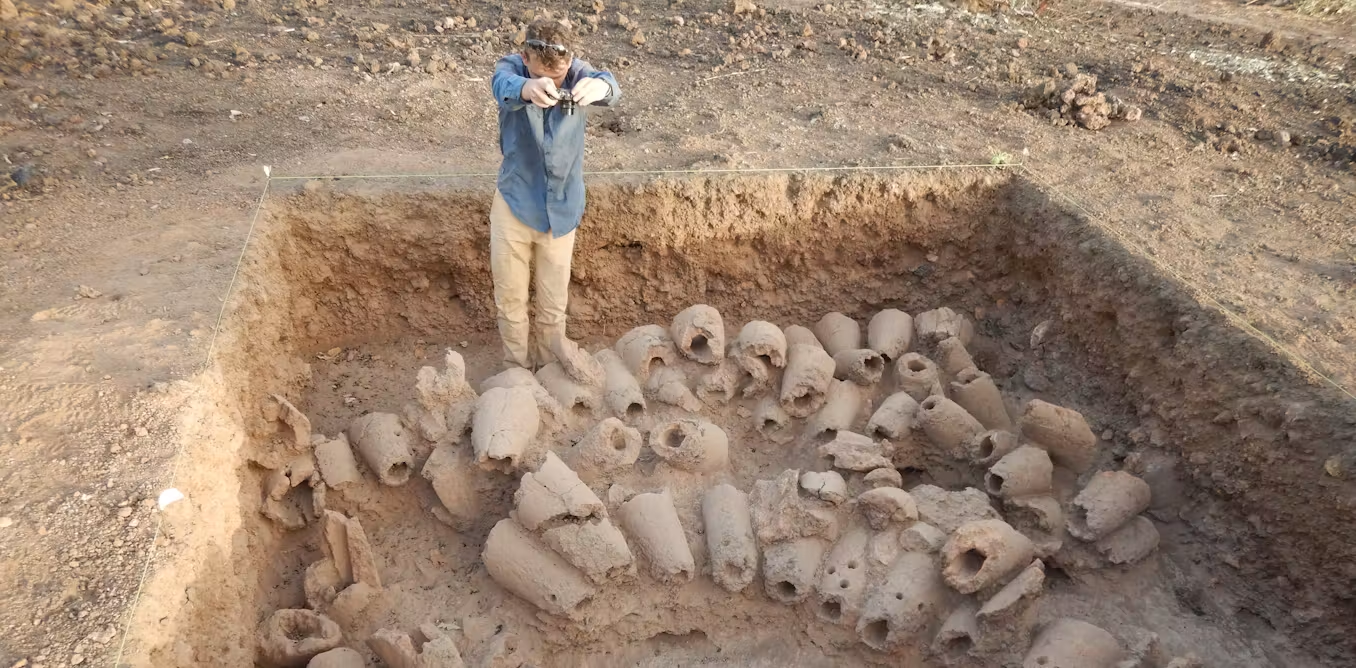
How was iron produced 2,000 years ago in Senegal? A recent study at the Didé West 1 archaeological site, in the Falémé Valley in eastern Senegal, sheds light on an ancient iron production technique.
Passed down from generation to generation for nearly eight centuries, this technology appears to have been developed to meet local needs. African archaeology specialists Anne Mayor, Mélissa Morel and Ladji Dianifaba explain the significance of this discovery and what it reveals about the transmission of technical knowledge over the long term.
What did you find?
For over 2,000 years, metalworkers produced iron in what is now Senegal. By studying the remains they left behind, we have been able to reconstruct their technical choices, the natural resources they used, and, to some extent, aspects of their way of life. Beyond their scientific value, these studies also highlight the expertise of ancient blacksmiths, since iron production represented a major technical and social transformation, particularly for agriculture.
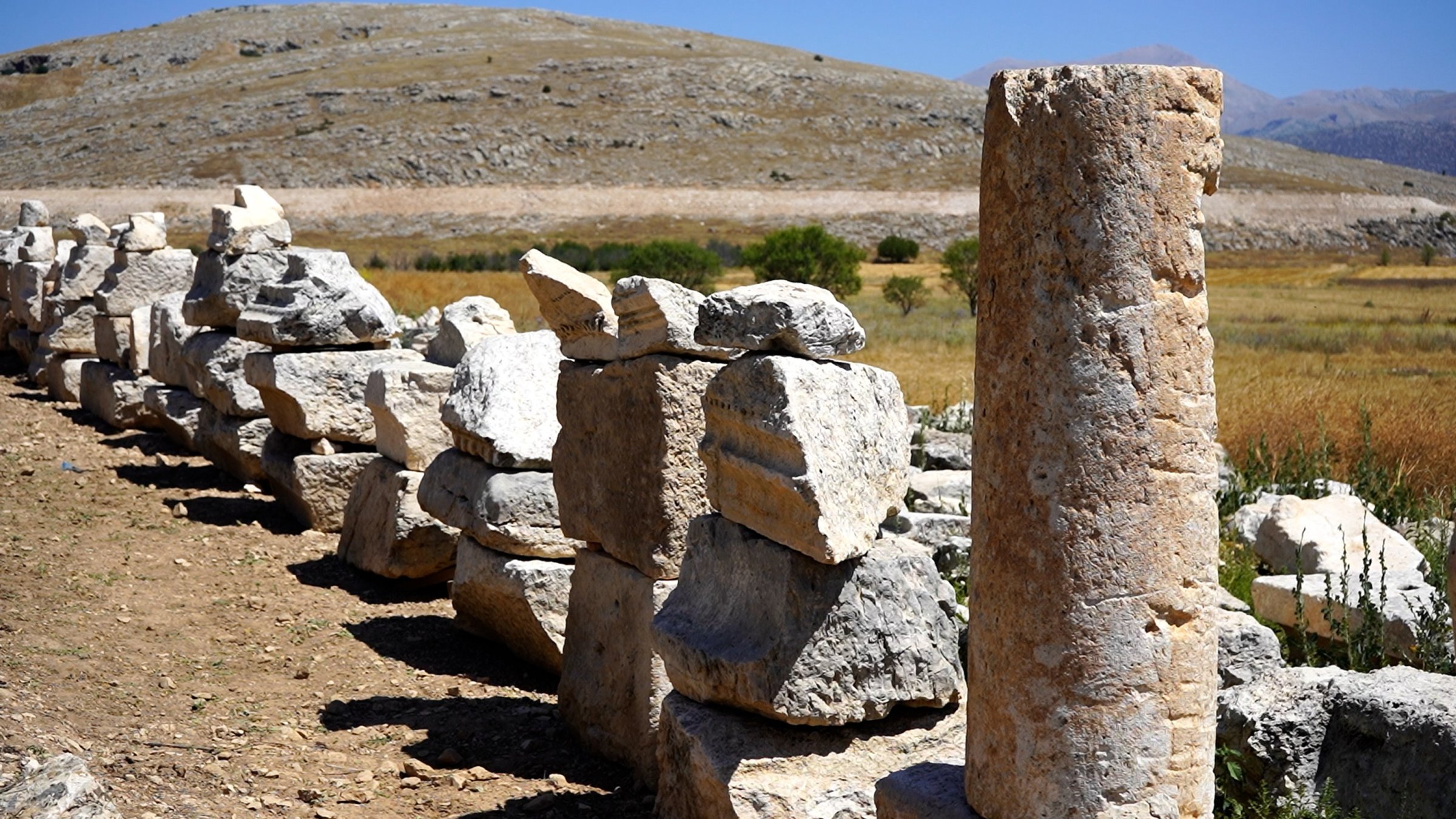
In eastern Senegal, in the Falémé Valley, within the Boundou Community Nature Reserve, many ancient iron production sites have been identified in recent years. Archaeological surveys and excavations carried out by an international research team involving scholars from the universities of Geneva and Fribourg in Switzerland, as well as the Institut Fondamental d’Afrique Noire at Cheikh Anta Diop University in Dakar, revealed at least five distinct technical iron traditions.