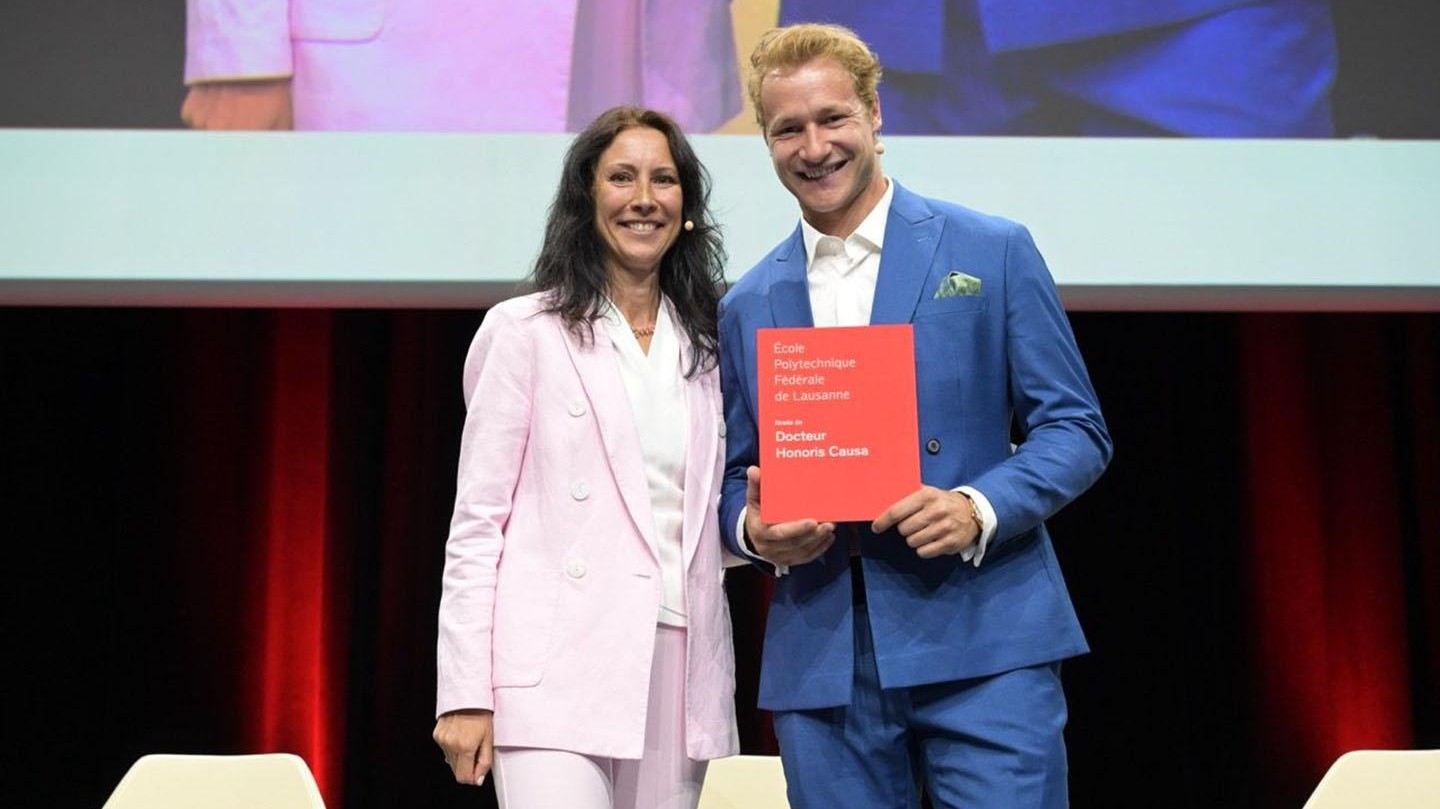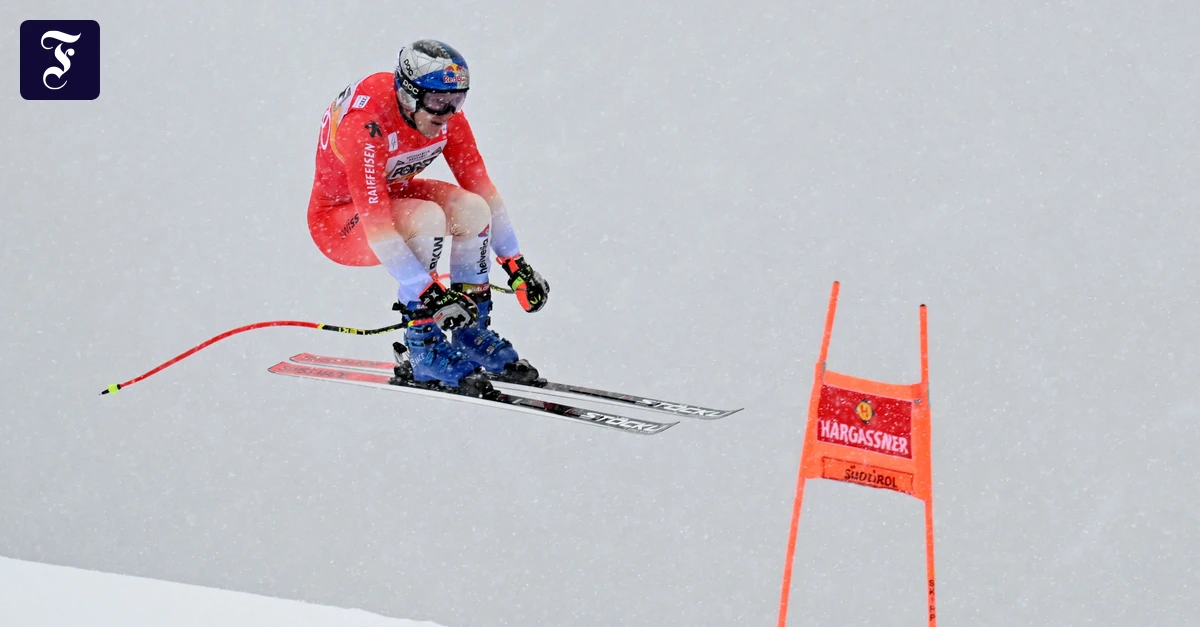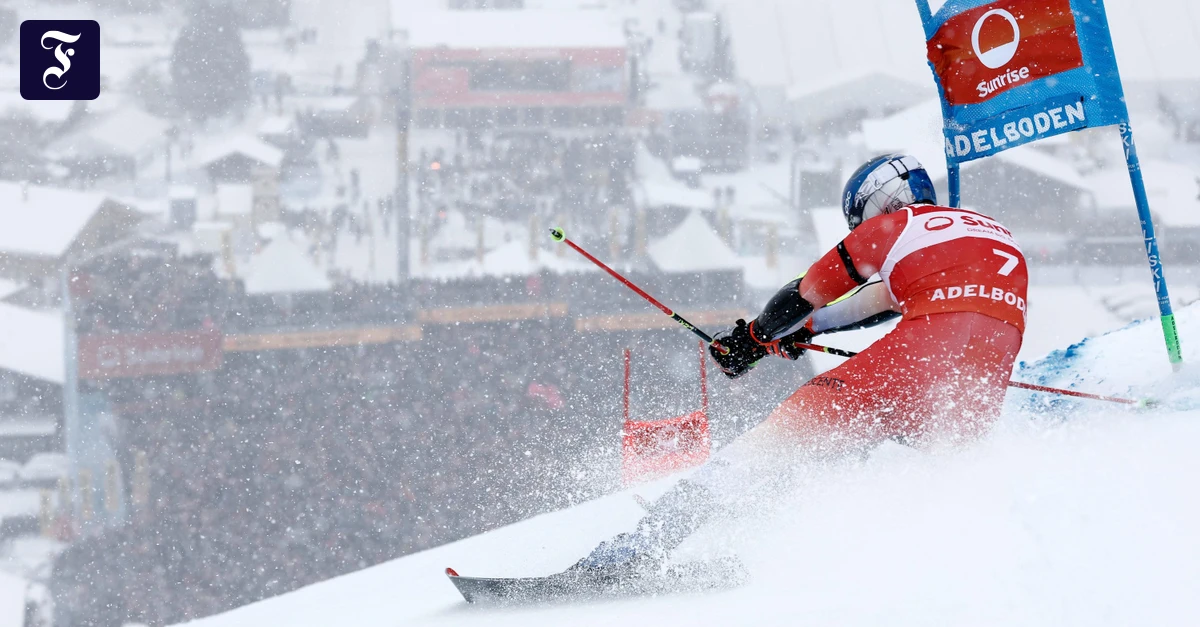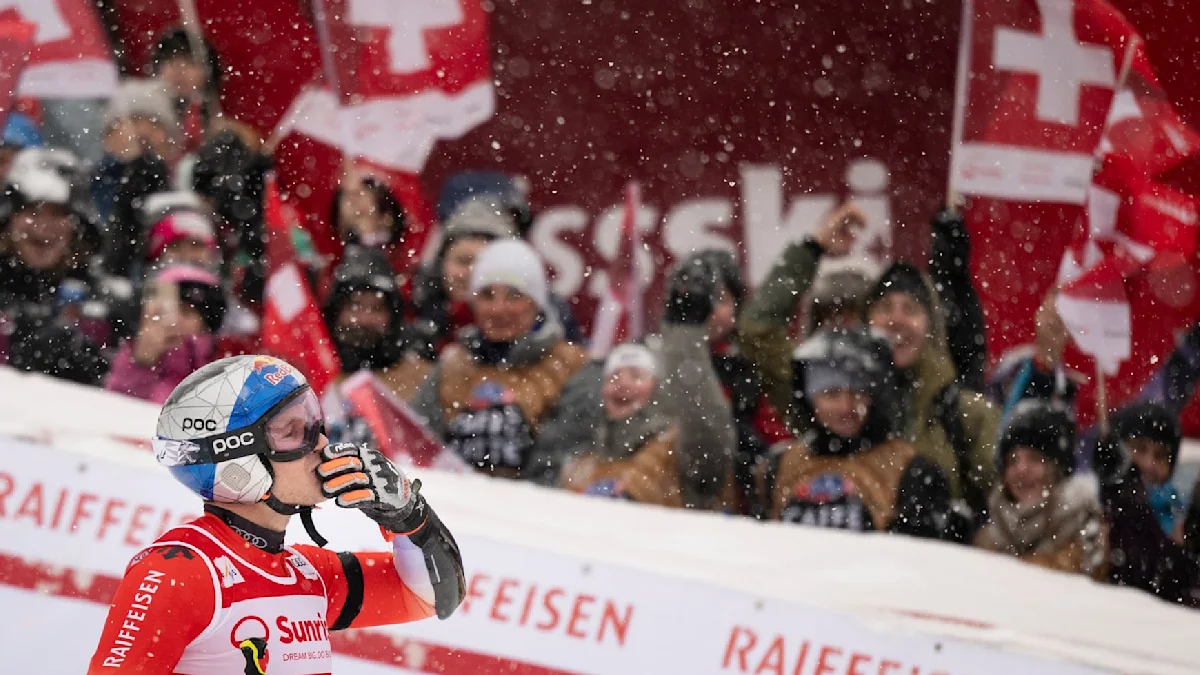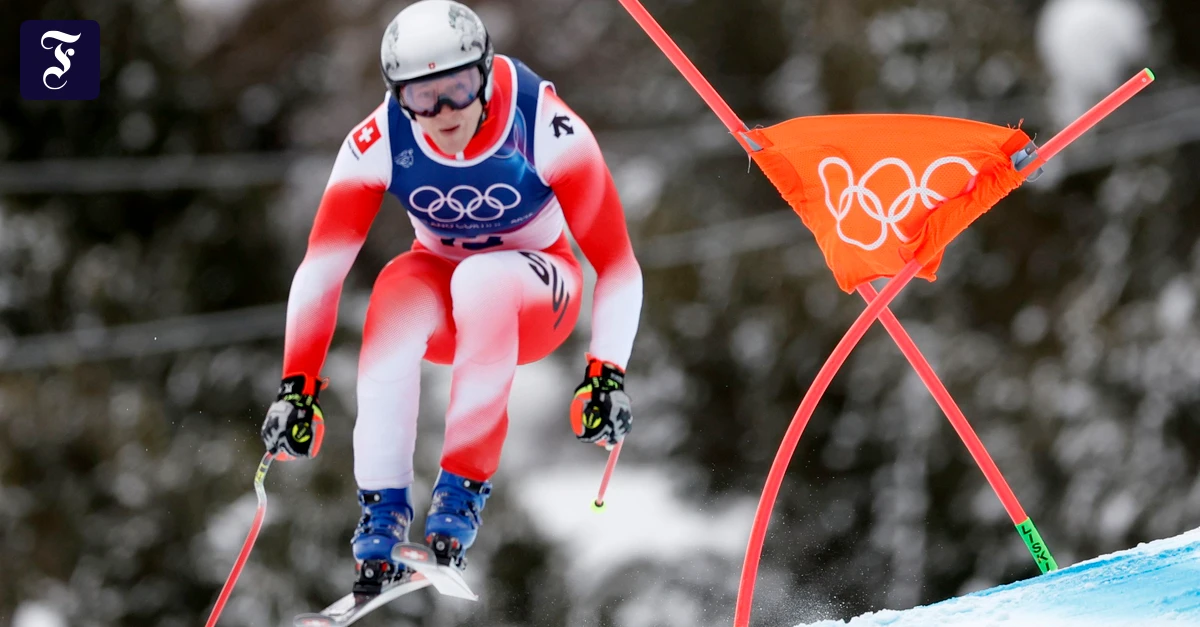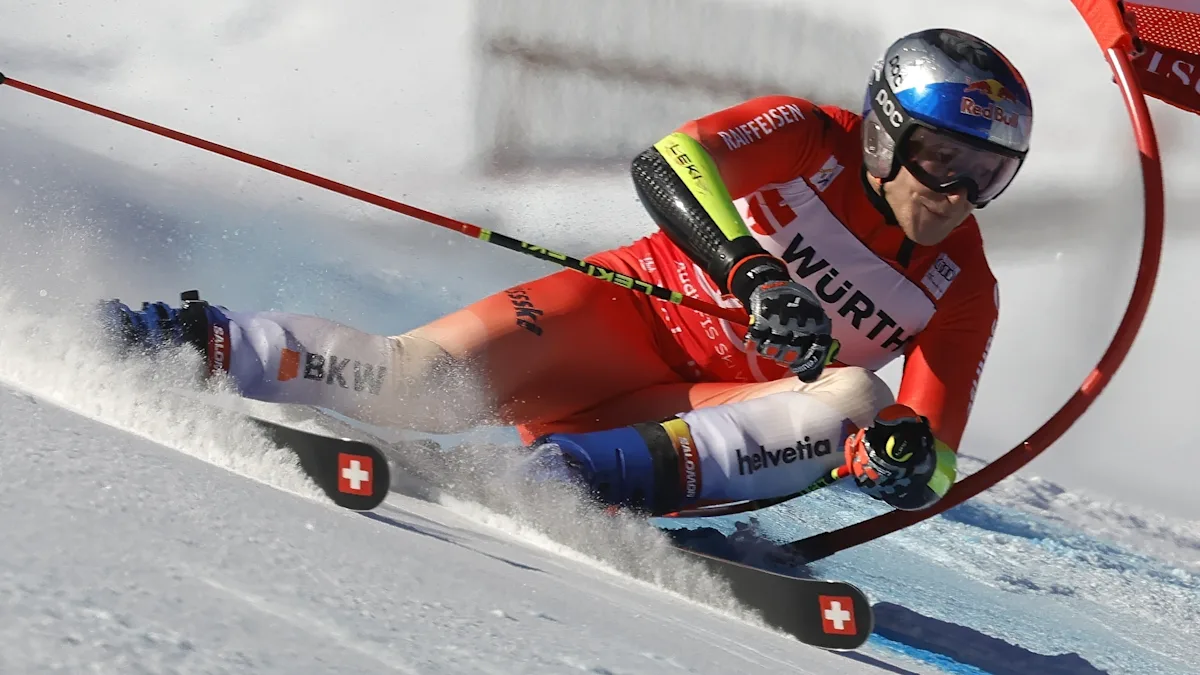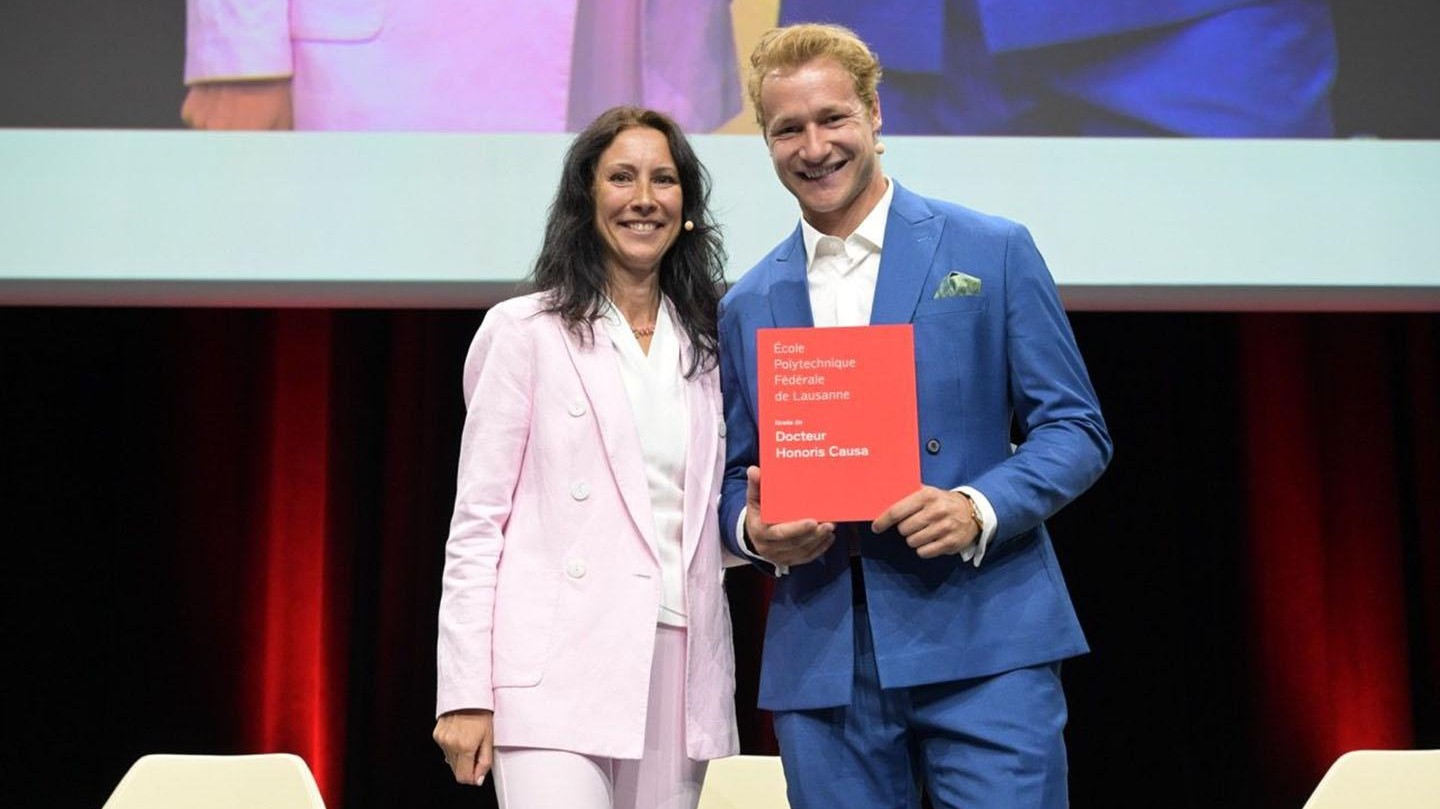
Swiss skier Marco Odermatt was awarded the title of Doctor Honoris Causa by EPFL’s president in early May. This accolade recognizes an outstanding athlete’s excellence and the synergies between technological innovation and sports performance.In alpine skiing, a fraction of a second is all that separates victory from defeat. Behind that fleeting moment lie years of training and the quest for the perfect technique, as well as teams of engineers working to develop ever more sophisticated materials. To showcase the synergies that lie at the juncture of these two worlds – sports and science – EPFL awarded the title of Doctor Honoris Causa to Swiss champion Marco Odermatt, at a ceremony open to the entire EPFL community.By honoring Odermatt, EPFL celebrates an exceptional athletic career – including World Cup titles, a number of other championships and Olympic gold – along with an approach to performance based on precision and continuous improvement regardless of the obstacles encountered. “Performance on a mountain or in a laboratory is never instantaneous – progress happens slowly, with a lot of effort and hard work. It happens through falling, failing and standing up,” said EPFL president Anna Fontcuberta i Morral during the ceremony.Odermatt, who’s from Nidwalden, is flattered to be selected for what he calls “a big honor.” After graduating from high school, he decided to put university on hold and dedicate himself to competitive skiing. His career took off, and Odermatt soon became a premier athlete on the international circuit. EPFL is proud to have contributed to his success: his racing skis are the culmination of over 20 years of research on composites carried out jointly by EPFL and Swiss equipment maker Stöckli. “In a way, EPFL is part of my team!” says Odermatt.EPFL likewise sees the collaboration with Odermatt as a winning bet. “Skiing is great for conducting pilot tests in materials science,” says Véronique Michaud, an associate professor at EPFL’s Laboratory for Processing of Advanced Composites. Her research group is studying how materials behave under high mechanical stress – and in alpine skiing, even the slightest vibration can ruin a performance. This collaboration also shows how laboratory R&D can have concrete applications in industry and elite sports. By the same token, innovations developed for skiing can find their way into other fields reliant on advanced materials and cutting-edge technology.“At EPFL, the breakthroughs that matter happen where different specialists come together,” said Fontcuberta i Morral at the end of her remarks. “Marco’s story reminds us that success is not just about reaching the top. It’s about defining where that top is.”
“In a way, EPFL is part of my team!”
Swiss skier Marco Odermatt was awarded the title of Doctor Honoris Causa by EPFL’s president in early May. This accolade recognizes an outstanding athlete’s excellence and the synergies between technological innovation and sports performance.
426 words~2 min read