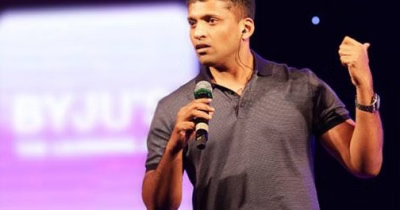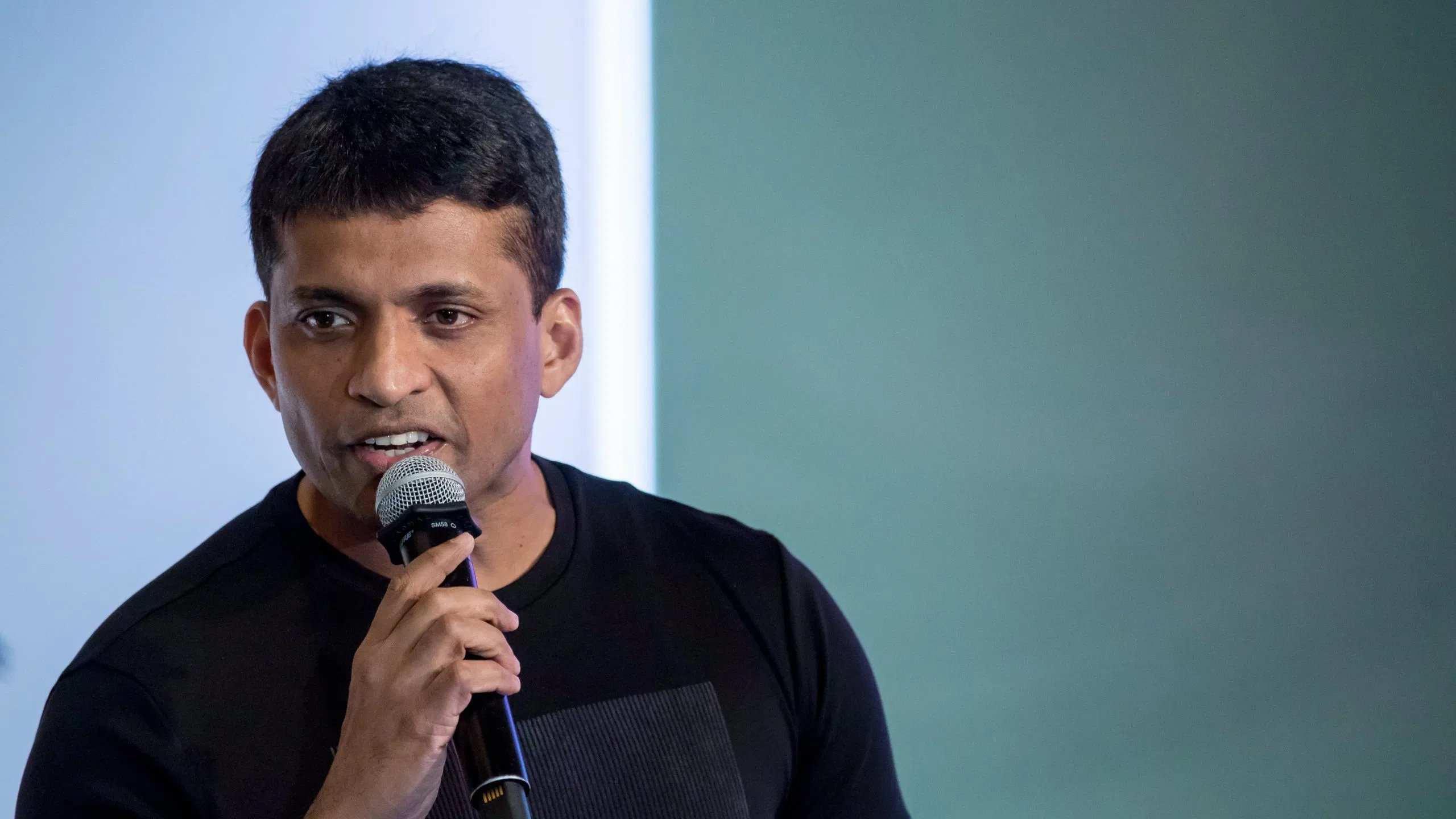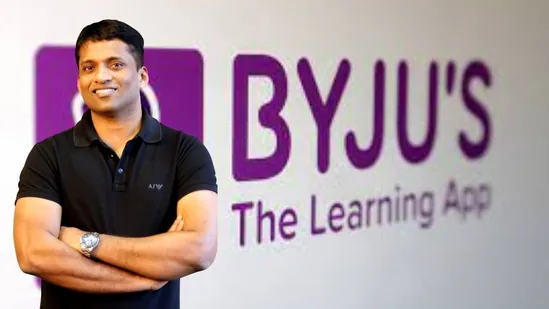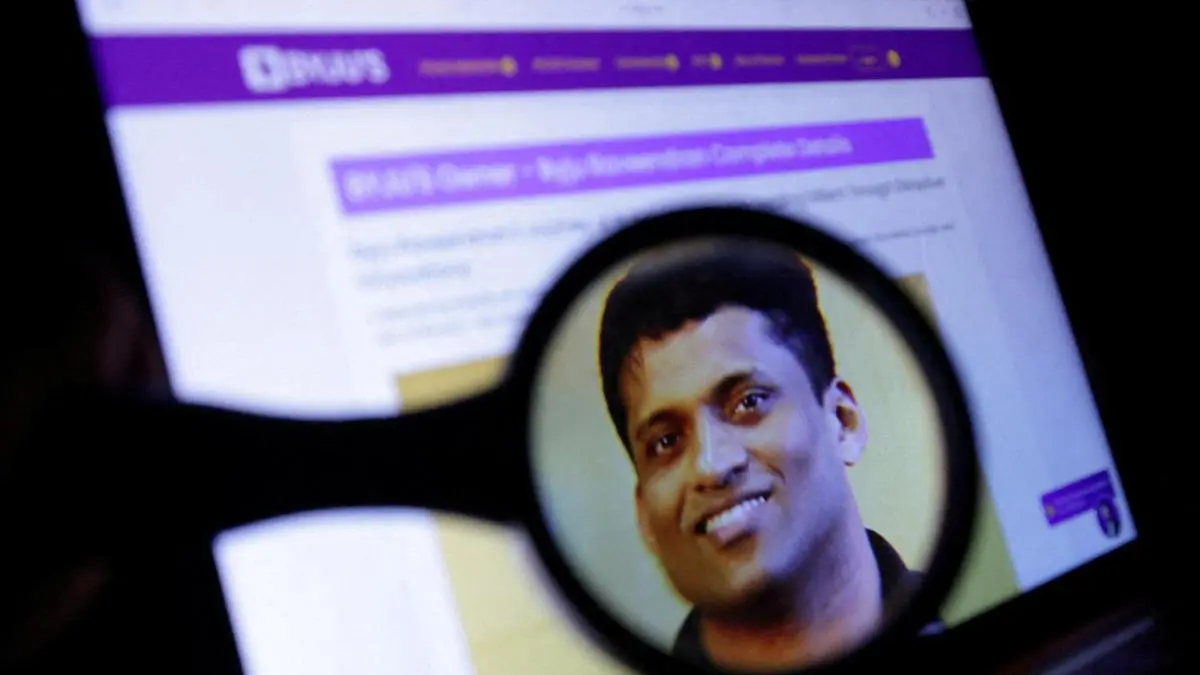
Byju Raveendran, founder of Byju’s, has reportedly been sentenced to six months in jail by a Singapore court for contempt after allegedly failing to comply with multiple court orders linked to his assets. According to a Bloomberg report, the court ordered Raveendran to surrender to authorities, pay legal costs of S$90,000 (around $70,500) and provide documents proving his ownership of Beeaar Investco Pte, a company that held shares in a related entity.The ruling marks another major setback for the embattled edtech founder, who is already facing mounting legal and financial pressure from investors and lenders in several countries, including the US. Creditors there are attempting to recover losses connected to a troubled $1.2 billion loan. Byju’s saw explosive growth during the Covid-19 pandemic as schools shut down and online learning surged in popularity. Founder Byju Raveendran, a former maths teacher who became one of India’s best-known startup entrepreneurs, attracted major investors including Prosus, the Chan Zuckerberg Initiative and the International Finance Corporation, part of the World Bank Group. Football icon Lionel Messi was also signed as the company’s global brand ambassador.Read more: Byju Raveendran says settlement near after Singapore court contempt orderWhat did Byju say?Raveendran said talks with lenders, including GLAS Trust and Qatar Investment Authority (QIA), have resulted in a settlement being agreed in principle. His statement came hours after Bloomberg reported that a Singapore court had sentenced him to six months in jail for contempt.Raveendran said only “a few residual minor issues” remained to be finalised between some parties and added that he had no role in those discussions. He also said the Singapore court matter had been pursued and reported in a way that created a “misleading impression” about him at a time when the main parties had “almost concluded” settlement talks.“As part of the settlement discussions, the parties have also acknowledged that there has been no wrongdoing on my part or on the part of the other founders,” Raveendran said. He added that he had not actively contested several court proceedings in recent months because the parties were working towards a comprehensive settlement.A timeline of Byju’s rise and fallNov 2021US creditor group extends $1.2bn ‘term loan B’Mar 2022Byju’s valuation hits $22bnMar 2023Byju’s Alpha declared in defaultJun 2023Deloitte resigns as Byju’s auditor after 2022 accounts delayedJan 2024Delayed accounts for fiscal 2022 show near-$1bn lossJul 2024Think & Learn is pushed into insolvencyNov 2025Delaware court issues default judgment against RaveendranWhat went wrong with BYJU's?Byju’s began in 2011 as a small online learning platform and quickly became one of India’s biggest edtech success stories. Driven by rising smartphone usage and strong demand for test preparation, the company’s learning app gained massive popularity among students and parents.Its growth accelerated sharply during the Covid-19 pandemic as online education became mainstream. Backed by aggressive marketing, celebrity endorsements and high-profile acquisitions such as Aakash Educational Services, Great Learning and Epic, the company expanded rapidly in India and overseas. At its peak, Byju’s was valued at nearly $22 billion and was widely seen as the face of India’s booming startup ecosystem.However, the company’s rapid expansion relied heavily on aggressive spending rather than sustainable profits. As the pandemic-driven online learning boom faded, growth slowed while operating costs remained high. Expensive acquisitions, mounting debt and dependence on aggressive sales tactics began exposing deeper weaknesses in the business model.Concerns also grew around delayed financial disclosures and governance issues, with the company repeatedly missing deadlines for audited financial statements. Over time, investor confidence weakened as financial and legal troubles intensified.One of the most high-profile controversies involved the company’s sponsorship deal with the Board of Control for Cricket in India (BCCI), which had played a major role in boosting the brand’s visibility. Byju’s parent company, Think & Learn, allegedly failed to clear dues of nearly Rs 159 crore owed to the cricket board.After the payments remained unsettled, the BCCI initiated recovery proceedings, eventually pushing the company into corporate insolvency resolution proceedings (CIRP). The case became one of the first major examples of a unicorn startup entering insolvency proceedings over a sponsorship payment dispute, highlighting the company’s worsening liquidity crisis.The matter later expanded internationally as overseas lenders linked to Byju’s US term loan approached American courts to block settlement efforts, deepening the company’s global legal and financial troubles.
From billionaire to jail: Why Byju Raveendran is facing prison and how $22B startup with SRK & Messi as ambassadors crashed
Byju's founder Byju Raveendran has been sentenced to six months in jail by a Singapore court for contempt of court. The court cited his disobedience of multiple orders concerning his assets. Raveendran must also pay S$90,000 in costs and provide proof of ownership for Beeaar Investco Pte.
707 words~3 min read