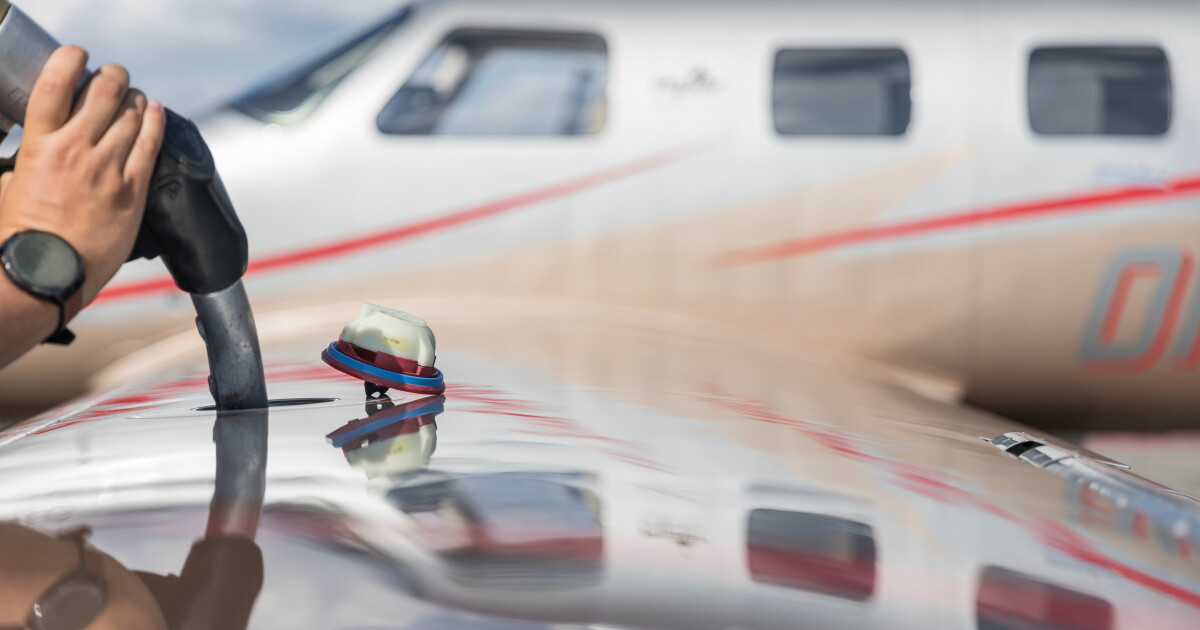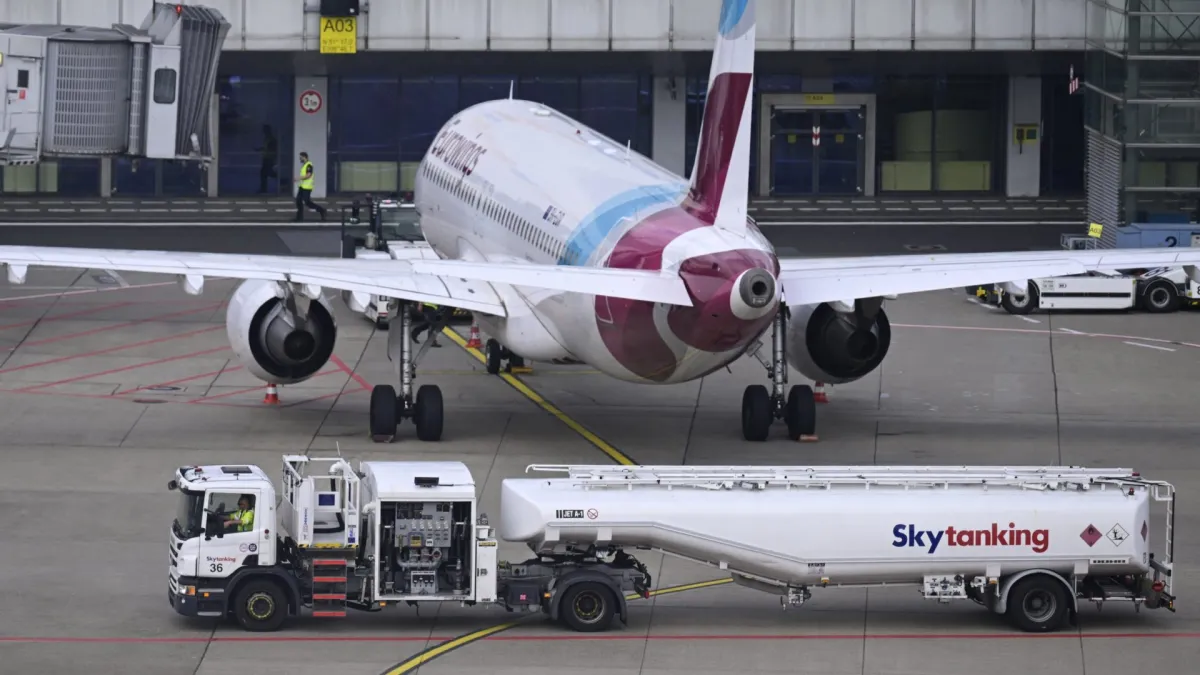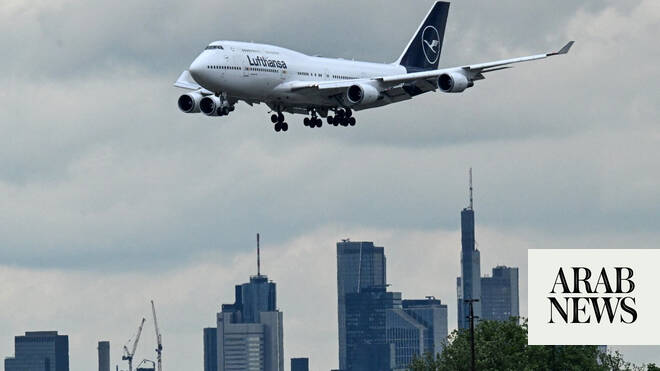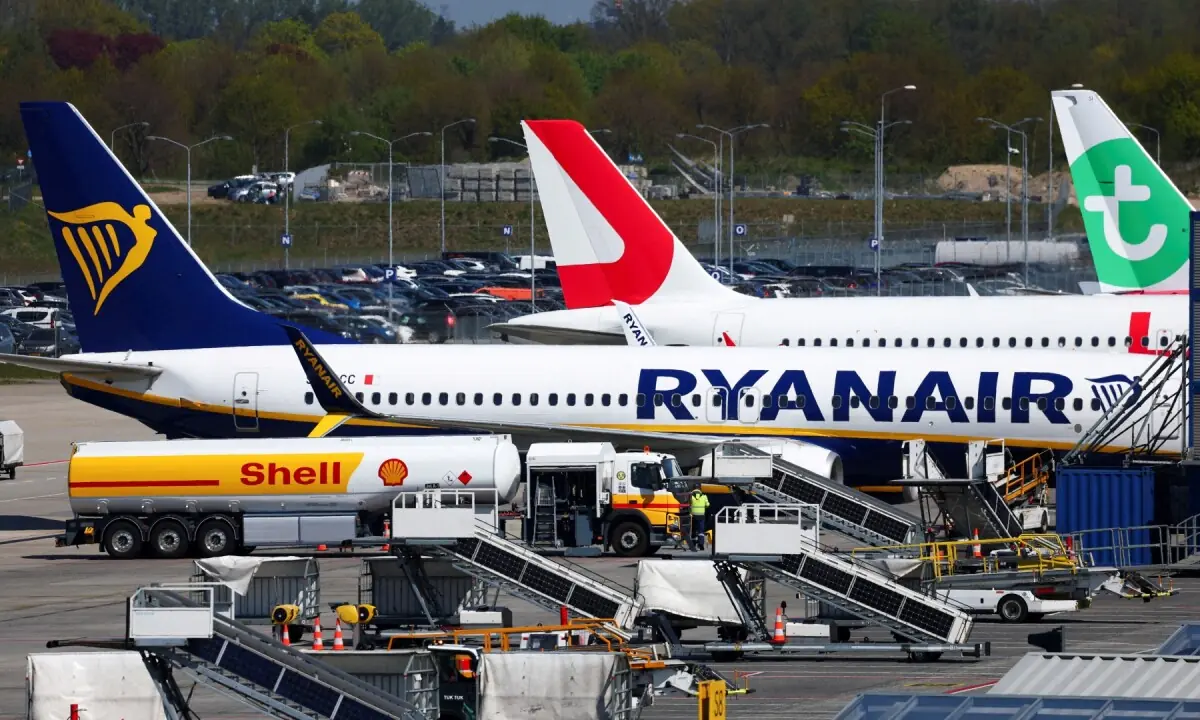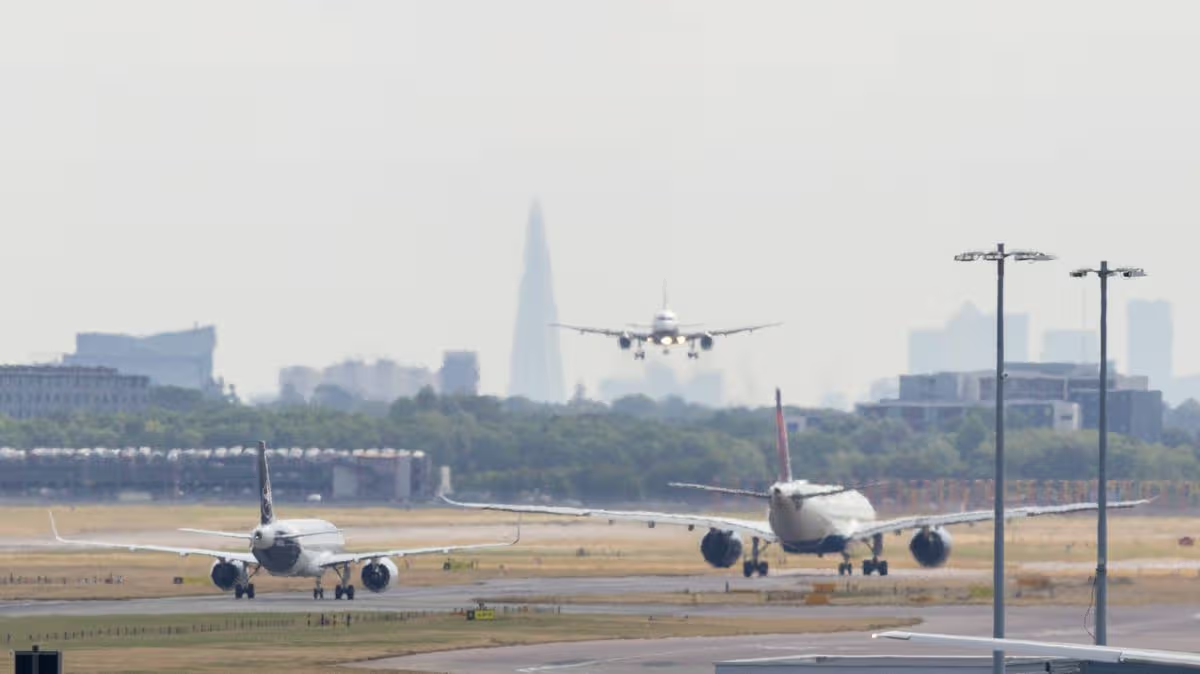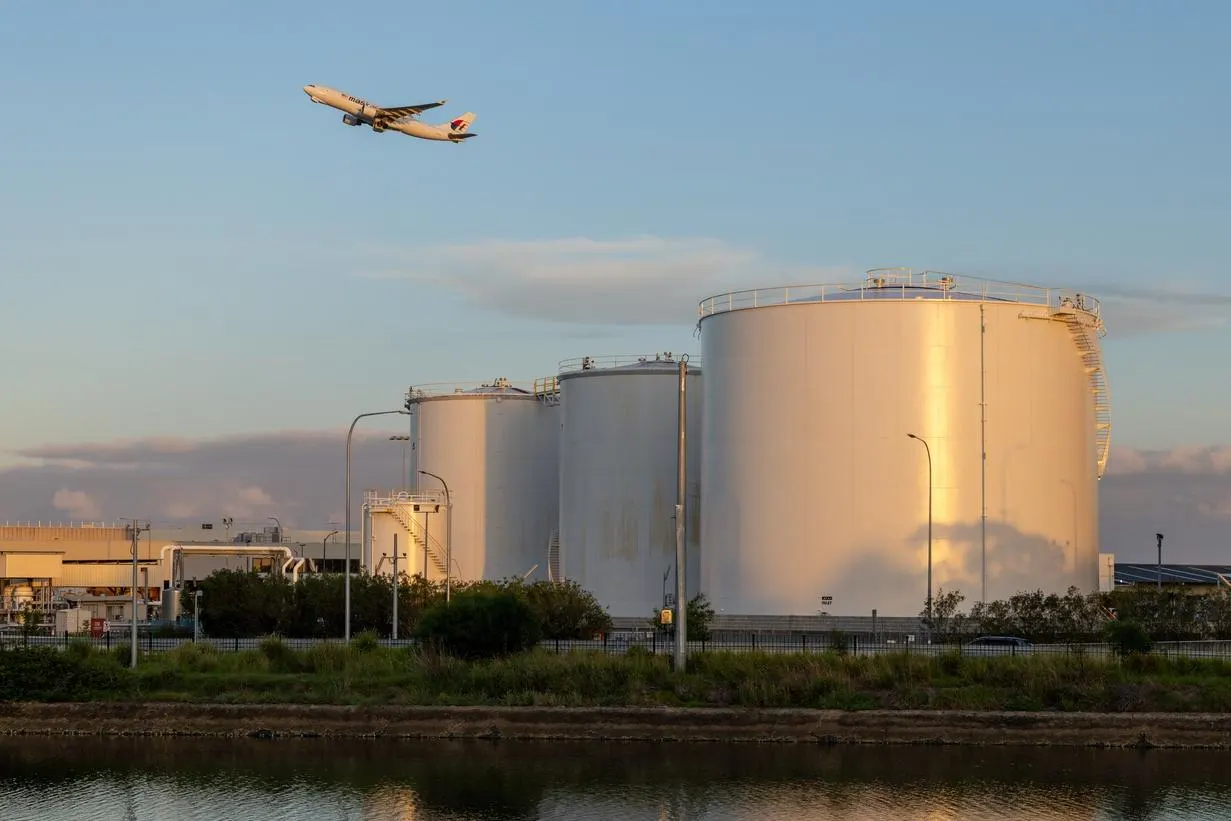
In more than 30 years as an aviation journalist, I have reported on many of the biggest shocks to hit air travel – from the aftermath of 9/11 and the pandemic to the disruption caused by war in Ukraine.Yet, the ongoing crisis in the Strait of Hormuz has the potential to deliver the most devastating blow to global aviation of our lifetime, should the conflict in Iran continue.The blockade is already disrupting supplies of jet fuel to airlines around the world as millions prepare to travel for the peak summer holiday season.Some 13,000 flights have already been cut globally (more than two million seats), largely on key ‘feeder’ routes to major international hubs.Last month, even as ministers publicly played down fears of disruption, I warned in this newspaper that the industry was heading towards a major crisis, with hundreds of thousands more flights at risk if fuel supplies tightened further.Britain is particularly vulnerable. We import more than 60 per cent of our jet fuel, with a significant proportion linked to supplies and refining capacity in the Middle East. Fuel shortages: The crisis in the Strait of Hormuz is already disrupting supplies of jet fuel to airlines around the world as millions prepare to travel for the peak summer holiday seasonThe UK is now turning to the US as an alternative, but this increases competition and pushes up costs further. So even as some airlines slash prices to win customer confidence, across the board air fares will still rise substantially as companies struggle to carry the financial burden.Even if shipping routes through the Strait reopened immediately – as US President Donald Trump sorely hopes – it would still take months for tankers to load, travel and replenish fuel supplies at European airports.And some larger airlines may start consolidating flights on major routes with multiple planes to the same destination – reducing the number of aircraft they fly.This is because airlines have been allowed to relax ‘slot rules’ this summer, meaning they no longer have to operate their full schedule to maintain landing and take off times at big airports.So what happens next – and what does it mean for your plans this year?I have booked my summer holiday – can my flight be cancelled?Yes. Thousands of routes to hubs such as Paris Charles de Gaulle, Amsterdam Schiphol and Frankfurt may be reduced or consolidated, with airlines potentially cutting daily services down to three or even two.Carriers such as KLM, SAS, Air New Zealand, Cathay Pacific and Delta Air Lines are already making cuts, while Lufthansa has announced plans to slash 2,000 flights. ‘Thin’ routes – typically newer destinations added to an airline’s network – are also vulnerable. Smaller airports frequently lack the infrastructure to store large quantities of jet fuel, making refuelling supplies less reliable and, therefore, riskier for airlines to depend on – and trickier to plan routes around.Italy offers a glimpse of what that disruption could look like: One fuel supplier last month began rationing supplies at four airports (Milan Linate, Bologna, Treviso and Venice Marco Polo) with medical and government flights being prioritised over commercial services.If shortages worsen, similar scenarios could be replicated here.Which destinations are most likely to be affected?Long-haul routes to the US and Asia are the most likely to be cut as they use more fuel and could face supply issues. In addition, some routes to Asia and Australasia require diversions around the Middle East, requiring yet more fuel. High risk: Long-haul routes to the US and Asia are the most likely to be cut as they use more fuel and could face supply issuesWhy are some airlines cutting flights and others not?Many airlines cannot afford rising jet fuel costs, while others – including budget airlines such as Ryanair, easyJet and Wizz Air – have ‘hedged’ fuel purchases, meaning they bought at lower rates well in advance.The bottom line remains grim, however. Barron’s, the financial market analyst, indicates that jet fuel prices, which account for about 25 per cent of most airlines’ costs, have increased by between 70 per cent and 110 per cent since the Iran war began.I was thinking of booking a family trip for the summer holidays. Are air fares going up?Yes. Consultancy firm Teneo estimates flight prices have risen by 24 per cent year on year, a figure that is likely to rise further given the current crisis. IAG, which owns British Airways, Iberia, Vueling and Aer Lingus, has already said it will make ‘pricing adjustments’, while Virgin Atlantic has said that it is adding £50 to economy-class return flights, £180 to premium economy and £360 to business class (although even then it won’t recoup the high cost of jet fuel).The good news is that low-cost carriers are likely to keep prices down to attract customers and increase their market share this summer.EasyJet, Ryanair, Wizz Air UK, Jet2 and TUI have said they are sticking to their summer schedules without reductions.What if I’m meant to be flying to Europe for the summer and my outbound flight is cancelled due to a shortage of aviation fuel at my destination?Most airlines will have contingency plans in place, including tankering – meaning they fly enough fuel for both legs.As a rule, too, airlines do not like to cancel flights at the last minute. If they give passengers less than 14 days’ notice, they are liable for compensation under UK and EU rules.On the other hand, the Government has recently relaxed airline take-off rules through ‘slot alleviation’. At busy airports such as Heathrow, Gatwick, Luton, Manchester, Birmingham and Bristol, airlines are normally required to use their allocated take-off and landing times (‘slots’) at least 80 per cent of the time, or risk losing them.However, this rule has been loosened, meaning airlines will not lose their slots even if they use them less frequently – making it more likely that airlines will reduce the number of flights they operate, especially on popular connecting routes through major airports.There is currently no end date for this change, so airlines can adjust their schedules as needed depending on circumstances. If the flight is cancelled, you are likely to be notified well in advance and offered an alternative destination if necessary. Protection: As a rule, too, airlines do not like to cancel flights at the last minute. If they give passengers less than 14 days’ notice, they are liable for compensation under UK and EU rulesJoin the discussionShould airlines be allowed to hike fares and cut flights while thousands risk losing their summer holidays?What's your view?What happens if I’m abroad, fuel runs out at my destination and I can’t get home?Your airline (and tour operator, if there is one) have an obligation to get you home whatever happens, even if it means rebooking you on another airline.They may need to put you up in a hotel if you are temporarily stranded.Keep all receipts for your own arrangements so you can be reimbursed later, and check your travel insurance in case any out-of-pocket expenses, including loss of holiday costs, can be claimed separately.What about package holidays? Should I book now or wait until closer to the summer?Act now: Prices are more likely to go up than down, and the longer you wait, the less availability there will be, as airlines and tour operators scale flights and capacity to paid bookings.Should I contact my airline to find out if my flight will be cancelled?No. Your airline will contact you if you are affected – so no news is good news.What are my rights if an airline does cancel my flight?You are entitled to a full refund or a replacement flight to get you to your destination, and compensation of between £110 and £520 depending on flight distance if the service is cancelled less than 14 days before departure.If the delay is caused by ‘extraordinary circumstances’, however – events beyond the control of an airline – they are not liable.Sally Gethin is an aviation and travel expert. Additional reporting by Thomas Isacke How to compare travel insurance The quickest way to save money on travel insurance and compare the best policies is by using a comparison site.It's worth checking a couple of price comparison websites, because the results can be slightly different across each. We suggest using:Confused*MoneySuperMarket*Uswitch*See more This is Money on Google - save us as a Preferred SourceHowever, those with pre-existing medical conditions may struggle to get appropriate travel insurance at a reasonable price using price comparison websites.People in this situation can find travel cover using the find a broker tool from the British Insurance Brokers' Association or by calling the organisation on 0370 950 1790.
Could YOUR summer holiday be grounded by the jet fuel crisis?
The ongoing crisis in the Strait of Hormuz has the potential to deliver the most devastating blow to global aviation of our lifetime.
1,435 words~7 min read