May 27, 2026 | 12:45 pm
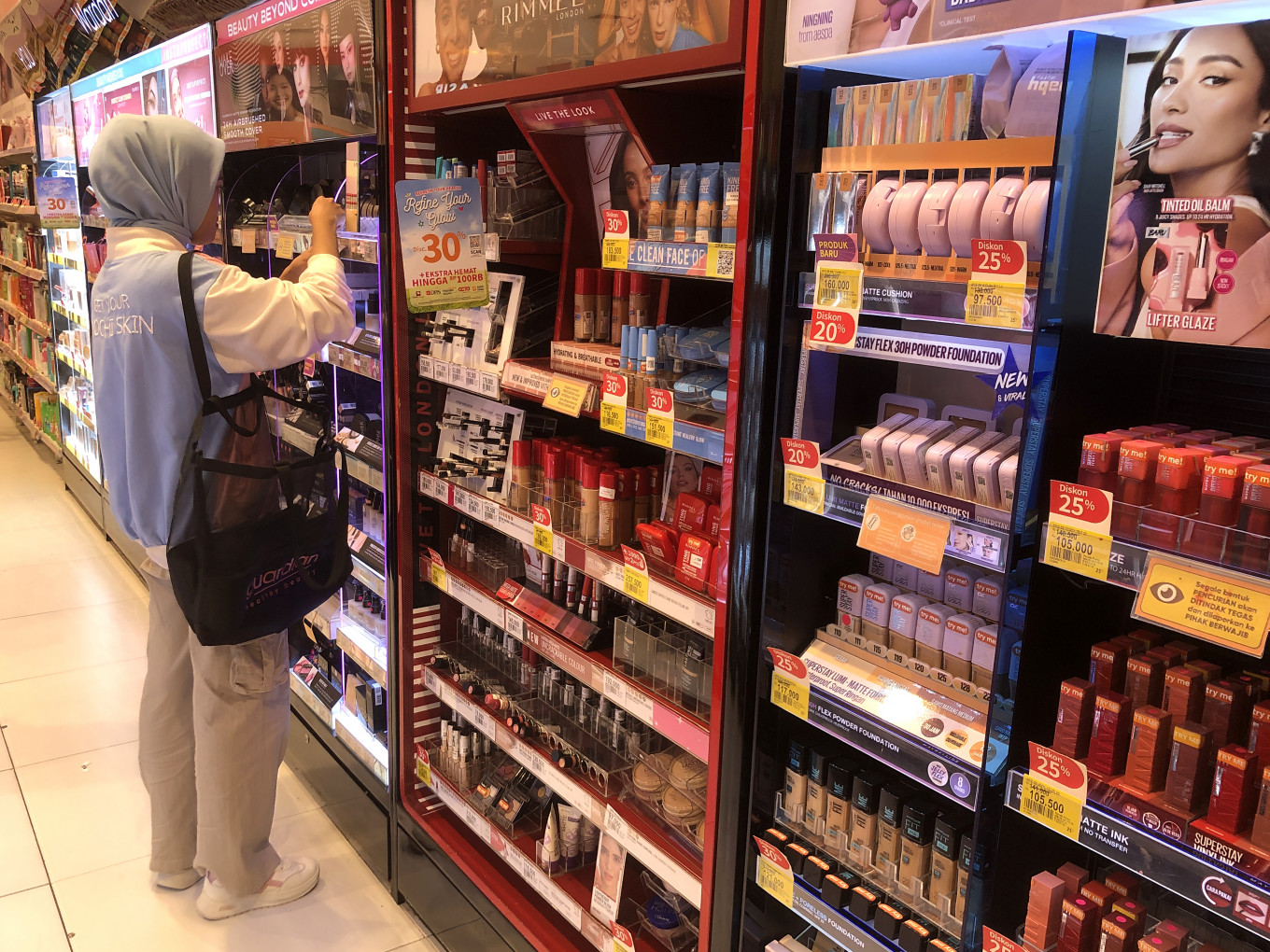
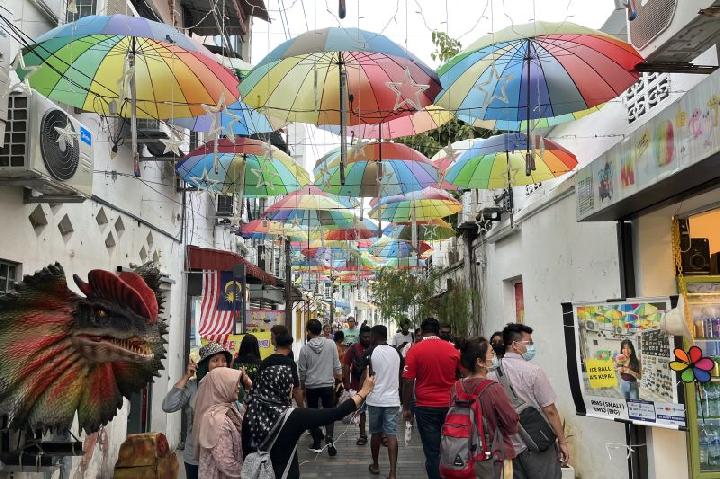
TEMPO.CO, Jakarta - The Head of the Central Statistics Agency (BPS), Amalia Adininggar Widyasanti, stated that the consumption patterns of Indonesian society have shifted toward experience-based spending, including transportation, restaurants, hotels, and travel."This indicates that our society's consumption behavior tends to prioritize experiences over shopping for clothes," Amalia said in Jakarta on Tuesday, May 27, 2026, as quoted by Antara.Amalia explained that this shift became evident in the household consumption components of the first quarter of 2026, when the highest growth no longer stemmed from spending on clothing and footwear, but rather from transportation, restaurants, and hotels.She pointed out that public mobility during the Ramadan and Eid al-Fitr 1447 Hijri period also contributed to this changing consumer landscape. BPS recorded a 13.14 percent annual growth in domestic tourist trips during the first quarter of 2026.Amalia stated that the data on domestic tourists was calculated using mobile positioning data through collaboration with three major telecommunications service providers: Telkomsel, XL, and Indosat.She clarified that this methodology tracks the movement of people across regions while strictly maintaining the confidentiality of individual identities."We measure domestic tourists not through traditional surveys, but through their recorded mobility data via mobile positioning," she explained.In tandem with travel trends, changing consumption habits are also reflected in the surging volume of digital transactions conducted across the country.Amalia mentioned that e-commerce transactions grew by 27.8 percent annually and increased by 6.19 percent quarter-on-quarter in the first quarter of 2026. Meanwhile, transactions utilizing the Quick Response Code Indonesian Standard (QRIS) skyrocketed by 111.94 percent year-on-year.According to Amalia, these changes in consumption and transaction patterns are closely intertwined with Indonesia's demographic structure, which is increasingly dominated by the younger generation.Based on the results of the Inter-Census Population Survey released by BPS on May 5, 2026, millennials and Generation Z make up nearly 49 percent of the total population.When factoring in the post-Gen Z generation, those under 12 years old, who account for 19.65 percent, roughly 68 percent of Indonesia's population, belong to the millennial, Gen Z, and post-Gen Z groups. "This is what triggers a shift in our society's consumption patterns, making it different from the past," Amalia expressed.She emphasized that it is vital for business players and policymakers alike to comprehend these shifts, given that household consumption remains the primary engine driving the domestic economy.Read: Indonesia Wins Top Honors at 2025 China Travel AwardsClick here to get the latest news updates from Tempo on Google News