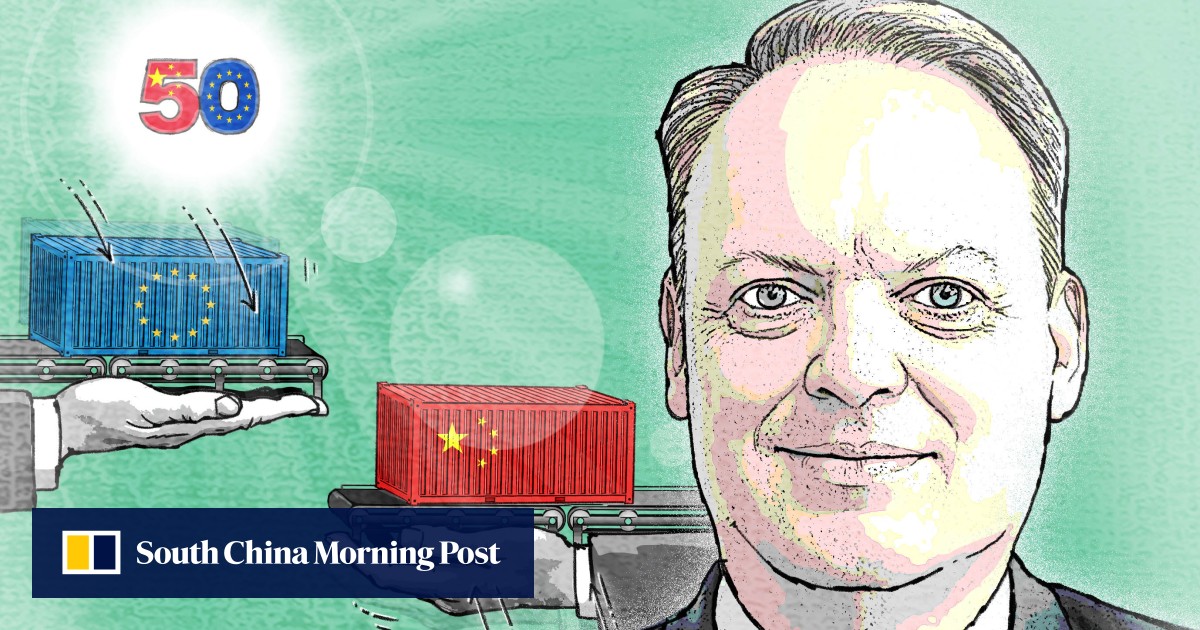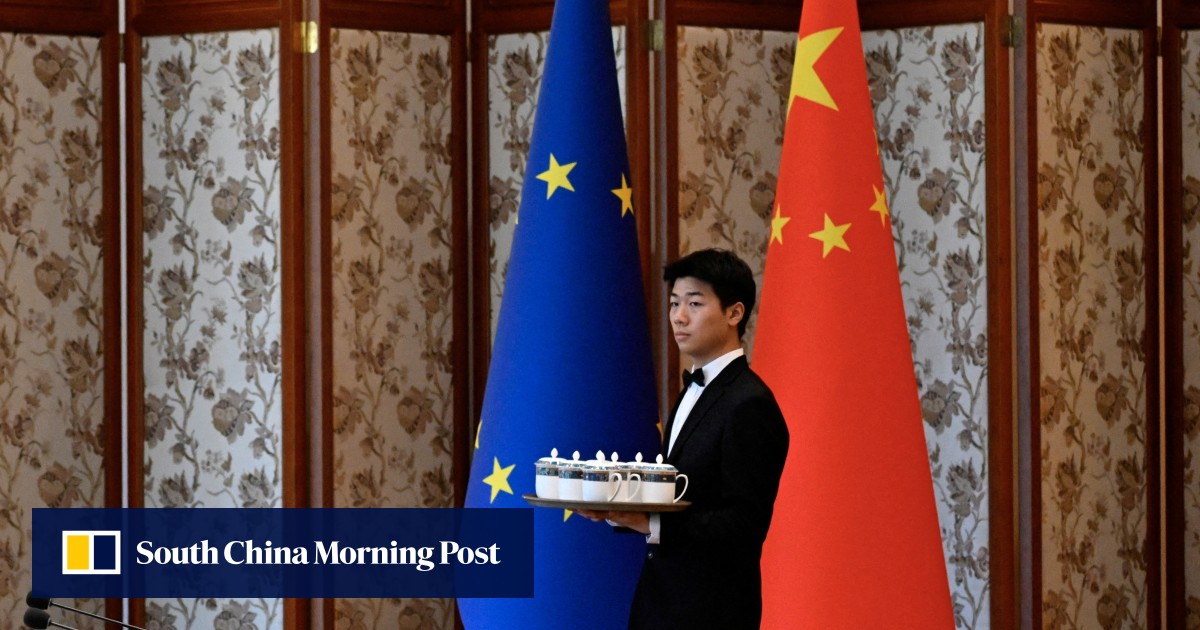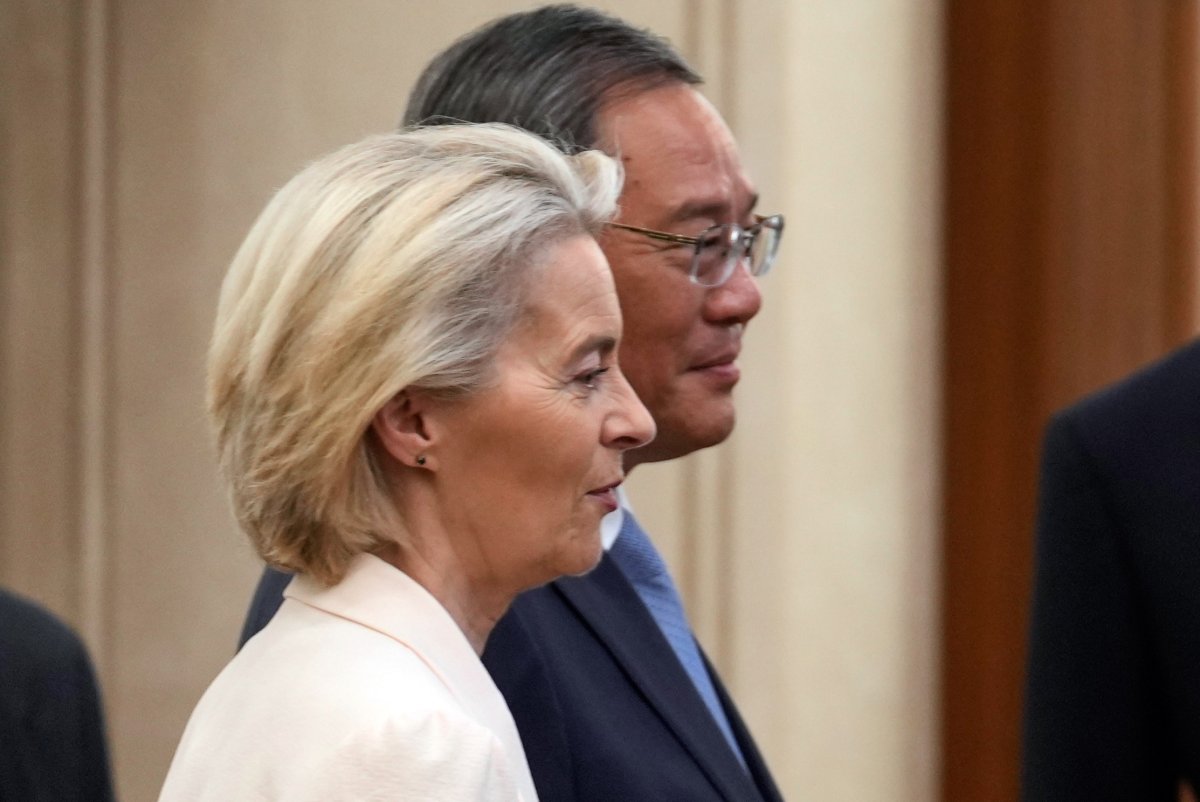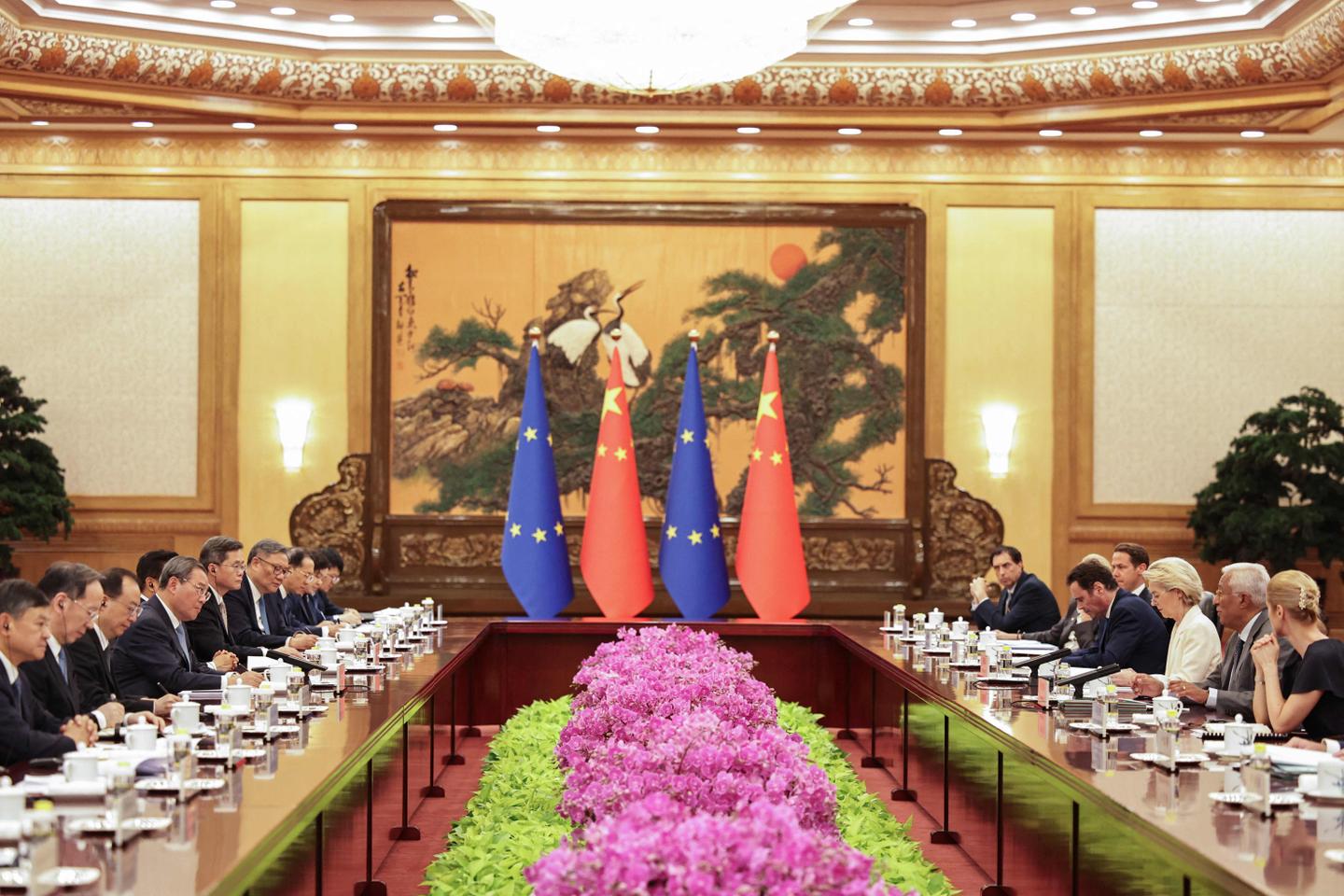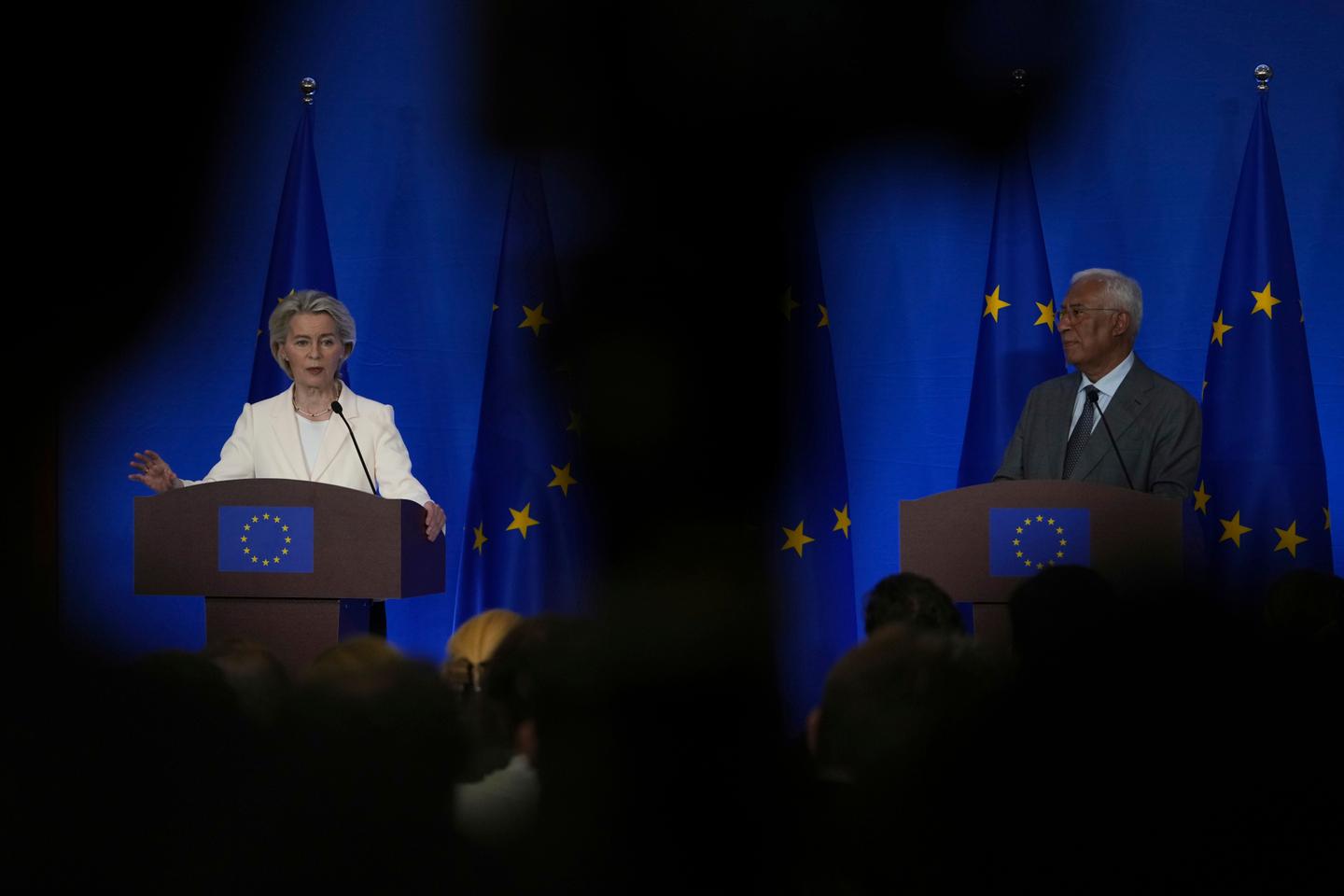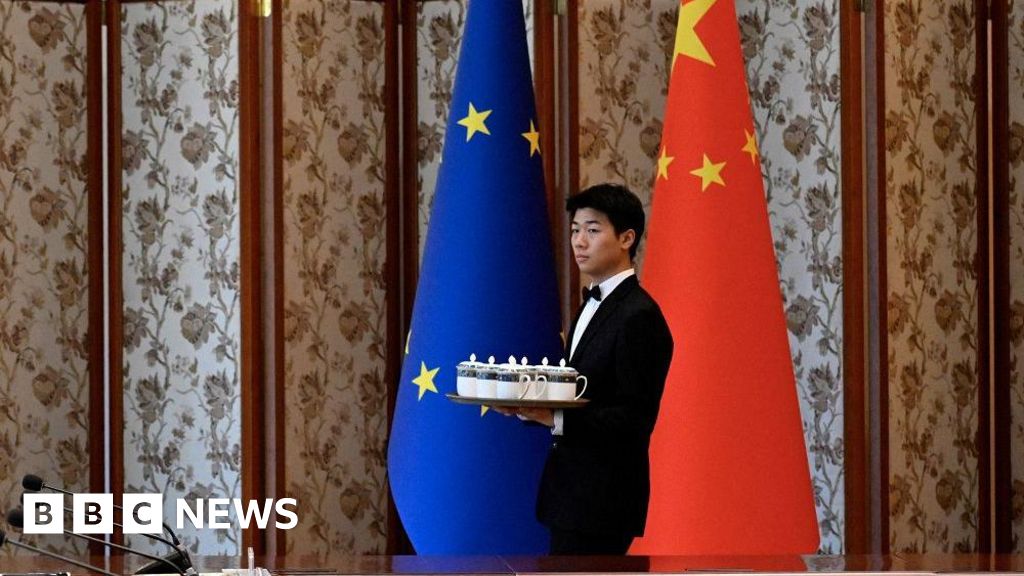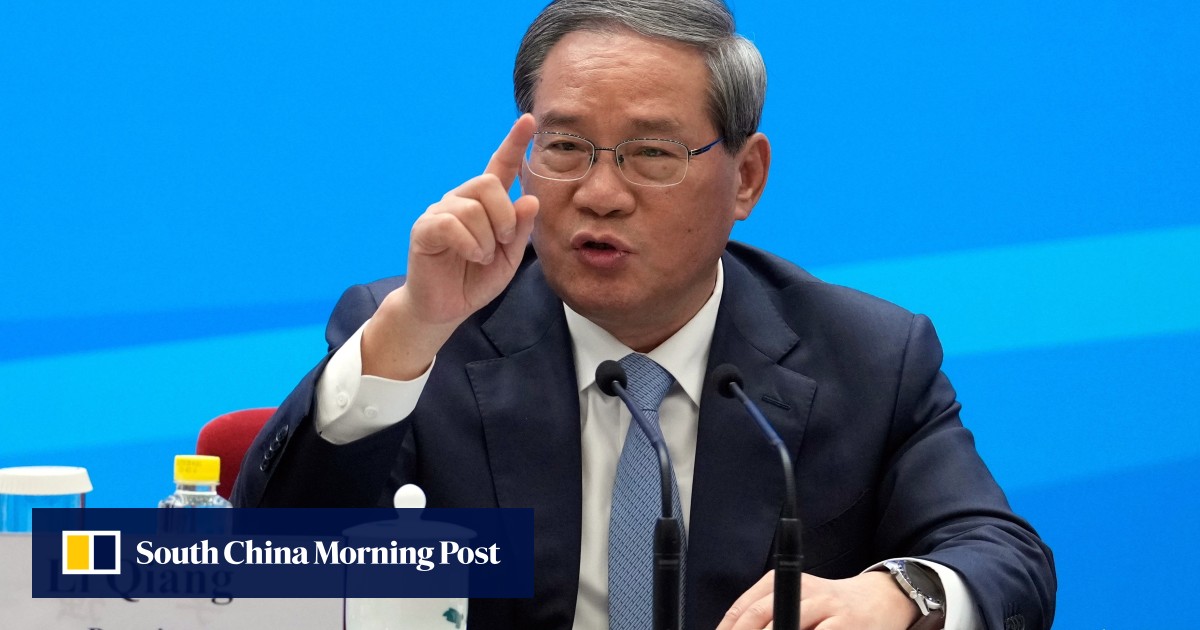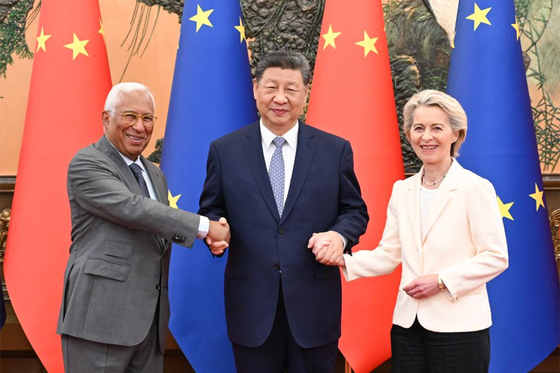
The recent EU-China summit in Beijing was seen as a step forward, but concrete achievements are still necessary to address the major challenges impeding an equitable trade and investment relationship. Jens Eskelund, President of the European Union Chamber of Commerce in China (EUCCC), highlighted that actual progress is required for businesses to benefit from bilateral ties. The summit convened President Xi Jinping and Premier Li Qiang with European Council President António Costa and European Commission President Ursula von der Leyen. Discussions touched upon trade frictions, the conflict in Ukraine, and concerns over China's industrial overcapacity, particularly as the two sides commemorated the 50th anniversary of diplomatic relations, which have, however, been marred by rising tensions and few expectations for major breakthroughs. [para. 1][para. 2][para. 3][para. 4]Both parties pledged to enhance climate cooperation and improve mechanisms for handling disputes over export controls, an area that has recently hindered the movement of critical raw materials. This commitment aimed to prevent trade from degenerating into a "zero-sum game," as EUCCC's Eskelund suggested was a risk amid rising frictions. The summit produced plans for a better process to address disputes over export controls. Of particular concern was China’s dominance in rare earth exports, supplying roughly 70% of global output and holding nearly half of reserves in 2023. The European Commission strongly criticized China’s restrictions on these exports, arguing they undermine competitors in critical industries and strain European supply chains. The summit's upgraded supply chain mechanism is intended to enable prompt resolution of such bottlenecks. [para. 5][para. 6][para. 7][para. 8][para. 9][para. 10][para. 11][para. 12]Trade imbalance remains a significant issue fueling tensions. The EU’s trade deficit with China reached a record 305.8 billion euros in 2024. Although the EU accounts for 14.5% of China’s exports, China represents only 8% of EU exports, highlighting the skewed dynamic. European officials, particularly von der Leyen, blamed Chinese overcapacity and aggressive subsidies, saying these policies drive an influx of inexpensive Chinese goods into Europe. This concern extends to key industries such as steel, solar panels, vehicles, and batteries, with EU leaders pushing for China to boost domestic consumption rather than continually ramping up production. [para. 13][para. 14][para. 15][para. 16][para. 17]As overproduction causes diminishing returns, the EUCCC reported record-low optimism among European businesses operating in China. Despite the short-term challenges and pessimism, Eskelund noted potential for long-term growth, especially in China’s service sector if more market access is granted to European firms in finance and legal services. He emphasized the need for China to address the supply-demand imbalance for more sustainable growth. [para. 18][para. 19][para. 20][para. 21][para. 22][para. 23]The ongoing war in Ukraine was another contentious point, as the EU pressured China to leverage its influence over Russia and support efforts toward peace. The EU’s security has been directly affected, and leaders urged China to push Russia toward a ceasefire and negotiations. While Brussels accuses Beijing of supporting Moscow, China insists it has not provided lethal aid to either side and promotes a political settlement. Friction over perceived Chinese support has also impacted trade; rail freight between China and Europe dropped by over 3% in trips and more than 7% in cargo volume in the first half of the year. [para. 24][para. 25][para. 26][para. 27][para. 28][para. 29][para. 30][para. 31]In summary, the summit delivered some incremental steps in addressing disputes and trade bottlenecks, but significant differences—especially regarding trade balance, export controls, industrial overcapacity, and geopolitical conflicts—remain major obstacles to a fully balanced and stable EU-China relationship. [para. 1][para. 4][para. 6][para. 10][para. 13][para. 17][para. 23][para. 31]AI generated, for reference only
European Chamber Chief Urges Concrete Action on EU-China Ties
While the EU-China summit exceeded expectations, tangible progress is still needed to overcome the challenges facing EU companies doing businesses with China
587 words~3 min read