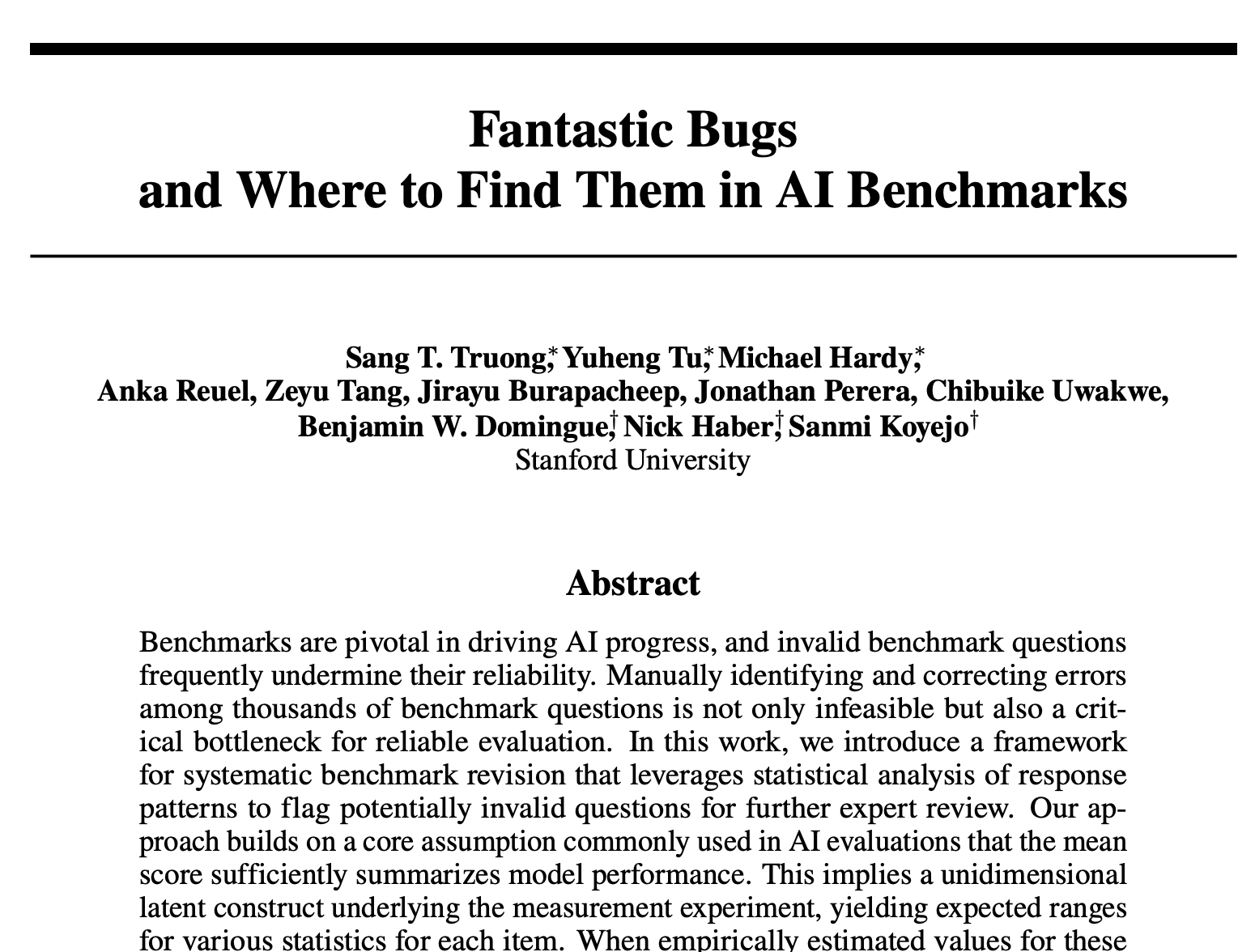
If you are building AI-generated 3D tooling, treat public benchmarks as lead signals, not product truth. A model can score well on an OpenSCAD-style benchmark and still be dangerous inside your app, because your product is not grading text against a reference file. It is asking users to trust generated geometry, measurements, layout intent, and downstream editability.
That changes the bar completely. The real question is not "which model topped the benchmark?" It is "what errors can this model make inside my workflow, and how cheaply can I catch them before the user pays for them?"
For CAD-like tools, room planners, parametric builders, scene generators, and layout systems, that question matters more than leaderboard position. Benchmarks are still useful. They help you narrow candidates and avoid obvious dead ends. But if you ship based on benchmark scores alone, you are outsourcing product judgment to someone else’s task design.
Benchmarks are useful, but only as a filter
A benchmark usually tells you something real. It can reveal whether a model follows structured prompts, emits syntactically valid code, and handles a certain family of geometry tasks better than its peers. That is valuable.