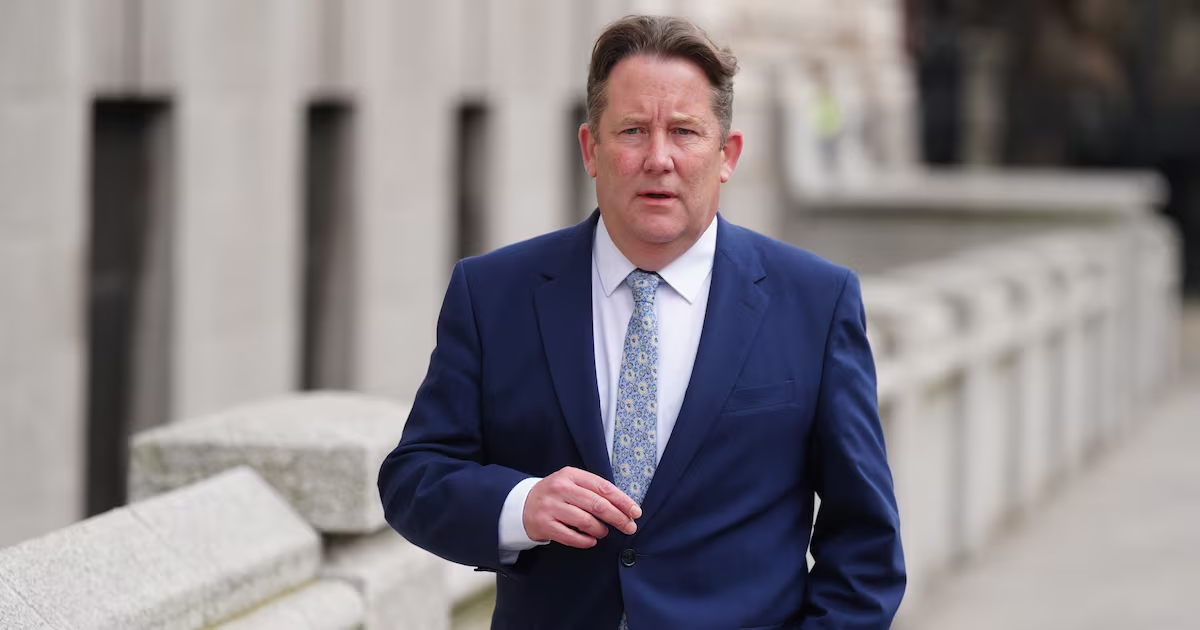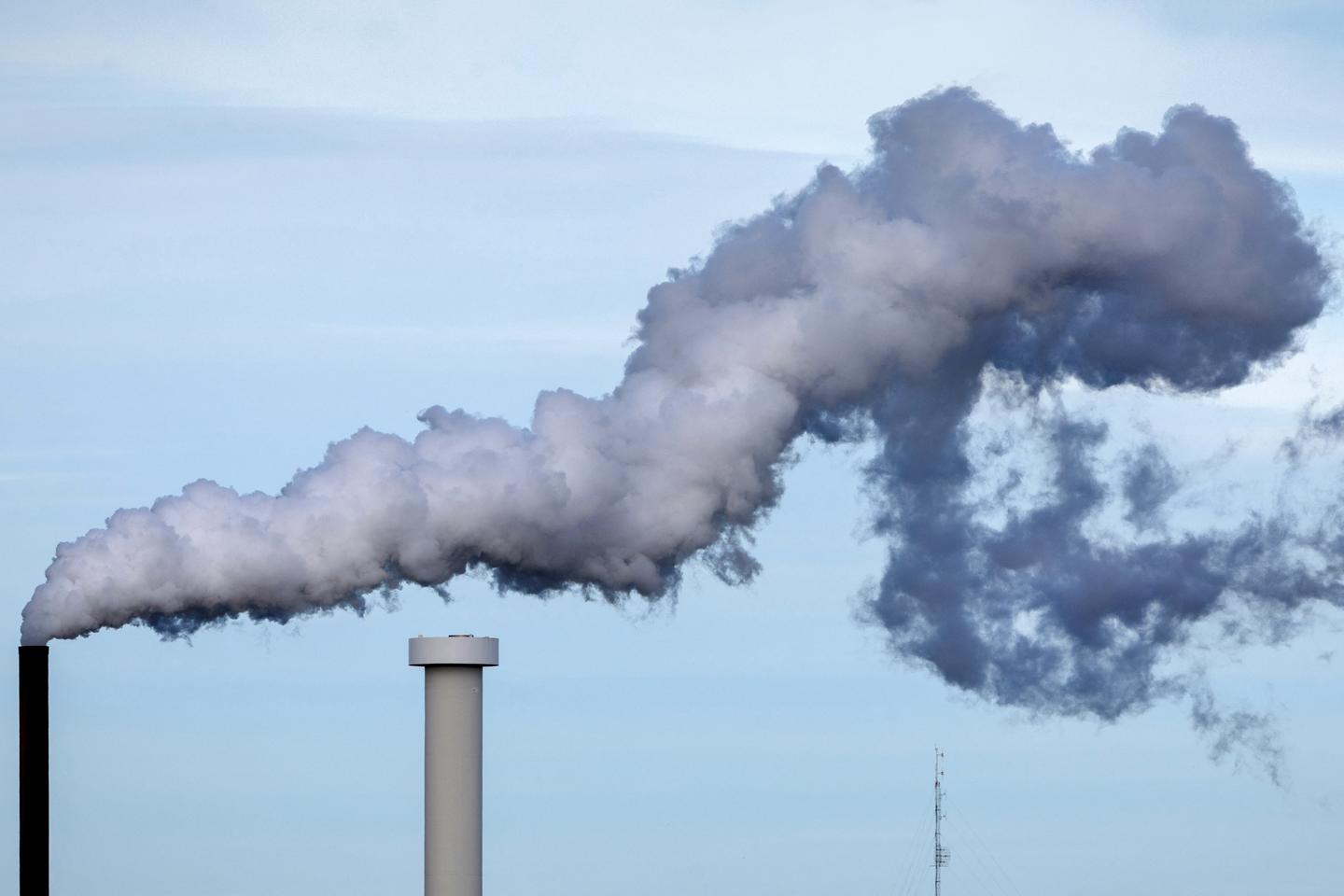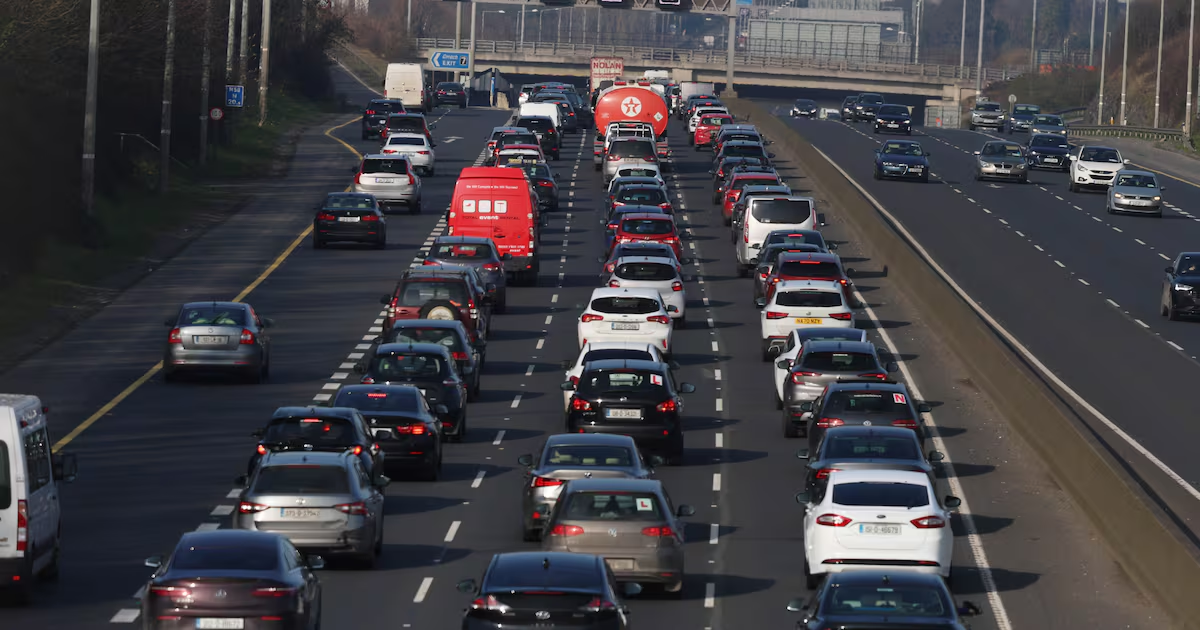
Ireland will achieve at best just half of the cuts in greenhouse gas emissions it is committed to make by 2030, the latest forecast shows. Projections by the Environmental Protection Agency (EPA) show an overall reduction of 25 per cent in emissions is possible, but that is only about half of the 51 per cent drop required by law. The EPA also warns that the reduction could be as little as 13 per cent if current climate policies are pursued for the next four-and-a-half years and pledges to do more do not materialise. It is a small improvement on last year’s forecasts, which put the range at 9 per cent to 23 per cent, but EPA director general Eimear Cotter said nearly all sectors remained off-track in terms of their emissions targets. “There must be a renewed focus on delivering the actions to meet Ireland’s climate targets, which will be a significant challenge given the short time frame to 2030,” she said. The EPA stressed the forecast was really about the country’s progress in combating climate change, protecting the public and the environment and strengthening energy security by reducing dependence on imported fossil fuels. The forecast shows progress is uneven across various sectors. A halving of emissions from transport is required, but the drop is expected to be 28 per cent at best if the switch to electric vehicles (EVs) speeds up and more biofuels are added to petrol and diesel. At the current rate of switching, emissions will fall by just 15.5 per cent.Emissions from electricity generation are meant to fall by three-quarters, but the best forecast is 61 per cent because the roll-out of renewable electricity from wind and solar is slower than expected. The reduction could also be 54.5 per cent. The emissions from oil and gas used for central heating are forecast to fall between 13 per cent and 18 per cent for homes, but to rise between 3 per cent and 7 per cent for commercial and public buildings. Uncertainty surrounds agriculture, where a best-case reduction is 19 per cent but it could also be as low as 4 per cent. The disparity is of concern as agriculture is the country’s single-biggest emitting sector, responsible for 37 per cent of national emissions. Emissions from land are also highly uncertain, but these increase in all scenarios by between 4 per cent and 72 per cent.The increases are due to the ageing condition of many forests, which are no longer absorbing carbon and will be due for felling, releasing carbon. The degraded state of peatlands and wetlands also means those habitats are releasing carbon rather than storing it. Minister for Climate, Energy and the Environment Darragh O’Brien welcomed the forecast, which, he said, contained “positive elements” as well as highlighting where more work was needed. “It shows a continued reduction in emissions even while the economy is growing and while the population is growing. That’s welcome that we’re going in the right direction,” he said. He said he believed the electricity sector would perform better than the EPA’s projection. “It projects 60 per cent of energy coming from renewables by the end of the decade. I think we’ll do more than that,” he said. O’Brien said EV sales and home retrofits were growing faster of late and he said he intended introducing more accessible grants to achieve a similar uptick in retrofitting of commercial premises. “We won’t make the [2030] target,” he said, but he stressed he was “not surrendering and not reducing our ambition”. “I can see a pathway to our emissions reduction targets by the early 2030s,” O’Brien said.
Ireland’s greenhouse gas emissions to fall by just half of the amount pledged
Drop from agriculture sector might be as low as 4 per cent, environmental agency says
604 words~3 min read